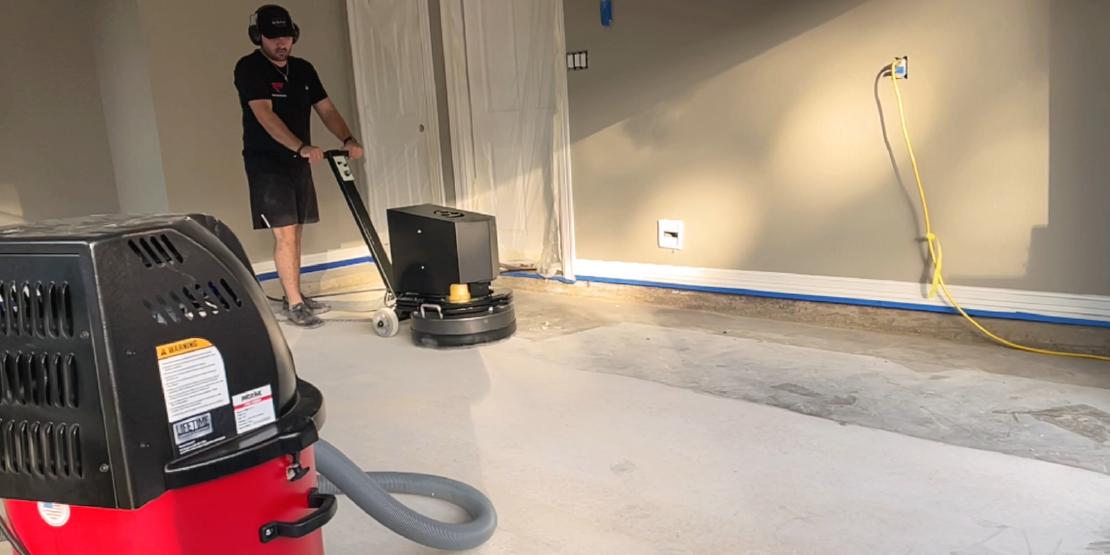

Customizing Floor Appearance During Renovation
Choosing the Right Material for Your Floors
Choosing the perfect floor material can transform a living space significantly. It sets the tone for a home’s aesthetic appeal which is why it is essential to make the right choices. Various options are available - from traditional materials like hardwood and stone to eco-friendly ones like cork and bamboo. Each material comes with its unique characteristics, durability, maintenance needs, and budget requirements.
Hardwood flooring stands out for its timeless elegance, but it comes with a high price tag and needs regular maintenance. Stone flooring, often used in high-traffic areas, is durable but can be quite cool underfoot. Vinyl and laminate flooring are affordable alternatives, offering a variety of styles and patterns, and are resistant to moisture and stains. When considering sustainability, bamboo and cork flooring outshine others, given that they are rapidly renewable, but they require more specialized care.
Exploring Different Floor Finishes
The world of floor finishes is far-ranging and versatile, offering a remarkable array of choices to suit every aesthetic preference and budget. Hardwood is a classic option, loved for its natural beauty and durability. Over time, wear and tear can enhance the charm of hardwood floors, adding character reminiscent of vintage properties. Despite its premium cost, hardwood has proven to be a sound investment due to its longevity and potential to increase property value.
Then there is the equally diverse realm of laminate flooring, popular for its affordability and ease of installation. It features highly realistic designs, mimicking materials like wood, stone, and ceramic at a fraction of the cost. Moreover, laminate flooring provides a highly durable surface resistant to scratches and dents, making it ideal for high-traffic areas. The possibilities are endless, whether you prefer the traditional appeal of hardwood or the budget-friendly functionality of laminate flooring.
The Impact of Floor Color on Room Aesthetics
The transformative power of floor color on room aesthetics cannot be overstated. It has a profound impact not only on the ambience of a space but also influences perceived dimensions. For instance, light-colored floors can create the illusion of a larger, airier room, making them a perfect choice for small spaces. Darker hues, on the other hand, exude a sense of warmth and coziness.
Separately, the floor color, if chosen mindfully, can act as an exceptional tool to create a harmonious color palette. A neutral-colored floor can provide a subtle backdrop for bold colored furniture and decorations. Conversely, a vibrant or richly stained floor can become a central design element, making a strong style statement. Creating that balance between the floor color and the overall room aesthetics is crucial in achieving a well-coordinated look.
Understanding the Basics of Floor Staining
The fundamental process of floor staining involves applying a colored finish to the floor’s surface, which permeates the wood’s grain to provide a desired hue. An essential factor to grasp in floor staining is wood species countenance, as various wood types respond differently to the stain. Maple and birch, for instance, soak up stain unevenly, resulting in a blotchy appearance, while oak has a fairly uniform absorption level. From clear or natural stains that highlight the wood grain to dark mahogany or ebony for a more polished and sophisticated appearance, the spectrum of available stains is broad.
Choosing the right type of stain is pivotal for the desired outcome. Traditional oil-based stains penetrate deep into the wood, protect it, and have a long-lasting and vibrant color. On the other hand, water-based stains are easier to clean up, dry faster, and generate less fumes; however, they generally do not leave as rich a color as oil-based ones. Gel stains are excellent for more consistent color or when working with woods that absorb stain unevenly. The choice of stain fundamentally shapes the room’s aesthetics and should be selected with a defined goal in mind.
How to Personalize Your Wooden Floors Using Patterns
Personalizing wooden floors with patterns gives a unique aesthetic appeal that’s truly reflective of your personal style. Timber flooring lends itself to an almost endless array of design possibilities, from classic herringbone and chevron patterns to more innovative and contemporary geometric designs.
Including patterns to your wooden floors can completely transform a space, making it more dynamic and visually intriguing. Simple patterns can bring a sense of elegance, while more complex designs can make a statement and become the focal point of a room. Whether you are looking for subtle sophistication or bold impact, personalizing your wooden floors using patterns is a great way to put your stamp on an interior space. Remember, the success of this process greatly depends on the type of wood used, the pattern chosen, and the expertise of the installation team. Embrace the versatility of wooden floors and explore the infinite possibilities patterns can offer. • First and foremost, consider the type of wood you’ll be using. The grain, color, and texture of the wood can significantly influence the overall look of your patterned floor. Hardwood species like oak, maple or walnut are popular choices for their durability and distinct grains that add character to any design.
• Next up is choosing a pattern that suits your style and complements your interior décor. Traditional patterns such as herringbone or chevron create a timeless elegance, while geometric designs offer a more modern appeal.
• If you’re looking for something truly unique, consider custom-made patterns tailored to your personal taste. This could involve intricate inlays or mixed-media designs combining different types of wood.
• In terms of installation, make sure you hire professionals who specialize in patterned wooden floors. Precision is key when it comes to achieving perfect alignment and symmetry in complex designs.
• Consider adding decorative borders around the edges of rooms for an extra touch of sophistication. Borders can either match or contrast with the main flooring pattern depending on what aesthetic you’re aiming for.
• Don’t forget about finishing touches like stains and sealants which can enhance the natural beauty of your wooden floors while also providing protection against wear-and-tear over time.
In conclusion: Personalizing wooden floors with patterns isn’t just about creating visually appealing interiors – it’s also an opportunity to express individuality through design choices that reflect personal style preferences. Remember - there are no hard-and-fast rules when it comes to designing personalized wooden floors; creativity reigns supreme!
The Benefits of Using Floor Tiles for Custom Designs
Floor tiles offer limitless possibilities in terms of custom designs. With an array of different sizes, colors, and textures available, they can be arranged in an endless number of patterns and layouts to suit any design aesthetic. This versatility ensures that homeowners can design a floor that is truly unique and reflects their personal style. With options ranging from ceramic and porcelain to natural stone, the tiles can be chosen to match any décor, thereby enhancing the visual appeal of the space.
Every floor tile comes with inherent benefits. Durability tops the list, as these tiles are capable of withstanding heavy traffic and are resistant to most stains and spills. Tile flooring is also easy to clean, generally requiring only regular sweeping and occasional mopping. Even better, maintenance is minimal, and when installed correctly, tiles can last for decades, making them a cost-effective solution for long-term use. Additionally, tiles are a great choice for homes in warmer climates, as they stay cool to the touch, providing a comfortable surface during the hottest months.
Methods for Achieving Distressed or Antique Floor Looks
Distressed or antique flooring is a popular choice amongst homeowners who desire a warm, inviting, and character-rich atmosphere in their homes. This kind of flooring comes with unique features that give it a sense of history and charm. The subtle imperfections, such as dents, scratches, wear and tear marks, helped to create an aged appearance, mimicking the wear that happens over many years. These details can be manually added to new wood in a process called ‘distressing’.
The techniques used in distressing vary and can be quite creative. Some methods include beating the wood with different tools, sanding the wood unevenly, scraping the surface, and adding nail holes. The chosen methodology tends to reflect the desired level of antiquity and the type of wood used. After the manual distressing is completed, a finish is applied to enhance the wood’s ‘worn’ look and to seal and protect it. Typically, a low-gloss or satin finish is used to maintain the old and used aesthetic.
Using Floor Paints for a Unique Touch
For homeowners seeking a daring and distinctive design choice, floor paints may be the answer. They offer an unlimited color palette, opening up a world of possibilities for personalizing your space. Transform a dull concrete or wood floor into a vibrant and visually arresting canvas. It’s important to consider the natural light present in the room, wall color, and furnishings when selecting the right hue to ensure the paint enhances the overall aesthetics.
Painting your floors also serves practical purposes beyond aesthetics. Floor paints are often durable, standing up to heavy foot traffic and resisting stains and scuffs, making them a practical alternative to natural wooden floors. Additionally, using specialized paint can protect your floors from moisture damage and prevent the growth of mold and fungus. However, a well-prepared surface and quality materials are essential for this project’s success. To maintain the finish’s longevity, use of sealants is recommended post-painting.
Creating Custom Designs with Carpeting and Rugs
Experimenting with carpeting and rugs offers a spectacular opportunity to add a unique touch to any interior space. Their versatility in terms of hues, textures, patterns, and sizes allows homeowners to curate custom designs that reflect individual taste and style. From luxurious shag rugs to intricately patterned carpets, these floor coverings can transform an area into a vibrant, cozy, or sophisticated space. Equally essential, carpeting and rugs provide comfort underfoot and contribute to noise reduction, significantly enhancing the overall living experience.
Utilizing these floor coverings, however, requires careful planning and selection. Determine the room’s purpose, foot traffic level, and existing aesthetics when choosing carpets or rugs. High-traffic areas like hallways demand durable, easy-to-clean materials, while living rooms might benefit from plush, stylish options. Furthermore, complementing the room’s color palette and furniture style with the rug’s design fosters harmony and balance in the space. Creative layering of differently sized rugs can also lead to captivating visual interest, enriching the decor even further. Overall, with careful thought and a flair for creativity, carpeting and rugs can become stunning centerpieces that breathes life into a room.
Incorporating Mosaic Designs for a Unique Flooring Style
Extravagant, rich in detail, and undeniably unique - such are the attributes of mosaic flooring. This historical art form takes on a new dimension when incorporated onto the floors, offering unmatched visual intrigue. Mosaic designs can range from intricate patterns and theatrical scenes to simple, geometric formations, made from various materials like glass, ceramic, stone, or metal. Thus, they permit unparalleled customization options that suit individual style preferences remarkably well.
To further magnify the exclusivity, mosaic flooring designs can be interspersed with solid, “block-coloured” sections for a visually balanced ensemble. This method breaks the continuous pattern, making it less overwhelming while maintaining its distinct charm. As a bonus, the meticulous intricacy of mosaic floors can emphasize certain areas or “zones” of a room effectively. Therefore, not only do they serve aesthetic purposes but these ornate designs can also aid spatial planning within the household or workspace.
The Role of Lighting in Enhancing Floor Appearance
As a pivotal aspect of interior design, lighting profoundly influences how flooring appears. By manipulating the color, intensity, and direction of light sources, homeowners can artfully accentuate or subtly downplay their floor’s aesthetic features. Strategic use of ambient, task, and accent lighting can alter the perception of floor color and texture, letting beauty and function harmoniously coexist. Shadows, contrasting with bright spots, draw attention to intricate floor patterns, pebbled surfaces, or elegant hardware insets like brass corners.
Different types of lighting affect floor aesthetics in distinct ways. Soft, warm light tends to supplement the natural grain and hue of wooden floors, creating an inviting, cozy atmosphere. On the other hand, cooler light enhances the brilliance of white or lighter-colored flooring, promoting a sense of freshness and spaciousness. Moreover, directionally focused beams of light from recessed ceiling fixtures or track lighting systems, onto textured tiles or high-gloss finishes, create theatrical effects emphasizing their appearance. Achieving the perfect balance of light can truly enhance your flooring choices, breathing life into your living spaces.
Maintaining and Cleaning Your Customized Floors
Regular maintenance is essential to keep your personalized floors looking their best. Customized floors, regardless of their material, require a specific care routine to help preserve their appearance and functionality. Hardwood floors, for example, need sweeping or vacuuming regularly to prevent dirt and grit from scratching the surface. An occasional mopping with a wood cleaning product keeps it gleaming and restores its natural beauty. On the other hand, floor tiles may require scrubbing or a steam clean to remove any grime buildup.
Stained concrete floors demand a different approach. It’s advisable to use a pH-neutral cleaning solution and soft mop to avoid discoloration and scratching. Moreover, if a sealant is applied, it should be re-applied periodically to maintain the longevity of the stain color. Meanwhile, carpets and rugs benefit from regular vacuuming to remove dust and allergens, with professional cleaning suggested every 12-18 months to deep clean and remove stubborn dirt. Customized floors are an investment, thus understanding their cleaning needs is paramount to prolong their life and maintain their aesthetic appeal.
Cost Considerations for Your Floor Makeover Project
Planning a floor renovation is a thrilling endeavor, but it is essential that you stay within your budget. From the materials you choose to the finishing touches you wish to apply, each element carries a different cost that will eventually compile into your total expenditure. Hence, understanding the financial implications of each decision is crucial to prevent overspending. While hardwood floors, for example, offer a classic and elegant aesthetic, they do come with a heftier price tag compared to vinyl or laminate options.
Other factors that could impact the total cost of your flooring project include the size of your space and any pattern designs you might wish to incorporate. Larger spaces will obviously require more material, thus increasing the overall cost. Similarly, complex patterns or intricate tile work will necessitate skilled labor, which could further increase your project’s price. It’s therefore advisable to account for these factors while planning an accurate budget. Remember, successful floor makeovers can be achieved without breaking the bank with careful planning and wise decision-making.
What factors should I consider when choosing a material for my floor makeover project?
When selecting a material for your floor makeover, it’s important to consider factors such as durability, maintenance, cost, and how well it complements your home’s decor and lifestyle needs.
Can you tell me about the different types of floor finishes?
Various types of floor finishes include polyurethane, wax, oil, and varnish, among others. Each has its unique benefits, such as the durability of polyurethane, the low maintenance of wax, or the natural beauty of oil finishes.
How does the color of my floor impact my room’s aesthetics?
The color of your floor can greatly impact the overall look and feel of a room. Light-colored floors can make a room feel more spacious, while darker floors can add warmth and coziness.
What is floor staining and why is it important?
Floor staining is a process that changes the color of your wood floors. It’s an important factor in customizing your floors to match your desired aesthetics.
How can I personalize my wooden floors using patterns?
You can personalize your wooden floors using different laying patterns like Herringbone, Chevron, or Versailles. You can also use a mix of different wood shades for a unique look.
What are the benefits of using floor tiles for custom designs?
Tiles come in various colors, sizes, and patterns, providing endless possibilities for custom designs. They are durable, easy to clean, and can withstand heavy foot traffic.
How can I achieve an antique or distressed look on my floor?
You can achieve an antique or distressed look through various methods like hand scraping, wire brushing, or using certain staining techniques.
Can I use floor paints to add a unique touch to my floors?
Absolutely, floor paints can transform a regular floor into a design statement. They can be used to create patterns, borders, or to simply change the color of your floor.
How can I incorporate carpeting and rugs into my floor design?
Carpets and rugs can be used to add texture, color, and warmth to a room. They can be used to create zones in a room or to complement the existing decor.
What is the role of lighting in enhancing the appearance of my floors?
Lighting can significantly enhance the appearance of your floors by highlighting their colors, textures, and finishes. The right lighting can make a floor look more vibrant and inviting.
How should I maintain and clean my customized floors?
This largely depends on the type of flooring material and finish you have. However, regular sweeping, mopping, and timely refinishing can go a long way in maintaining your floors.
What are the cost considerations for my floor makeover project?
Costs for floor makeovers can vary based on the type of flooring material, labor costs, the size of the area, and any additional customization or personalized design elements you choose to include. It’s important to set a budget that includes these variables.