
Decorative Options for Commercial Flooring
Understanding Commercial Floor Aesthetics
The arena of commercial flooring has evolved immensely over the last few decades. Gone are the days when flooring was considered a mere component of building infrastructure. Today, it serves as an essential element of a business’s overall brand image and aesthetic appeal. Thus, understanding commercial floor aesthetics is crucial for both business owners and interior designers.
Flooring plays a significant role in setting the mood and conveying the corporate ethos of a business space. Be it a high-end retail store or a cozy local café, a professionally designed floor can set the right ambiance, bolster the visitor’s experience and indirectly, contribute to brand identity. The nuances of floor aesthetics weave a silent, visual narrative that goes far beyond mere functionality. Hence, far from being a secondary concern, it occupies a central role in shaping the perception and success of a commercial space.
The Importance of Aesthetic Flooring in Business Spaces
Aesthetic flooring plays a crucial role in creating a distinctive ambiance in business spaces. Commercial establishments stand to reap numerous benefits when they prioritize design-centric flooring. First off, aesthetically pleasing floors can make business spaces more inviting, contributing to a positive first impression on visitors or potential clients. This capacity to shape perception is especially crucial in businesses that rely heavily on customer experience, such as hotels, restaurants, and retail stores.
Secondly, thoughtful flooring design can further enhance a brand’s identity. When flooring aesthetics align with a company’s branding and overall presentational style, it can reinforce a brand’s image and messaging, serving as a powerful branding tool. Moreover, the use of different colors, materials, and designs can create a unique, memorable experience for customers and employees, facilitating a better connection with the brand. This strong linkage signifies the invaluable importance of aesthetic flooring in the dynamic world of business.
Exploring Various Designs for Business Flooring
Commercial flooring design extends much beyond the basic functionality of serving as a walking surface. It has evolved over the years to become an integral part of a business’s visual identity. Various designs for business flooring help create an environment that augments the aesthetic appeal of the space, reflects the business identity, and boosts employee morale. Flooring design can range from minimalistic and simplistic to intricate patterns or textured designs. It could showcase solid colors or include company logos and patterns, becoming a key mood-setter and brand promoter within a commercial space.
One of the most common business flooring design choices is hard surface flooring. Materials such as hardwood, laminate and vinyl offer versatile design choices that can be customized to match a business’s other design elements. Carpeting, on the other hand, provides an array of design options, from neutral tones to vibrant colors, and from simple shapes to complex geometric designs. Carpeting aids in noise reduction and provides a plushier feel underfoot, making it an apt choice for office spaces. Tile flooring, mainly ceramic and porcelain, offers brilliant design flexibility with the array of colors, patterns and sizes available. This makes it suitable for high-traffic areas like the food and beverage industry or public lobbies. Each of these designs has its unique benefits and can be chosen based upon the business’s specific needs and aesthetic goals.
The Role of Colors in Commercial Flooring
Choosing the right color scheme for commercial flooring can significantly impact the overall aesthetic of a business space. Bold and vibrant colors can exemplify energy and creativity and are suitable for industries such as advertising agencies, media houses, and design studios. Conversely, neutral, earthy tones may be more appropriate for professional environments like law firms or corporate offices, where the ambiance needs to convey trust, stability, and maturity.
On a psychological level, different colors can evoke specific emotional responses. For example, green can stimulate a feeling of rejuvenation and peace and could be a great choice for wellness centers. Blue resonates with tranquility and reliability and can be employed in spaces such as financial institutions, where building trust with clients is imperative. The strategic use of color in commercial flooring is thus a crucial element that assists in creating a business’s unique identity. However, it’s essential to ensure that the selected color palette complements your company’s brand and ethos without overpowering the space.
Use of Textures and Patterns in Business Floor Designs
The introduction of unique textures and patterns into a business floor design can significantly enhance the overall aesthetic appeal. Whether it’s the use of high-end stone textures to evoke a sense of luxury or the deliberate application of geometric patterns to cultivate a modern, cutting-edge atmosphere, these elements can be game-changers. By developing a harmony between furniture and floor patterns, businesses can create an enticing space that captures the essence of their brand.
Material choice plays a crucial role in deciding the texture of the flooring. Hardwood, for example, provides a warm and natural texture while polished concrete offers a cool, industrial feel. Similarly, patterns can be utilized to add movement and flow to a space or to demarcate specific areas. Ultimately, the strategic use of textures and patterns in a commercial floor design contributes to creating a visually stimulating and dynamic workspace.
The Impact of Material Choice on Commercial Floor Aesthetics
In the realm of commercial flooring, material choice significantly influences the overall aesthetics. A plethora of options on the market includes hardwood, carpet, vinyl, stone, ceramic, and terrazzo, each bringing unique textures, looks and feelings underfoot. Hardwood floors bring a warm, natural vibe that can make even a large commercial space feel approachable and welcoming, while carpet offers a combination of comfort, noise reduction and a vast array of color and pattern options. Vinyl flooring, a relatively affordable alternative, offers impressive versatility, mimicking everything from hardwood to tile and stone, providing extensive design flexibility.
Simultaneously, material choice also lends itself to the overall durability and longevity of a floor besides just aesthetics. For instance, stone, ceramic and terrazzo are hard-wearing materials that withstand heavy traffic exceptionally, making them a great choice for busy commercial spaces. These materials also offer a high-end aesthetic, making them ideal for businesses wanting to exude professionalism and sophistication. Additionally, material like vinyl and carpet can be easily and inexpensively replaced, offering businesses flexibility in updating their aesthetic as trends and needs evolve. Thus, the chosen floor material plays a crucial role in determining the function, durability, and look and feel of a space.
How Lighting can Enhance Commercial Flooring Design
Lighting design plays a pivotal role in synergistically enhancing the aesthetic appeal of commercial flooring. Different types of lighting, such as ambient, task, and accent, interact distinctly with floor designs, resulting in varied visual experiences for employees and customers. Lighting intensity and color temperature can drastically alter the appearance of floor materials and colors. For instance, dim, warm lighting can emphasize the richness of hardwood flooring, whereas bright, cool lighting can highlight the sleekness of polished concrete floors.
The strategic placement of lights also influences the perceived dimensions of a space. Vertical illumination or wall sconces can elongate a room visually, making the flooring appear more extensive, while horizontal or overhead lighting can make an area feel cozy and compact. Combining unique floor designs with innovative lighting techniques ensures aesthetically pleasing, functional, and welcoming commercial spaces. Above all, creative synergy between flooring and lighting design can ultimately contribute to a memorable brand experience.
Eco-Friendly Flooring Choices for Businesses
In today’s environmentally-conscious era, businesses must consider not just aesthetics but also sustainability in their floor designs. Incorporating eco-friendly flooring choices is a responsible step that can contribute to the image of a company as it showcases a commitment to environmental conservation. This includes the use of materials that are renewable, recyclable, or made from responsibly-sourced components. In addition, two essential benefits of eco-friendly floorings are - they are low maintenance and their possess long-lasting durability.
There are several options to consider when looking at eco-friendly commercial flooring. One such is bamboo flooring, which is not just highly sustainable but also provides an elegant aesthetic to your business space. Bamboo grows much faster than traditional hardwood trees and therefore can be harvested without causing significant damage to the environment. Recycled rubber flooring is also an excellent choice for gyms and other similar spaces. Cork flooring is another popular choice for businesses looking to create a warm, inviting and eco-conscious interior. It’s worth noting that the choice of eco-friendly flooring not only contributes to a healthy planet but also improves the indoor air quality, providing a safe and comfortable environment for employees and visitors.
Incorporating Company Branding into Floor Designs
The company logo placed strategically within the flooring exudes an air of professionalism and leaves an indelible impact. It symbolizes the strength and conviction rooted in the organization’s ethos. High-traffic areas such as the entrance or reception area can be an ideal arena for branding incorporation. Repeating elements of your brand identity, such as color schemes and textures, throughout the floor designs can provide extensive visual resonance. The consistency in these elements can fortify the brand image and create memorable customer experiences.
Designers and architects are now increasingly utilizing state-of-the-art technology to embed logos and brand-centric designs onto the floor surface, creating a bespoke look. Whether engraved, water-cut, or seared into the material using laser technology, these designs stand as a testament to the brand’s presence and dominance. With this approach, companies can fully express their identity and communicate their values, subtly yet effectively, helping set them apart in a competitive marketplace. The emphasis lies in creating a powerful visual narrative that synchronizes with the overall business ethos and ambiance.
Maintenance and Durability Considerations for Aesthetic Flooring
While aesthetics and visual appeal are significant, the functionality of commercial flooring cannot be overlooked. Durability often becomes paramount, considering the high-traffic nature of commercial spaces. The most visually appealing floor can quickly lose its luster without the ability to withstand wear and tear. Additionally, daily exposure to various elements and substances can significantly degrade flooring. Thus, choosing materials with excellent durability is essential in maintaining not just the physical integrity of the floor but also keeping its aesthetic aspect over a longer period.
Maintenance, on the other hand, also plays a significant role in sustaining the aesthetic appeal of flooring. Regular maintenance extends the life of the floor, maintains its shine and look, and keeps it clean and hygienic. Commercial spaces often opt for flooring options that are easy to clean, resistant to stains, and require minimal maintenance. Low maintenance flooring options help in reducing both the cost and effort; not to mention, it ensures the flooring continues to look attractive for an extended period. The use of correct cleaning agents and proper cleaning methods also contributes to the retention of aesthetic characteristics of the floor. Here are some key considerations for maintaining the durability and aesthetic appeal of commercial flooring:
• Choose Durable Materials: Opt for materials that can withstand high traffic, wear and tear. Some examples include ceramic tiles, vinyl flooring, or concrete. These materials not only have excellent durability but also maintain their aesthetic appeal over time.
• Regular Maintenance: Ensure regular cleaning and maintenance to extend the floor’s life span. This includes daily sweeping or vacuuming to remove dirt particles that could scratch the surface.
• Easy-to-Clean Options: Consider flooring options that resist stains and require minimal maintenance efforts. For instance, sealed concrete floors or luxury vinyl tile (LVT) are easy to clean with just a mop and mild detergent.
• Use Correct Cleaning Agents: Not all cleaners are suitable for every type of floor material. Using incorrect cleaning agents can cause discoloration or damage to your floor’s finish. Always check with the manufacturer’s guidelines before using any cleaning products on your flooring.
• Professional Cleaning Services: Periodic professional deep-cleaning services can help keep the floors in top condition by removing stubborn stains or embedded dirt that everyday cleaning might miss out on.
By considering these factors when choosing commercial flooring options, businesses can ensure their space remains visually appealing while minimizing upkeep costs and effort over time.
Case Studies: Successful Commercial Flooring Designs
Painted in a brilliant array of colors, the flooring of the GOOGLE Inc. headquarters in Silicon Valley is a stunning example of successful commercial flooring. The designers used bold, vibrant colors that represent the company’s innovative and dynamic character, making an unmistakable statement. The use of epoxy resin flooring not only complements the energetic ambience but also offers high durability and ease of maintenance. The prioritization of staff welfare is evident from their thoughtful choice of material, reducing the risk of workplace accidents owing to features such as slip resistance and shock absorption.
Switching the focus to sustainability, Interface – a global leader in the production of modular flooring – has its Atlanta showroom’s floor playing an inspiring role in demonstrating the firm’s commitment to environment-friendly practices. Working with a biophilic design approach, they used their innovative ‘ReEntry’ carpet tiles manufactured from recycled nylon. This not only projects the company’s ecological stance but also gives clients a first-hand experience of the product’s quality and aesthetic appeal. Floors in commercial spaces are no longer ignored canvases, with businesses increasingly leveraging flooring aesthetics to bolster their brand image and ethos.
Trends in Commercial Flooring Design
Continuing to evolve with advancements in technology and evolving aesthetic values, commercial flooring design is seeing a shift towards more sustainable, durable, and visually appealing solutions. From immunity to wear and tear to versatility in style and design, today’s flooring trends are geared towards meeting the complex demands of commercial spaces. Materials such as luxury vinyl flooring, eco-friendly bamboo, and polished concrete have surged in popularity thanks, to their exceptional durability and design versatility.
Another major trend redefining the commercial flooring landscape centers around the use of advanced technology. Innovative printing techniques are allowing for the creation of infinitely customizable floor designs, allowing businesses to seamlessly align their flooring with their brand’s aesthetics. Furthermore, enhanced lighting techniques and state-of-the-art materials are helping to make commercial spaces more inviting and visually captivating. Undoubtedly, these trends, powered by ongoing innovation, are set to redefine the aesthetics and functionality of commercial flooring in the coming years.
Getting Professional Help: Hiring a Commercial Flooring Contractor
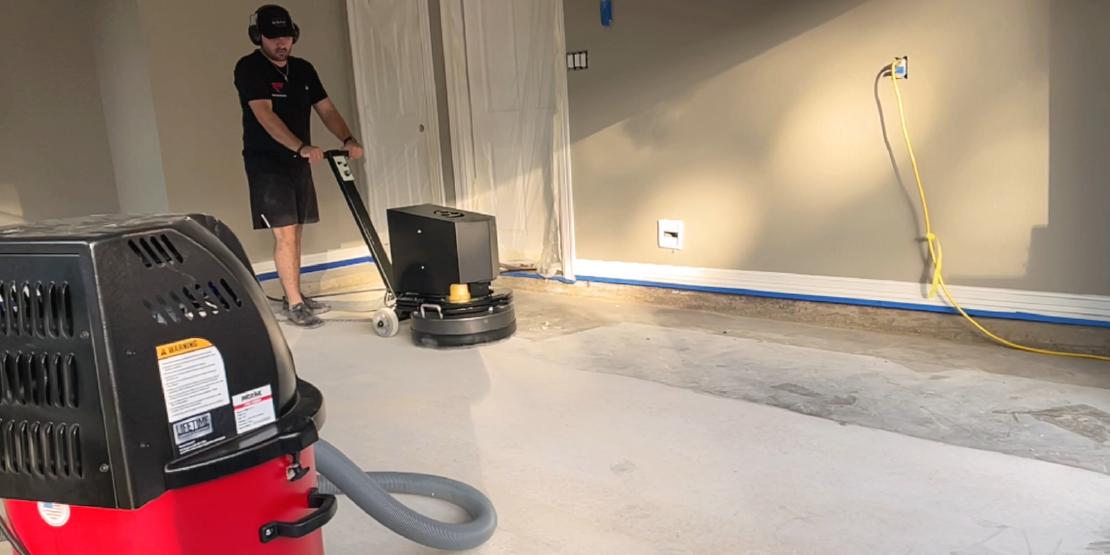
Choosing the right commercial flooring contractor can critically influence the success of your flooring project. They possess specialized knowledge about a multitude of flooring materials and are aware of the current trends in commercial flooring designs. Furthermore, they also have access to professional-grade equipment, which can guarantee a high-quality and durable finish.
It is imperative to select a commercial flooring contractor with proven experience in the industry. Particularly those who understand the unique needs and requirements of a business space and have the capability to efficiently incorporate company branding into the floor design. Additionally, contractors who offer eco-friendly flooring solutions give businesses the opportunity to align their operations with sustainability goals and advocate for environmental responsibility.
What are the key aspects to consider when understanding commercial floor aesthetics?
The key aspects to consider include the design, color, texture, pattern, and material of the flooring. It’s also crucial to consider how lighting can enhance the floor design, and how the design can be eco-friendly and incorporate the company’s branding.
Why is aesthetic flooring important in business spaces?
Aesthetic flooring contributes to the overall look and feel of a business space, impacts customer perceptions, and can even enhance employee productivity. It also allows businesses to express their brand identity.
How can I explore various designs for my business flooring?
You can consult with a professional commercial flooring contractor, who will have a wide array of designs and materials for you to choose from. They can guide you on what would work best for your specific business space.
What is the role of colors in commercial flooring?
Colors in commercial flooring can help to set the mood, evoke emotions, and reflect your brand identity. They can also influence perceptions of space; lighter colors can make a room appear larger, while darker colors can create a cozier atmosphere.
How important is the choice of material in commercial flooring aesthetics?
The choice of material is crucial as it directly impacts the appearance, durability, maintenance requirements, and cost of your commercial flooring.
Can lighting enhance commercial flooring design?
Yes, appropriate lighting can highlight the design, color, and texture of your flooring, thereby enhancing its aesthetic appeal.
What are some eco-friendly flooring choices for businesses?
Some eco-friendly flooring options include bamboo, cork, reclaimed wood, and recycled rubber.
How can I incorporate my company branding into my floor designs?
You can incorporate your branding through the use of specific colors, patterns, and logos. A professional flooring contractor can assist you with this.
What should I consider for maintenance and durability of aesthetic flooring?
You should consider the type of material, its resistance to wear and tear, and the cleaning protocols it requires.
Can you provide examples of successful commercial flooring designs?
While this may vary by article, case studies often highlight innovative and effective use of design, color, texture, and branding elements in commercial flooring.
What are the current trends in commercial flooring design?
Current trends may include eco-friendly materials, open floor plans, bold colors, and unique, customized designs.
How can I hire a professional commercial flooring contractor?
You can hire a professional commercial flooring contractor by researching local businesses, checking their credentials and portfolio, and obtaining quotes. Ensure they have experience in commercial flooring to guarantee the best result for your business space.