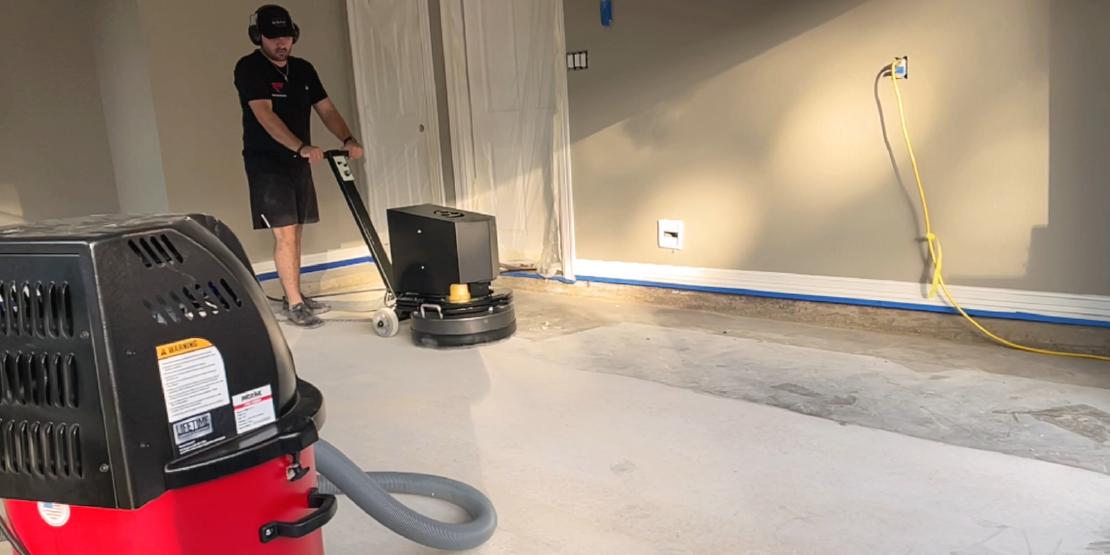

Design Ideas for Custom Garage Floors
Understanding Custom Garage Flooring
Custom garage flooring serves as an intensive upgrade over the usual gray, drab concrete floor found in most garages. This customized flooring isn’t just meant for aesthetic appeal — it comes with an incredible range of practical benefits as well. Whether your garage serves as a basic utility room, a workspace, or even an entertainment area, the right customized flooring can greatly enhance its function and appearance.
Some of the most appealing features of custom garage flooring includes its high degree of durability, stain resistance, moisture resistance, and easy maintenance. Various materials can be chosen to suit the specific needs and budget requirements. From epoxy and polyaspartic coatings to interlocking floor tiles and roll-out mats, each option offers unique benefits. Color palettes and patterns are other elements you can customize to reflect your personal taste and style.
Benefits of Customizing Your Garage Floor
Customizing your garage flooring provides you with several benefits. One key advantage is the enhanced appearance it provides. As a homeowner, you desire a space that is not only functional but also aesthetically pleasing. Personalizing the floor of your garage allows you to match it with your home’s interior design or to stand out with a unique pattern or texture. This way, every time you enter your garage, you’re greeted by flooring that is visually appealing and fits your style.
Moreover, custom flooring can make your garage a safer environment. Through customization, you can choose materials that offer benefits such as higher durability, slip-resistance, and easy-clean surfaces. This not only ensures that the flooring withstands the test of time and frequent use, but it also reduces the risk of accidents. This highlights that custom garage flooring plays a vital role in both enhancing how your garage looks and improving its usability and safety.
Selecting the Right Material for Your Garage Floor
When it comes to the transformation of your garage space, the choice of flooring material plays a crucial role. Two main factors to consider are the specific use of the garage and the climatic conditions. There are several types of materials available on the market: concrete, epoxy, polyaspartic, and rubber, among others. Each of these materials has its own set of qualities, strengths, and drawbacks. Your selection will depend on your personal preference, budget, and how you plan to use the garage.
Consider the resistance of the material to different potentially damaging factors. Garage flooring should be oil and grease resistant, hard-wearing, and capable of withstanding heavy loads. Concrete is a popular choice due to its strength and durability, while epoxy and polyaspartic flooring offer excellent resistance to chemicals and stains. At the same time, rubber and vinyl flooring offer cushioning that can protect tools or equipment from damage if dropped. It’s also worth noting that epoxy, polyaspartic coatings, and vinyl tiles offer more customization options in terms of colors and patterns. Conduct thorough research and consultation with a professional to ensure you choose a material that meets your specific needs.
Exploring Different Color Options for Garage Flooring
Possibly one of the most exciting steps in customizing your garage floor is choosing the perfect color. With a wide range of options available, homeowners have the freedom to select shades that best suit their taste and style. Concrete epoxy floors, for example, are available in a vast color palette, from neutral tones like grey or beige to bold, eye-catching colors like sapphire blue or fiery red. Whether you want your garage floor to blend in with the overall scheme of your home or to stand out as a separate creative space, your color choices can make a significant difference.
The chosen color not only has an impact on the overall aesthetic of the garage but also affects its functionality. Light colors are known to make spaces appear larger and brighter, while dark colors give an impression of a more compact and cozy space. Additionally, lighter colors tend to be more efficient in hiding dust and dirt than darker ones. Therefore, color selection needs to be an informed decision encompassing factors like garage size, available natural light, intended use of the garage, and maintenance requirements rather than just a personal favorite.
Incorporating Patterns and Textures into Your Garage Floor
Creating a custom garage flooring goes beyond just selecting the right color. A distinctive and dynamic result can also be achieved by introducing unique patterns and textures. This can significantly contribute to the overall visual appeal, create a lasting impression on visitors, and stand out from the standard or traditional garage floors. Some popular patterns include checkerboard designs, diamond plate patterns, and even distinct patterns such as graffiti art or specific brand logos.
The introduction of texture takes your garage flooring design to the next level. Textures not only add depth and character but also serve a practical purpose. They can provide added traction, reduce slipperiness, and assist in hiding small dents or scratches, making the floor appear cleaner and well maintained. Common textures include smooth finishes, textured paint, epoxy flakes, and various forms of rubber flooring. Moreover, textured garage floors are specifically beneficial in regions with frequent rain or snow, offering superior grip, and reducing accident risks.
The Role of Lighting in Highlighting Your Garage Floor
Strategic use of lighting can significantly enhance the aesthetic appeal of a custom garage floor. Aptly placed, it can draw attention to unique patterns, textures, or colors, thus making the floor a focal point. Also, lighting plays an integral role in improving safety, making it easier to maneuver around the garage. Subtle LED lighting along the edges or under cabinets can throw just the right amount of light to accentuate the floor aesthetics, without being overly bright. A wisely selected combination of general, task, and accent lighting can contribute to a more functional and visually appealing garage space.
Investing in high-quality, energy-efficient lighting not only saves costs in the long run but also creates a more sustainable home environment. Furthermore, lighting fixtures should be selected considering the color and finish of the floor. For instance, if you’ve chosen a dark color for the floor, you might need more powerful lighting to make the space appear bright and spacious. Conversely, a light-colored floor can be complemented with cozy, dimmed lights. Hence, lighting complements custom garage flooring, turning the once overlooked area into a visually striking element of the house.
Innovative Use of Space: Garage Flooring and Storage Solutions
Garage flooring plays a vital role in maximizing the space utilization in your garage. Often overlooked, the floor provides an ideal ground for installing various storage solutions. Incorporating storage options into your custom garage floor elevates the functionality of the space, thereby optimizing storage capacity. Selection of the right materials and incorporating innovative storage ideas, such as in-floor compartments and flush-mounted bins, can save enormous amounts of space, providing a clean and clutter-free environment.
Another unique concept in space management involves the use of overhead storage solutions. Raising the storage up off the floor saves valuable ground space, and when aesthetically coordinated with the choice of garage floor finish, it lends a cohesive look to the garage. Therefore, while choosing your custom garage flooring solution, considering it as a part of overall garage design can open up possibilities for innovative space management, offering a seamless blend of aesthetics and functionality.
The Impact of Garage Floor Finish on Aesthetics
When creating a visually striking garage floor, the finish used can drastically change both the aesthetic appeal and the overall ambiance. Different finishes offer diverse reflective capabilities which can contour and enhance the visual perspective of the space. Matte finishes, for example, provide a muted and subdued look, absorbing light to create depth. On the other hand, a high gloss finish can induce a dramatic and sharp look, reflecting light off the surface and highlighting the vibrancy of the underlying colors. These different elements, when carefully considered, can greatly accent the features of your custom garage floor, magnifying its aesthetic impact.
Moreover, the finish of the floor can also contribute to the visual illusion of space. A carefully chosen finish can help create the perception of a larger or more open garage, an effect not to be underestimated in smaller spaces. A smooth, glossy finish can create a reflective surface that makes a garage appear more spacious. Contrastingly, a textured or matte finish can give a cozy and compact feel. By offering a balance between visual appeal and spatial perception, the impact of garage floor finish on aesthetics is utterly transformative.
Balancing Functionality and Aesthetics in Garage Flooring
When planning a garage makeover, a crucial aspect to consider is the balance between functionality and aesthetics. Reinventing a garage floor is not merely about incorporating attractive colors and patterns. It’s about ensuring the floor surface can stand up to daily wear and tear while still looking appealing. It is a delicate process that involves considering both the practical needs of the space and the desired aesthetic outcome.
Several factors contribute to creating a functional yet appealing garage floor. The choice of material plays a big role. Concrete, epoxy or tiles, each has its distinct durability and visual impact. Color and texture, too, significantly influence the overall look, yet their selections ought to be informed by usage patterns. For instance, darker shades might be preferred to hide oil stains and tire marks. On the other hand, a speckled or textured finish could add visual depth and also aid in making the floor skid-resistant. Even lighting can spotlight the beauty of your floor while serving its practical purpose. • The flooring material: Concrete, epoxy, and tiles are common options for garage floors. Each of these materials has its unique durability factor and visual appeal. For example, concrete is known for its strength and longevity but may lack in aesthetic value unless treated with a decorative overlay or stain. Epoxy offers a balance between durability and design flexibility as it can be mixed with different colors to create attractive patterns on the floor.
• Color selection: The color of the garage floor plays a significant role in defining its look. Darker shades might be preferred if you anticipate regular oil spills or tire marks that could tarnish lighter hues. However, lighter colors can make your garage appear more spacious and cleaner.
• Texture choice: A textured finish not only adds depth to your garage floor’s appearance but also serves practical purposes such as increasing skid resistance - crucial for safety reasons.
• Lighting considerations: Good lighting enhances both functionality and aesthetics of any space including garages. It highlights the beauty of your chosen flooring while ensuring adequate visibility during night time or in darker corners.
In conclusion, balancing functionality with aesthetics in garage flooring involves careful consideration of various factors such as material type, color choice, texture preference, and lighting arrangements. By paying attention to these aspects during planning stages will help ensure that you achieve an appealing yet functional garage space suitable for your needs.
Eco-friendly Options for Custom Garage Flooring
In the modern era, environmental sustainability has become a significant concern for many homeowners. They are consistently seeking ways to reduce their ecological footprint and contribute to a greener planet. With advancements in technology, a set of eco-friendly solutions have been developed for garage flooring. These custom flooring options not only offer a sustainable alternative to traditional methods but also provide added durability and aesthetic charm.
The first popular choice among eco-friendly garage floorings is the use of recycled rubber. This material is lauded for its exceptional durability and shock-absorbent capacity. Not only does it offer a softer landing for dropped tools, but its resilient surface also resists damage from heavy vehicle traffic. A further benefit is its insulating property, which keeps the garage warmer. Another sustainable option includes epoxy flooring, which, despite being synthetic, is considered eco-friendly due to its longevity and low-maintenance characteristics. Investing in such green materials will not only contribute to a healthier environment but could also add significant value to your property.
Maintenance Tips for Your Custom Garage Floor
Achieving the perfect aesthetic for your custom garage floor involves more than just the initial selection and installation of material. One must also commit to a set routine of proper care and maintenance to ensure the longevity and preservation of the floor’s condition. This includes regular cleanups, protective measures against heavy gear, and periodic checks for damages like cracks or wear-down surfaces. Sound maintenance habits are key to keeping your garage floor looking fresh and in perfect shape for an extended period.
Cleaning custom garage floors regularly not only maintains their aesthetic appeal, but also their functional capacity. Floors should be swept of debris daily, and be given a thorough mopping with a gentle detergent at least once a week. Whether it’s a simple concrete coating or a high-grade epoxy, all types of flooring materials benefit from consistent cleaning schedules. Moreover, placing floor mats in high-traffic areas can effectively protect your garage floor surface from unnecessary pressure and possible damage. These acts of maintenance not only preserve the floor but also enhance its durability and longevity.
Case Study: Successful Custom Garage Floor Transformations
In one project, homeowners opted for a high-grade, durable epoxy floor coating to transform their outmoded concrete garage floor. The epoxy resin enriched with color flakes not only rejuvenated the overall appeal of their garage but also enhanced the longevity and durability of the floor. The result was a stunning, clean, shining floor that left the homeowners pleased and reassured about their investment.
Another transformation of note centered around the use of customized, modular interlocking floor tiles. The homeowners were keen to convert their garage space into a multipurpose area - a fitness room and a parking space. The interlocking floor tiles, with their versatile design and color patterns, proved to be an ideal solution. They provided a stylish, resilient surface that could withstand heavy gym equipment and vehicular load. Both of these projects illustrate the exceptional results possible with custom garage floor solutions.
Next Steps: Implementing Your Garage Floor Plan
Having chosen the ideal flooring material, color, and texture that blends in with the overall décor of your garage, the next vital phase is implementation. The choice of an experienced and reputable flooring installer cannot be overemphasized. This team would ensure that the flooring material of choice is properly installed ensuring it serves its intended purpose without any early wear and tear.
In the implementation phase, it is crucial to take into account the garage’s usability during the period of installation. The timeline should be realistic, considering the need for perfection versus the inconvenience that might result from having an off-limits garage. It is advisable to work alongside the installation team for the scheduling to ensure a smooth transformation of your garage’s floor. This phase should ultimately fulfill the aspirations that led you to upgrade your garage flooring.
What is custom garage flooring?
Custom garage flooring involves tailoring the floor of your garage to your specific needs and preferences. This could involve choosing a unique material, color, finish, or pattern.
What are the benefits of customizing my garage floor?
Customizing your garage floor can improve its durability, enhance its aesthetics, increase its functionality, and allow it to better suit your lifestyle and needs.
How do I select the right material for my garage floor?
The right material for your garage floor depends on your garage’s usage. Some popular choices include concrete, epoxy, and rubber, each with their own strengths and weaknesses.
Can I choose different colors for my garage flooring?
Yes, garage flooring comes in a variety of colors. The color you choose can complement your home’s overall color scheme or reflect your personal taste.
Can patterns and textures be incorporated into a garage floor?
Yes, patterns and textures can add visual interest and improve traction on a garage floor.
What is the role of lighting in highlighting my garage floor?
Proper lighting can accentuate the color, texture, and finish of your garage floor, making it more appealing and easier to clean and maintain.
How does the garage flooring affect the storage solutions in the garage?
A well-planned garage floor can optimize the use of space and facilitate the placement and access of storage solutions.
How does the finish of a garage floor impact its aesthetics?
The finish can greatly influence the look of a garage floor. A glossy finish can make the floor look clean and high-end, while a matte finish can give a more understated and natural look.
How can I balance functionality and aesthetics in my garage flooring?
Balancing functionality and aesthetics involves considering both the practical needs of the garage (like durability and ease of cleaning) and its visual appeal.
Are there eco-friendly options for custom garage flooring?
Yes, several environmentally-friendly options are available for garage flooring, like recycled rubber tiles or water-based epoxy.
How do I maintain my custom garage floor?
Maintenance procedures vary depending on the material and finish of the floor. Regular sweeping and occasional deep cleaning, along with prompt stain removal, are generally recommended.
Can you provide examples of successful custom garage floor transformations?
Examples of successful transformations can be found in our case study section, where we detail various projects and their outcomes.
After I’ve completed my garage floor plan, what are the next steps for implementation?
Implementing your garage floor plan typically involves preparing the floor, applying the chosen material, adding desired colors or patterns, and applying a final finish. Hiring a professional is often recommended to ensure a high-quality result.