
DIY Floor Coating for Different Room Types
Understanding Floor Coating: A Primer
Floor coating refers to the application of a thin layer or layers of a material to a floor surface. This material, typically a polymer-based formulation, serves multiple purposes - reinforcement of the floor structure, aesthetic enhancement, and overall surface protection. Floor coatings exist in various types, taking into consideration surface material, interior or exterior application, and specific needs such as water-resistance or non-slip characteristics.
The process of floor coating encompasses several steps. The initial phase involves surface preparation that may include cleaning, repair, and leveling. Then, primer application follows, which helps in adhesion of the main coating. Next is the application of the coating itself, usually in multiple layers. And finally, a sealing process may be performed to ensure long-lasting durability and performance. This sequence may vary depending on the specific product and requirements of the space.
Types of Floor Coatings: An Overview
Floor coatings are available in a variety of formulations to suit varying needs and aesthetics. Epoxy coatings, for example, are lauded for their durability and resistance to wear and tear, making them suitable for high-traffic areas. These coatings also offer a high-gloss finish that can enhance the overall appearance of a space. On the other hand, polyurethane floor coatings are popularly used in spaces where UV stability is required as they resist yellowing caused by sun exposure.
Additionally, homeowners and business owners may opt for acrylic coatings for a fast-drying and cost-effective solution. These coatings come in a myriad of colors, providing ample options for customization. For those seeking an eco-friendly option, polyaspartic floor coatings stand out. Derived from petroleum, these coatings are low in volatile organic compounds (VOCs), making them an environmentally conscious choice. Regardless of the type chosen, all floor coatings enhance the lifespan and aesthetics of floors while providing added safety features such as slip resistance.
Why You Should Consider Floor Coatings
Floor coatings should be a key consideration for homeowners and business owners alike due to the numerous benefits they offer. One of the primary advantages of floor coatings is their role in enhancing the resistant properties of the floor. These coatings make the floors resistant to wear and tear, stains, and damage from chemicals, extending the life of the floor material considerably. Additionally, they offer a significant safety advantage by preventing slips and falls, which can be especially prevalent in environments where floors are often exposed to moisture.
Another valid reason to consider floor coatings is the improvement aspect they bring to aesthetics. An array of available choices in terms of colors and designs can transform an otherwise plain floor into an attractive feature of the room, enhancing its overall appeal. Furthermore, these coatings do not require sophisticated maintenance procedures. Regular sweeping or mopping can suffice, making them an economical choice in the long run. Last but not least, floor coating projects can contribute significantly to environmental sustainability due to their potential for prolonging the lifespan of the floor material, thereby reducing the need for frequent replacement.
Choosing the Right Floor Coating for Your Space
Making the right decision when it comes to floor coating demands careful attention to a variety of factors. The purpose and use of the space, along with design considerations, largely influence the selection. Different areas of a home or commercial space might require different types of coatings, and weighing the pros and cons of each is integral to making an informed choice. From epoxy coatings known for their durability and resistance, to polyurethane options lauded for their ability to withstand heavy foot traffic – it’s crucial to accurately identify the unique needs of your space.
Worthwhile to mention, budget is another significant consideration while choosing floor coatings. The most expensive option isn’t necessarily the best one and a more economical choice might be better suited for your needs. To balance aesthetics, durability, and cost, seeking professional advice can be a beneficial strategy. Remember, the goal is not only to enhance the look of your floors, but also to provide a functional solution that stands up to wear and tear for years to come.
Floor Coating for Living Areas: Ideas and Tips
Living areas, including living rooms, bedrooms, and offices, demand a balance between aesthetics and functionality when it comes to floor coatings. The type of floor coating selected drastically impacts the overall ambiance of the place, while ensuring longevity and ease of maintenance. Whether you’re inclined towards the high-end allure of epoxy coatings or the rustic feel of polished concrete, your choice should reflect both your personal style and your room’s usage.
Epoxy floor coatings have gained immense popularity for home living spaces due to their durability and glossy finish. They come in a vast palette of colors, and with optional decorative flake and quartz finishes, making every floor unique. Another sturdy option is polyurethane floor coating which boasts incredible resistance to scuffs and scratches, making it perfect for high-traffic areas. For those wanting a more natural look, concrete coatings with stains or sealers provide rustic charm, while remaining highly resistant to wear and tear.
Floor Coating for Kitchens and Dining Spaces: Recommendations
Arguably, the most used and busiest spaces in any home are the kitchens and dining areas. Since these spaces are subjected to high foot traffic, spills, and temperature variations, it is crucial to ensure they are equipped with a highly durable, safe, and easy-to-clean floor coating. Among the multitude of options, epoxy resin is often recommended as the go-to choice for these spaces. Epoxy resin delivers industry-grade toughness that can withstand heavy usage, combined with an easily cleanable surface that aids in maintaining the hygiene of your kitchen and dining space.
In addition to its functional benefits, epoxy floor coating also comes in a variety of finishes and color options, making it a perfect fit for kitchens and dining areas of all style aesthetics. Many people opt for a seamless high-gloss finish in neutral colors to give their space a sleek, modern look. Meanwhile, others may choose a matte finish with a bold color palette to add a striking visual aspect. Make sure to consider these style choices along with functionality when choosing your kitchen and dining space floor coating, ideally with the help of a professional to guarantee long-lasting results.
Floor Coating for Bathrooms: Safe and Stylish Options
Transforming bathrooms into safe and stylish havens can be achieved effortlessly with the right floor coating. Among the numerous options available in the market, slip-resistant coatings are vitally essential for bathrooms. They provide an extra level of safety by reducing the risk of accidents caused by slippery surfaces - a common hazard in these high-moisture areas. These types of coatings, available in various finishes and shades, encourage the perfect blend of safety and style, contributing to an aesthetically pleasing bathroom without compromising on safety.
There’s a rainbow of color options when it comes to designing stylish bathroom flooring. Bold, vibrant hues can breathe life into a monochromatic palette while muted tones work harmoniously with a minimalist design approach. But, applying floor coatings becomes more than just an exercise in visual appeal; it’s also an opportunity to infuse elements of durability. Epoxy coatings, esteemed for their robust qualities, are commonly utilized in bathrooms. They’re resilient, long-lasting, and they can withstand consistent exposure to moisture, chemicals and heat, making them an ideal choice for bathrooms. • Epoxy Coatings: These are a popular choice for bathroom floor coatings due to their robust and resilient nature. They can handle consistent exposure to moisture, chemicals, and heat without losing their luster or effectiveness. Available in various colors and finishes, epoxy coatings offer a balance of style and durability.
• Slip-Resistant Coatings: As bathrooms are high-moisture areas where slips often occur, slip-resistant coatings become an essential safety feature. They reduce the risk of accidents while also offering an array of aesthetic choices.
• Colorful Options: Bathroom floor coating doesn’t have to be dull; there’s a rainbow of color options available. Bold hues can add vibrancy to monochromatic palettes while muted tones complement minimalist design approaches.
• Versatility in Design: Floor coatings come in different shades and finishes that cater to varying tastes and styles. Whether it’s glossy or matte finish you’re after or bright or subdued colors you prefer, there is something for everyone.
• Safety Meets Style: The right floor coating not only ensures safety by minimizing slipping hazards but also contributes significantly towards achieving an aesthetically pleasing bathroom space.
In conclusion, choosing the perfect floor coating for your bathroom involves considering both its practicality as well as visual appeal. The best choice would provide excellent resistance against slips and falls while enhancing the overall look of your bathroom with its attractive finish.
Floor Coating for Outdoor Spaces: A Guide
Outdoor floor coating is vital for enhancing the durability, aesthetics, and function of exterior spaces. From resisting external elements to providing a safe and comfortable surface for outdoor activities, the right floor coating can transform the overall experience of an outdoor area. Multiple factors come into play while choosing an outdoor floor coating; these include environmental conditions, the purpose of space, expected foot traffic, and personal taste.
The variety of outdoor floor coatings include epoxy, polyurethane, acrylic sealers, and natural stone, among others. Epoxy coatings are prized for their robustness and resistance to harsh conditions, making them ideal for outdoor areas expected to endure heavy usage. Polyurethane coatings provide excellent UV protection and maintain color while also resisting scratches and chemicals. On the other hand, acrylic sealers provide decent protection at a more budget-friendly price point but may require more frequent maintenance. Lastly, natural stone coatings offer a luxury option, with a unique look that blends seamlessly into natural surroundings, but they do demand a higher initial investment.
Materials Needed for a Successful Floor Coating Project
Before initiating your floor coating project, a handful of essential materials are a must-have. First and foremost, primer is crucial to ensure a smooth and long-lasting finish by providing a suitable base for the coating. Depending on the type of floor and coating, epoxy, polyurethane, or acrylic primers are commonly used. The specific floor coating product, which can be epoxy, polyurethane, or others, forms the subsequent layer. Furthermore, rollers, brushes, or sprayers will serve as application tools.
Still, the needful materials aren’t just limited to these. Personal protective equipment (PPE) including gloves, safety glasses, and respirators are vital to ensure the safety of the person applying the coating. A moisture test kit is often recommended before the coating application to verify that the floor is dry enough. Lastly, cleaning materials, such as a broom, mop, and vacuum, are necessary for prepping the flooring prior to the application of the coating, and for maintenance post-project.
Step-by-Step Guide to Applying Floor Coating
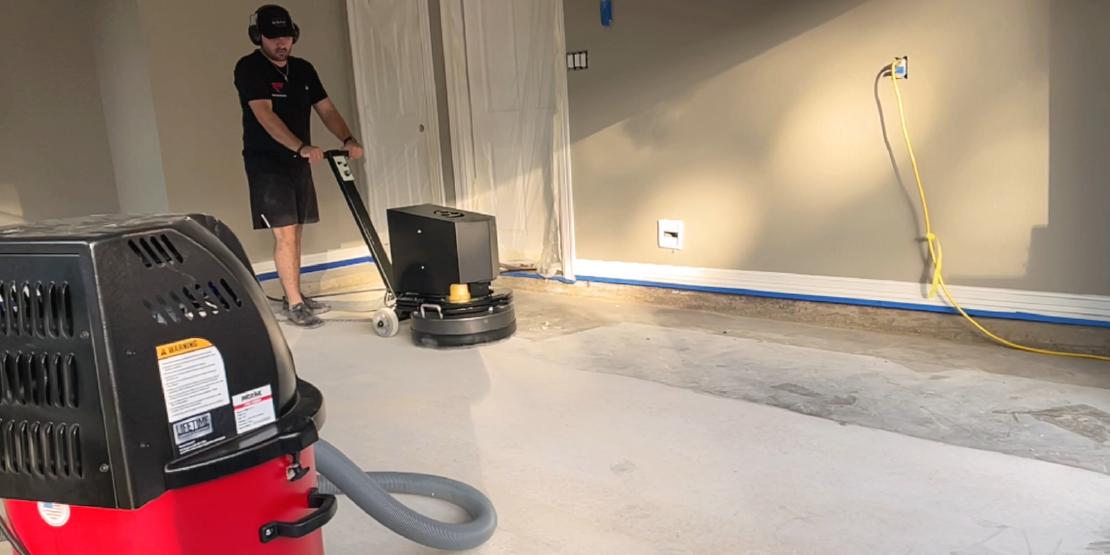
The process of applying floor coating starts with a critical first step, which is the preparation of the floor surface. The floor should be thoroughly cleaned and any existing coatings or stains should be stripped off. Any cracks, holes, or damaged areas need to be filled and sanded down to ensure a smooth and even base. This step is crucial as the quality of the finished product fundamentally depends on this thorough preparation of the floor.
Once the floor is prepared, the coating can be applied. It’s important to follow the manufacturer’s recommendations regarding the suitable ambient and floor temperatures for the application, as these can significantly affect the performance and the lifespan of the coating. Using a roller or brush, the coating should be applied in thin, even layers, allowing sufficient drying time between each layer. Remember to always apply the coating in the direction of the wood grain in case of wooden floors. This method helps to achieve an even, professional-looking finish. Regularly inspect the coated floor for any missed spots or drips, rectifying them before the coating dries.
Caring for Your Newly Coated Floors: Maintenance Tips
Once your floors have received a fresh coating, proper maintenance is crucial to preserve their appearance and extend their lifespan. However, care for these surfaces does not have to be excessively burdensome. Depending on the type of coating used, specific maintenance protocols may vary, but there are general rules to follow. The key aspects involve daily cleaning, timely stain removal, and regular professional check-ups.
Daily cleaning helps keep your floors always looking their best, but it needn’t be complicated. A simple sweep or vacuum can take care of most dirt, dust, and debris that could potentially scratch the surface of your coated floors. In case of liquid spills, timely action is of paramount importance. Stain removal, especially for lighter colored floors, should be done promptly to prevent permanent discoloration. Relying on manufacturer-recommended cleaning products is advisable to avoid damage to the coating. Scheduling professional check-ups at least once a year can help assess your floor’s condition and suggest preventative measures or repairs if necessary.
Potential Challenges and Solutions in Floor Coating Projects
Embarking on a floor coating project brings along certain challenges and obstacles. The most common problem lies in the initial stage, improper floor preparation. Often, DIY enthusiasts or even inexperienced professionals fail to properly clean and prep the floor before the application of the coating. Oily stains or existing coatings can adversely affect adhesion, leading to peeling, flaking or cracking of the new coating. Another prevalent issue is choosing the wrong type of coating for the floor material. Substances like vinyl or laminate have specific requirements that must be addressed to ensure durability and a pleasing aesthetic.
To combat these issues, the first step should always involve thorough floor cleaning and preparation. This could be done using industrial cleaning solutions or a professional cleaning service to ensure no residue remains. Appropriate selection of the floor coating is crucial. Concrete floors, for instance, can benefit from epoxy coatings, while tiles might need a clear sealant. Additionally, when unsure, consulting with a professional can save time and avoid costly mistakes. Following manufacturer’s guidelines for application and curing times are pivotal to ensure a seamless and durable finish. Together, a diligent preparation process and informed decision-making can efficiently mitigate common floor coating challenges.
Benefits of Floor Coating: A Case for Home Improvement
Floor coatings present a myriad of benefits that go unnoticed among homeowners who prioritize aesthetics over functionality. They elevate the structural integrity of floors immensely, protecting them from wear and tear and drastically prolonging their lifespan. With numerous material options available, each offering unique selling points, the floor can be armored against specific threats such as moisture, impact damage, or even bacterial growth. Indeed, the everyday homeowner can find immense value in these underrated tools of home improvement.
Not only do floor coatings offer essential protection, but they also provide an avenue for aesthetic enhancement. Available in various colors, textures, and finishes, these add a touch of personalized aesthetics to the space. Thus, playing a dual role of functionality and beauty, they enhance the home’s overall value. Especially important for individuals planning to sell their properties, a well-coated floor can significantly amp up the market value of a home, making floor coatings a solid investment in home improvement.
What is floor coating?
Floor coating is a protective layer applied over a floor’s surface to increase its durability, improve its aesthetic appeal, and make it easier to clean and maintain.
What are the different types of floor coatings?
There are various types of floor coatings including epoxy, polyurethane, acrylic, and polyaspartic coatings. Each has its own unique properties suitable for different types of floors and uses.
Why should I consider floor coatings for my home?
Floor coatings not only enhance the aesthetic appeal of your home but also increase the lifespan of your floors by providing protection against scratches, stains, and damage. They also make your floors easier to clean and maintain.
How do I choose the right floor coating for my space?
Choosing the right floor coating depends on several factors including the type of floor you have, the room’s use, and your personal style and preference. It’s best to consult with a professional to make an informed decision.
Are there specific recommendations for floor coatings in kitchens and dining spaces?
Yes, for kitchens and dining spaces, it’s advisable to choose a floor coating that is resistant to stains, spills, and heavy traffic.
What are some safe and stylish floor coating options for bathrooms?
Epoxy and non-slip polyurethane coatings are often recommended for bathrooms because they provide excellent water resistance and can prevent slipping.
What materials do I need for a successful floor coating project?
You’ll need the chosen floor coating, a primer (if necessary), tools for application such as rollers or brushes, protective equipment like gloves and goggles, and cleaning supplies.
How do I apply floor coating?
The process of applying floor coating typically involves cleaning and preparing the surface, applying a primer (if necessary), applying the coating, and then allowing it to dry. The exact process can vary depending on the type of coating used.
How do I maintain my newly coated floors?
Regular cleaning with products compatible with your floor coating, immediate cleanup of spills, and avoiding the use of harsh chemicals can help maintain your coated floors.
What are some potential challenges in floor coating projects?
Potential challenges might include surface preparation, choosing the right coating, and ensuring proper application. These can be mitigated by consulting with professionals or doing thorough research before starting the project.
Can floor coatings contribute to home improvement?
Absolutely, floor coatings can dramatically improve the look of your floors, making them more aesthetically pleasing, durable, and easy to maintain, thus enhancing the overall value of your home.