
DIY Floor Coating Projects: Tips and Tricks
Understanding Floor Coating Basics
Floor coating is a crucial aspect of both residential and commercial construction and design. Not only can it enhance the aesthetic appeal of a space, but it also provides longevity and durability to floors, protecting them from wear and tear. The process involves applying a specific type of finish over a floor surface, thereby creating a protective layer. Different types of coatings are available, including epoxy, polyurethane, and acrylic, each with their unique properties and benefits.
Before diving into the floor coating process, it is vital to understand the basics. The floor coating’s purpose is to deliver an extra layer of protection to the underlying surface. For instance, in a garage setting, it safeguards the concrete from oil spills, tire marks, and chemical damage. In a residential context, it can significantly improve the floor’s longevity, reducing the need for replacements and repairs. Recognizing the type of coating suitable for a particular environment or use can greatly impact the longevity and overall appearance of the floor surface.
Selecting the Right Floor Coating
The selection of an appropriate floor coating is critical as it has substantial impacts on not only the aesthetics but also the functionality and longevity of the flooring. An optimal coating bestows the floor with a plethora of benefits such as resistance against wear and tear, protection against stains and moisture, and reduced maintenance costs. Each type of floor coating has unique characteristics, and failure to choose the right product may result in subpar performance or even damage the flooring.
Several significant factors should be considered to make the best selection. Firstly, it’s important to evaluate the nature of the floor material, whether it be concrete, wood, or another type. Each requires a different type of coating due to their varied properties. Additionally, the intended use of the space – whether it’s residential, commercial, or industrial – often dictates suitable coating options. A playroom may benefit from a vibrant and durable latex paint, while a high-traffic commercial area may need a robust polyurethane or epoxy coating. Other factors to consider include the local climate and weather conditions, as well as any specific needs or preferences. For instance, in areas with high humidity or moisture exposure, a waterproof coating might be necessary.
• The Floor Material: Understanding your floor material is crucial. Concrete floors may require an epoxy or polyurea coating for durability and resistance against chemicals. On the other hand, wood flooring often benefits from varnish or oil-based coatings that enhance its natural beauty while providing protection.
- Concrete Floors: Epoxy, Polyurea
- Wood Floors: Varnish, Oil-Based Coatings
• Intended Use of Space: Consider how you plan to use the space when choosing a floor coating. - Residential Spaces (e.g., playrooms): Latex paint offers vibrant colors and easy clean-up. - Commercial Spaces (e.g., retail stores): A robust polyurethane coat can withstand heavy foot traffic. - Industrial Spaces (e.g., factories): An epoxy coating provides excellent chemical resistance.
• Local Climate & Weather Conditions: Your location’s climate should influence your decision on which type of floor coating to use. - High Humidity Areas: Waterproof coatings are essential in preventing damage caused by moisture accumulation. - Cold Climates: Choose a product that can resist cracking due to temperature fluctuations.
• Specific Needs/Preferences: Personal taste will also play into your choice of floor covering. Whether you prefer glossy finishes over matte ones or have certain color preferences – these details matter too!
In conclusion, selecting the right floor coating involves careful consideration of various factors including the nature of your flooring material itself, intended usage area along with climatic conditions surrounding it and personal preference regarding aesthetic appeal. By taking all these aspects into account one can ensure their chosen product not only enhances look but also extends life span of their flooring investment.
Preparation Steps before Applying Floor Coating
The process of applying a floor coating begins with surface preparation. This crucial stage ensures your floor achieves optimal adhesion with the coating for a smooth and durable finish. Your floor surface must be clean, dry, and free from any form of contaminants such as oil, grease, dust, and previous coatings. The use of degreasers, floor scrubbers, power washers are quite effective in achieving this. Remember, neglecting thorough surface cleaning can lead to a subpar coating application that may peel and crack prematurely.
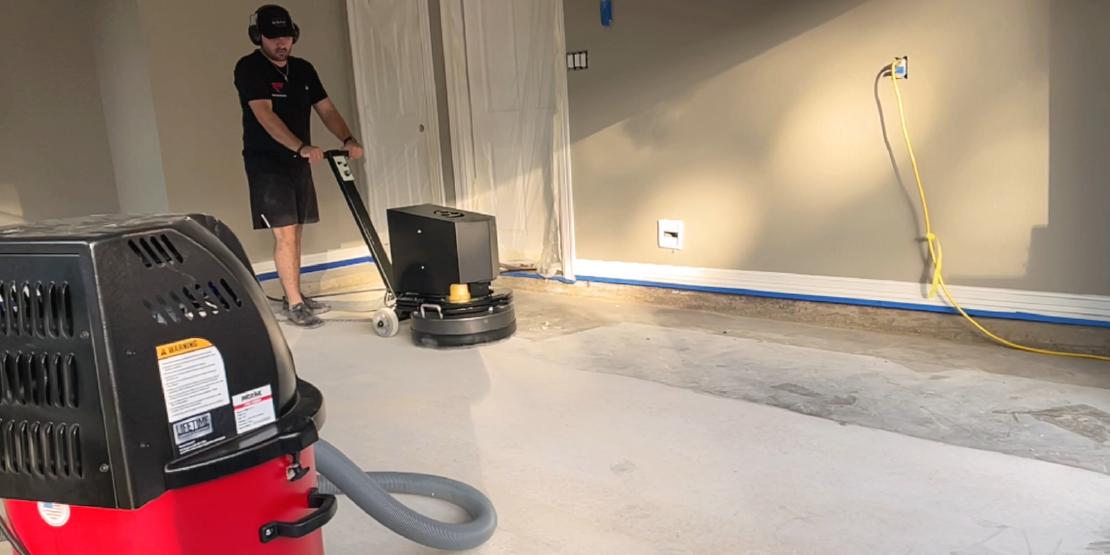
Following an intense cleaning regime, surface profiling or etching is the next critical step. This process involves creating a slightly rough surface texture to increase mechanical adhesion between the floor and the coating. Acid etching or diamond grinding are the most common methods employed for this purpose. Care must be taken to uniformly etch the entire surface area to avoid uneven application. Once the profiling is complete, a final cleaning is necessary to remove any remaining contaminants and loose materials-providing a perfect canvas for the coating application.
Essential Tools for a Floor Coating Project
Before embarking on a floor coating project, you must ensure that you have the right set of tools. The first essential tool is the floor grinder or sander, which readies the floor for coating by creating a slightly rough texture. This helps the coating adhere better to the floor surface. Besides, you’ll need a high-quality roller to apply the coating evenly. Using a roller with a long handle is advisable, as it saves you from excessive bending and guarantees a more uniform application.
Apart from these, protective gear is also paramount for a floor coating project. A good pair of kneepads will protect your joints during the often-kneeling tasks. Don’t forget safety glasses and masks as they protect your eyes and lungs from the dust and debris produced throughout the process. Lastly, spatulas and trowels are handy for filling cracks and mixing coating material. Remember, having the essential tools not only simplifies the work but increases the chances of a satisfactory outcome.
Effective Cleaning Techniques for Floor Coating
Consistent cleanliness and proper maintenance are the cornerstones of long-lasting floor coating. Over time, dirt, grime, and debris can settle onto the coated surface, compromising its shine and aesthetic appeal. In severe cases, these minor contaminants may even begin to erode the coating, reducing its lifespan dramatically. Therefore, it’s essential to routinely clean your coated floors, employing strategies that are both effective and gentle, to preserve their good condition and visually pleasing appearance.
Among the numerous cleaning techniques, sweeping and vacuuming stand out as the most basic yet crucial. Regularly performing these tasks helps keep loose debris off the floor, lowering the risks of scratches or damages to the coating. Additionally, wet mopping with a pH-neutral cleaner is recommended for a more thorough clean. It’s equally important to avoid using harsh chemicals or abrasive tools, as these may strip the protective layers of the coating. Following these guidelines will ensure a sustainable cleaning routine that keeps your floor coating in ideal condition.
How to Properly Mix Floor Coating
Achieving a consistent and durable floor coating relies heavily on the proper mixing of the coating product. It’s a task that requires careful attention to the manufacturer’s instructions and specifications. A balanced mixture will not only ensure a smoother application process but also enhance the longevity of the coating. Hence, it’s crucial to get it right from the start.
Begin the process by pouring the required amount of part A (resin) into a clean container. Make sure that the quantities perfectly match those specified by the manufacturer. Next, add part B (hardener) to the same container. Using a mechanical mixer or drill with a mixing paddle, thoroughly combine the ingredients for the recommended amount of time. Monitor your speed to avoid introducing air into the mixture, which may result in bubbles on your coated floor. Lastly, allow your mixture to rest for a few minutes (induction time) for the components to interact correctly. This step is crucial to achieving the desired result.
Techniques to Apply Floor Coating Smoothly
Applying floor coating smoothly can significantly influence the overall finish of the flooring. It is a skill that requires mastery and a keen understanding of the basic techniques involved. The fundamental strategy lies in taking measured steps and making deliberate overlapping patterns. This allows for an even distribution of the coating. Utilizing essential tools like brushes and rollers can further aid in finishing the coating process with fewer mar lines and minimal unevenness.
The importance of maintaining a wet edge cannot be overstressed in achieving a smoother finish. This technique requires the applicator to start from one corner of the room and proceed inward, systematically. The strategy here is to never allow the edge of the coating being applied to dry out. As a result, the next batch of coating merges seamlessly with the previous one, resulting in a flawless, smooth finish. Additionally, curing time plays a critical role in ensuring the smoothness and longevity of the coated surface.
Common Mistakes to Avoid When Coating Your Floor
Ensuring a flawless floor coating relies heavily on preparations and the application process. One common mistake is neglecting to properly clean and prepare the surface before applying the coating. Even a speck of dust, debris, or residual moisture can compromise the adhesion of the coating to the floor. As a result, it could lead to bubbling, peeling, or an uneven finish.
Another frequent misstep is using incorrect or poor-quality tools, leading to streaks and uneven application. For example, using a regular paintbrush instead of a high-quality roller can result in visible brush marks on the finished floor. Similarly, rushing the drying and curing process can lead to poor adhesion and durability. Patience is key: allow adequate time for each coat to dry thoroughly before applying the next layer.
Maintaining a Wet Edge: Why it Matters
Maintaining a wet edge is a crucial aspect when applying a floor coating. Often overlooked, it is a fundamental technique to ensure a seamless, professional-looking finish. This process refers to the practice of keeping the edge of your coating wet at all times during the application. In other words, it involves spreading new, wet paint into the previously applied wet paint, essentially blending the two for a smooth, unified look.
Ignoring the maintenance of a wet edge can result in noticeable overlaps, streaks or lines, also known as a “lap mark,” which can detract from the overall aesthetic of your floor. This is because once the edge of the coating dries and then is overlapped with another application of the coating, the layers can no longer properly bond. Therefore, maintaining a wet edge ensures a high-quality, even finish across the entire surface. This technique is not difficult to apply, but it demands a consistent, patient approach and timely execution to achieve optimal results.
How to Handle Bubbles and Other Imperfections
During the application of floor coatings, issues such as bubbles and other imperfections may arise. Often these flaws are caused by environmental factors such as excessive heat, wind, or an improper mix of the coating solution. Trapped air or gas in the concrete can also create bubbles when they release during the curing process. Additionally, applying the coating too thick or too quickly can obstruct the release of air or solvents, leading to bubbles or craters.
For effective handling of these unwanted blemishes, the right techniques matter. To prevent bubbles, ensure the floor coating mixes well and is applied evenly using the correct tools. Slower application allows for air to escape instead of becoming trapped under the coating layer. In case bubbles still form, they can be dealt with immediately using a quality spiked roller to rupture and level them. Imperfections like chipping or cracking can also be corrected using a good quality filler before the application of the floor coating. Prevention, however, is always better than the cure, thus careful application and preparation can save considerable time in the long run.
Curing Time: Understanding the Importance
Curing time is a critical aspect in the application of floor coatings that often goes unnoticed. It refers to the time required for the applied coating material to dry and harden completely. This process involves the chemical reaction between the coating constituents, leading to the hardening and strengthening of the material. Accelerating or overriding the recommended curing time can result in subpar flooring that may not demonstrate the desired hardness, may adhere poorly, or could be prone to early wear and tear.
Understanding the importance of curing time can help ensure the durability and longevity of your coated floor. Each product comes with a specific recommendation for the curing period that needs to be honored for optimal results. Generally, light foot traffic can commence after 24 hours; however, heavy furniture and vehicles should wait until a full 7 days post-application. This period allows the floor coating to fully solidify and attain its maximum hardness, thereby ensuring it can withstand heavy loads and endure with minimal maintenance and repair in the long run.
How to Maintain Your Newly Coated Floor
After the application process, the maintenance of your newly coated floor should become a mandatory practice. Consistent cleanliness is your first defense against wear and tear. Regular sweeping or vacuuming can help remove the debris that can scratch the surface over time. Immediately wipe off spills, as certain substances might react with the coating or stain the floor.
If your floor coating is epoxy-based, refrain from using soap-based cleaners as they can leave a residue, causing your floor to become slippery. Instead, opt for a hard floor cleaner that is specifically designed for coated floors. To protect the coating from tough stains or extreme friction, consider using floor mats in heavy traffic areas. To maintain the gloss and sleek finish, schedule a high-quality wax or polish at least once a year.
Troubleshooting Problems: A Guide to Common Floor Coating Issues.
Floor coating projects, while quite manageable for both seasoned professionals and DIY enthusiasts, can sometimes take a wrong turn. Encountering issues such as an uneven application, the formation of bubbles or blisters, or a failure to cure properly is not uncommon. Such problems can compromise the appearance and longevity of the floor surface, detracting from its overall aesthetics, functionality and lifespan. Yet, these issues are seldom insurmountable and can be resolved with the right combination of knowledge, tools, and techniques.
To effectively troubleshoot, one must be familiar with likely culprits behind coating problems. For instance, the formation of bubbles often results from excessive moisture, trapped air, or improper application technique. Similarly, imperfections might be traced back to poor substrate preparation, inappropriate choice of coating material, or even unfavorable environmental conditions during the application process. Understanding the common challenges that accompany floor coating projects can serve as a robust shield against potential problems, allowing for a more seamless and satisfactory outcome.
What are the basics of floor coating?
The basics of floor coating involve understanding the different types of coatings, their uses, and the surfaces they are best applied to.
How do I select the right floor coating?
Selecting the right floor coating depends on the type of surface you’re working with, the area’s usage, and your desired finish.
What preparation is required before applying floor coating?
Before applying floor coating, you need to clean the surface, repair any damages, and ensure the surface is dry and free of dust.
What tools are essential for a floor coating project?
Essential tools for a floor coating project include brushes, rollers, a paint tray, a mixer, safety gear, and cleaning materials.
How do I effectively clean before applying a floor coating?
Cleaning techniques for floor coating include sweeping, vacuuming, and washing the surface with a mild detergent, then letting it dry thoroughly.
How do I properly mix floor coating?
Floor coating can be properly mixed by using a mechanical mixer or a drill attachment, ensuring all components are combined and the mixture is smooth.
How can I apply floor coating smoothly?
Techniques for smooth floor coating application include using a roller or sprayer, maintaining a wet edge, and applying in thin, even layers.
What common mistakes should I avoid when coating my floor?
Common mistakes to avoid include not preparing the surface properly, applying the coating too thickly, or not allowing adequate curing time.
What is a wet edge and why is it important in floor coating?
Maintaining a wet edge is a technique in painting where you ensure that the edge of your paint remains wet during application to prevent lap marks. It’s important in floor coating for a smooth and uniform finish.
How do I handle bubbles and other imperfections in my floor coating?
Bubbles and other imperfections can be handled by using a roller or brush to pop them while the coating is still wet, or sanding and recoating the area once it’s dry.
Why is understanding the curing time important?
Understanding the curing time is important as it allows the coating to dry and harden properly, ensuring a durable and long-lasting finish.
How do I maintain my newly coated floor?
To maintain your newly coated floor, keep it clean, avoid heavy traffic until it’s fully cured, and reapply the coating as needed.
What are some common floor coating issues and how do I troubleshoot them?
Common floor coating issues include bubbles, peeling, and uneven finish. These can be troubleshooted by ensuring proper surface preparation, correct application techniques, and allowing adequate curing time.