
DIY Garage Floor Coating: A Step-by-Step Guide
Understanding the Importance of Floor Coating in Garages
Garages have often been overlooked when it comes to floor maintenance. Though primarily designed to house vehicles, they have evolved into utility spaces - from workstations to storage areas. However, these diverse usages, alongside harsh environmental conditions, can inflict considerable wear and tear on the floor. Floor coatings serve to mitigate this damage, enhancing the durability and longevity of your garage floors. The right floor covering can also provide an added layer of safety, reducing the risk of accidents through its anti-slip properties.
When considering aesthetics, a well-applied coating can significantly improve the look of your garage floor. This treatment helps conceal stains and minor imperfections, instantly revitalizing your space. Furthermore, it eases the cleaning process, with spills and debris easily cleared off. Notably, floor coating contributes towards the insulating properties of your garage, paving way for potential energy savings. In essence, investing in a quality floor coating elevates your garage’s function, appearance, and sustainability, making it a prudent addition for any homeowner. • The garage floor, often subjected to heavy loads and harsh conditions, can quickly deteriorate without proper maintenance. Floor coatings offer a protective layer that enhances the durability of your garage floors, ensuring they withstand these pressures for extended periods.
• Safety is paramount in any space within the home. A quality floor coating provides an anti-slip surface which significantly reduces the risk of accidents occurring in your garage. This feature is particularly beneficial when dealing with spills or wet conditions.
• Aesthetics matter even for traditionally utilitarian spaces like garages. With a well-applied floor coating, you can dramatically improve the appearance of your garage floor by concealing stains and minor imperfections. This instantly revitalizes your space, making it more appealing to use.
• Cleaning becomes much easier with a coated flooring system in place. Spills and debris are easily cleared off due to its smooth finish - saving you time on upkeep duties while maintaining a neat-looking area at all times.
• Insulation properties are another noteworthy benefit of applying a floor coating in your garage. It helps retain heat during colder months and keeps out excessive warmth during summer - potentially reducing energy consumption costs over time.
In summary, investing in quality floor coatings not only improves function but also boosts aesthetics and sustainability aspects of your garage space – indeed an essential addition worth considering for every homeowner.
Exploring Different Garage Floor Coating Options
When it comes to enhancing the durability and appearance of your garage floor, there’s a plethora of coating options available. This includes epoxy, polyaspartic, acrylic sealer, and latex paint. Each material comes with its own unique set of characteristics, benefits, and drawbacks. For instance, epoxy is held in high regard for its exceptional resistance to chemicals, stains, and abrasion. Its high-sheen finish not only looks pleasing but also provides added protection. However, it might not be the ideal choice for humid or moisture-prone areas as it can lead to delamination.
On the other hand, polyaspartic coatings offer rapid curing times, greater UV stability, and resistance against corrosion and chemicals. This makes it a suitable choice for commercial garages or garages that face heavy traffic. Nonetheless, it’s the most expensive amongst all. The acrylic sealer is a budget-friendly option, resistant to UV and provides a wet look when applied. However, its durability isn’t as good as either epoxy or polyaspartic. Lastly, if you’re searching for a simple yet effective coating, latex paint could be an ideal choice. Although it does not offer the same level of protection as others, it is user-friendly, cost-effective, and available in a variety of colors. Deciding the right coating option depends heavily on your particular garage requirements and budget.
Choosing the Right Coating Material for Your Garage Floor
There are several factors to consider when selecting the best coating material for a garage floor. Key factors include the type of vehicles or equipment stored in the garage, the amount of traffic the floor experiences, the region’s climate, and personal aesthetic preferences. Of the numerous coating materials available, you can typically choose between epoxy, polyurea, and acrylic sealer.
Epoxy is highly durable and resistant to oil stains, making it a popular choice for heavily used garages. It also provides a glossy finish that enhances the overall garage appearance. Polyurea, on the other hand, is a higher-end product. It offers superior durability and is more resistant to chemical spills and temperature changes compared to epoxy. Though more expensive, polyurea’s benefits often overshadow its cost in high-demand environments. Lastly, acrylic sealer is an economical option ideal for low-traffic garages. It is easy to apply and reapply as necessary, but it doesn’t offer the same level of sturdiness as epoxy or polyurea.
Essential Tools and Materials for Garage Floor Coating
Before embarking on any garage floor coating project, it is crucial to gather all the necessary tools and materials to ensure a smooth and efficient process. The basic but important tools include a long-handle roller for applying the primer and coating, a good quality brush for cutting in the edges, and a mixing paddle to properly mix the epoxy flooring material. A shop broom or vacuum cleaner is essential for cleaning the garage floor before starting, while mineral spirits can be handy for wiping off any spilled epoxy or cleaning tools.
The materials required for a garage floor coating project are also vital. The key material is, of course, the epoxy or polyurea coating substance, usually available in kits. Many flooring kits come with a primer, but in case it doesn’t, a compatible primer will need to be purchased separately. The inclusion of a clear topcoat will provide additional protection to the floor and enhance its look. Additionally, safety gear like gloves, goggles and masks should be part of the material list. These essential tools and materials can make the difference between a successful coating project and a disappointing outcome.
Preparing Your Garage Floor for Coating
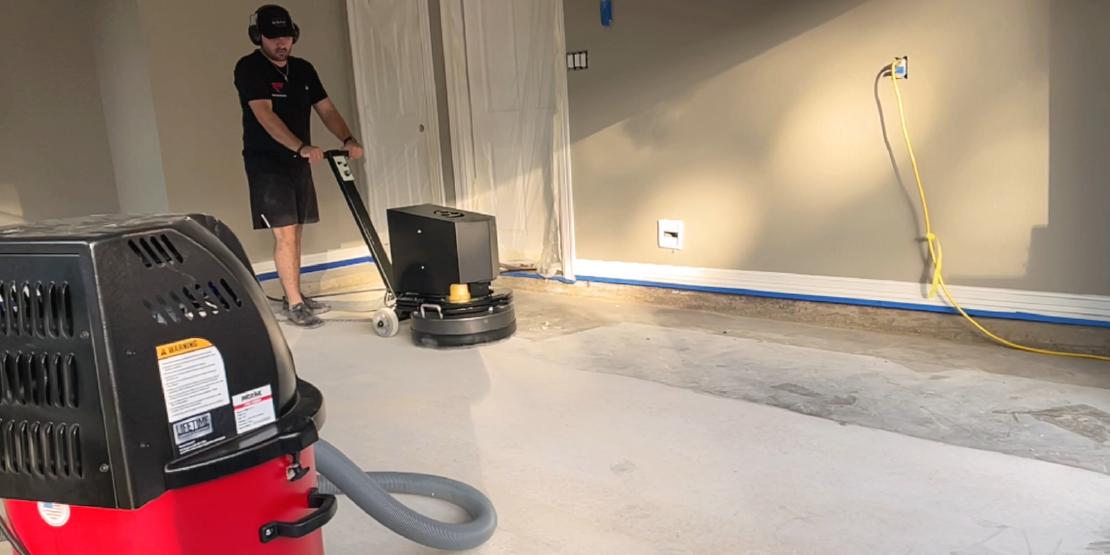
Proper preparation of your garage floor before applying a coating is absolutely crucial. It not only enhances the longevity of the coating but also ensures optimum adhesion to the floor. Without thorough preparation, you run the risk of the floor coating not adhering properly, resulting in bubbling, peeling or early degradation of the coating. It is imperative to properly clean the floor, eliminating all dirt, oil, grease or any other substances that might interfere with the bonding process.
Once the cleaning process is complete, the next important step is to repair any cracks or damages on the floor. There are many different types of repair products available in the market, including epoxy pastes and mortar compounds. Choosing the right repair product depends heavily on the type and extent of the damage. After repairs, you should consider whether your floor needs a primer before the actual coating application. Priming aids in developing an even surface and boosts the adhesion of the coating to the floor.
How to Clean Your Garage Floor Before Coating
Before initiating the process of coating, it is crucial to clean the garage floor thoroughly. Accumulating dust, dirt, grease, and oil is a common issue over months and years, which serves as a significant barrier to proper adhesion of the coating. To ensure an ideal starting surface, a proper cleaning routine involving scrubbing, mopping, and rinsing must be followed.
In the process of cleaning, rely predominantly on a quality degreaser to remove oil and grease stains. Pour it onto the stains and let it soak for some time, then scrub off using a stiff-bristle brush to lift and remove the stains. It’s equally important to use a power washer for rinsing away the loosened stains and leftover degreaser. Never underestimate this step as it plays a profound role in giving the garage floor a new, polished, and clean look after coating.
Applying Primer to Your Garage Floor: Why it’s Necessary
The first step in ensuring a long-lasting garage floor coating is applying a suitable primer. This important preparatory stage creates an ideal bonding surface for the coating material. A primer essentially seals the concrete, bars moisture from penetrating the material, and provides an adhesive layer for the coating. This results in an enhanced durability of the garage floor coating, mitigating problems such as peeling and blistering in the future.
Furthermore, priming your garage floor has a significant impact on the final appearance of the coating. It helps deliver a smoother and more uniform finish, as the primer fills in minor holes and imperfections in the concrete. Overall, this stage exemplifies the saying, “proper preparation prevents poor performance”. Therefore, the benefits of applying primer to your garage floor extend beyond mere longevity, impacting aesthetics as well.
How to Apply Primer to Your Garage Floor
Primer application is a vital step that contributes to a firm bond between the floor and the coating. For this process, a roller frame, extension handle, roller cover, and a paint tray are essential tools to have on hand. Begin by pouring the primer into your paint tray. Dip the roller into the primer ensuring it coats the roller generously, but not so much that it’s dripping. It’s often advised to start from the farthest corner of the garage, rolling out the primer in 4-by-4-foot sections at a time. Work your way towards the garage entry to avoid painting yourself into a corner.
While applying the primer, use a technique called cross-rolling to guarantee an evenly coated surface. This involves rolling the primer onto your floor in one direction, then rerolling it in a perpendicular direction. The cross-rolling method eliminates lines, smears, and helps to cover any missed spots. Be sure to apply the primer as evenly as possible, avoiding any pooling or puddling. Once the whole floor has been generously and evenly coated with the primer, it’s time to allow it to dry thoroughly before the application of the actual garage floor coating. It’s also worth mentioning that applying primer in appropriate weather conditions can result in a smoother application and faster curing process.
Mixing Your Garage Floor Coating: A Detailed Process
Before you begin the actual process of mixing your garage floor coating, it is essential to understand the importance of following the manufacturer’s instructions to the letter. Each type of coating, whether an epoxy or polyurethane, requires a precise ratio mix to ensure optimal adhesion and durability. Garage floor coating products often come in two parts: a base coat (Part A) and a hardener (Part B). These parts must be mixed meticulously to guarantee the best results.
Begin by pouring the hardener (Part B) into the pail containing the base coat (Part A). Use a mixing paddle attached to a power drill to stir the ingredients. The mixing process should take about three to five minutes until the mixture is uniform. It’s vital not to rush this process, as inadequate mixing can lead to poor adhesion, causing the coating to peel or flake over time. Remember, a well-mixed garage floor coating ensures a strong, durable surface that can withstand the heavy-duty demands of a garage environment.
Applying the Coating to Your Garage Floor: Techniques for Success
One of the key factors that determine the durability and functionality of a garage floor coating is the application technique. Careful and proper application of the coating material ensures a smooth and functional surface. Use a wide brush or roller with an extension stick to guarantee an even application. Importantly remember to start from the back of the garage to avoid coating yourself into a corner.
Being methodical is key in this process. First, pour the mixed coating in an S pattern on a 2x6 feet section of the surface. Begin at one end of the S and roll the coating towards the other end in a straight line, overlapping each pass by half a roller width. This technique, known as “maintaining a wet edge”, helps in achieving a coat without visible roller marks and ridges. Always allow ample drying time between applications to ensure a lasting protective layer.
Drying Time: How Long to Wait After Coating Your Garage Floor
When it comes to drying time, patience is key for a freshly coated garage floor. The span of time required before the floor is ready for use varies greatly depending on product specifications, ambient temperature, and relative humidity. Generally, most floor coatings require an initial cure time of 12-24 hours before light foot traffic is permissible. Heavy items, including your vehicle, should not be reintroduced for at least 72 hours to allow the coating to fully harden.
Despite this rough timetable, it’s highly recommended to check the manufacturer’s recommendations before use. Different brands of coatings may have unique formulations, which may alter the drying and curing times. Don’t rush the process, as prematurely introducing heavy traffic can damage the coating, leading to flaking or peeling in the long-run. It is advisable to allow extra set time if uncertain, ensuring a successful and durable garage floor coating.
How to Maintain Your Newly Coated Garage Floor
Maintaining a newly coated garage floor can significantly extend its lifespan and keep it looking pristine for years. It primarily involves regular cleaning and immediate action against stains or spills. Dust, dirt, and grime should be swept frequently using a soft indoor broom or a shop vacuum. This regular maintenance prevents any abrasive particles from scratching the surface and damaging the coat. Use a gentle pH-neutral cleaner that’s friendly to your specific floor coating material, avoiding harsh chemicals that could erode the finish.
Furthermore, wipe out any oil or chemical spills right away to prevent the coat from discoloration or peeling. A quality absorbent product is ideal for cleaning oil spills, while a mild soap or detergent may work for chemical spills. Limit the use of heavy machinery or equipment on the floor that could cause premature wear and tear. Also, consider placing soft foot mats or rugs in high traffic spots or using floor jacks to spread the weight for heavy items. Regular care, prompt cleaning of spills, and careful handling of equipment are vital in maintaining the appearance and durability of your newly coated garage floor.
Potential Issues and Troubleshooting Post-Coating Application
Even after diligent preparation and careful application, there could be instances of potential issues with your newly coated garage floor. Bubbling or blistering might appear, often resulting from improper preparation of the surface or due to moisture trapped beneath the coating. In some cases, the coating could peel off, likely attributable to inadequate cleaning, poor adhesion, or using a sealant on the surface right before coating. Additionally, if you encounter a white powdery substance known as efflorescence, it indicates a moisture problem where water is wicking up through the concrete and pushing minerals onto its surface.
When it comes to troubleshooting post-coating application, it’s crucial to identify the root of the problem. Bubbles or blisters can be remedied by popping them with a needle, allowing the air or moisture to escape, smoothing it down and then applying a patch kit to the area. If the coating peels off, you may need to completely remove the coating from that section and reapply it after properly preparing the surface. For efflorescence, it is vital to address the moisture issue first before applying a new layer of coating. You may need to apply a concrete densifier to reduce the porosity of the concrete, which will help to keep water from wicking up through the slab. Always remember to consult a professional if the problems persist, to save your coated garage floor from further damage.
Why is it important to coat a garage floor?
Coating a garage floor is essential to protect it from oil stains, grease, and other chemicals. It also adds aesthetic value and makes the floor easier to clean and maintain.
What are the different garage floor coating options?
The most common garage floor coating options include epoxy, polyurethane, polyaspartic, and acrylic sealers. Each has its own advantages and disadvantages depending on the specific needs of your garage.
How do I choose the right coating material for my garage floor?
Choosing the right coating material depends on several factors, these include your budget, the condition of your garage floor, the level of maintenance required, and the aesthetic appeal you’re looking to achieve.
What are the essential tools and materials I need for garage floor coating?
Essential tools for garage floor coating include a roller or brush for application, a mixing paddle, protective gear, and of course, your chosen floor coating material.
How should I prepare my garage floor before coating?
Preparing your garage floor for coating involves cleaning it thoroughly to remove any dirt, grease, or oil. It may also involve repairing any cracks or other damage to ensure a smooth application.
What is the process of applying primer to my garage floor?
Applying primer to your garage floor requires you to mix the primer according to the manufacturer’s instructions, apply it evenly using a roller, and then let it dry before applying the main coating.
How long should I wait after coating my garage floor?
The drying time after coating your garage floor can vary depending on the type of coating used, but it typically ranges from 24 to 72 hours.
What are the potential issues that could arise after coating application?
Potential issues can include uneven coating, bubbling or peeling, discoloration, or a coating that doesn’t dry properly.
How can I troubleshoot issues after coating application?
Troubleshooting issues can involve identifying the problem (like uneven application, bubbles, or discoloration), determining the cause (such as improper preparation or application), and then taking the appropriate corrective action (like sanding and reapplying the coating, or applying a sealer).
How can I maintain my newly coated garage floor?
Maintaining a coated garage floor typically involves regular cleaning to remove dirt and chemicals, as well as periodic touch-ups of the coating as needed. It’s also a good idea to avoid dragging heavy objects across the floor to prevent scratches and damage.