
DIY Repair Tips for Minor Coating Damages
Understanding Minor Coating Damages
In the realm of coatings, minor damages often go unnoticed or remain unattended. Yet, these seemingly insignificant issues can result in severe problems in the longer run. Essentially, minor coating damages refer to small scratches, tiny peeling areas, or minor discolorations. They often occur as a result of daily wear and tear, be it human-induced or due to natural factors. Though these are considered minor, these damages can expose the underlying material to harmful environmental elements if not addressed effectively and promptly.
Different types of minor damages can impact various coatings. Scratches often affect the aesthetic appeal and may expose the base material to climatic elements over time. Peeling or flaking could indicate poor coating application, which eventually exposes the materials underneath, posing the threat of corrosion or similar issues. Discoloration, on the other hand, is not just a cosmetic concern. It can often denote more serious problems like ultraviolet radiation damage. It’s crucial to understand these minor damages for effective maintenance and prevention strategies.
Identifying Different Types of Coatings
A fundamental aspect of achieving a successful coating repair and maintenance is the identification of the type of coating applied. There’s an array of different coating types, each with their own unique properties and ideal uses. Coatings can range from epoxy, used for its toughness and resistance to chemicals and abrasion; polyurethane, known for its flexibility and resistance to high temperatures; and acrylic, a low-cost, water-based option that is resilient and easy to use.
Recognizing these coating types can determine the approach one must undertake during repair. Thus, familiarity with the appearance, texture, and other physical properties of the different kinds of coatings is essential. Moreover, understanding their intended function and preferred environments can further aid in ensuring successful coating repair and maintenance. Precise identification can prevent issues like incompatibility between repair materials and original coating, leading to better, smoother, and more effective restoration procedures.
Assessing the Severity of Coating Damages
In the realm of coating damages, severity levels can range from minor scratches to major peeling and flaking. Scratches, usually the result of accidental contact with hard objects, may seem harmless but can degrade over time if not taken care of promptly. Peeling or flaking coating, however, is a clear sign of significant damage. This situation can result from poor surface preparation, inadequate curing, or exposure to harsh environmental conditions, causing the coating to lose its bond with the surface it is supposed to protect.
Severity assessment is crucial in guiding the repair process. For surface scratches, a simple touch-up might suffice, while peeling and flaking typically require more extensive work, involving removal of the damaged layer, surface preparation, and reapplication of the coating. The case of discoloration presents a slightly different scenario. This damage does not only affect the aesthetic appeal but can also be indicative of underlying issues such as UV damage or chemical corrosion, which can further compromise the protective function of the coating. The severity of coating damages can be evaluated according to the following factors:
• Extent of Damage: The coverage area and depth of the damage significantly influence its severity. Minor scratches only affecting a small surface area are usually less severe than widespread peeling or flaking.
• Underlying Cause: Understanding whether the damage is due to accidental contact, poor application, or environmental exposure helps in assessing its potential for progression if left untreated.
• Impact on Coating Functionality: If the damaged coating was meant to provide protection from corrosion, UV radiation, or chemical attack, any compromise in these functions increases the severity level.
In terms of repair strategies based on severity levels:
• For minor surface scratches:
- A simple touch-up might suffice
- Regular monitoring is recommended to ensure no degradation over time
• For significant peeling and flaking:
- Removal of damaged layer is required
- Surface preparation should be done before reapplication
- Reapplication of coating should follow manufacturer’s guidelines
• In case of noticeable discoloration:
- Identify underlying issues such as UV damage or chemical corrosion
- Address these issues before restoring color consistency
Remember that early detection and timely repair are key factors in managing coating damages effectively. Always consult with professionals when dealing with major damages to ensure appropriate remedial actions.
The Importance of Prompt Repair of Coating Damages
Damages to coatings, no matter how minor, can severely impact the protective and decorative functions they serve. Left untreated, these small issues can escalate quickly, leading to more substantial damage to the underlying material and a significantly higher cost for repairs. Weather conditions, in particular, can exploit any minor damage and transform it into a hub for corrosion, rust, and decay. Prompt repair of coating damages is, therefore, a critical preventive measure.
Regular maintenance and quick repairs also play a strategic role in extending the lifespan of coatings. The accumulation of dirt, grim, and biological matter not only tarnishes the aesthetic appeal but also compromises the protective layer. Moreover, by addressing damages promptly, individuals can avoid the disruptive and costly process of applying a whole new layer of coating. Thus, timely intervention and repair ensure that the protective layer remains robust and effective.
Gathering Necessary Tools and Materials for Coating Repair
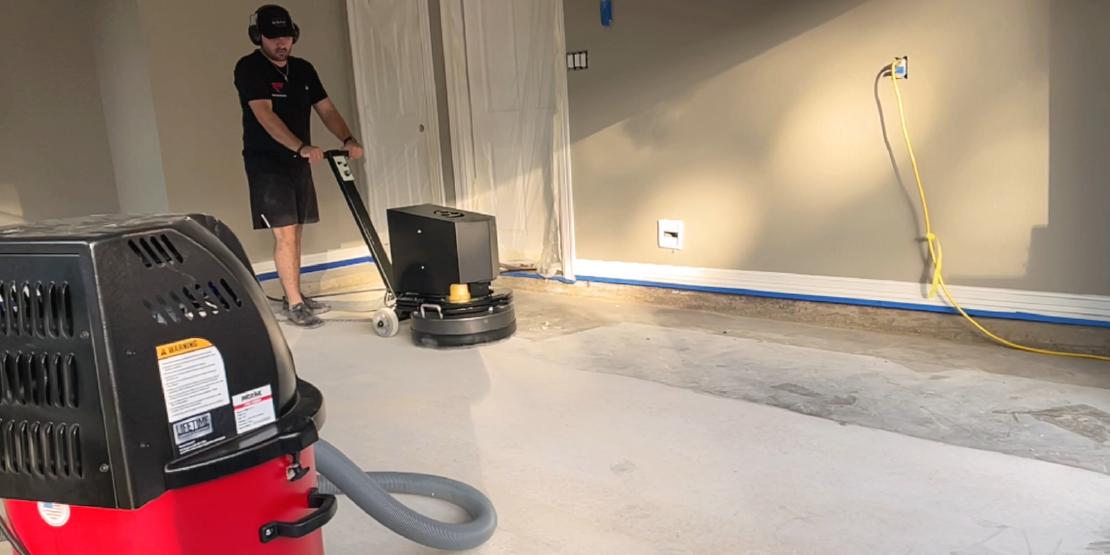
Proper restoration of damaged coatings requires special tools and materials. These essential items not only ensure the success of your repair job but also promote safety in your procedures. Items like safety gloves, sandpaper of varying grit types, and clear, coat-specific paint are just a few of the necessities. Specialized equipment like an orbital sander can play a pivotal role in larger repair operations.
All these items are readily available in local hardware stores and online. However, sourcing quality tools and materials is crucial. Low quality or incorrect items may not only hinder your repair process but could potentially exacerbate the initial damage. Therefore, carrying out ample research about the best tools and products for specific damages and coating types is an imperative step in preparing for coating repairs.
Safety Measures to Consider During Coating Repair
When engaging in coating repair, always remember that safety is paramount. The use of Personal Protective Equipment (PPE) including safety glasses, gloves, and protective clothing helps to prevent direct contact with harmful materials. Also, always ensure the workspace is well-ventilated to minimize the risk of inhaling toxic substances, dust, and fumes. Respiratory masks serve as an added layer of protection to prevent inhalation risks associated with some coatings.
Further more, to prevent unnecessary accidents, it’s recommended to unplug any power tools when not in use. This includes ensuring the power is off before replacing or adjusting blades and bits. Additional precautions such as anti-slip footwear are necessary if working in damp or slippery areas. Lastly, a first aid kit should always be within reach for immediate response to any potential injuries or emergencies.
Step by Step Guide to Repairing Minor Scratches
Start off the repairing process by first cleaning the affected area. It is recommended to use a mild detergent and water for this purpose. This step ensures that all dust, dirt, and loose particles that could interfere with the repair process are removed. Once the area is clean, it should be patted dry with a clean cloth and left to air dry for some time.
Next, fill the scratch with a filler material suitable for the specific coating. A thin-bladed putty knife can be used to apply the filler. Be sure to apply it evenly across the scratch. Following this, a light sanding should be done to smoothen the filled area. It’s crucial to wait until the filler is completely dried before sanding. Finally, repaint the sanded area with a coating that matches the existing one to achieve a seamless finish.
How to Fix Peeling or Flaking Coatings
Peeling or flaking coatings are often the result of improper preparation or application of the coating material. These issues are more common in areas that are subjected to direct sunlight, high humidity, or extreme temperatures. But fear not, the situation is retrievable and can be restored to its original glory with a bit of effort. Material selection and technique are fundamental contributors to the success of this undertaking.
The first step involves removing the existing, faulty coating. This can be done manually using a scraper or power tools for larger surfaces. The aim is not just to scrape off the hanging parts, but to entirely strip the surface back to the bare substrate. Afterwards, it’s recommended to clean the surface thoroughly before reapplying the coating. It’s crucial to choose the right kind of coating material that can withstand the external environmental conditions. Lastly, applying the coating in thin, even layers ensuring that each layer is completely dry before applying the next one, ensures a durable and visually pleasing finish. Remember, patience and attention to detail can guarantee a successful coating repair.
Dealing with Discoloration in Coated Surfaces
Discoloration is a common issue that plagues many coated surfaces and materials. It tends to occur due to a variety of reasons, ranging from prolonged exposure to harsh environmental factors, like sunlight and humidity, to improper application techniques or the usage of low-quality coating products. The harmful UV rays from the sun can cause a breakdown of the protective coating, resulting in a faded or discolored look. The uneven application of paint, on the other hand, could create a patchy or blotchy appearance.
When you identify a discolored spot, it’s essential to act promptly to eliminate the blemish. First, gather the correct cleaning and repair materials. Carefully, clean the surface with a gentle cleanser to remove any dust or debris. Apply a small amount of pigment or dye that matches the original color of the coating. Finally, apply a fresh layer of the protective coating after the pigment treatment. By being proactive about maintaining your coated surfaces, you can drastically extend their lifespan and preserve their original, pristine appearance.
Tips to Prevent Future Coating Damages
Regular inspection of the coating surface plays a critical role in warding off potential damages. It’s crucial to keep an eye out for signs such as discoloration, flaking, or peeling, which may suggest the onset of damage. Minor issues often escalate into major problems if left unattended. Thus, identifying and addressing these signs at an early stage can significantly minimize the risk of future damage. For high traffic areas or surfaces exposed to harsh environmental factors, more frequent checks are advisable.
Maintenance procedures go hand in hand with regular inspection. Ensuring the surface is clean, dry, and free from contaminants like dust, grime, or grease can drastically enhance the longevity of the coating. It can also preserve its aesthetic appeal. However, caution must be exercised while opting for cleaning agents or methods. Grip the balance between effectiveness and gentleness to avoid causing inadvertent harm to the coating. Using gentle, non-abrasive cleaning agents and soft cloths for cleaning purposes can help achieve this balance.
Maintaining the Look and Longevity of Your Coating
To prolong the lifespan and preserve the aesthetic appeal of your coating, regular maintenance is of utmost importance. Essential steps for maintenance include consistent cleaning, preventive care, and periodical inspections. Diligent cleaning, done with the right tools and mild cleaning agents, ensures that dirt, stains, or grime do not compound and cause degradation or discoloration. Both outdoor and indoor coated surfaces benefit from this routine upkeep. Overexposure to harsh elements, for indoor fixtures appliances, should be avoided to prevent premature wear and tear.
Preventive care constitutes proactive measures like re-coating or touch-up applications even before substantial damages are observed. These measures help maintain the integrity of the surface by adding an additional protective layer. A guide to timing these preventive steps can be periodic inspections. Scheduled checks for any signs of damage such as peeling, flaking, or minor scratches can go a long way in nipping any potential major damage in the bud. Remember, the key to a long-lasting, good-looking coating is timely intervention and regular upkeep.
When to Seek Professional Help for Coating Damages
The process of repairing coating damages might seem straightforward, but there are circumstances when DIY techniques fail to rectify the issue. Severe damages, such as deep scratches or extensive surface peeling, often require a skilled hand. These advanced forms of deterioration can further degrade if not handled correctly. As a result, it’s wise to call in a professional who has the expertise to assess and treat such matters effectively.
Aside from the complexity of the damage, the type of coating also factors into whether or not you should seek professional help. Certain materials, including unique blends or high-end finishes, may necessitate specific repair techniques or tools that are not typically available to the average homeowner. With these specialty coatings, a professional will ensure that the integrity and aesthetics of the surface remain intact. This kind of expertise can preserve the longevity of your coating and save you time and money in the long run.
Key Takeaways for Successful Coating Repair and Maintenance
To achieve successful coating repair and maintenance, a consistent understanding of the coating’s type and its specific needs is significant. Remember the specific signs of wear and damage, such as discoloration, peeling, or flaking. Early detection of these signs can save time, money, and preserve the lifespan of the coating. Regular inspections are hence pivotal to the maintenance process.
Furthermore, the use of appropriate tools and repair materials plays a critical role in restoring your coating to its pristine condition. Wielding the right set of tools and materials ensures a more efficient repair process. Lastly, adhering to prescribed safety measures during repair is nonnegotiable. Not only does it protect the person performing the repair but also maintains the area’s integrity where the application takes place.
What does the term ‘minor coating damages’ refer to?
Minor coating damages refer to small issues such as minor scratches, peeling, discoloration, or flaking on the surface of a coated material.
How can I identify the different types of coatings?
Coatings can be identified based on their material, such as wood, metal, plastic, etc., their application such as automotive, industrial, architectural, etc., and their function such as protection or decoration.
How would I assess the severity of coating damages?
Assessing the severity of coating damages can be done by examining the size, depth, and location of the damage. The extent of peeling, discoloration, or flaking may also help determine the severity.
Why is it important to repair coating damages promptly?
Prompt repair of coating damages can prevent further deterioration of the surface, extend the lifespan of the coating, and maintain the look of the coated material.
What safety measures should I consider during coating repair?
Safety measures during coating repair may include wearing protective clothing and eyewear, ensuring good ventilation, and using safe handling procedures for all tools and materials.
Can you provide a step by step guide on how to repair minor scratches?
The article provides a detailed guide on repairing minor scratches. This usually involves cleaning the area, filling the scratch with a suitable filler, sanding the area smooth, and reapplying the coating.
How can I prevent future coating damages?
Future coating damages can be prevented by regular maintenance, using the right tools and materials, and following correct application procedures.
When should professional help be sought for coating damages?
Professional help for coating damages should be sought when the damage is extensive, when the coating type is complex or rare, or when you lack the necessary tools and skills to perform the repair successfully.
What are the key takeaways for successful coating repair and maintenance?
Key takeaways for successful coating repair and maintenance include understanding the type and severity of damage, having the right tools and materials, following safety measures, and knowing when to seek professional help. Regular maintenance and preventive measures also play crucial roles.