
DIY Tips for Minor Floor Coating Repairs
Understanding the Basics of Floor Coating
Floor coating refers to the application of an outer protective layer on a given surface. The main purpose is to improve the durability and aesthetic appeal of the floor. This protective layer also acts as a barrier against moisture, dirt, stains, and wear and tear. The type of floor coating often determines its resilience. High-quality coatings offer excellent protection and ensures longevity.
Whether for residential, commercial, or industrial use, a good understanding of the basics guarantees the selection of the appropriate floor coating. Generally, there are four main types of floor coatings: Epoxy, Polyurethane, Acrylic, and Polyaspartic each boasting unique advantages. For instance, epoxy is known for extreme durability and strength, making it ideal for high-traffic areas. Polyurethane, however, offers UV resistance, providing a high-gloss finish that doesn’t fade over time. Knowledge of these different options aids in making an informed decision.
Identifying the Type of Floor Coating You Have
As an integral aspect of floor maintenance, it is essential to correctly identify the type of floor coating you have. This knowledge will guide you on the suited cleaning and maintenance steps, as well as prevent potential damage caused by using inappropriate methods or products. Various types of floor coatings are used today, including Epoxy, Polyurethane, Polyaspartic, and Acrylic, among others.
Epoxy floor coating is renowned for its durability and resistance, frequently used in industrial and commercial areas that experience heavy foot traffic. Polyurethane coating on the other hand, known for its extreme durability and high gloss finish, is often found on hardwood floors. Polyaspartic coatings are worth mentioning too, as they are highly resistant to chemicals and have a rapid cure time, making them ideal for commercial use. Acrylic coatings, typically used in domestic settings, are desirable for their ability to protect floors from moisture and dirt. These are just a few examples of the variety of floor coatings accessible, each with its own set of features and maintenance requirements. To further understand these types of floor coatings, let’s delve into their distinct characteristics and uses:
• Epoxy: This type of coating is widely recognized for its strength and resistance. It is often used in areas that experience heavy foot traffic such as industrial and commercial spaces. Some key features include: ◦ High durability ◦ Resistance to wear and tear ◦ Suitable for high-traffic areas
• Polyurethane: Known for its extreme durability and high gloss finish, this coating is commonly found on hardwood floors. Its unique qualities include: ◦ Extreme durability ◦ High-gloss finish ◦ Ideal for hardwood floors
• Polyaspartic: These coatings are highly resistant to chemicals making them ideal for commercial use. They also have a rapid cure time which allows quick application. Key features include: ◦ Chemical resistance ◦ Rapid curing time ◦ Suited for commercial applications
• Acrylic: Typically used in domestic settings, acrylic coatings protect floors from moisture and dirt effectively. Their desirable traits consist of:
◦ Moisture protection
◦ Dirt resistance
◦ Commonly used in residential settings
By identifying the type of floor coating you have, you can ensure your flooring remains well-maintained with appropriate cleaning methods while avoiding potential damage caused by improper care techniques or unsuitable products.
Common Issues with Floor Coatings
Floor coatings play a critical role in protecting underlying surfaces and enhancing the aesthetics of a space. However, they can pose certain common problems that can impact their functionality and appearance. Some concrete may suffer from bond failure, resulting in delamination or peeling of the coating. This issue often arises when the surface wasn’t properly prepared for the application procedure or the chosen coating type isn’t suitable for the existing conditions. Delamination and peeling can leave the floor vulnerable to damage, reduce its lifespan, and negatively impact the overall look of the area.
A second common issue that floor coatings may face is the development of cracks, chips, or blisters. Over time and with wear and tear, the pressure exerted on the surface may lead to tiny fissures which then expand into noticeable cracks. Chips can occur due to heavy impacts or as a result of regular usage. Blisters, on the other hand, are often the result of trapped air or moisture underneath the coating. These issues compromise the smoothness of the floor coating and can render it less effective at protecting the base surface.
The Importance of Regular Floor Coating Maintenance
Floor coatings serve a dual purpose—they not only enhance the appearance of your floors but also protect them from damage. Regular maintenance of these coatings is mandatory if you want them to serve their purpose effectively and for a long time. Consequently, neglecting maintenance can lead to faster wear and tear of the coating, as well as the surface underneath.
Routine care and maintenance of floor coatings can prolong their longevity, while at the same time ensuring they retain their luster and attractiveness. It also allows for the early detection of minor issues like small cracks or chips, which can be addressed before they evolve into major problems. Given its importance, floor coating maintenance should not be viewed as an afterthought, but rather as a vital component of floor care.
Sourcing the Right Tools and Materials for Floor Coating Repairs
The success of any floor coating repair is significantly influenced by the type of tools and materials used. Without the right set of tools, the process may not only prove difficult but may also escalate existing damages on your coating. Professionals recommend the use of high-quality brushes, rollers, scrapers, and sandpaper suitable for floor coating repairs. Other crucial tools include goggles to protect your eyes, gloves for hand protection, and knee pads for comfort while working on the floor. The use of these tools not only ensures efficiency and accuracy but also helps in maintaining safety standards.
The other pivotal factor in the success of your repair is the materials used. It’s equally important to choose coating materials that exactly match the type and color of your existing floor coating. Using a different kind can result in unequal floor texture or noticeable discoloration, ruining the aesthetics of your floor. Depending on the extent and type of damage, materials required may include patches, primer, epoxy or polyurethane-based coatings, and clear sealers. Before making these choices, it’s important to research properly or consult an expert to ensure you source the right materials for your floor coating repairs.
Step-by-Step Guide to Fixing Small Cracks and Chips
Fixing small cracks and chips in your floor coating is a manageable task that requires keen attention to detail. Start with a thorough inspection of the floor to identify the areas in need of repair. Use a flashlight for better visualization of minor, less evident damage forms. Note down the areas for subsequent reference.
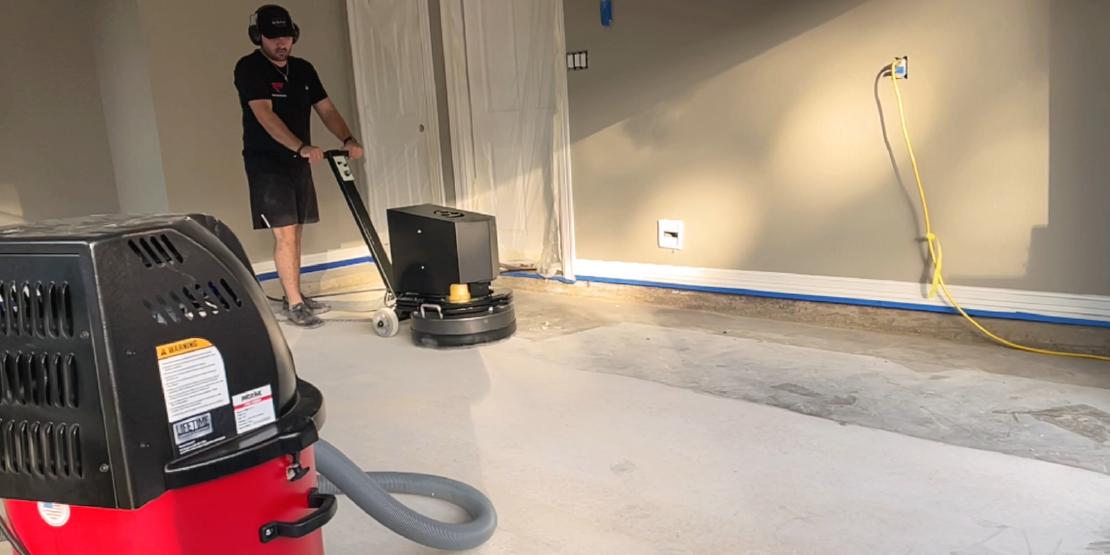
For actual repair, begin by cleaning and vacuuming the damaged regions. This step is crucial to eliminate any dust, debris, or loose fragments that might interfere with the repair process. After prepping the affected areas, use floor patching compound for small cracks. Apply it to the cracks using a putty knife or a similar tool, ensuring the compound is embedded well into the crevices. In cases of chips, epoxy filler is the preferred choice. Apply the epoxy with a spatula, smoothing it out evenly across the damaged surface. Let the filler or patching compound cure following the time recommended by the manufacturer. Once it cures, use sandpaper to level out the repair area with the rest of the floor. Clean the surface once more to remove any residue, and your floor should look as good as new.
How to Deal with Peeling or Flaking Floor Coating
Peeling or flaking is an issue that commonly crops up with floor coatings, primarily due to improper application, inadequate surface preparation, or use of poor quality coating materials. This problem not only affects the aesthetic appeal of your flooring but can also impact its durability. Therefore, it becomes essential to address such issues as soon as they appear, to maintain the integrity and longevity of your floor coating.
The initial step to deal with peeling or flaking floor coating is to carefully remove the loose or flaking areas. You can achieve this using a scraper or by sanding the surface gently. Post removal, thoroughly clean the area to eliminate dust and debris. Following this, apply a high-quality primer designed for floor coatings, ensuring it is properly spread and layered. Allow it to dry completely before you proceed with the application of a new layer of floor coating. Painting over the repaired section with a color that matches your existing floor coating ensures an even and seamless finish.
Addressing Stains and Discoloration on Floor Coatings
Stains and discoloration on floor coatings can often be a sign of damage or wear. This not only affects the aesthetic appeal but also compromises the durability and functionality of the coating. Common causes include exposure to harsh chemicals, heat, heavy traffic, or moisture, or the staining could be a result of an underlying issue such as material breakdown or a seepage problem.
A thorough cleaning may be needed to remove the surface stains. Always use a cleaner that is compatible with your floor coating type to avoid further harm. For stubborn spots, a gentle abrasive paired with elbow grease may handle the job. If discoloration persists after cleaning, you may need to retouch or entirely recoat the area. It is vital to address these issues promptly to prevent a small problem from escalating into a major floor failure.
Safety Measures to Keep in Mind When Repairing Floor Coatings
First and foremost, when dealing with floor coating repairs, safety should be a top priority. The use of appropriate safety gear is crucial to avoid potential hazards. This typically includes gloves to protect your hands from harsh chemicals and substances, eye-wear to shield your eyes from flying particles and fumes and a good quality respirator mask to prevent the inhalation of harmful dust and vapors. In addition, long-sleeved clothing and sturdy footwear can help guard against any accidental spills or splashes.
Proper ventilation is another important safety measure. Many floor coating materials generate fumes that are harmful when inhaled. Therefore, ensure that the area is well-ventilated by opening windows and doors, or use fans to circulate fresh air. Also, to prevent any unintended falls or slips, the workspace should be kept neat and orderly at all times. It’s also wise to keep a fire extinguisher nearby as some stains, sealers, and finish coats are flammable. Always remember, safety first, even when addressing minor floor coating repairs.
Preserving Your Floor Coating Post-Repair
After a thorough repair process, your floor coating is bound to exhibit an inviting luster, catching the eye of every visitor. However, this desired aesthetic appeal adduces the need for proper post-repair maintenance. Few steps significantly contribute to the preservation of your newly refurbished coating, acting as defense mechanisms against premature wear and tear. Using appropriate cleaning methods, utilizing protective mats, and indirect exposure to UV light, can ensure the longevity of your floor.
In-depth cleaning, although seemingly harmless, can cause irreparable damage to your floor coating if wrongly done. Experts recommend the use of pH-neutral cleaners that gently remove dirt and residue without compromising the integrity of the coating finish. High pH or overly acidic cleaners can subtly eat away the surface, dulling the gloss and vibrant color of your coating. Equally critical is the use of protective mats in high traffic areas, effectively reducing the rate of wear. Lastly, UV light contributes to the fading of colors, hence, avoiding direct sunlight exposure can help maintain the pristineness of your coating.
How to Prevent Future Damage to Your Floor Coating
Proactive measures play a crucial role in reducing the risk of future damage to your floor coating. Adopting regular maintenance activities such as cleaning with floor-specific solutions can help preserve the coating’s condition. Frequent inspections, using soft and non-abrasive cleaning tools, and promptly addressing minor damages will go a long way in extending its life span. Avoid instances of heavy impact on the floor, excessive water or cleaning fluid accumulation, and limit exposure to harmful elements such as sharp objects or harsh chemicals.
Another crucial aspect to prevent future damage to your floor coating is the proper usage of floor mats and protective pads under furniture. These items form a layer of protection between the hard surfaces of furniture legs or high foot traffic areas and the floor coating. They distribute the weight more evenly, reducing the chances of scratching or cracking. Regular rotation of these mats or pads will help ensure uniform wear and tear, contributing to the overall longevity of your floor coating.
When to Call a Professional for Floor Coating Repairs
Though regular maintenance and minor repairs can often be handled by the homeowner, some conditions necessitate the expertise of a professional floor coating technician. Large cracks, extensive peeling, or significant discoloration across your floor coating are signals that the damage may be too complex or widespread for a DIY approach. These issues could be symptomatic of underlying, foundational problems or poor initial installation.
Professional floor coating contractors possess the tools, knowledge, and materials to effectively tackle these issues. They are trained to diagnose the root cause of the coating’s failures and can recommend and carry out the necessary repairs or re applications. Engaging a trusted professional will save time and resources in the long run while assuring that the floor coating will be returned to its optimum condition.
Final Thoughts on Maintaining Your Floor Coating
Regular maintenance of floor coating is not just a necessary upkeep task, but also a smart investment that adds longevity to your floors and keeps them looking fresh and new. It requires understanding and respecting the unique characteristics of the kind of floor coating installed in a given space. Regularly sweeping away dust and other particles can prevent scratching, and immediate cleaning of spills can reduce the risk of stains. Consistently checking for cracks, chips, or peeling, and repairing them before they worsen, can significantly extend the life of the floor coating.
Use of the right tools and techniques for repair and maintenance tasks is crucial to ensure the efficiency and success of the process. Safety is a paramount concern during any floor coating repairs, hence, donning appropriate protective gear is always advised. Professional assistance might be needed at times, and understanding when to seek it could save unnecessary hassles and prevent further damage. Prevention, as always, is better than cure, and taking steps to prevent damage such as using rugs or mats in high-traffic areas, maintaining adequate ventilation for humidity control, etc., can ensure your floor coating continues to serve its purpose while enhancing the aesthetics of your space.
What are the basics of floor coating that I should understand?
The basics of floor coating involve understanding the different types of coatings available, their purpose, and how they are applied. This would help you to choose the right coating for your floor and maintain it properly.
How can I identify the type of floor coating I have?
You can identify the type of floor coating you have by its appearance or consulting with a professional. Some coatings might be glossy or matte, clear, or colored.
What are some common issues associated with floor coatings?
Some common issues with floor coatings include small cracks and chips, peeling or flaking, and stains or discoloration.
Why is regular floor coating maintenance important?
Regular floor coating maintenance is important to preserve the coating’s appearance and durability. It helps to fix minor problems before they escalate into major repairs, extending the life of the floor.
What tools and materials do I need for floor coating repairs?
It largely depends on the type of coating and the specific repair needed. However, common tools and materials include a scraper, sandpaper, paintbrushes, and the appropriate type of coating for touch-ups.
How can I repair small cracks and chips in my floor coating?
For small cracks and chips, you’ll need to clean the area, sand it down to a smooth surface, and apply a fresh layer of coating.
What should I do if my floor coating is peeling or flaking?
If your floor coating is peeling or flaking, it might be necessary to remove the damaged section and reapply a new layer of coating.
How do I deal with stains and discoloration on my floor coatings?
Stains and discoloration can often be cleaned with a mild detergent and water. If the stain persists, you may need to consider re-coating the area.
What safety measures should I keep in mind when repairing floor coatings?
When repairing floor coatings, always wear protective clothing and eyewear, ensure the room is well-ventilated, and keep children and pets away from the work area.
How can I preserve my floor coating after repair?
To preserve your floor coating after repair, avoid heavy foot traffic in the area for at least 24 hours, clean spills immediately, and keep the floor clean from dust and debris.
How can I prevent future damage to my floor coating?
To prevent future damage to your floor coating, ensure you carry out regular maintenance and avoid putting heavy objects on the floor that could cause scratches or chips.
When should I call a professional for floor coating repairs?
If the damage to your floor coating is extensive, or if you are unsure of how to carry out the repairs yourself, it’s best to call a professional.
What are some final tips for maintaining my floor coating?
Some final tips for maintaining your floor coating include regular cleaning, addressing minor issues immediately, and scheduling professional inspections at least once a year.