
Durability and Longevity of Epoxy Floors
Understanding the Composition of Epoxy Flooring
Epoxy flooring is essentially a protective and decorative coating made up of two primary components, namely epoxy resin and hardener. The resin component is typically a light, often clear substance, giving the overall mixture its depth and shine. On the other hand, the hardener component is dark, and it is primarily responsible for the robustness of the final product. Upon proper mixture, these two ingredients create an exothermic reaction that gives the flooring its unique characteristics.
The resulting product is a sturdy, chemically resistant, and highly durable surface. It is non-porous, which enhances cleanliness by preventing absorption of spills. Further, it can be decorated with chips or flakes and then sealed with a glossy top layer, thereby creating visually appealing and functional flooring. One key advantage of epoxy flooring is that it bonds directly to any clean, prepared substrate, making it ideal for a wide range of applications, from industrial environments to residential garages. • Epoxy flooring is a composite material made up of two main elements: epoxy resin and hardener. The resin, often light or clear in color, provides the mixture’s depth and shine. In contrast, the dark-colored hardener gives strength to the final product.
• When mixed correctly, these components undergo an exothermic reaction that results in unique characteristics for which epoxy flooring is known.
• One of the primary features of this type of flooring is its durability. It forms a robust surface that can resist chemical damage effectively.
• Another significant characteristic of epoxy floors is their non-porous nature. This quality prevents absorption and makes cleaning spills easier hence maintaining cleanliness.
• For aesthetic appeal, decorative chips or flakes can be added to the mix before it’s sealed with a glossy top layer. This process creates visually stunning yet functional floors suitable for various settings.
• A key advantage of using epoxy flooring lies in its versatility as it bonds directly onto any clean substrate without requiring additional adhesives or materials.
• Its wide-ranging applications make it ideal not only for industrial environments but also residential garages where heavy-duty performance and easy maintenance are essential.
In conclusion: Understanding the composition and properties of epoxy flooring allows users to appreciate why this material has become increasingly popular across different sectors - from commercial spaces to private homes due to its combination of durability, aesthetics, ease-of-maintenance, chemical resistance and adaptability on various surfaces.
Advantages of Using Epoxy Flooring
Epoxy flooring, owing to its chemical composition, offers a long list of notable perks to both residential and commercial establishments. First and foremost, its robustness and durability are unparalleled, ensuring longevity even in areas of high traffic. It stands resolute against spills, stains, and impact damage, providing a hassle-free solution for busy homeowners and businesses alike. The hard-wearing quality of epoxy flooring is cherished by industries that require robust floor finishes like manufacturing plants, warehouses, and garages.
In addition, the aesthetic appeal of epoxy flooring is a significant advantage. This flooring option is available in an array of colors, patterns, and finishes, making it an ideal choice for those seeking to enhance their interior décor. Epoxy flooring is renowned for its lustrous shine, which can add a polished, professional charm to any space. Notably, the seamless and uniform surface of epoxy floors aids in easy and quick cleaning, thereby contributing to overall operational efficiency.
The Lifespan of Epoxy Coated Floors
Epoxy flooring presents an impressively durable solution for both commercial and residential settings. This surface treatment is renowned for its hardwearing characteristics, offering a lifespan that significantly outranks many traditional floor coverings. Under normal conditions, homeowners and businesses can expect an epoxy coated floor to last upwards of 15-20 years. However, it’s important to note that the longevity of this flooring type largely depends on a number of factors, including the quality of the epoxy used, the intensity of floor traffic and maintenance practices adhered to.
One of the major advantages of epoxy flooring is its capacity to withstand heavy loads without succumbing to undue wear and tear. This makes it an ideal choice for warehouses, garages, and other high-traffic environments. Moreover, the resistance epoxy possesses against chemicals and spills further enhances its durability. The relatively long lifespan of epoxy coated floors, coupled with its resilience towards adverse conditions, contributes to its appeal as a cost-effective and long-term flooring solution.
Factors that Influence the Life Expectancy of Epoxy Floors
The durability of an epoxy floor is fundamentally determined by a set of distinct variables. Paramount among these is the overall quality of the epoxy product employed. The numerous epoxy compounds on the market vary in quality, with higher-grade products offering greater durability and longer lifespans. The second crucial element is the comprehensive preparation of the base floor. Once properly prepared, the epoxy displays a higher level of adhesion, which contributes immensely to its lifespan.
Yet another influential factor is the area in which the epoxy coating is utilized. High-traffic zones will invariably experience elevated levels of wear and tear, decreasing the lifespan of the epoxy floor. Weather conditions and exposure to chemicals are also pivotal determinants. Subsequently, the third factor is the competence of the installer. Professional application ensures that the epoxy coating is adequetly applied and cured, which effectively enhances its longevity.
Maintenance Practices for Epoxy Floors
When it comes to maintaining an epoxy floor, the process mainly revolves around routine cleaning. This consists of sweeping the floor daily to remove any loose debris that may lead to physical abrasions. Besides, wet mopping or surface scrubbing should be done weekly or monthly, depending on the level of foot traffic. Highly durable, epoxy flooring does not stain easily, hence the use of a mild detergent or a pH-neutral cleaner will generally suffice in maintaining cleanliness.
Highlighting the significance of immediate attention to spills, it is advisable to clean any substances that are likely to cause staining right away. Regular inspections should also be part of the epoxy floor maintenance plan. These inspections will help identify problems such as small chips or cracks early enough before they escalate. Lastly, while epoxy floors are resistant to UV rays, it is worth noting that prolonged exposure may lead to slight discoloration. Therefore, measures to minimize direct sunlight exposure would go a long way in preserving the visual appeal of the flooring.
Effects of Wear and Tear on Epoxy Floors
Epoxy floors are renowned for their durability, but they are not totally immune to the effects of wear and tear. Over time, heavy usage can result in slight degradation of the epoxy coating. This is especially notable in high-traffic environments such as industrial warehouses where heavy machinery and numerous personnel are constantly in action. The physical impact from heavy loads can cause floor abrasions, scratching, and in more severe cases chipping if the floor has not been applied with a sufficient density of epoxy.
Chemical spills or prolonged exposure to certain types of substances can also contribute to the deterioration of epoxy floors. Acidic or alkali substances can slowly degrade the epoxy coating, especially if they are left unattended for extended periods. Although epoxy floors are primarily designed to be resistant to most types of chemical spills, regular exposure to harsh chemicals could potentially affect the integrity of the floor. It’s essential that such incidents are cleaned up promptly to minimise the damage. Ultimately, despite these potential issues, epoxy floors remain an incredibly sturdy option with an impressive lifespan if regular maintenance and proper care are administered.
How Weather Conditions Impact Epoxy Flooring
Epoxy flooring’s durability and performance can be significantly influenced by weather conditions. Changes in temperature and humidity levels directly affect the curing process, which solidifies the epoxy to create a robust surface. For instance, if epoxy flooring is applied in colder conditions, the curing process may take longer and may not result in optimal hardness or durability. Conversely, during extreme heat, the epoxy may cure too quickly, leading to an uneven or brittle surface.
To prevent these adverse effects, many professionals recommend applying epoxy flooring under ideal weather conditions - temperatures range from 70 to 75°F with a relative humidity level of 50%-85%. Rain and snow also have a pronounced effect on epoxy floors as they potentially introduce moisture into the curing process, potentially leading to adhesive failure, blistering, and peeling. Thus, understanding weather impacts is essential in maintaining the longevity and effectiveness of epoxy flooring.
Examining the Resistance of Epoxy Flooring to Chemicals
One of the outstanding features of epoxy flooring is its excellent resistance to a wide range of chemicals. This type of flooring is designed to withstand corrosive substances that could severely damage other types of floors. Epoxy flooring is constructed from a thermosetting resin, which creates a highly cross-linked polymer structure. As a result of this, the flooring achieves an impressive barrier against chemical breakdown. These include acids, solvents, grease, and different kinds of industrial chemicals that are often encountered in manufacturing or processing plants.
Chemical resistance is one of the crucial considerations for industries when selecting the appropriate flooring solution. The damaging effects of chemical spills or ongoing contact with chemicals can compromise safety and operational activities in these facilities. Therefore, epoxy floors prove valuable due to their ability to hold up under such strenuous conditions. Plus, it’s not only industries that benefit; even residential or commercial garages where potential oil spills or off-road chemicals could be an issue, specifying epoxy flooring may be an enviable decision.
The Role of Professional Installation in Ensuring Epoxy Floor Quality
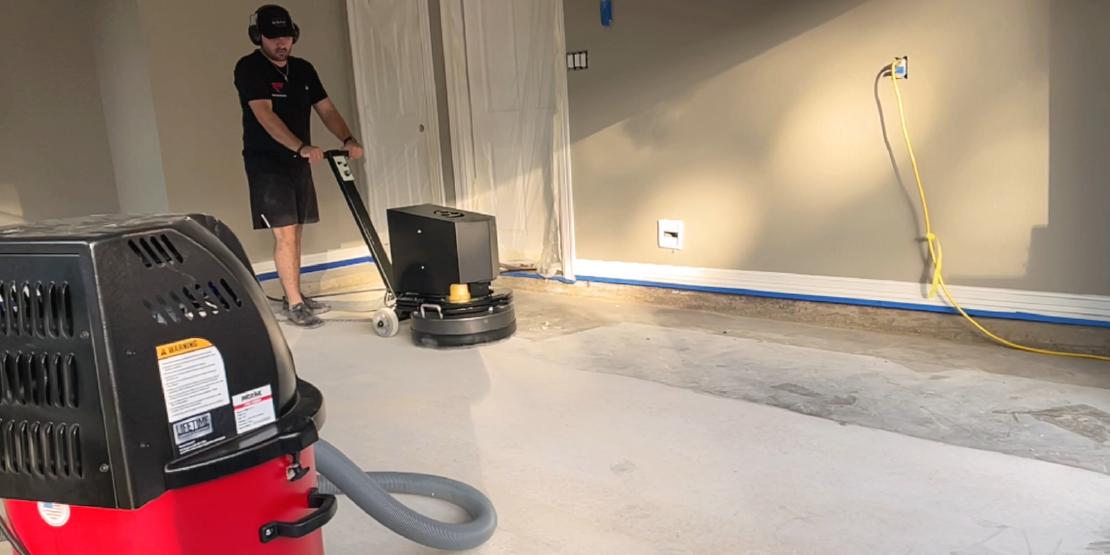
Professional installation plays a fundamental role in ascertaining the quality and longevity of an epoxy floor. This is because the installation process is quite complex and requires a special set of skills, understanding of the material, and knowledge of the correct procedures. An experienced professional will be well-versed in how to mix the epoxy resin and hardener in the correct ratios, how to prepare the floor surface adequately before application, and how to apply the epoxy in a manner that ensures even distribution and the formation of a seamless, solid layer.
Inconsistent mixture or poor floor preparation can lead to a range of issues, including premature chipping, bubbling, and peeling, compromising the integrity of the floor and shortening its lifespan significantly. Additionally, professionals are also equipped to handle any unexpected complications that may arise during the process. Hence, the role of professional installation is pivotal in ensuring the quality, durability, and aesthetic appeal of epoxy floors.
Case Studies: Real-life Examples of Epoxy Floor Lifespans
A recent study was conducted in a high-traffic warehouse facility located in Chicago, Illinois. The primary objective of the case study was to examine the longevity of an epoxy-coated floor installed in the facility approximately ten years earlier. Reports from the study confirmed that the epoxy flooring had successfully stood the test of time despite the heavy equipment usage and frequent foot traffic. Interestingly, the surface showed minimal signs of wear and tear, thereby attesting the superior durability of epoxy-coated floors.
Another instance involves an automobile service station in Los Angeles, California, that had its epoxy flooring installed about 15 years ago. With continuous exposure to auto fluids and other harsh chemicals, the epoxy floor still appeared in top-notch condition, showing impressive resistance to chemical spills. Minimal maintenance was required throughout the years, and yet, the flooring retained its original shine and non-slip properties. This case illustrates the incredible chemical resistance capability of epoxy flooring, solidifying its place as an ideal choice for such challenging environments.
Comparing Epoxy Flooring with Other Types of Flooring
Epoxy flooring has become a popular option for many homeowners and companies thanks to its superior qualities of durability, attractiveness, and cost-effectiveness. But how does it stand up against other types of flooring, such as hardwood, carpet, or tiles? The comparison is fascinating and revealing. Hardwood, though extremely beautiful, can’t match the sheer strength and resistance of epoxy to daily wear and tear. Carpeting, while soft and comfortable underfoot, requires frequent cleaning and can be a hotbed for allergens.
Conversely, tiles offer a wide range of designs and are easy to clean, but again they can crack or chip under heavy pressure and aren’t as resistant to chemicals as epoxy floors. Moreover, none of these flooring types come close to epoxy when it comes to installation speed, maintenance ease, and long-term cost-effectiveness. Hence, when pitted against each other, epoxy flooring often comes out as the more versatile and robust option, capable of standing the test of time in a way that many other floorings struggle to do.
Tips to Enhance the Performance of Epoxy Floors
Regular cleaning and maintenance significantly enhance the lifespan and performance of epoxy floors. Dust and grime accumulation can dull the shine and could potentially lead to scratches. Therefore, regular sweeping or dust mopping can prevent such buildup. For deeper cleaning, neutral detergents can be used while avoiding acid or soap-based cleaners, as these could damage the floor’s surface.
To protect the floor further, avoid dragging heavy equipment or furniture across the surface. High impact on the epoxy can cause chips or cracks over time. Use protective mats and pads under heavy objects. Additionally, it’s recommended to recoat your epoxy floors every few years. Regular touch-ups not only refresh the appearance but also fortify the floor’s resistance to wear and tear.
What to Expect from Your Epoxy Floor Over Time
As time passes, your epoxy floor will undergo noticeable transitions. Initially, its vibrant glossy finish might be an eye-catching feature of your space. Over time, this luminosity may fade, replaced by a mature, worn-in aesthetic. However, this evolution does not signal a decline in quality. While the superficial gloss may diminish slightly, the underlaying structural integrity of the epoxy remains firm and resistant.
Furthermore, one should anticipate a marked resistance to staining and mild abrasive impact. Epoxy floors are constructed with an invincible barrier against water and most chemical spills, making them a remarkably resilient choice for areas susceptible to such incidents. Notably, the epoxy mixture is also highly resistant to dust, oil, grease, and other common work-space contaminants. Over time, this flooring will prove its value in the face of challenging conditions, maintaining its strength and functionality in a variety of environments.
What is the composition of epoxy flooring?
Epoxy flooring is a surface coating made from a combination of resins and hardeners. When mixed together, these components form a rigid, plastic-like material that bonds extremely well with most base layers.
What are the key advantages of using epoxy flooring?
Epoxy flooring is durable, resistant to wear and tear, and relatively easy to maintain. It also offers a high level of resistance to chemicals and can enhance the aesthetic appeal of a space due to its glossy finish.
How long do epoxy coated floors typically last?
The lifespan of epoxy coated floors can vary depending on factors such as the quality of the installation, the level of maintenance, and the type of traffic it’s subjected to. However, a well-installed and properly maintained epoxy floor can last for several decades.
What factors can influence the life expectancy of epoxy floors?
Several factors can influence the life expectancy of epoxy floors, including the quality of the installation, the level of maintenance, the type of traffic it’s subjected to, the presence of chemicals, and fluctuating weather conditions.
How should I maintain my epoxy floor to ensure its longevity?
Regular cleaning using a dust mop or soft broom can prevent dust and dirt from scratching the floor’s surface. Wiping up spills immediately can prevent staining and damage from harsh substances.
What kind of wear and tear should I expect with my epoxy floor?
Over time, epoxy floors can show signs of wear such as minor scratches, chips, or discoloration. However, with proper maintenance, these issues can be minimized.
How do weather conditions impact epoxy flooring?
Extreme temperature fluctuations can cause epoxy to contract and expand, which may lead to cracks. However, good quality epoxy is usually resistant to temperature variations.
How resistant is epoxy flooring to chemicals?
Epoxy flooring has excellent chemical resistance, making it a popular choice for industrial environments. However, prolonged exposure to harsh chemicals can still cause damage over time.
How does professional installation impact the quality of epoxy flooring?
Professional installation ensures that the epoxy coating is applied correctly and uniformly, which can significantly increase its lifespan and performance.
How does epoxy flooring compare with other types of flooring?
Compared to other types of flooring, epoxy is exceptionally durable and resistant to wear, tear, and chemicals. It also offers a unique aesthetic appeal that can enhance the look of any space.
What can I do to enhance the performance of my epoxy floor?
Regular maintenance, avoiding exposure to extreme temperatures and harsh chemicals, and promptly repairing any damage can enhance the performance and lifespan of your epoxy floor.
What should I expect from my epoxy floor over time?
With proper care and maintenance, you can expect your epoxy floor to remain durable and attractive for many years. However, like all flooring types, it may show signs of wear over time, such as minor scratches or discoloration.