
Eco-Friendly and Sustainable Floor Coating Options
Understanding Green Floor Coatings
Green floor coatings represent a revolutionary shift in flooring solutions, prioritizing environment-friendly materials and practices. Essentially, these are floor coatings formulated with minimal volatile organic compounds (VOCs) and hazardous constituents, presenting a healthier and safe flooring choice. Moreover, they often contain recycled or renewable materials, further reducing the carbon footprint associated with their manufacture, installation, and disposal.
In addition to being environmentally conscious, these coatings have proven to be highly durable, offering an ideal balance between sustainable sourcing and product longevity. They are designed to withstand heavy traffic, abrasion, and wear while retaining their aesthetic appeal. Hence, green floor coatings provide a pragmatic, ecological alternative in the strand of conventional coatings, meeting requirements for both indoor and outdoor applications. • Green floor coatings are more than just eco-friendly. They are designed to be highly durable, capable of withstanding heavy foot traffic and wear and tear over time. This makes them an ideal choice for high-traffic areas such as commercial buildings, schools, and hospitals.
• These coatings retain their aesthetic appeal even after prolonged use. Unlike traditional floor coatings that may fade or discolor over time, green floor coatings maintain their original color and sheen for years.
• The manufacturing process of these products is also environmentally friendly. Many green floor coating manufacturers utilize recycled materials in their products, reducing waste and conserving natural resources.
• In addition to being made from recycled materials, many green floor coatings also contain renewable resources. This further reduces the carbon footprint associated with their production.
• Despite their sustainable nature, these coatings do not compromise on performance or quality. They offer comparable – if not superior – durability and longevity compared to conventional flooring solutions.
• Green floor coatings can be used both indoors and outdoors, making them versatile options for various applications including residential homes, commercial properties, industrial facilities etc.
In conclusion: Green flooring solutions present a viable alternative to conventional ones without compromising on durability or aesthetics while contributing positively towards environmental sustainability efforts globally.
The Importance of Environmental-Friendly Flooring Solutions
The continued push towards sustainable processes highlights the emergence of eco-friendly solutions in various industries, with a notable emphasis in the world of flooring. Green flooring coatings represent a significant leap in our ongoing quest for environmentally responsible living. These eco-friendly materials not only reduce the carbon footprint of construction and interior design but also lessen the amount of toxic emissions released into the environment.
This emphasis on sustainability extends far beyond environmental considerations. Green flooring solutions also present potential health benefits, producing fewer volatile organic compounds (VOCs) known to cause adverse health effects. They further offer enhanced durability and lifespan, reducing the need for frequent replacement and thereby resulting in less material waste. The harmony between environmental preservation and human health makes the adoption of environmentally-friendly flooring solutions a pressing necessity in today’s world.
Materials Used in Environmentally-Friendly Floor Coatings
A variety of eco-conscious materials are utilized in environmentally-friendly floor coatings. These coatings are typically composed of substances derived from naturally occurring elements and recycled materials. They are often free from harmful chemicals such as Volatile Organic Compounds (VOCs), making them safer for indoor spaces compared to traditional floor coatings. Materials like plant-based oils, modified soy-based resins, and microcrystalline cellulose are some examples. Specific types may include water-based epoxies, non-toxic urethanes, and polyaspartic coatings, all embracing the sustainability principle in their composition.
The use of recycled glass and crushed stones adds another layer of eco-friendliness to some green floor coatings. They not only contribute to the overall aesthetic appeal but also enhance durability and slip-resistance. In other cases, organic pigments are used to create a wide range of color options while maintaining environmentally-responsible properties. Other constituents like natural linseed oil, cork dust, limestone, and jute are often found in biodegradable linoleum floor coatings, maintaining a harmonious relationship between the aesthetics and durability of the flooring all while steering clear from harmful toxins. The careful selection and combination of these materials result in a healthier, safer, and aesthetically pleasing finish to your floors.
Advantages of Choosing Green Floor Coatings
Choosing environmentally-friendly floor coatings, often known as green floor coatings, brings a host of benefits. Not only do they enhance the aesthetic appeal of the space, but they also greatly contribute to the health and safety of the environment. Made from natural resources or recycled material, these coatings are essentially devoid of harmful volatile organic compounds (VOCs). Thus, they pose minimal risk to the indoor air quality, safeguarding the health of the inhabitants. Incorporating green floor coatings into one’s design plan aligns with the global mission for sustainability, making for an ethical and forward-thinking choice.
In terms of durability and maintenance, green floor coatings are equally impressive. These eco-friendly alternatives have demonstrated resilience against wear and tear, making them perfect for high-traffic areas. Most green floor coatings require less maintenance than their traditional counterparts, reducing long-term costs and efforts. Plus, in many cases, the use of green floor coatings can result in points or credits towards building certifications like LEED. This brings financial benefits in the form of tax incentives and improved property values, making green floor coatings a worthy long-term investment. As the demand for sustainable building materials increases, opting for green floor coatings defends not only the environment but also the health, safety, and financial coherence of space users.
Popular Environmentally-Responsible Floor Coatings
Over the past few years, multiple brands have made a name in the market with their collection of environmentally-responsible floor coatings. One of these is the Bio Poly Natural. This floor coating option is not only completely biodegradable but also offers a no-VOC option. Made from a bio-based material, it features impressive durability and provides a natural finish that beautifully enhances the existing beauty of the floor.
Another notable green floor coating is ECOS Paints’ Floor Paint. This brand boasts a zero-VOC, zero-odor paint and coating range, highly recommended for individuals with chemical sensitivities. ECOS Paints’ floor coating is durable, completely non-toxic, and versatile enough to be used on a variety of surfaces. Their commitment to product transparency and health safety has earned them immense popularity among environmentally-conscious consumers.
Guide to Selecting the Right Green Floor Coating
Selecting the appropriate green floor coating involves taking several factors into account such as your personal preferences, building needs, budget, and environmental condition of the area. Initially, a thorough understanding of the various types of environmentally-friendly floor coatings available and their specific benefits is crucial. Epoxy, polyurethane, polyaspartic, acrylic, and water-based coatings each differ in their impact on the environment, ease of application, durability, and aesthetic finish.
The location of your space also greatly affects the choice of coating. High traffic areas require coatings that can withstand heavy use such as epoxy or polyurethane, while spaces exposed to excessive sunlight would benefit from UV resistant coatings like polyaspartic. In addition to physical factors, it’s just as essential to consider other aspects such as the product’s indoor air quality impact, lifecycle costs including maintenance, repairs, and replacement, as well as the manufacturer’s compliance with environmental regulations, to ensure a truly green and sustainable option.
Installation Process of Green Floor Coatings
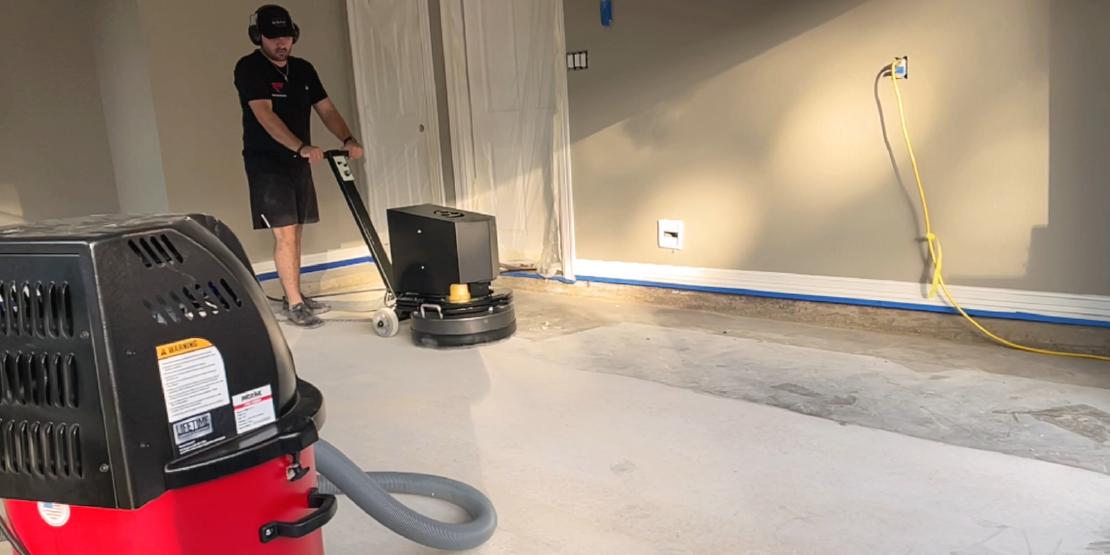
The installation of green floor coatings begins with the preparation of the floor surface. It is crucial to clean the area meticulously, removing dust, grime, any old finish or sealant, and repairing cracks where needed. The floor must be moisture-free before the application of the coating. This ensures that the green floor coating will adhere properly and won’t peel away.
Coating application follows the prep phase, either using a roller or spray depending on the coating’s consistency. It is typically applied in several layers, with each layer requiring sufficient time to dry thoroughly before the next one is applied. The drying time varies depending on the environmental conditions such as humidity and temperature. Once the final layer has dried completely, users can enjoy a beautiful, eco-friendly floor that contributes to the overall indoor air quality.
Maintenance and Care for Green Floor Coatings
Green floor coatings developed using environmentally friendly materials are relatively easy to maintain. Routine care encompasses simple processes such as sweeping or dry mopping to remove dirt, dust, and grime, which may scratch the surface over time. For tougher stains, using a mild, pH-neutral cleaner suffices. Unlike traditional floorings, these iterations do not require harsh cleaners or chemicals, making them safer for inhabitants while also mitigating water pollution when waste water is disposed of.
Advanced technology in floor manufacturing offers a high degree of durability but even so, care must be taken to prevent damage. Excessive water should be avoided during cleaning, as it can seep into the joints and edges, causing the floor to warp or swell. A good practice is to promptly clean up spills using absorbent cloths or towels. Furthermore, using furniture pads or sliders can prevent scratches caused by dragging furniture. Proper care paired with sensible practices ensures longevity, making green floor coatings an economical choice.
Case Studies on Green Floor Coating Applications
In a recent study conducted by the University of Cambridge, a complete overhaul of a traditional epoxy-based floor coating to environmentally-friendly alternatives was documented. The university contracted a green floor specialist to replace the outdated, high VOC emitting floors in their science lab with a VOC-free, polyurethane green coating. Observations revealed a notable improvement in indoor air quality, and pupils reported fewer instances of headaches and respiratory discomfort traditionally associated with the chemical fumes of conventional floor coatings.
In parallel, a commercial case study saw a popular coffee shop chain implementing eco-friendly floor coatings in their outlets across Europe. Leveraging a bio-based epoxy resin coating, made from renewable resources, the chain aimed to reduce their environmental footprint. Not only did the implementation of green flooring contribute to their corporate social responsibility goals, it also resonated with their customer base, who appreciated these sustainable practices. Ultimately, the chain saw an improvement in customer loyalty and a positive progression in their green initiatives.
The Cost Factor of Green Floor Coatings
In assessing the financial aspects of green floor coatings, initial investment may appear to be higher in comparison to traditional flooring options. Bold eco-friendly materials and sustainable manufacturing procedures often come with elevated cost. Nevertheless, it’s crucial to look beyond the upfront cost and understand the long-term economic advantages they offer.
Economically speaking, green floor coatings offer significant long-term savings. These coatings often demonstrate superior durability, thereby reducing the frequency of replacements and repairs. Furthermore, maintenance costs are generally lower, thanks to their improved resistance to wear and tear. On a larger scale, the reduction in energy consumption and waste production lead to overall operational cost savings, making them a cost-effective option in the long run.
Impact of Green Floor Coatings on Indoor Air Quality
Studies have shown a correlation between indoor air quality and the type of flooring used in a luxury complex or commercial building. When traditional floor coatings are used, volatile organic compounds (VOCs) are typically emitted. These compounds can have negative effects on air quality, potentially posing risks to human health. In stark contrast, green floor coatings bear minimal risk due to their low VOC emissions and absence of harmful elements like formaldehyde and phthalates.
The significance of green floor coatings goes beyond a mere commitment to eco-friendliness. They are intrinsic to creating healthier indoor environments. They ensure that the air remains pure, free of toxic fumes that could cause eye irritation, damage to the nervous system, difficulty in breathing, and other respiratory ailments. Furthermore, such products contribute to mitigating the escalating problem of indoor air pollution, as they are designed to safeguard the wellbeing of building occupants. Thus, in the quest for enhanced indoor air quality, green floor coatings hold a paramount position.
Future Trends in Green Floor Coatings
Green floor coatings are experiencing a surge of innovation. The green building industry is continuously evolving, pushing the envelope for more sustainable, environmentally friendly, and resource-efficient solutions. The introduction of nanoparticle-infused coatings is a promising trend. Designed to improve durability and longevity of coatings, these minuscule particles are blended into the mix, leading to a harder, more abrasion-resistant floor that also has enhanced UV protection.
Another key trend is the increased focus on reducing Volatile Organic Compounds (VOCs). High-performing, low-VOC options are emerging that pose minimal harm to both indoor air quality and the environment. Furthermore, the industry is noticing a shift towards bio-based floor coatings made from renewable resources. These natural materials, such as plant-based oils or recycled all-natural stone, contribute to circular economy, creating coatings that are safe, sustainable and offer compelling aesthetic appeal.
Top Brands Offering Environmentally-Responsible Floor Coatings
Reflecting the global shift towards eco-friendly practices, numerous brands have committed to offering environmentally-responsible floor coatings. These premium market players have simplistically incorporated sustainability into every fiber of their operations, from product design to disposal or recycling. The brands that have grasped this philosophy typically construct their products using recycled materials, natural bio-ingredients, or provide low Volatile Organic Compound (VOC) coatings, making a positive environmental impact.
Global brand LEED, a pioneer in this field, is recognized for their low VOC and zero-emission floor coatings. Their products inherently improve indoor air quality, aiding in a healthier living environment. Meanwhile, the American company, Eco-Pro Planet offers a wide range of resilient, eco-friendly flooring solutions. They utilize renewable materials like bamboo and cork in their products line. Similarly, Green Building Supply, another notable brand, offers non-toxic and safe floor coatings, winning over consumers concerned about the health impact of floor coatings. These brands, among others, have set a high bar in the flooring industry by offering products that comply with environmental standards without compromising quality or functionality.
What are green floor coatings?
Green floor coatings, also known as environmentally responsible floor coatings, are flooring solutions that are made from sustainable, non-toxic materials. These coatings do not harm the environment during production, installation, or disposal and contribute to healthier indoor air quality.
Why is it essential to choose environmentally-friendly floor coatings?
Choosing environmentally-friendly floor coatings reduces environmental impact during production and disposal. They are also beneficial for indoor air quality since they emit fewer chemicals and toxins compared to standard flooring solutions.
What materials are typically used in environmentally-friendly floor coatings?
Environmentally-friendly floor coatings use various sustainable materials like recycled glass, bamboo, cork, linoleum, and eco-friendly resins. They are typically free from volatile organic compounds (VOCs), which are harmful to the environment and human health.
What are the advantages of choosing green floor coatings?
Green floor coatings are durable, aesthetically pleasing, and safe for the environment and human health. They contribute to improved indoor air quality, are often more cost-effective in the long run, and can even contribute to green building certification.
Which brands offer environmentally-responsible floor coatings?
Several top brands offer environmentally-responsible floor coatings, including AFM Safecoat, BioShield, Earthpaint, ECOS Paints, and Green Building Supply, among others.
How do I select the right green floor coating for my needs?
Consider factors like the coating’s durability, aesthetic appeal, cost, and environmental impact. It’s also essential to consider the specific needs of the space, such as traffic levels and moisture exposure.
What is the installation process for green floor coatings?
The installation process may vary depending upon the type of green floor coating chosen. Typically, it involves surface preparation, application of the coating, and waiting for it to dry. Always follow the manufacturer’s specific instructions for best results.
How can I maintain and care for my green floor coating?
Maintenance for green floor coatings typically involves regular cleaning with eco-friendly products and avoiding harsh chemicals. Some coatings may require periodic reapplication or sealing.
Are green floor coatings more expensive than regular ones?
While the upfront cost of green floor coatings may be higher than traditional ones, they often prove more cost-effective in the long run due to their durability and lower maintenance costs.
How do green floor coatings impact indoor air quality?
Green floor coatings improve indoor air quality as they emit fewer VOCs and other harmful substances compared to traditional floor coatings.
What are future trends in green floor coatings?
Future trends in green floor coatings include a greater focus on using recycled and renewable materials, enhancing durability and functionality, and further reducing harmful emissions.