
Enhancing Indoor Air Quality with Low-VOC Coatings
Understanding Volatile Organic Compounds (VOCs)
Volatile Organic Compounds, most commonly referred to as VOCs, are a group of carbon-based chemicals that have a high vapor pressure at room temperature due to a low boiling point. This distinct characteristic allows them to easily evaporate or sublimate, transitioning from a liquid or solid state to gaseous state swiftly and under normal indoor atmospheric conditions. Thus, VOCs can be found in substantial concentrations both indoors and outdoors, stemming from many everyday products like paints, cleaning supplies, and even certain types of furniture.
In the context of indoor air quality, high levels of VOCs are a matter of significant concern. Despite their ubiquitous presence, they are far from benign. On the contrary, these compounds can lead to a slew of health issues, including eye, nose, and throat irritation; headaches; loss of coordination; and even damage to the liver, kidney, and central nervous system. Some VOCs have been established as carcinogens as well. Therefore, understanding VOCs is crucial to ensuring a wholesome and healthy residential or commercial indoor environment.
The Correlation Between VOCs and Indoor Air Pollution
Volatile Organic Compounds, or VOCs, are gases emitted from certain solids or liquids, including a variety of chemicals. Many of us are exposed to VOCs every day. Various common household products like paint, cleaning supplies, varnish, and cosmetics release these contaminants into the environment. Indoor air pollution arises when these VOCs accumulate in unventilated areas, resulting in harmful concentrations.
This accumulation of VOCs affects indoor air pollution significantly. Considering that people spend approximately 90% of their time indoors, exposure to such pollutants can raise several health concerns. Immediate effects may include headaches, eye, nose, and throat irritation, and long-term exposure can lead to chronic health conditions like liver damage or even cancer. Therefore, understanding the correlation between VOCs and indoor air pollution is a crucial step towards promoting healthier, safer indoor environments.
The Impact of Conventional Paints on Indoor Air Quality
Conventional paints are a significant source of indoor air pollution. They often contain a high concentration of volatile organic compounds (VOCs) that significantly pollute indoor environments. These compounds vaporize or off-gas into the air during and after the application of paint, leading to a decline in indoor air quality. Inhaling these pollutants can potentially cause health issues, ranging from acute symptoms like headaches and dizziness to serious conditions such as respiratory diseases.
Furthermore, the environmental repercussions of traditional paints should not be ignored. These paints continue off-gassing harmful VOCs long after they have dried, adding to the indoor pollution. Additionally, during the manufacturing process of these paints, harmful byproducts are often released into the atmosphere, contributing to outdoor air pollution. Therefore, awareness and understanding of the detrimental effects of conventional paints on both indoor and outdoor air quality are essential.
Why Opt for Low-VOC Paints and Coatings
The transition towards low-VOC paints and coatings is no longer just a trend but a necessity. They are a healthier and more environmentally-friendly choice compared to conventional high-VOC counterparts. Being derived mostly from natural sources, they emit fewer chemicals into the air during and post-application. This results in better indoor air quality, mitigating the risk of respiratory issues and other health concerns linked to high VOC levels.
Low-VOC coatings also present a viable solution for those sensitive to strong odors. Unlike conventional paints, they have a much lower odor level, enabling easier and more comfortable application. These products align with the global push for sustainable and safe practices in the construction and renovation sector. Moreover, they offer comparable durability and performance, demonstrating that eco-friendly solutions need not compromise on quality.
Deciphering the Labels: Identifying Low-VOC Products
Navigating through the multitude of paint products on the market can be daunting, with labels featuring an array of technical jargon that can leave the average consumer feeling confused. One of the crucial aspects to look for, in order to ensure reduced environmental impact and improved indoor air quality, is the Volatile Organic Compounds (VOC) content. These compounds are emitted as gases from certain solids or liquids and can have short and long-term adverse health effects.
Most countries regulate the VOC content in paints and coatings, and compliance with these standards is usually displayed on the product labels. Products are generally classified as Low-VOC if they have less than 50g/L of VOCs excluding water, and no-VOC if they have less than 5g/L excluding water. Some labels might also carry environmental certifications like “Green Seal” or “EcoLogo,” which further guarantees their low-VOC status. It is important that consumers take time to understand these labels, as they play a crucial role in promoting healthier indoor environments and sustainable living.
Exploring the Benefits of Low-VOC Coatings
When delving into the efficacies of Low-VOC coatings, one cannot overlook their profound environmental benefits. Low-VOC coatings significantly reduce the emission of volatile organic compounds, leading to a decrease in air pollution both indoors and outdoors. They additionally contribute to curbing ozone layer depletion, aiding in the global efforts to combat climate change.
On a more localized level, they greatly enhance indoor air quality. Standard paints and coatings often contain high levels of VOCs, culprits behind uncomfortable and potentially harmful indoor pollution. By opting for low-VOC coatings, homeowners and businesses can rest assured of a healthier living and working environment. These coatings are especially beneficial for individuals with allergies, respiratory issues, or chemical sensitivities, as they limit the exposure to harmful compounds often found in traditional paints.
The Role of Low-VOC Coatings in Reducing Health Risks
The detrimental health effects associated with high levels of Volatile Organic Compounds (VOCs) can be significantly curbed through the use of low-VOC coatings. VOCs are commonly found in traditional paints and coatings, including those used in building and construction. These compounds turn into gases at room temperature and can contribute to indoor air pollution. Long-term exposure to these pollutants can lead to various health complications such as respiratory problems, headaches, and even cancer, effectively compromising the quality of life for inhabitants.
In comparison, low-VOC paints and coatings are engineered with fewer volatile compounds, contributing to cleaner indoor air. The lesser the VOC content, the less likely it is to pose health hazards. By employing low-VOC paints and coatings, individuals can reduce their exposure to these harmful pollutants, effectively mitigating the risk of associated health problems. It’s not only a sustainable choice for the environment but also a proactive measure in promoting better health and wellness. The adoption of low-VOC coatings offers several advantages, which include but are not limited to:
• Reduced Health Risks: Low-VOC paints and coatings contain fewer volatile compounds that can contribute to indoor air pollution. This results in a significant reduction in the risk of health issues such as respiratory problems, headaches, and even cancer.
• Better Indoor Air Quality: By using low-VOC products, individuals can effectively improve their indoor air quality. These products emit less harmful pollutants into the environment compared to traditional high-VOC paints and coatings.
• Sustainability: The use of low-VOC paints and coatings is a sustainable choice for the environment. They produce fewer emissions during manufacturing processes and throughout their lifespan.
• Cost-Effective: While they may be slightly more expensive initially than conventional high VOC paint options, low VOC alternatives often require fewer coats due to better coverage resulting in overall cost savings over time.
In conclusion, by opting for low VOC paints and coatings when decorating or renovating homes or offices spaces; individuals can make a positive impact on both their personal health as well as the environment. It’s an effective measure towards promoting sustainability while also ensuring healthier living conditions.
Examining the Performance and Durability of Low-VOC Coatings
Low-VOC coatings have a performance level that is often believed to be not as good compared to their high-VOC counterparts. This is an incorrect assumption. With advances in technology, manufacturing processes and materials science, the performance and longevity of low-VOC coatings have greatly improved. Today, they provide comparable, if not better, performance than traditional paints in many circumstances. They offer excellent coverage, superior color retention, and long-lasting finish results. Their resistance to chalking, peeling, and fading stands as proof of their high performance.
In terms of durability, low-VOC paints and coatings equally stack up well against conventional options. They can withstand external factors, such as sunlight and moisture, and effectively resist weathering. Moreover, their superior adhesive properties ensure a longer lifespan, reducing the frequency of repainting tasks. The respect they show to the environment and human health by minimizing the release of harmful volatile organic compounds during and post-application truly underscores their durability in the most holistic sense. Their progression from a niche to a mainstream choice highlights their effectiveness, proving they are not just a fad but a sustainable painting solution for the future.
Cost Analysis: Comparing Low-VOC and Regular Paints
While the initial price points of low-VOC paints may appear to be steeper than their regular counterparts, a holistic evaluation of the costs and benefits yield a different perspective. Regular paints might offer an alluring upfront cost that fits quite snugly into the tightest of budgets. Yet, closer examination shows that this draw is overshadowed by the hidden costs that arise from potential health implications and cleanup responsibilities.
The market for low-VOC coatings is broadening, leading to a decrease in their price over time as demand escalates. Beyond just the purchase price, one should consider the reduced costs associated with health and environmental repercussions. Moreover, expenses related to waste management and disposal are also diminished, as these coatings tend to have less stringent requirements than regular paints.
How to Properly Apply Low-VOC Coatings
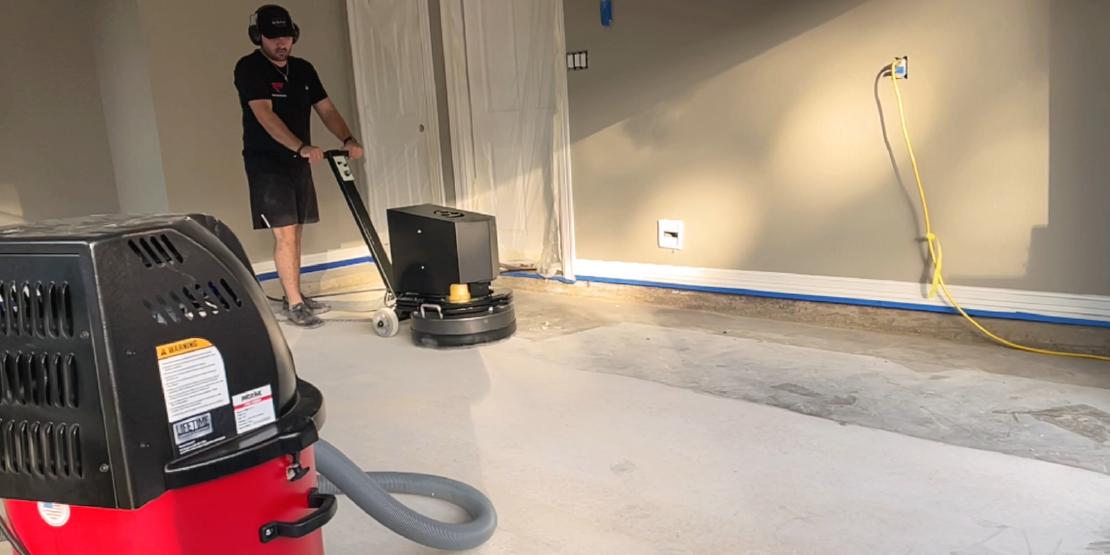
To ensure the optimal performance of low-VOC paints, the process of application needs to be treated with care. Preparation is the first crucial step. Remove any loose or flaking paint from the surface area, and clean thoroughly to eliminate dust or grease. Primers might be necessary on some surfaces to guarantee a uniform finish. Low-VOC primers are available and may be utilized in line with the objective of maintaining indoor air quality.
Application of the paint follows the preparatory procedure. Familiar painting tools such as brushes, rollers, and sprayers can all be used, similar to conventional paint. Since low-VOC paints tend to have a thinner consistency, more frequent stirring might be required during the process. Additionally, applying thinner coats and allowing adequate drying time between layers should be considered, as it will help prevent drips, runs or sags and ultimately contribute to the durability of the coating.
Maintenance Tips for Low-VOC Coatings
Like every other kind of paint or coating, low-VOC variants also demand certain care to ensure their longevity and effectiveness. The very first step, once the paint is applied, is to allow adequate drying time. Manufacturers usually specify the required duration, which can range from 24 hours to a few days. It is crucial not to rush this process. Hastening can result in poor adhesion and an uneven, patchy finish.
For cleaning, use a mild, non-abrasive cleanser that doesn’t affect the integrity of the coating. Remember to rinse the cleanser off thoroughly; any remaining residue can alter the coating’s performance. It’s also worth noting that the low-VOC nature doesn’t make the coating invincible against scratches or dings, so gentle handling is still advised. Harsh tools can strip off the layer, rendering all the effort futile. Regular inspections and touch-ups can maintain the coating’s appearance and functionality.
Case Studies: Successful Implementation of Low-VOC Coatings
One of the most exemplary instances is the transformation of a 35-year-old office building in Sydney, Australia. The refurbishment involved a meticulous decision-making process for sustainable materials. Central to this transformation was the use of low-VOC coatings in the interior walls and ceilings. After application, indoor air quality assessments showed a significant reduction in VOC concentrations, leading to a healthy indoor environment. The building was later recognized for its reduced environmental footprint due to its reliance on low-VOC coatings to achieve a balance of aesthetics, durability, and health.
In another exemplary case, a primary school in Milton Keynes, UK, was designed with an emphasis on creating a sustainable and healthy learning environment. For this purpose, low-VOC paints and coatings were selected to minimize pollutants in classrooms and other enclosed spaces. Subsequent monitoring of the school environment revealed a dramatic reduction in VOC levels, preventing symptoms associated with respiratory disorders among students and staff. These two case studies highlight the significant role of low-VOC coatings in improving indoor air quality and health, further endorsing their wider adoption in various built environments.
Looking Ahead: The Future of Low-VOC Coatings in Sustainable Living
As we gaze into the future, the incorporation of Low-VOC coatings into everyday living is not just a prediction but a necessity. The advancement in technology and science has given us greater insight into the health and environmental benefits of switching from traditional to low-VOC paints. This has led to an increase in the demand and production of these paints across the globe. The recognition of their role in reducing health risks and promoting a healthier and safer living environment has paved the way for their continued development and improvement.
Going green is not just a trend, but an essential step in the direction of sustainable living. The use of Low-VOC coatings has been proven to greatly contribute to this cause. Paint companies, aware of these benefits, are now focusing on formulating more efficient and effective Low-VOC products. With the aim of leading the paint industry to a better, healthier, and more responsible future, the potential for Low-VOC paints and coatings appears highly promising. The shift towards sustainable living has begun and Low-VOC coatings are at the heart of this transformation.
What are Volatile Organic Compounds (VOCs)?
VOCs are chemicals that are emitted as gases from certain solids or liquids. They include a variety of chemicals, some of which may have short- and long-term adverse health effects.
How do VOCs contribute to indoor air pollution?
VOCs are emitted by a wide array of products numbering in the thousands. Examples include paints and lacquers, cleaning supplies, building materials and furnishings which can release VOCs into the air during usage, contributing to indoor air pollution.
What is the impact of conventional paints on indoor air quality?
Conventional paints often contain high levels of VOCs. When these paints are applied, they can off-gas for a long period of time, reducing indoor air quality and potentially causing health concerns.
What are the benefits of opting for low-VOC paints and coatings?
Low-VOC paints and coatings can help to improve indoor air quality, reduce health risks associated with VOC exposure, and contribute to a more sustainable environment.
How can I identify low-VOC products?
Low-VOC products usually have labels that indicate their VOC content. Always read the labels carefully before purchasing.
Do low-VOC coatings perform as well as regular paints?
Yes, low-VOC coatings can perform as well as, and sometimes better than, regular paints. They also tend to have better durability and resistance to fading and chipping.
Is there a significant cost difference between low-VOC and regular paints?
While low-VOC paints may be slightly more expensive than regular paints upfront, the potential health and environmental benefits can offset the initial cost.
How should I properly apply low-VOC coatings?
The application process for low-VOC coatings is similar to that of conventional paints. It is important to prepare the surface properly and follow the manufacturer’s instructions for the best results.
How should I maintain low-VOC coatings?
Low-VOC coatings can be maintained in a similar manner to regular paints. Regular cleaning and touch-ups can help prolong the life of the paint.
What are some examples of successful implementation of low-VOC coatings?
There are numerous case studies that demonstrate the successful implementation of low-VOC coatings in various residential, commercial, and industrial settings.
What is the future of low-VOC coatings in sustainable living?
The future of low-VOC coatings in sustainable living looks promising. As awareness about the negative impacts of VOCs increases, more people are turning to low-VOC options. Technological advancements are also leading to the development of even more effective and affordable low-VOC products.