
Enhancing Safety with Anti-Slip Additives
Understanding the Importance of Anti-Slip Solutions
Slip resistance is a vital element to consider when designing or updating industrial worksites and public spaces. Anti-slip solutions, notably anti-slip additives, increase traction on a surface, reducing the risk of accidents and injuries caused by slipping and falling. The safety these solutions provide is crucial in workplaces such as warehouses, factories and construction sites, where heavy machinery and hazardous materials come into play.
Not only do anti-slip solutions enhance safety, but they also promote productivity and protect assets. Employees can move rapidly and confidently, knowing their risk of slips is minimized. Simultaneously, potential damage to machinery, stock or infrastructure caused by slip incidents is reduced. Indeed, investing in anti-slip solutions is not just a cost-efficient decision for businesses, but also a responsibility towards employees’ wellbeing and workplace safety standards. Anti-slip solutions come in various forms, including anti-slip floor coatings, mats and tapes. These are designed to be applied to different types of surfaces - from concrete and metal to wood and tile flooring. The choice of the right solution depends on several factors such as the type of surface, level of foot traffic, exposure to liquids or chemicals, among others.
• Anti-Slip Coatings: These create a rougher texture on the surface which increases traction. They are ideal for use in areas exposed to water or other slippery substances like oil or grease. • Epoxy-based coatings • Polyurethane coatings • Acrylic coatings
• Anti-Slip Mats: These provide an instant non-slip surface over existing floors. They can be used indoors as well as outdoors and are easy to install. • Entrance mats • Wet area mats • Industrial safety mats
• Anti-Slip Tapes: These offer a quick fix solution for dangerous slip-prone areas. They work best on flat surfaces where they can adhere properly. • Safety walk tape • Conformable tape • Clear anti-slip tape
Implementing these solutions not only makes your environment safer but also helps you comply with health and safety regulations that mandate adequate measures against slips and falls at workplaces.
In conclusion, understanding the importance of anti-slip solutions is essential for any business owner or manager responsible for maintaining safe working conditions. By investing in these products, businesses can significantly reduce accidents caused by slipping while simultaneously improving productivity levels due their employees’ increased confidence when moving around their workplace safely.
Remember:
• Always assess your needs before choosing an anti-slip solution; consider factors like type of surface material, amount of foot traffic it receives etc. • Regularly inspect installed solutions for wear-and-tear; replace promptly if needed. • Training staff about potential hazards associated with slips/falls and how to avoid them is equally important.
Features and Benefits of Anti-Slip Additives
Anti-Slip additives are a crucial component in enhancing safety, especially in high-risk environments prone to slips and falls. When added to traditional paint or coating, they provide a textured, non-slip surface that significantly reduces the chance of accidents. By offering a higher level of grip, these additives successfully create safer walkways in various settings - be it commercial, industrial, or residential.
Not only do they uphold safety, but these additives also extend the longevity of the surface. The special formulation helps protect against wear and tear, erosion, and weathering, preserving the surface quality for an extended period. Additionally, these additives come in different types and sizes to serve particular usage requirements, such as in heavy traffic areas or specific industrial settings, allowing for versatility and customization. The application process is also straightforward, contributing to its cost-effectiveness. In short, Anti-Slip additives provide a mix of safety enhancement, extended surface lifetime, versatility, and economic efficiency.
Implementing Anti-Slip Additives in Industrial Settings
In the vast landscape of industries, safety remains paramount in ensuring smooth operations and staff wellbeing. One widely used mechanism to minimize hazards is the usage of anti-slip additives. These are substances utilized to impart anti-skid properties to industrial floors, preventing unnecessary slips and trips that can result in severe injuries.
Different industrial settings tend to have variant requirement specifications, hence the implementation of these additives must be carried out with careful planning and execution. The key steps involve recognizing potential slip-prone areas, selecting suitable anti-slip additives, and applying them correctly using recommended procedures. After-care is just as significant; regular checks and appropriate maintenance are needed to ensure prolonged effectiveness. The importance of using these anti-slip additives in industrial environments cannot be overstated. Their application has a direct impact on staff safety, productivity, and overall operational efficiency.
Role of Anti-Slip Additives in Reducing Workplace Accidents
Anti-slip additives are vital components in enhancing workplace safety, particularly in high-risk environments such as warehouses, factories, and construction sites. The prime purpose of these substances is to reduce the slippery nature of surfaces, thus drastically decreasing the likelihood of slips and falls. Surfaces treated with anti-slip additives have a higher coefficient of friction, which provides extra grip and underfoot safety to employees, especially in wet or oily conditions.
Frequent accidents related to slipping in workplace settings can lead to serious injuries or even fatalities, apart from substantial financial losses and potential litigations. With effective use of anti-slip additives, these risks can be considerably mitigated. They lead to a safer working space which can boost employee morale and productivity, reinforcing the importance of safety measurements. Furthermore, the use of such substances demonstrates a firm’s commitment to ensuring a secure work atmosphere, which can have a positive impact on its reputation.
Different Types of Anti-Slip Additives Available in the Market
In the market, a variety of anti-slip additives cater to the diverse requirements of different industries. The primary categories include mineral-based, polymer-based, and alumina-based additives. Mineral-based anti-slip additives are largely composed of naturally occurring substances like silica sand and quartz that offer high traction. Polymer-based additives, on the other hand, are synthetic and have increased durability and longevity.
Alumina-based anti-slip additives, like aluminium oxide, are famed for their ability to create extremely slip-resistant surfaces even under wet conditions. Apart from these, there are also eco-friendly anti-slip options made from recycled materials. These help to maintain an ethical commitment towards environment preservation while assuring safety. Each type of anti-slip additive holds individual features and benefits; your selection largely depends on specific needs, environmental conditions, and budget.
Choosing the Right Anti-Slip Additive for Your Needs
Determining the appropriate anti-slip additive for a given environment involves an evaluation of multiple factors. Facility type, surface material, and environmental conditions are all critical considerations. Industrial settings with heavy machinery might prefer robust anti-slip coatings, while smaller businesses with pedestrian-heavy areas may opt for more lightweight solutions. Moisture exposure, temperature changes, and surface wear also directly impact the type and longevity of the anti-slip solution best suited for the setting.
Anti-slip additives come in a variety of forms, including paints, topical treatments, and integrated flooring solutions. Each subtype has its strengths and potential limitations, necessitating careful analysis before selection. For instance, paint-based solutions are convenient for application and re-application but may wear quickly under heavy traffic. Integrated flooring solutions, on the other hand, can offer a longer-lasting, albeit more costly, solution to slip hazards. Achieving the balance between safety, lifespan, and cost-effectiveness is crucial when selecting the right anti-slip additive for specific needs.
How to Apply Anti-Slip Additives: A Step-by-Step Guide
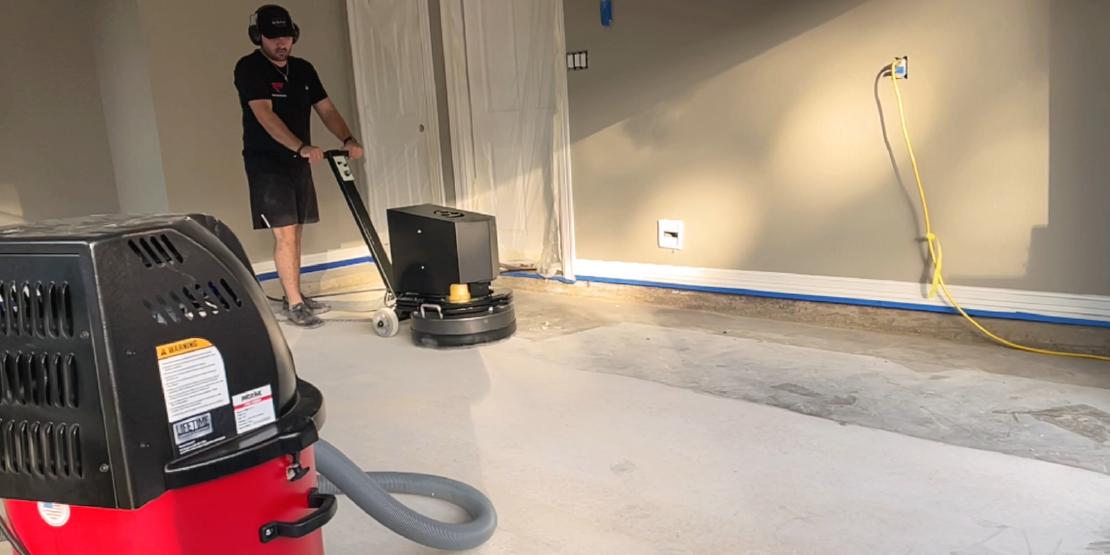
Before the application of anti-slip additives, the surface area must be properly prepared. Surface preparation includes cleaning the area thoroughly, removing any existing paint, sealant, or contaminant that could prevent effective adhesion of the additive. Companion tools such as brooms, vacuum cleaners, and pressure washers can be instrumental during this step. Ensuring the surface is dry after cleaning is also critical, as moisture can disrupt the adhesion process.
After the surface preparation, it is time to apply the anti-slip additive. It should be mixed into the coating according to the manufacturer’s instructions. Using a roller or hand brush, the mixture should be applied evenly across the surface. It is vital that additional coating is applied while the first coat is still wet to ensure the anti-slip elements firmly bond with the coating. The surface should then be left to dry for a designated period to ensure optimum performance of the additive.
Maintenance Tips for Surfaces Treated with Anti-Slip Additives
Maintaining surfaces treated with anti-slip additives need not be a demanding task. It is integral to follow well-established routines, and pay attention to potential signals of additive wear. Sadly, many companies overlook the importance of regular maintenance, risking potential accidents due to declining anti-slip properties. Periodic cleaning is crucial, aiming to remove any contaminants that might affect the anti-slip coating’s performance. Always use recommended cleaning products that are gentle on the anti-slip additives while effectively tackling dirty spots.
Another important aspect to keep under control is inspecting the surface for signs of wear and tear. This implies looking for areas where the anti-slip additive might have worn off or spots that appear slicker compared to the rest of the area. Promptly addressing these areas will help prolong the life of the treated surface. Moreover, in conditions of high foot traffic or heavy machinery movement, the frequency of inspections should be amplifed. After all, effective maintenance is key in maximizing the return on the investment of anti-slip additives.
Effectiveness of Anti-Slip Additives: Real-world Case Studies
The thriving industrial sector has introduced a variety of real-world experiences that testify to the undeniable effectiveness of anti-slip additives. Let’s consider a practical example from a food processing plant in the heartland - following a string of unfortunate accidents primarily triggered by slippery floors, they decided to introduce anti-slip additives to their flooring solution. Post-installation observations recorded significantly fewer reported accidents, verifying their initial purpose. Results indicated an impressive 75% reduction in slip-related incidents, contributing to the overall safety and efficiency of the workspace.
Furthermore, a robust case study from an automobile manufacturing unit also validates the efficacy of anti-slip additives. Battling fluid spillage that results in slick surfaces and subsequent accidents, the company incorporated anti-slip treatments into their flooring system. Not only did they experience a substantial decrease in accidents, but they also witnessed a significant increase in employee productivity levels. Indeed, numerous other similar case studies from various industry sectors reaffirm the positive impact that anti-slip additives can have on workplace safety and operational efficacy.
Cost-Benefit Analysis of Using Anti-Slip Additives
Employing anti-slip additives in different settings, particularly industrial ones, represents a valuable investment. Over the last few years, organizations worldwide are adapting these measures to ensure safety, reduce risks, and decrease resulting costs of accidents. The initial investment in integrating anti-slip surfaces might be significant. However, the long-term paybacks in terms of accident prevention and improved work productivity generally outweigh the outlay.
The financial saving from using anti-slip additives can be mapped out by comparing the costs of potential workplace accidents against the expenditure in these safety features. Accidents, such as slips and falls, carry with them not just healthcare and treatment costs but also legal liabilities and compensations. On the other hand, implementing anti-slip additives eliminate such risks, offering a safe work environment. Over time, this investment pays for itself by way of reduced accident-related costs and increased work efficiency.
Environmental Impact of Anti-Slip Additives
While assessing safety measures, we often overlook the environmental implications, but this is an important consideration with anti-slip additives. The majority of these products are composed of synthetic materials that, when disposed of, might have a significant environmental impact. The most commonly used anti-slip additives are grit-based and often contain plastic components, which do not decompose naturally and can lead to pollution if not managed responsibly.
Fortunately, there are more eco-friendly alternatives available that industrial facilities can consider. Some companies now offer anti-slip additives made from recycled materials, which contribute to waste reduction. Furthermore, organic anti-slip additives, derived from plants and natural fibers, are gaining recognition due to their biodegradability and minimal ecological impact. Renewable materials and thoughtful waste disposal methods can significantly reduce the environmental toll of these risk-prevention substances.
Legal Compliance and Anti-Slip Additives
Employing anti-slip additives in industrial and commercial settings is not merely a recommendation; in most jurisdictions, it is a legal requirement. Regulatory bodies, such as the Occupational Safety and Health Administration in the United States, or the Health and Safety Executive in the UK, have strict guidelines in place to ensure the safety of workers. Legal compliance is a key factor in determining the kind of anti-slip solutions a business must adopt. Failure to comply can lead to significant fines and potential legal action.
Anti-Slip Additives come in handy in ensuring that industry players meet the required legal threshold. By improving traction on surfaces prone to hazards such as oil spills or water, these additives significantly enhance employees’ safety. The regulations extend beyond the infrastructure, requiring regular safety audits and maintenance checks on surfaces treated with these additives. These legal implications highlight the necessity of integrating anti-slip solutions into workplace safety strategies.
Future Developments and Innovations in Anti-Slip Additive Technology
In the dynamically advancing realm of science and technology, breakthroughs in anti-slip additive technology continue to advance at rapid strides. Innovators and scientists globally are diligently laboring to concoct more potent formulations and cost-effective solutions. A prominent development is the incorporation of nanotechnology, which allows for additives to better integrate with the surface material. This increases the anti-slip effectiveness without compromising the aesthetics of the floor.
Polymer-based anti-slip additives are also gaining heightened attention as an environmentally-friendly alternation. These additives are biodegradable, non-toxic, and have a reduced CO2 footprint, reflecting the industry’s shift towards sustainable solutions. Furthermore, with digital technology gaining momentum, intelligent floors imbued with anti-slip additives that provide real-time feedback on surface grip status are also on the horizon. As such innovations continue to emerge, the drive towards ensuring safer workplaces and homes will continue to intensify.
Why are Anti-Slip solutions important?
Anti-slip solutions are crucial for ensuring safety in various environments, particularly in industrial settings. They provide traction, reducing the risk of slips and falls, and help businesses comply with safety regulations.
What benefits can we expect from Anti-Slip Additives?
Anti-slip additives can increase surface friction, minimizing the risk of slips and falls. They can also improve the durability of the surface, making it more resistant to wear and tear.
How are Anti-Slip Additives implemented in industrial settings?
Anti-slip additives can be incorporated into the surface material during the manufacturing process, or they can be applied to an existing surface in the form of a coating or paint.
How do Anti-Slip Additives reduce workplace accidents?
Anti-slip additives increase the friction of surfaces, reducing the likelihood of slips and falls, which are common workplace accidents.
What types of Anti-Slip Additives are available in the market?
There are various types of anti-slip additives available, including mineral and polymer-based additives. The choice of additive depends on the specific requirements of the application.
How can one select the right Anti-Slip Additive for their needs?
The selection of the right anti-slip additive depends on various factors, including the type of surface, the degree of slip resistance required, and the environmental conditions.
Can you guide me on how to apply Anti-Slip Additives?
Applying anti-slip additives generally involves cleaning the surface, mixing the additive with the chosen coating or paint, and then applying it to the surface. It’s important to follow manufacturer instructions for best results.
How should surfaces treated with Anti-Slip Additives be maintained?
Surfaces treated with anti-slip additives should be cleaned regularly to maintain their slip-resistance properties. Any damaged areas should be repaired promptly to prevent deterioration of the surface.
Do Anti-Slip Additives really work? Are there any real-world case studies?
Yes, anti-slip additives have been proven to effectively reduce slips and falls in various settings. Case studies demonstrate this effectiveness across diverse industries.
What is the cost-benefit analysis of using Anti-Slip Additives?
While there is an initial investment in purchasing and applying anti-slip additives, the long-term benefits include reduced risk of accidents, potential legal liabilities, and maintenance costs.
What is the environmental impact of Anti-Slip Additives?
The environmental impact of anti-slip additives varies with the type of additive used. Some additives are made from recycled materials and are less harmful to the environment than others.
Are there legal requirements related to the use of Anti-Slip Additives?
Legal requirements for anti-slip additives vary by location and industry. Businesses should review local regulations to ensure compliance.
What are the future developments and innovations expected in Anti-Slip Additive Technology?
Future developments in anti-slip additive technology are expected to include additives that are more effective, environmentally friendly, and adaptable to a wider range of surfaces and settings.