
Enhancing Safety with Non-Slip Garage Floor Coatings
Understanding the Importance of a Secure Garage Floor
As homeowners, acknowledging the significance of a sturdy and secure garage floor cannot be overlooked. This element of a house plays a vital role in maintaining the functionality and safety of a garage space. Inevitably, it endures heavy vehicle loads and frequent traffic, accumulations of dust, grime, and oil, even exposure to chemical spills and moisture. Therefore, the resilience and structural integrity of a garage floor essentially define the life span and operational efficiency of a garage.
Non-slip coatings are increasingly recognized as a game changer in enhancing both the durability and safety quotient of garage flooring. An unfortunate incident of slipping or tripping in a residential garage can result from just a minor spill or a slick patch formed by humidity. This underscores the necessity for holistic precautions beyond only structural robustness – which means taking into account a solution that significantly minimizes slipping incidents, a concern particularly relevant to environments possessing inherent risks like a garage.
Identifying Problems with Traditional Garage Flooring
Traditional garage floors typically have several issues related to their durability, maintenance, and safety. Most are made from concrete, a rather porous material that is susceptible to spills, stains, and general wear and tear over time. The frequent movement and friction caused by vehicles and heavy equipment often lead to cracks, chips, and gradual erosion of the concrete surface. This continuous degradation not only reduces the longevity of the flooring but also compromises its aesthetic appeal, turning what could be a neat and attractive space into an unappealing, worn-out area.
Moreover, safety becomes a critical concern in traditional garage floors, especially in weather conditions where the surface can get wet and slippery. Owing to oil or coolant spills, water leakage, or environmental humidity, the chances of slipping, tripping or falling accidents in a garage can be quite high. Ironically, the garage, a space meant to protect one’s vehicle, can itself become a hazardous area if the flooring material doesn’t provide adequate traction. Another issue arises in winter climates, where ice formation can further exacerbate the risk of slippages and injuries. Hence, combating both durability and safety issues becomes paramount in choosing the right flooring for your garage.
The Role of Non-Slip Coatings in Accident Prevention
Just as helmets protect a rider from potential head injuries, non-slip coatings guard garage floors against unwanted accidents. These accidents mainly include falling, slipping, or tripping due to a wet and unsecured floor. They are particularly crucial in garages that see a lot of motor activity, heavy machinery use, or in areas where the presence of moisture, oil spillage, or fine dust is more recurrent, paving the way for mishaps.
Non-slip coatings significantly reduce the risk of such incidents. By offering friction and resistance against slippery substances, they assure stronger grip and stability. Moreover, these coatings are not merely surface features; they penetrate into the pores of the floor, strengthening the integrity of the garage floor while enhancing its resilience to slips and falls. Thus, non-slip coatings play an instrumental role in maintaining necessary safety measures in a garage setup.
Types of Non-Slip Coatings for Garage Floors
There exists a comprehensive variety of non-slip coatings suited for garage floors. Typically, these coatings are used to enhance the safety and longevity of the surface, especially in high-traffic scenarios where potential slip-and-fall accidents could occur. They’ve been specifically designed to increase grip and resistance on the garage floor, providing a safer and more fortified space. These coatings can range from simple non-slip paints to complete epoxy flooring solutions, offering a diversity of applications and finishes depending on the homeowner’s specific needs.
Primarily, the non-slip paint coatings are fairly straightforward to apply and typically consist of an added gritty material that provides the anti-slip properties. On the other hand, epoxy flooring systems represent a more hard-wearing, durable option. Though requiring more complex installation, they offer superior resistance against chemical spills, heavy tools drops, and vehicle traffic. Moreover, polyurethane coatings have attracted attention for their strong resiliency coupled with their more flexible nature, which works to resist damage and marks. Ultimately, the choice of non-slip coating will hinge on factors such as the frequency of garage use, budget, and desired aesthetic appeal.
How Non-Slip Coatings Work to Prevent Slipping
Non-slip coatings offer an essential layer of protection by increasing traction on garage floors. These coatings contain small particles or granules, usually made from rubber, tiles, or sand. When applied to the floor, these particles create an uneven surface that provides additional grip. While the surface may appear smooth and uniform to the naked eye, under microscopic inspection, it reveals tiny peaks and valleys that prevent foot traffic or car tires from sliding easily.
Accidents due to slipping are drastically minimized with the use of non-slip coatings on garage floors. The particles in the coating latch onto the soles of shoes, car tires, or anything that comes into contact with the floor, creating a bond that mitigates the possibility of movement and slippage. By adding this level of friction, non-slip coatings take a proactive approach to prevent slipping accidents before they can occur. Their operation principle primarily anchors in the balance of texture and adhesion, enabling a safer environment in your garage.
Choosing the Right Non-Slip Coating for Your Garage
Narrowing down the best non-slip coating for your garage can be a potentially overwhelming task. The sheer variety of options, from epoxy coatings to acrylic sealers, can be dizzying. It’s essential to keep in mind that not every coating will work well with every kind of garage floor. For instance, epoxy coatings are often great for concrete floors, but may not adhere well or last long on other surfaces such as wood.
Materials, budget, and usage should all play pivotal roles in your decision-making process. For high-traffic garages, you would benefit from a high-quality non-slip coating that can withstand heavy duty wear and tear. Those dealing with significant amounts of moisture would be advised to pick a coating that provides superior water-resistance. Always do thorough research, consult with professionals if required, and invest in a non-slip coating that is fit for your specific requirements and situations.
The Application Process of Non-Slip Garage Floor Coatings
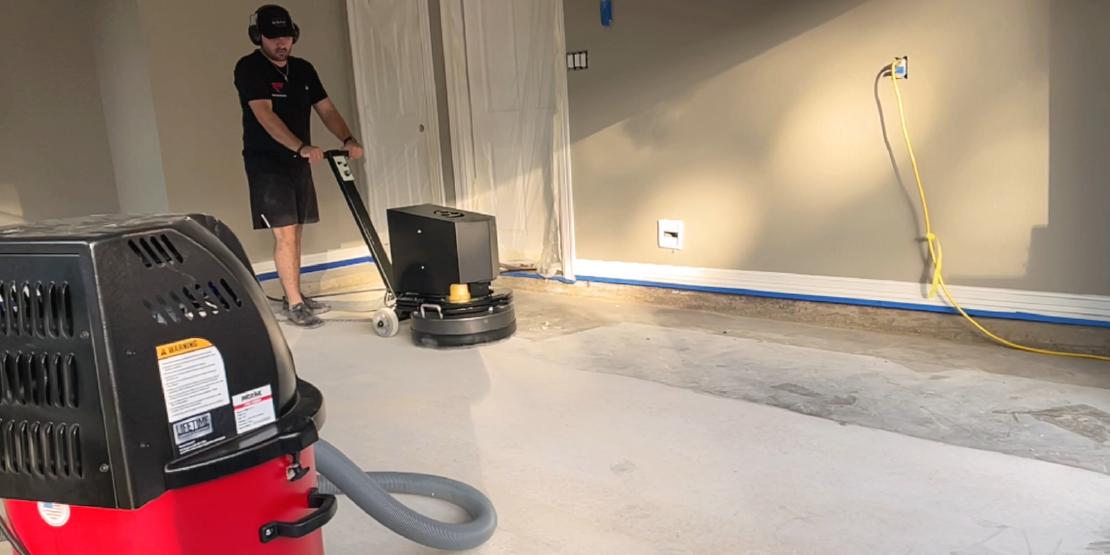
The application process for non-slip coatings on garage floors typically begins with a thorough cleaning of the existing floor. It is vital to remove all dirt, debris, and stains to ensure that the coating adheres properly. Special attention should be given to grease or oil stains, which may require a de-greasing solution to fully remove. Another step in the process is to repair any cracks, chips, or other damage to the floor surface. Any imperfections can potentially weaken the effectiveness of the non-slip coating.
Once the garage floor is clean and free of damage, the application of the non-slip coating can begin. Before starting, check that the surface is dry and the garage space well ventilated. The coating is applied evenly with a roller or a sprayer, ensuring full coverage. The coating is usually left to dry for a period of 24 to 48 hours. This time may vary based on the specific product instructions. Afterward, apply a sealant to add an extra layer of protection and durability. The sealant also enhances the non-slip properties of the coating.
Maintenance and Care for Non-Slip Coated Garage Floors
One of the key aspects for prolonging the life and performance of non-slip coated garage floors involves regular maintenance and appropriate care. This doesn’t require complex procedures or expensive cleaning products. In fact, it primarily involves timely removal of dirt and debris, regular sweeping and occasional mopping. Never use acid-based or harsh chemicals for cleaning as they can deteriorate the non-slip surface. Instead, opt for pH-neutral cleaners that can effectively clean the surface without causing any damage.
When considering long-term maintenance, periodic re-coating is highly recommended. This involves application of an additional layer of non-slip coating every few years to ensure that the garage floor stays resistant to slips and trips. Since the garage is often subject to heavy vehicle traffic, oil spills, and other tough conditions, re-coating helps in maintaining the floor’s non-slip properties. Details on the correct procedure and timing for re-coating can generally be found in the manufacturer’s instructions provided with the product. With these simple yet effective steps, you can ensure your non-slip coated garage floor stays durable, protective and attractive for a long span of time. Here are some key points to remember when caring for non-slip coated garage floors:
• Regularly remove dirt and debris: This is the most basic step in maintaining your floor. Use a broom or vacuum cleaner to sweep away any dust, leaves, or other loose particles that could potentially scratch the surface of the coating.
• Avoid acid-based cleaners: Acidic cleaning products can deteriorate the non-slip surface over time. Instead, opt for pH-neutral cleaners which are gentle on the coating but still effective at removing grime.
• Mop occasionally: While sweeping will take care of loose debris, mopping helps clean up spills and sticky residues that could make your floor slippery. Ensure you use a soft mop and avoid using too much water as this can seep into cracks and cause damage.
• Periodically re-coat: Every few years, it’s recommended to apply an additional layer of non-slip coating. This ensures your garage floor remains resistant against slips even with heavy vehicle traffic and oil spills.
• Follow manufacturer’s instructions: Each product may have specific maintenance guidelines regarding cleaning methods or re-coating procedures. Always refer back to these instructions before carrying out any major maintenance tasks on your garage floor.
By following these simple yet effective steps, you can ensure your non-slip coated garage floor remains durable and attractive for many years.
Long-term Benefits of Using Non-Slip Coatings
Applying non-slip coatings to garage floors offers numerous long-lasting benefits. The primary one being enhanced safety. Slips and falls are significantly reduced thanks to the added friction these coatings provide. Over time, this contributes to the reduction of accidents, injuries, and related medical costs - making it a valuable investment for homeowners, businesses, or any establishments with garages. Non-slip coatings also tend to be extremely durable, easily enduring heavy vehicle traffic while maintaining their slip-resistant properties.
Another notable benefit is the improved longevity of the garage floor itself. Non-slip coatings offer a robust protective layer that shields the underlying surface from wear and tear, oil spills, chemical stains, and more. This reduces the need for frequent resurfacing, thus saving on maintenance costs in the long run. Additionally, coated floors are easier to clean and maintain, making them ideal for high-usage areas. By combining safety, durability and simplicity of maintenance, non-slip coatings therefore contribute greatly towards a hassle-free, safer garage environment.
Comparing Costs: Non-Slip Coatings vs Traditional Garage Floors
For many homeowners, cost is a key factor when deciding between traditional garage flooring and non-slip coatings. It is important to consider both the initial and long-term expenses to have a clear understanding of the overall cost. Traditional garage floors can be a lower upfront investment, but they may require more frequent repairs and replacements over time due to wear and tear. Additionally, the possibility of accidents and resulting costs must be factored into the equation.
On the other hand, non-slip coatings for garage floors may have a slightly higher initial cost but they offer immense value in the long run. The durable nature of these coatings means that they last longer and require less frequent maintenance. Moreover, the added safety feature of non-slip surfaces significantly reduces the chances of accidents, potentially saving homeowners from costly medical bills or legal liabilities. The investment in a non-slip coating pays off in providing peace of mind and physical safety.
Testimonials: Real-Life Experiences with Non-Slip Garage Floors
Customer testimonials encapsulate the effectiveness of non-slip coatings on garage floors. John Baker, from Austin, Texas, shares a profound transformation. “Before I switched to non-slip flooring, my garage was quite a hazard. I frequently work with heavy equipment and oil leaks were common, making the floor slippery and dangerous. However, since installing non-slip coating, I’ve experienced increased safety. The coating offers an impressive grip, significantly reducing the risk of falls.”
Julie Thompson from Denver, Colorado, shares a similar experience. “I’m an artist who uses her garage as a studio. The spills from paints and thinner made the floor dangerous to walk on. The number of times I’ve fallen or tripped was alarming. After considering several solutions, I decided to use non-slip coating. It has completely transformed my workspace! Now, I can focus on creating art without worrying about slipping or injuring myself. It’s truly been a game-changer!”
The endorsement from everyday users confirms the efficiency, reliability, and superior performance of non-slip coatings on garage floors. From artists to mechanics, non-slip coatings have made a marked difference in their lives by enhancing safety and reducing accidents.
Professional Advice for Applying Non-Slip Coatings
Before coating your garage floor with non-slip paint, it’s crucial to thoroughly clean the space in question. Experts suggest using a professional-grade floor cleaner to remove oil, dust, and any other residue. A power wash or acid etch might also be necessary for stubborn stains.
The next critical step includes letting the garage floor dry completely in order to create a solid adhesion for the non-slip coating to the concrete. Professionals highly recommend using a moisture meter to verify that the floor has reached an optimal moisture level. Moreover, a primer might be necessary for a more durable finish, especially for heavy traffic areas or in cases where corrosive materials may contact the floor. The durability and longevity of the applied non-slip coating highly depend on the preparation process.
Upgrading Your Garage Safety with Non-Slip Coatings.
Upgrading your garage’s safety begins with paying attention to its flooring. While the garage is often the last place to cross anybody’s mind when it comes to being safe, statistics report a higher rate of accidents linked to slippery garage floors than you might imagine. Non-slip coatings provide a sure shot way to combating this problem and substantially elevate the safety aspect of your garage.
Non-slip coatings have been designed to increase friction and reduce the risk of any potential slips or falls. They particularly shine amid unfavorable and cluttered conditions like a typical garage scenario - oil spills, wet patches, and scattered mechanics tools. By ensuring a safer, less slippery surface, you’re not only bringing down accident rates, but creating an environment where moving around isn’t a distressing experience. Unlike traditional garage floors, these surfaces give a reassured footing, allowing for free movement without the constant fear of tripping or falling.
Why is it important to have a secure garage floor?
A secure garage floor prevents slips and falls which can cause serious injuries. It also prevents damage to your vehicles and stored items due to spills and leaks.
What are the issues with traditional garage flooring?
Traditional garage flooring can become slick and hazardous when wet. They also tend to wear out quickly due to heavy traffic and can be prone to staining from oil and other chemicals.
How do non-slip coatings prevent accidents in the garage?
Non-slip coatings provide a textured surface which increases traction, reducing the chance of slips and falls. They also resist staining and are durable enough to withstand heavy traffic.
Can you tell me about the different types of non-slip coatings for garage floors?
Non-slip coatings come in a variety of types, including epoxy, polyurethane, and acrylic. Each type has its own pros and cons and is suitable for different kinds of garage usage.
How exactly do non-slip coatings work to prevent slipping?
Non-slip coatings work by creating a textured surface that provides additional grip, reducing the risk of slipping. They also repel water, oil, and other spills which can cause slipping hazards.
How do I choose the right non-slip coating for my garage?
The right non-slip coating for your garage depends on your usage and budget. Consider factors such as durability, ease of application, resistance to stains and chemicals, and the level of slip-resistance required.
What is involved in applying a non-slip coating to a garage floor?
The application process usually involves cleaning the floor, applying a primer, and then applying the non-slip coating. It generally requires a couple of days to dry and cure.
How do I maintain a non-slip coated garage floor?
Non-slip coated floors are easy to maintain. Regular sweeping and mopping are usually enough. For tougher stains, a mild detergent can be used.
What are the long-term benefits of using non-slip coatings?
Non-slip coatings provide a safer and more durable garage floor. They also resist staining and damage from chemicals, reducing the need for frequent replacements.
How do non-slip coatings compare to traditional garage floors in terms of cost?
Non-slip coatings might have a higher upfront cost than traditional garage floors, but their durability and low maintenance needs make them a cost-effective option in the long run.
Can I read some real-life experiences with non-slip garage floors?
Yes, the article includes testimonials from people who have used non-slip coatings in their garages, sharing their experiences and satisfaction levels.
Do you have any professional advice for applying non-slip coatings?
The article provides tips from professionals on how to apply non-slip coatings effectively. It’s always recommended to follow the manufacturer’s instructions and to consider hiring a professional for the best results.
How can I upgrade my garage safety with non-slip coatings?
By choosing the right type of non-slip coating for your needs, properly applying it to your garage floor, and maintaining it well, you can significantly upgrade your garage safety.