
Ensuring Even Coating: Tips for Avoiding Common Mistakes
Understanding the Importance of Uniform Coating
The uniformity of a coating, whether it’s applied to a car, a kitchen appliance, or an industrial machine, plays a significant role in the final product’s overall quality and functionality. A consistently-applied, uniform coating not only improves the aesthetics of the product but also significantly extends its lifespan and performance. This is because uneven or patchy coatings can lead to areas of vulnerability, affecting the surface durability of the product and thus reducing its immunity to environmental impacts and wear and tear.
Choosing the right tools and processes is crucial to achieve this uniformity. This includes considering factors such as the type and viscosity of the coating material, the surface preparation, environmental conditions, and the application technique. A standardized process ensures that the coating thickness is consistent across the entire surface, preventing the occurrence of defects such as drips, runs, or uneven spots. Understanding the principles of uniform coating is, therefore, key to maintaining high standards in product finishing. In this light, the following are some of the key points to consider when aiming for uniform coating:
• Selecting the appropriate coating material: The type and viscosity of the coating material can significantly affect its application. It’s important to choose a material that is suitable for both the product surface and intended use.
• Proper Surface Preparation: Before applying any coating, it’s crucial to prepare the surface properly. This may involve cleaning or sanding down rough patches to ensure an even adherence of the coat.
• Controlling Environmental Conditions: Factors such as temperature, humidity, and air movement can drastically impact how well a coat adheres and dries on a surface. Therefore, maintaining optimal environmental conditions during application is necessary.
• Employing Correct Application Techniques: The method used in applying coatings also plays a significant role in achieving uniformity. Whether you’re using spraying tools or traditional brushes, it’s essential to apply coats evenly across all areas.
• Ensuring Consistent Coating Thickness: A standardized process should be followed that ensures consistent thickness across all parts of a product’s surface area. Inconsistencies can lead to defects like drips or uneven spots which compromise both aesthetics and functionality.
Understanding these principles allows manufacturers and craftsmen alike not only maintain high-quality standards but also increase efficiency by reducing rework due to inconsistent finishing applications.
Selecting the Right Tools for Coating Applications
The choice of tools for a coating application significantly impacts the overall quality and finish of the work. It’s a decision that requires careful consideration of the type of coating applied, the substrate’s nature, and the desired outcome. Decoding these factors will offer clarity on whether to opt for brushes, rollers, or spray systems. Keep in mind that the tool employed substantially affects the thickness, texture, and uniformity of the applied layer, thereby determining its durability and aesthetics.
In the vast market of coating application tools, one is presented with options ranging from simple, manual tools to high-tech, automated systems. For instance, brushes might be ideal for small surface areas or precision applications, while rollers work well for larger surfaces. Spray systems, on the other hand, deliver a highly uniform layer and are great for complex substrates. Apart from the application tools, accessory equipment such as mixers, tanks, and pumps also play a pivotal role. Ultimately, successful coating application hinges on the delicate balance of the right coating material, suitable tools, and skilled application techniques.
Preparing Surfaces for Optimal Outcomes
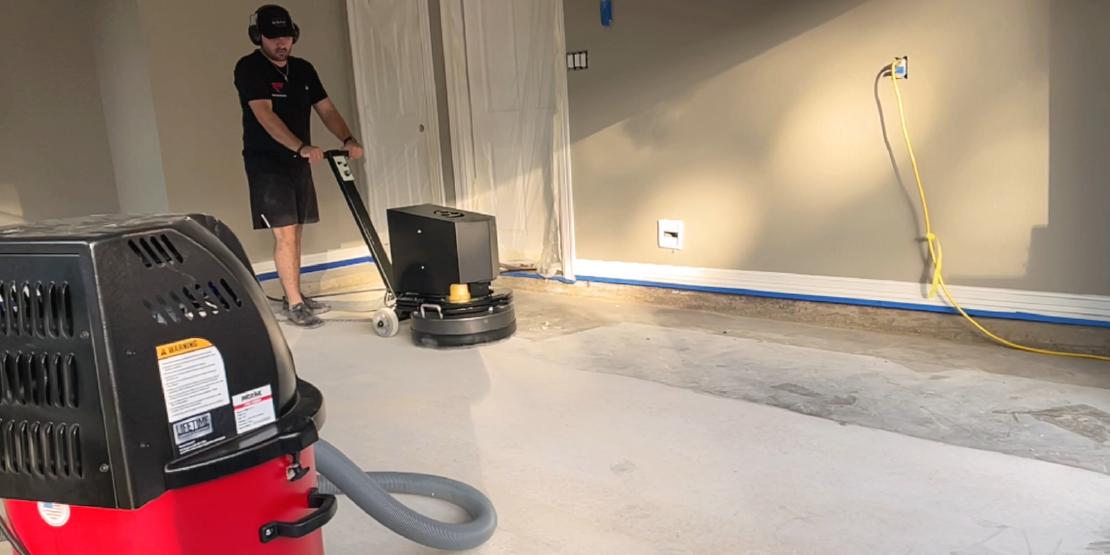
Ensuring the surface to be coated is clean and smooth is foundational for achieving optimal outcomes. Experience dictates that this is where the most common mistakes occur, and often, these mistakes are a result of insufficient attention to this step. To ensure a polished result, it’s essential to remove any dust, oil, dirt, or rust that might interfere with the coherent application of the coating. Whether chemical methods, such as acids or alkalis, or mechanical techniques, such as sandblasting or grinding, are used, careful cleansing is the first step towards a uniform coating.
Another critical element of preparing a surface is creating the right surface texture. For coating applications, it’s beneficial to have a slightly roughened surface as it allows for better adherence of the coating material. Thus, further treatment of the surface, such as etching, grinding or sand blasting, may be employed to create a conducive surface texture. It is crucial to tailor the preparation process according to the material of the surface and the type of coating being used. Only then can we expect an ideal coating application that is evenly apllied and long-lasting.
Gauging the Correct Amount of Coating Material
Estimating the appropriate quantity of coating material plays a vital role in achieving a smooth, uniform finish. An excess application may lead to drips, sagging or other surface defects, and compromises the aesthetic appeal. On the contrary, applying too little coating can result in poor coverage and inadequate protection. But how can we determine the right amount, you may ask? Well, the answer lies in the detailed instructions provided by the coating manufacturer, which need to be followed diligently.
Moreover, the actual amount of coating required can vary significantly depending on the surface’s characteristics, such as porosity and texture. Smooth and non-porous surfaces generally require less coating compared to rough and porous ones. Precise testing tools like wet film thickness gauges or digital coating thickness gauges can provide accurate measurements to aid in this process. Remember, the application method also influences the quantity required, hinting to the interconnectedness of each aspect in the coating process.
Techniques for Proper Coating Application
A pivotal factor in achieving a uniform and durable coating lies in the appropriate execution of application techniques. The process begins with selecting the ideal tools suitable for the coating type; ranging from brushes and rollers to more sophisticated tools like spray guns and electrostatic sprayers. The choice largely depends on the coating material property, area of application, and the required finishing effect. Ensuring the tool chosen is adequately primed and properly maintained is a must-do to prevent detrimental issues like bubbling, streaking or peeling post-application.
Next, we move to the actual application technique, which includes understanding factors such as surface area, coating type, weather conditions, and the drying time. It’s critical to apply coats with patience and steady movement to ensure an evenly spread layer. Overlapping strokes should be done with due diligence to guarantee consistent thickness and hide any slight variations in the coating. An integral part of any application process is to allow ample time for drying between coats, as rushing this step can result in a compromised final finish.
Preventing Uneven Spots and Streaks in Coatings
Ensuring a uniform, smooth coat, free from spots and streaks is pivotal in creating an aesthetically pleasing and durable finish. This requires careful preparation, utilization of the right tools, and an understanding of the appropriate coating techniques. Employing a steady hand, maintaining a consistent speed of the guide arm and using skillful overlapping stroke methods can effectively thwart the emergence of uneven spots or streaks. Additionally, application should commence from the top and proceed downward for a gravity-assisted, smoother flow of the coating material.
Another crucial aspect in preventing streaks and spots in coatings is the scrutinization of environmental conditions. Temperature, humidity, and air movement can significantly influence the behavior of the coating material which ultimately impacts the end result. A highly humid or too cold environment can lead to condensation on the surface, causing the coating to appear lumpy or uneven when dried. Development of air bubbles in the coating material or its exposure to dust particles carried by the wind can also lead to a streaky finish. Hence, indoor coating in regulated conditions or choosing a calm, dry day for outdoor applications assumes high importance.
Troubleshooting Issues with Coating Thickness
Often, issues with coating thickness can arise from various factors during the application process. In many cases, the root of the problem could be as simple as using an inconsistent method of applying the coating. This often includes factors such as inconsistent speed while applying the coating, varying amount of pressure applied, or even the angle at which the coating is applied. Inconsistent application can lead to an uneven coating thickness which may not only affect the aesthetics but also the functionality of the coated product.
The second-largest culprit after application technique is the state of the tools used. Coating equipment can over time wear down or become uncalibrated, resulting in uneven or inconsistent coating thickness. Worn-out tools cannot distribute the coating evenly or may even leave behind residues that contaminate the coating. Therefore, it is vital to regularly inspect and maintain coating equipment to ensure they function optimally, providing the desired coat thickness.
Avoiding Common Pitfalls in the Coating Process
When delving into the field of coating applications, there are a few common pitfalls that could potentially hamper the process and the final result. First and foremost, inadequate surface preparation could create a multitude of issues. Surfaces need to be thoroughly cleaned and dried before the application. A surface tainted with dust, grease or existing weaker coatings could disrupt the adhesion of the new layer, leading to an uneven and unstable coat.
In addition, improper selection of coating material and tools can lead to subpar results. For instance, using a coating material that is incompatible with the surface or environment can cause the layer to peel or crack over time. Also, utilizing tools that aren’t suitably designed for the specific coating material or application process can lead to uneven distribution of the coat or even damage the surface. Therefore, careful planning, coupled with the selection of the right material and tools, is critical in preventing these common pitfalls in the coating process.
Strategies for Maintaining Consistency in Coating
Maintaining consistency in coating applications is a key aspect of ensuring the longevity and performance of the finished product. Careful monitoring and control of the coating processes are essential strategies, which should be standardized company-wide. This allows for consistency and repeatability, reducing the chances of uneven layers or blemishes occurring on the finished products. Regular training programs for staff on the proper method of coating application is a must, to ensure everyone involved in the process is aligned in both their understanding and practical, hands-on application.
Equipment calibration is another significant undertaking for achieving consistency. Ensuring that machines are properly calibrated and checked for faults is one of the foremost strategies for maintaining uniform coating deployment. Machine malfunctions can lead to unnecessary wastage of coating materials and, worst-case scenario, ruin entire batches of goods. Furthermore, appropriate storage conditions for the coating materials are critical, as these may alter in properties under certain environmental conditions, affecting the overall coating consistency.
Quality Control Measures for Perfect Coating
Ensuring the perfect coating involves meticulous quality control measures. To begin with, adopting effective sampling strategies is critical. Sampling should not be sporadic but consistent and throughout the process. It is recommended that samples are taken at regular intervals from different points of process units for thorough analysis. This aids in identifying any variations or discrepancies in the coating.
Next, it is vital to implement accurate testing methods. The thickness of the coating, uniformity, and visual aspects must be examined thoroughly using precise tools and equipment. This may include devices like digital micrometers and coating thickness gauge. It is also crucial to analyze the results both visually, for any visible imperfections, and statistically, to ensure there is no bias in the process. These combined steps provide a robust quality control framework that results in a flawless coating.
Expert Advice: Best Practices for Smooth Coating
Whether you are a professional or an amateur discovering the art and science of coating, understanding and mastering the best practices can make a significant difference. Smooth coating requires meticulous preparation and precision in application. This begins with thoroughly cleaning the surface to be coated, which eliminates debris or impurities that could disrupt the uniformity of the finish. The key to achieving a smooth coating also lies in selecting the right tools – this includes choosing proper paint brushes, rollers, and sprays tailored to the nature of the coating material and the size of the surface that needs coating.
Another best practice for a smooth coating is ensuring the correct amount of coating material is mixed and ready before application commences. Without this precaution, the coating process may be disrupted, potentially leading to uneven application and streaks. One useful tip is to blend a bit more coating than you estimate you’ll need, to cater to unforeseen contingencies. Control of the application technique is another critical factor. Practiced, steady, and fluid movements lead to a more uniform and smooth finish. Whether you are using a brush, roller, or a spray, moving too quickly or applying too much pressure may lead to drips and streaks – this should be avoided for the best results.
Case Studies: Learning from Real-World Coating Challenges
In one particular industrial setup, the team faced a recurring issue of inconsistent coating application. The results were visibly uneven and far from acceptable standards. The challenge was pinpointed to the lack of appropriate tools and substandard surface prepping methods. Upon implementing a robust quality control strategy and revisiting the coating material’s preparation, there was a noticeable improvement. This case underlines the significance of the right tools and proper surface preparation for achieving uniform coating.
Another insightful case unfolded in an automotive painting plant. The operation consistently suffered from streaks and spots in the final coating, hampering the aesthetic appeal of the vehicles. After a detailed analysis, it was found that the problem stemmed from an inadequate understanding of the coating process amongst the workers. A solution was implemented through extensive training sessions and process re-engineering. This experience not only underscores the need for worker training and education but also reaffirms that a systematic approach to the coating process can eliminate common pitfalls, resulting in a high-quality finish.
Continuous Improvement: Refining Your Coating Techniques.
In the dynamic field of coatings, the knowledge curve is ever-evolving. Continuous improvement is not just a one-time effort, but an ongoing practice that requires tenacity and adaptability. The quest to refine coating techniques is driven by several factors, such as evolving technology, changing industry standards, and the need for sustainability. From digital simulations to AI-driven processes, the coatings industry is a playground for innovation where new techniques are continually emerging.
Embracing these advancements, professionals ought to invest regular time in upskilling, learning about emerging tools, and trying out novel materials. Experts participate in workshops, training seminars, and online courses to stay updated. They also frequently consult industry journals, white papers, and case studies to hone their skills further. Quality control strategies are revised and methodologies are updated to ensure precise coating application, a testament to the industry’s commitment to constant improvement and refinement. In essence, the journey to perfecting coating techniques is a continuous one, marked by perpetual learning, advancement, and adaptation.
Why is uniform coating important in the coating process?
Uniform coating is crucial as it ensures even distribution of the coating material, which contributes to the performance, durability, and appearance of the final product.
How do I choose the right tools for my coating applications?
The right tool for coating applications depends on the type of material being coated, the coating material itself, and the desired finish. It might include brushes, rollers, sprayers, or specialized equipment.
What steps should I take to prepare surfaces for optimal outcomes?
Surface preparation usually involves cleaning the surface to remove dirt, dust or rust, smoothing it to eliminate any rough spots, and sometimes applying a primer before the actual coating.
How can I gauge the correct amount of coating material?
The correct amount of coating material can be gauged based on the manufacturer’s instructions, the size and nature of the surface to be coated, and the desired thickness and finish of the coating.
What are some techniques for proper coating application?
Techniques for proper coating application may involve applying thin, even layers, using brush strokes in a consistent direction, and ensuring the coating material is well mixed and at the right temperature.
How can I prevent uneven spots and streaks in coatings?
Uneven spots and streaks can be prevented by applying the coating evenly, using the proper tools, and allowing sufficient drying time between layers.
What should I do if I have issues with coating thickness?
If you’re experiencing issues with coating thickness, you may need to adjust the amount of coating material you’re using, the method of application, or the drying time.
What are common pitfalls in the coating process?
Common pitfalls can include skipping surface preparation, applying too much or too little coating, not allowing enough drying time, and using the wrong tools or techniques.
How can I maintain consistency in my coating process?
Consistency can be maintained by sticking to a set process, using quality tools and materials, and regularly checking your work for uniformity and correctness.
How can I ensure quality control in the coating process?
Quality control can be ensured through regular inspections, maintaining strict adherence to the manufacturer’s instructions, and using professional grade tools and materials.
Can you share some best practices for achieving a smooth coating?
Best practices include careful surface preparation, using the correct amount of coating, applying in thin even layers, and allowing sufficient drying time.
Can you provide some examples of real-world coating challenges and how they were resolved?
While we cannot provide specific examples without violating confidentiality, common real-world challenges might include dealing with uneven surfaces, adjusting to different materials, or working in difficult weather conditions. Solutions typically involve modifying the coating process or materials to meet the specific needs of the situation.
How can I refine my coating techniques for continuous improvement?
Continual improvement can be achieved by learning from past experiences, staying up-to-date with the latest tools and techniques, seeking expert advice, and regularly reviewing and adjusting your processes based on results.