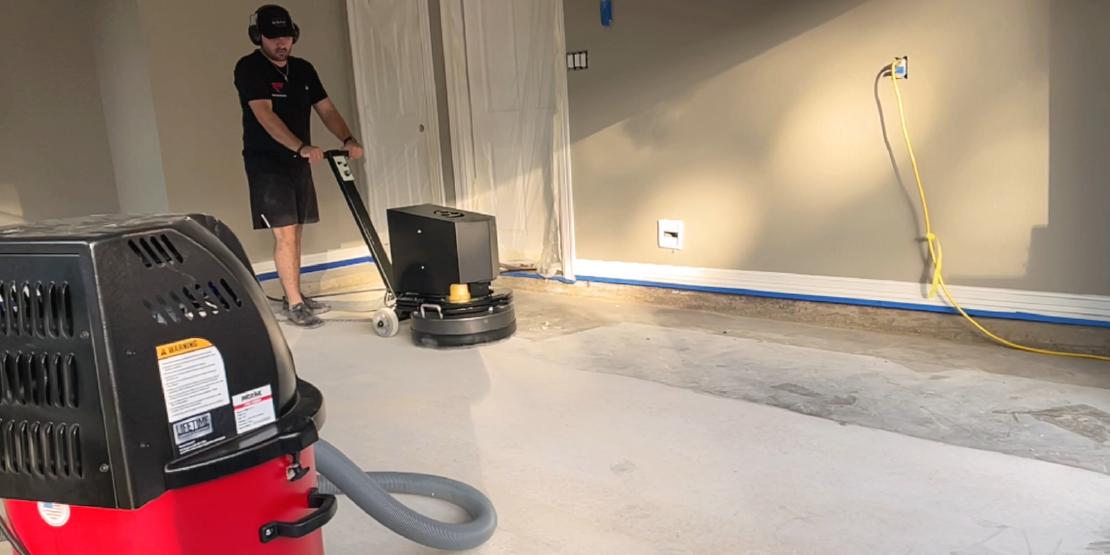

Environmental Aspects of Coating Repairs
Understanding the Impact of Coating Repairs on the Environment
Coating repairs, despite being a vital facet in maintaining infrastructure integrity, notably contribute to environmental degradation. The process involves the usage of harmful volatile organic compounds (VOCs), which when released into the atmosphere can lead to air pollution. Not only does this significantly degrade air quality, but the more insidious danger lies in the contribution of these released VOCs to the formation of ground-level ozone, a dangerous air pollutant. Lethally damaging to both human health and the ecosystem, this resultant pollution introduces numerous hazards that need to be taken into account.
The environmental impact of coating repair extends beyond air pollution, encapsulating water pollution and waste generation too. Residue and effluents from the repair process are often discharged into water bodies, causing irreversible damage to aquatic life. Additionally, the large quantity of waste generated - encompassing used coats, brushes, and discarded materials - puts strain on waste management systems. However, it’s not just the tangible waste; even the overall energy consumption during coating repair processes, powered by fossil fuels, contributes to escalating carbon emissions. As such, the environmental footprint of coating repairs is extensive and worrying, necessitating urgent scrutiny and action.
Identifying the Potential Hazards Involved in Coating Repairs
Coating repairs, though seemingly mundane, pose a diverse range of potential hazards, both to individuals and the environment. Hazardous Chemicals are typically involved in such processes, posing a direct threat to the health of the workers exposed to them. Frequently used substances such as lead, chromium, and cadmium, often found in anti-corrosion coatings, can cause serious health issues, including lung cancer, kidney damage, and neurological disorders. The risk further escalates due to the lack of proper protective gear, inadequate ventilation, and poor handling techniques.
On a broader scale, the environmental damage caused by coating repairs is substantial. Many chemicals used in these operations are Volatile Organic Compounds (VOCs) and heavy metals, known to pollute both air and waterways significantly. Additionally, the energy-intensive nature of coating processes renders them a significant contributor to greenhouse gas emissions, hence aggravating global warming. Mismanaged waste disposal following repair processes also stands as a glaring issue, threatening ecosystems and biodiversity. Thus, the risks extend beyond immediate human health and infiltrate our environment drastically.
Analysing the Need for Eco-Friendly Alternatives in Coating Repairs
In today’s rapidly changing world, the ever-growing concern for the environment is beginning to define various industrial practices. Traditional coating repair methods have been called into question due to their negative impact on the environment, mainly due to the harmful chemicals, solvents, and high energy consumption associated with these processes. Coating repairs, evidently, are no exception and must conform to these rising ecological standards.
The development of eco-friendly alternatives is a pressing concern that needs immediate attention. It is not enough to simply minimize waste or control emissions during these processes. Entirely different methods and materials need to be explored and implemented. Non-toxic materials and green technology can play a vital role in developing these sustainable methods. The ultimate goal should be to establish protective coating repair systems that optimize efficiency without compromising the overall health of the environment.
The Role of Sustainable Practices in Coating Maintenance
Sustainable practices have a significant role to fulfill in the area of coating maintenance. Coating repairs, often conducted in sectors such as automotive, marine, and industry, involve processes that can negatively impact the environment. These processes include significant energy consumption, waste creation, and emission of harmful pollutants. As a result, incorporating sustainable practices is not only an ethical choice but also a necessity to mitigate these adverse effects.
Eco-friendly alternatives in coating repairs make use of innovative technology to reduce energy consumption and waste generation. Use of such green technology includes solvent recycling systems, low energy application methods and techniques aimed at waste minimization. Replacing toxic materials with non-toxic substances reduces the emission of harmful pollutants, translating into lower air and water pollution. Additionally, proper waste management enhances the efficiency of resources and reduces the disposal of hazardous substances, contributing significantly to enhancing the overall sustainability of coating maintenance processes.
Preventing Harmful Emissions during Coating Repairs
Coating repairs represent a crucial yet overlooked element in industrial maintenance. These operations often involve the use of harsh chemicals, volatile organic compounds (VOCs), and noxious gases. Over time, these substances not only pose a threat to the health and safety of workers but also contribute substantially to air pollution. Hence, there arises an intrinsic need to devise and implement strategies to prevent harmful emissions during coating repairs.
Emission control strategies can range from simple measures like using low-VOC paints and coatings to complex filtration systems that capture and neutralize harmful pollutants. Implementing safe work practices, such as adequate ventilation, also plays an essential part in mitigating exposure to hazardous emissions. Moreover, the advent of green technology offers promising alternatives, like water-based coatings and recyclable blasting media, which will take us a step closer to attaining the objective of eco-friendly coating repairs.
Incorporating Green Technology in Coating Restoration Processes
The contribution of green technology in coating restoration processes is significant. It has become an integral part of most industries, aiming at mitigating environmental hazards associated with traditional practices. Novel bio-based coatings, utilising natural resources like plant extracts, are paving the way toward more sustainable options. Notably, these eco-friendly alternatives provide efficient performance while reducing the reliance on fossil fuels, making a large leap towards environmental sustainability.
Effective waste management during coating repair operations is another area involving green technology. The adoption of advanced filtration systems to treat and reuse waste solvent, and innovations like UV-curable coatings that produce no volatile organic compounds (VOCs), are path-breaking in reducing pollution. Also, the increased focus on energy-efficient methods, such as cold-cured coatings, significantly conserves energy, tying directly into an improved environmental footprint. Thus, green technology is fundamentally reshaping the landscape of coating repairs with a keen eye on environmental consequences.
The Importance of Waste Management in Coating Repairs
Effective waste management in coating repairs is crucial for reducing ecological damage. Various substances such as solvents, metal particles, and other waste materials result from the repair process. Left unchecked, these substances can contaminate soil, groundwater, and even the air. Thus, handling and disposing of these substances properly is critical to prevent pollution and preserve environmental health.
Coating repair industries need robust and sustainable waste management practices to monitor and reduce their environmental impact. This includes employing advanced equipment to capture and filter out pollutants, treating waste substances before disposal, and adopting safer, non-toxic materials in their repair processes. Stricter compliance with waste management regulations is pivotal for the industry’s environmental sustainability. Moreover, waste management in coating repairs also contributes to cost-efficiency. By reducing the amount of waste generated and treating it properly, companies can avoid hefty fines for non-compliance with environmental regulations. They can also minimize the risks of workplace accidents caused by improper handling or disposal of hazardous substances.
• Effective waste management reduces ecological damage: Properly disposing of solvents, metal particles, and other waste materials from coating repairs prevents contamination of soil, groundwater, and air.
• Compliance with regulations is crucial: Adhering strictly to local and international waste management rules helps industries avoid penalties while contributing to environmental conservation efforts.
• Advanced equipment aids in pollutant capture: The use of modern technology allows businesses to effectively filter out pollutants during the repair process.
• Waste treatment before disposal minimizes harm: Treating harmful substances before discarding them ensures they cause minimal damage to the environment.
• Adoption of safer materials benefits all stakeholders: Using non-toxic substances not only safeguards our planet but also protects employees’ health while enhancing a company’s reputation as an environmentally responsible entity.
In conclusion, effective waste management practices are indispensable for any industry involved in coating repairs. It not only preserves our environment but also promotes economic sustainability through cost savings. Therefore, adopting such practices should be given utmost priority for both ethical reasons and long-term business success.
How Coating Repairs Contribute to Air and Water Pollution
Coating repairs, particularly of industrial equipment and machinery, can significantly contribute to air and water pollution if not managed properly. This is due to the harmful chemicals and solvents often used in conventional coating materials. Volatile organic compounds (VOCs), predominantly found in these materials, evaporate into the air during application and curing processes. This not only leads to air contamination, but also poses immense health risks to the workers and surrounding communities. Furthermore, the emission of VOCs is a key contributor to the formation of ground-level ozone, a primary component of smog, which is linked to numerous respiratory health concerns, including asthma and chronic obstructive pulmonary disease.
On the water pollution front, careless disposal of leftover coating materials and cleaning solvents can contaminate waterways. Heavy metals like lead, arsenic, and chromium, prevalent in many industrial coatings, can leach into groundwater or run off into rivers and seas when such waste is not properly managed. These pollutants can detrimentally affect aquatic life, disrupting ecosystems and contaminating food chains. Additionally, the pollution can pose a serious risk to human health through contamination of drinking water sources or consumption of polluted seafood.
Promoting the Use of Non-Toxic Materials in Coating Repairs
The traditional approach to coating repairs often involves the use of toxic materials that are harmful to both humans and the environment. These substances typically contain volatile organic compounds (VOCs) which, once released into the air, contribute to air pollution and even climate change. Notably, the hazardous waste generated during these processes also finds its way into our soil and water bodies, adversely affecting ecosystems and potentially infiltrating human food sources.
In light of these stark realities, the promotion of non-toxic materials in the sphere of coating repairs can no longer be overlooked. Not only do these substitutes offer a safer working environment for the labor force, but they also significantly reduce the detrimental environmental impact inherent in traditional methods. With alternative materials such as water-based paints, coatings with low VOC levels, and biodegradable solvents, it is possible to perform necessary repair works without endangering the well-being of the planet.
Examining the Energy Consumption in Coating Repair Processes
A significant factor in the maintenance and repair process of coatings can often be overlooked, the energy consumption and subsequent release of greenhouse gases. This can lead to increased carbon footprint, contributing to global warming. Energy consumption in coating repairs is not only about the direct electricity or fuel used during the repair process. It also extends to energy spent in the production, transportation, and eventual disposal of coating materials. The energy-intensive nature of these processes necessitate the examination of their sustainability and environmental impact.
In the coating repair industry, efforts have been made to curb this energy consumption. Commonly, this is done through strategies such as modernizing equipment and optimizing operating procedures. The introduction of green technologies like solar powered equipment, low-energy coating materials, and materials with increased lifetimes has proven pivotal. However, additional measures need to be implemented to further lower the energy usage in coating repairs, such as the adoption of resource-efficient strategies at all stages - from material production to disposal. Any reduction in energy consumption can yield significant environmental benefits, strengthening the case for a broader acceptance of eco-friendly practices in the coating repair industry.
The Connection between Coating Repairs and Climate Change
Coating repairs, regularly done in various industrial sectors, often involve the use of harmful substances with high Volatile Organic Compounds (VOCs). These VOCs, when released into the atmosphere, facilitate the formation of ground-level ozone—a major component of smog—and, in turn, contribute significantly to global warming. This relation between the emission of VOCs during coating repairs and the increasing rate of climate change is a growing concern for environmental scientists and policymakers.
Yet, the story doesn’t end there. The energy-intensive nature of coating repairs also feeds into the climate change debacle. The processes of preparation, application, and drying often require heat or electricity—forms of energy predominantly generated from burning fossil fuels. Hence, the indirect emission of greenhouse gases resultant from coating repairs further bolsters the adverse effects on our climate. This energy consumption aspect often goes unnoticed but is as crucial to address in our bid to mitigate the impacts of climate change.
Legislations and Policies Governing Environmentally Friendly Coating Repairs
In recent years, there has been growing recognition of the role of legislations and policies in promoting environmentally friendly coating repairs. Governments and regulating authorities across the globe are taking steps to ensure that industries adhere to sustainable practices in coating repairs. Regulations have been implemented to limit the release of Volatile Organic Compounds (VOCs) and hazardous air pollutants during coating operations, which are known to contribute substantially to air pollution. A major focus of these directives has been the promotion of greener options, such as waterborne and powder coatings, along with a decrease in the use of traditional solvent-based options.
Furthermore, policies are also focusing on reducing wastage and improving recycling processes associated with coating repairs. In many regions, businesses performing coating repairs are now required to follow proper waste management procedures, including the safe disposal of spent solvents and waste coatings. Innovative recycling initiatives are also being encouraged, such as the reclamation of overspray from powder coatings. Some policies and regulations even demand an Energy Management System (EMS) to optimize energy usage in coating repair processes. In this way, legislation and policies governing environmentally friendly coating repairs are pushing industries towards reducing their environmental impact.
Steps to Reduce the Environmental Footprint of Coating Repairs
The primary step in reducing the environmental impact of coating repairs is to assess the type of coating materials being used. Using eco-friendly and low volatile organic compounds (VOC) paints could greatly lessen the harmful emissions generated during the process. Furthermore, it is essential to opt for coatings that have extended durability, thus minimizing the frequency of repairs and the associated environmental impact.
The technique of application and waste disposal methods also play a crucial role in cutting down the environmental footprint. Spray applications, for instance, release less waste into the environment as compared to the traditional brush and roller techniques. Properly managing the waste left after a coating repair job - such as old paint cans, brushes, and rollers - can keep a significant amount of harmful materials out of landfills. Consequently, this will reduce the leaching of toxic substances into the groundwater.
What is the environmental impact of traditional coating repairs?
Traditional coating repairs can have a significant environmental impact. They often involve the use of toxic materials and produce harmful emissions, contributing to air and water pollution. Additionally, they may entail high energy consumption, contributing to climate change.
What hazards are involved in coating repairs?
The hazards in coating repairs primarily revolve around the use of toxic substances, which can harm both the environment and human health. Such substances can contaminate air and water resources and contribute to the greenhouse effect.
Why is there a need for eco-friendly alternatives in coating repairs?
Eco-friendly alternatives in coating repairs are necessary to reduce the environmental footprint of these operations. They can minimize harmful emissions, lower energy consumption, and prevent the use of toxic materials, thereby reducing air and water pollution.
How can sustainable practices be incorporated into coating maintenance?
Sustainable practices in coating maintenance can involve the use of non-toxic materials, incorporation of green technology, proper waste management, and adherence to environmental regulations.
What are some effective ways to prevent harmful emissions during coating repairs?
Harmful emissions during coating repairs can be prevented by using eco-friendly materials and technologies, ensuring proper ventilation, and implementing efficient waste management practices.
How does green technology play a role in coating restoration processes?
Green technology can help reduce the environmental footprint of coating restoration processes. It can enable more efficient use of energy, minimize waste, and prevent the release of toxic materials.
What is the importance of waste management in coating repairs?
Proper waste management is crucial in coating repairs to prevent the release of harmful substances into the environment. It involves safely disposing of or recycling waste materials to minimize pollution.
Can coating repairs contribute to air and water pollution?
Yes, traditional coating repairs can significantly contribute to air and water pollution through the release of toxic substances and harmful emissions. This is why environmentally friendly practices are essential.
What are some steps to reduce the environmental footprint of coating repairs?
To reduce the environmental footprint of coating repairs, it’s important to use non-toxic materials, incorporate green technology, manage waste effectively, comply with environmental regulations, and aim to reduce energy consumption.
Are there any legislations or policies governing environmentally friendly coating repairs?
Yes, there are various local, national, and international regulations that dictate the use of certain materials, emission standards, waste management practices, and more in coating repairs to ensure environmental sustainability.