
Epoxy and Polyurethane Solutions for Manufacturing Facilities
Understanding the Importance of Industrial Floor Coatings
Industrial floor coatings play an indispensable role in a robust manufacturing environment. They serve much more than a mere aesthetic function; these advanced solutions form a sturdy line of defense against various forms of damage. Designed to withstand rigorous industrial procedures, their utilization ensures protection and longevity of the factory floor. High-impact traffic, chemical spills, temperature fluctuations, and countless other potentially harmful factors stand no chance against the sturdy shield that these coatings provide.
The application of high-performance industrial floor coatings enhances the safety standards within any manufacturing facility. Epoxy and polyurethane varieties, in particular, are appreciated for their non-slip, seamless surfaces and resistance to bacteria growth. Good-quality floor coatings encourage ease of movement for machinery and personnel, thereby boosting productivity. Furthermore, they contribute to a cleaner environment by repelling dust and facilitating easier maintenance tasks. Hence, such floor coatings are indeed fundamental to the smooth and efficient functioning of manufacturing operations.
The Basics of Epoxy Coatings
Epoxy coatings are two-component products composed of one part epoxy resin and one part polyamine hardener. This combination results in a material that, once cured, offers a resilient and long-lasting coating. The process of curing involves a chemical reaction that bonds the two components together and then to the floor surface, which produces a tough, robust bond. The thickness of this protective layer can vary, adding to the versatility and usefulness of epoxy coatings in various industrial settings.
The key features of epoxy floor coatings include durability, strength, and resistance to chemicals, stains, impacts, and abrasions. Due to these traits, these coatings are an ideal choice for facilities where the floor is exposed to heavy machinery, high foot traffic, or corrosive products. Epoxy coatings are also known for their adhesive properties, which make them adhere well to concrete surfaces, providing a high level of surface bonding. These coatings additionally offer a smooth, seamless finish that is both visually appealing and easy to clean.
The Key Features of Epoxy Floor Coatings
Durability and resilience are principal traits of epoxy floor coatings. Designed to withstand a high level of wear and tear, these coatings are exceedingly long-lasting and resistant to most forms of damage. Able to endure interaction with harsh substances -including chemicals, oil, and grease- without exhibiting significant signs of wear, they remain strong under pressure, maintaining their integrity even under heavy machinery and constant foot traffic.
One of the remarkable attributes of epoxy floor coatings is their customizable aesthetic appeal. Available in a variety of colors and patterns, these customizable coatings can be tailored to match the interior style of any industrial facility. Apart from aesthetics, they offer safety enhancement by providing options for anti-slip surfaces, hence ensuring a secure working environment. In addition, they exhibit exceptional luster, contributing to a brighter workspace due to their ability to reflect light.
Benefits of Using Epoxy in Manufacturing Facilities
The utilization of epoxy coatings in manufacturing facilities offers numerous profound benefits. To begin with, these coatings are renowned for their outstanding durability, capable of withstanding harsh mechanical strains, high traffic, and abrasive cleaning agents. Therefore, they significantly reduce the requirement for floor maintenance. This robust nature, coupled with their resistance to chemical spills, makes epoxy flooring an ideal non-slip surface that enhances overall safety in any working environment.
Moreover, epoxy features superior adhesive properties, resulting in a seamless surface that not only aids in maintaining cleanliness but also imparts a professional look to the facility. They are available in a multitude of colors and can even be customized with safety striping or logo imprints, thus enhancing the aesthetic appeal. Furthermore, epoxy floors are known for their light-reflective properties, aiding in improving overall illumination without additional lighting fixtures, thus promoting energy efficiency in the long run. • The epoxy coatings’ robust nature and resistance to chemical spills ensure a safe, non-slip surface, enhancing overall safety in the working environment. • Epoxy floors require less maintenance due to their capacity to withstand harsh mechanical strains, high traffic, and abrasive cleaning agents. This reduces costs associated with regular floor upkeep. • Superior adhesive properties of epoxy result in a seamless surface that aids in maintaining cleanliness and imparts a professional look to the facility. • With an array of colors available for epoxy flooring, it allows customization according to individual preferences or business needs. It can even be customized with safety striping or logo imprints which further enhances its aesthetic appeal. • Epoxy floors are known for their light-reflective properties. They improve overall illumination without additional lighting fixtures thereby promoting energy efficiency.
In addition to these benefits, using epoxy coatings also contributes positively towards environmental sustainability. They have low volatile organic compound (VOC) emissions compared to other types of flooring materials.
• Low VOC emissions make epoxy coating an environmentally friendly choice as it helps reduce air pollution indoors and outdoors • The longevity and durability of epoxy flooring mean fewer replacements over time leading to reduced waste • Using less lighting due to the reflective nature of epoxy floors results in lower energy consumption contributing towards sustainable practices
Finally, considering cost-effectiveness over time is crucial when choosing a flooring material for manufacturing facilities. Though initial installation costs might seem higher with epoxies than other options like vinyl or tile; they offer long-term savings by reducing maintenance expenses along with providing improved performance characteristics.
• While upfront costs may be higher than alternatives such as vinyl or tiles; long-term savings through reduced maintenance makes up for this investment • Improved performance characteristics including durability against wear & tear from heavy machinery usage ensures longer lifespan thus saving on replacement costs • As they do not need frequent replacing due their longevity; it saves both money & resources making them cost-effective option
The Basics of Polyurethane Coatings
Polyurethane coatings are among the most versatile types of industrial floor coatings. Classified as high-performance resins, their chemically-cured solution offers substantial benefits. Such benefits include heavy-duty resistance to chemicals, abrasion, and impact, due to their flexible properties. What sets polyurethane apart is its extraordinary durability and ability to endure harsh conditions without chipping, peeling, or fading.
Polyurethane coatings can be either water-based or solvent-based. Generally, water-based polyurethanes are low VOC formulations, making them environmentally friendly. They also provide excellent color retention, which ensures the floor retains its original quality and finish. On the other hand, solvent-based polyurethane coatings are known for their high resistance to heat and stains. Irrespective of the type, the application process ensures a seamless surface, making them an ideal choice for manufacturing facilities.
The Key Features of Polyurethane Floor Coatings
Polyurethane coatings, widely used in industrial settings, boast a range of essential features that make them stand out in the realm of floor coatings. The inherent flexibility of polyurethane makes it a viable choice for environments where the flooring is subjected to high levels of physical stress. Its elasticity allows it to absorb shocks and heavy impacts without cracking, ensuring durability over extended periods even under punishing conditions.
Moreover, polyurethane coatings display remarkable resistance to a diverse range of chemicals. This attribute provides enhanced protection to the underlying concrete layer against corrosive substances commonly found in industrial facilities such as acid, oil, and solvents. Polyurethane floors also exhibit superior resistance against UV radiation, reducing the risk of discoloration and maintaining the aesthetically pleasing aspects of the floor’s appearance. In essence, polyurethane floor coatings offer an amalgamation of strength, durability, and aesthetics, making them a pragmatic choice for industrial flooring.
Benefits of Using Polyurethane in Manufacturing Facilities
Polyurethane floor coatings are recognized for their innate durability and resilience, significantly adding to their appeal in diverse manufacturing facilities. Able to withstand various abuses such as impact, abrasion, and chemical spills, these coatings pivotally protect the foundational concrete, preserving its integrity. Undeniably, the longevity of these coatings minimizes the need for frequent maintenance or replacement, therefore offering a cost-effective flooring solution.
Another notable benefit is the aesthetic versatility that polyurethane coatings offer. The wide spectrum of colors and finishes available allow for customization to suit the specific requirements of the facility. Moreover, they are UV resistant, which prevents yellowing over time, preserving their fresh and professional appearance. Additionally, polyurethane coatings provide a seamless and non-slip surface, thereby ensuring enhanced safety within the workspace.
Comparing Epoxy and Polyurethane Coatings
Epoxy and polyurethane coatings both hold essential places in the sector of industrial floor applications. Offering their unique features, these two types of coatings bring different sets of advantages to the table. Epoxy coatings are known for their robust and durable nature. They resist a great range of industrial chemicals, making them suitable for facilities that deal with harmful substances. Moreover, the flexibility of their design is an appealing quality, as it allows the incorporation of decorative elements or safety lines.
On the other hand, polyurethane coatings are particularly resistant to abrasion and extremely flexible. They withstand heavy-duty usage and can easily endure the tough conditions in industrial environments. A great advantage of polyurethane coatings lies in their thin application, which does not significantly alter floor levels. Furthermore, they are less sensitive to humidity and temperature during installation, which allows for a more hassle-free application process. Thus, based on their outstanding characteristics, either epoxy or polyurethane coatings could hold the solution for your specific industrial flooring needs.
Choosing Between Epoxy and Polyurethane for Your Facility
Deciding on the right industrial floor coating can have a significant impact on the function and cost-effectiveness of a facility. Both epoxy and polyurethane have their distinct advantages and applications that make them suitable for specific conditions. Epoxy coatings are renowned for their exceptional adhesive properties, durability and resistance against chemical and physical wear. They offer a high-performance smooth and glossy finish that can last many years if properly maintained. Moreover, their resistance to water, oil, and bleach makes epoxy an ideal choice in areas prone to spills.
On the other hand, polyurethane coatings are known for their flexibility, excellent resistance to abrasion, and potent protection against ultraviolet radiation. They offer high impact resistance and are more tolerant to organic solvents, lactic acids, and petroleum products. Hence, polyurethane coatings typically find greater favor in external environments or locations with potential for high physical impact or exposure to potent substances. These unique characteristics should be carefully considered when making a strategic and cost-effective decision about industrial floor coatings for any facility.
How to Apply Epoxy and Polyurethane Coatings
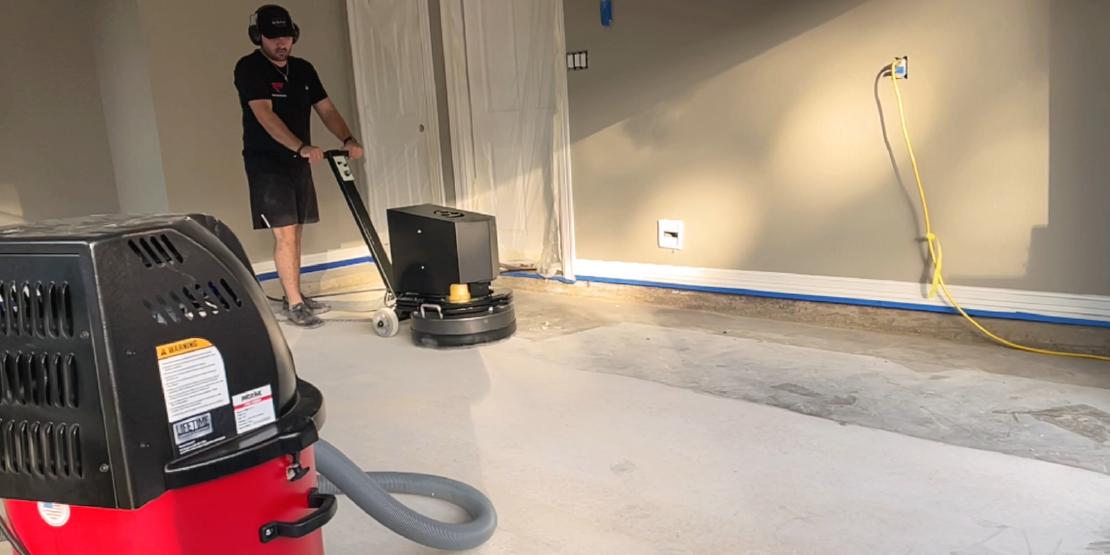
When it comes to applying epoxy coatings on industrial floors, surface preparation is key. The floor must first be thoroughly cleaned of any oil, dirt, or other contaminants. This can be achieved using industrial-grade cleaning equipment and detergents. Once the surface is clean and dry, it’s essential to fix any cracks or irregularities on the floor surface before applying the epoxy. The application process involves mixing a two-part epoxy resin and hardener, then carefully spreading the mixture on the floor using a roller or sprayer.
In contrast, when applying polyurethane coatings, the surface still needs to be clean and free from any oil or dirt, but the preparation procedure is less intensive than for epoxy. Polyurethane coatings also come in two parts that need to be mixed before use. Once prepared, the coating is applied using a roller, sprayer, or brush. It’s crucial to note that while polyurethane coatings can be applied directly over epoxy for added protection, they should not be used as a standalone coating on untreated floors due to their lack of adhesive properties. Therefore, a primer or base coating is typically applied before the polyurethane coating.
Maintenance Tips for Epoxy and Polyurethane Floors
Proper upkeep of Epoxy and Polyurethane Floors is vital for their longevity and aesthetic appeal. Regular cleaning is pivotal, keeping in mind to use a non-abrasive detergent which will not wear down the coating. Avoid using cleaners with high acidic or alkali content since these can dull the finish. Also, it’s important to remove spills promptly. Chemical spills, especially, can cause significant damage if left unattended.
Consideration should be given to the frequency and type of traffic the floor experiences. High-traffic areas might require more frequent application of a top coat to maintain their resilience and shine. Inspect the floor periodically for any signs of wear or damage. In case of visible damage, get in touch with a professional to execute an appropriate repair, eventually preventing minor issues from developing into large, costly problems. Although epoxy and polyurethane are highly durable materials, they are not invincible and care should be taken to avoid dropping heavy tools or equipment which could cause chipping or cracking. Temperature fluctuations, too, can affect the performance of the coating, hence it is advisable to maintain a consistent environment whenever possible.
Case Studies: Successful Use of Epoxy and Polyurethane in Manufacturing
In the automotive industry, a leading manufacturer was encountering issues related to the durability of their flooring system, specifically the considerable wear and tear subjected to by heavy machinery. After a detailed assessment, they decided to apply epoxy floor coatings on their assembly line. This change resulted in enhanced durability of the floors, reduced dust and contaminants, and improved safety due to the non-slip surface the epoxy coating provides. In other words, the switch to epoxy coatings significantly improved the operation, maintenance and cleanliness of the manufacturing facilities.
In another instance, a beverage processing plant was facing constant challenges relating to the hygiene and sanitary conditions of their flooring system. The solution was found in the application of polyurethane floor coatings which are known to be hygienic due to their seamless installation, resistant to chemicals and capable of withstanding high temperature ranges. After the implementation of a polyurethane floor coating, there was a remarkable improvement in the plant’s cleanliness standards, thereby meeting food safety regulations effortlessly. Moreover, the polyurethane coating’s durability factor led to reduced expenses related to flooring maintenance and repair.
Future Trends in Industrial Floor Coatings
As we look ahead, the industrial floor coatings market is projected to witness steady growth. This is predominantly driven by increased investments in the manufacturing sector worldwide and heightened emphasis on workplace safety. Epoxy and polyurethane coatings, seen at the forefront of innovation, are likely to continue playing a vital role. They are set to evolve, with increasing focus on reducing their environmental impact, and enhancing their durability, chemical resistance, and aesthetic appeal. Advanced formulations that offer faster drying times and better adhesion are also expected to emerge.
Sustainability is likely to become a key aspect as manufacturers seek to reduce their carbon footprint. There’s an increasing demand for eco-friendly coatings, with negligible volatile organic compound (VOC) emissions. In addition, due to the proliferation of digital technology, the incorporation of smart and interactive elements into floor coatings is on the horizon. This implies an impending transformation of the industrial floor coating business—an exciting prospect for all segments of the industry.
What is the significance of industrial floor coatings?
Industrial floor coatings play a crucial role in providing safety, durability, and cleanliness in industrial environments. They protect floors from damage, wear and tear, offer resistance to chemicals, and create a safer environment for workers.
Can you explain what epoxy coatings are?
Epoxy coatings are a type of industrial floor coating that consists of a two-part epoxy system – a combination of epoxy resin and hardener. This creates a hard, durable surface that can withstand heavy loads and resist chemicals.
What are some benefits of using epoxy in manufacturing facilities?
The use of epoxy in manufacturing facilities offers several benefits. It provides a high-gloss, attractive finish that can significantly brighten workspaces. Moreover, it’s resistant to water, heat, and a range of chemicals, enhancing its durability.
What are polyurethane coatings?
Polyurethane coatings are another type of industrial floor coating, known for their exceptional durability and resistance to abrasion, UV rays, and chemicals. They are also flexible, which helps absorb impacts better and prevent cracking.
How does polyurethane benefit manufacturing facilities?
Polyurethane coatings provide several benefits to manufacturing facilities, including high resistance to wear and tear, chemical spillage, and impact damage. They also offer UV resistance, maintaining the color and gloss of the floor for a longer period.
How do epoxy and polyurethane coatings compare?
Both epoxy and polyurethane coatings offer excellent protection to floors. However, epoxy provides a high-gloss finish and is more resistant to chemicals, while polyurethane is more abrasion-resistant and UV-stable.
How can I choose between epoxy and polyurethane for my facility?
The choice between epoxy and polyurethane should depend on the specific needs of your facility. Factors such as exposure to UV light, the level of chemical resistance required, and the amount of wear and tear can influence this decision.
What is the application process for epoxy and polyurethane coatings?
Both epoxy and polyurethane coatings are typically applied using a roller or sprayer. Preparation of the floor is crucial, including cleaning and priming, to ensure the coating bonds well with the surface.
Can you provide some maintenance tips for epoxy and polyurethane floors?
Routine cleaning is essential for maintaining epoxy and polyurethane floors. Avoid harsh chemicals, and use a soft broom or mop for daily cleaning. Also, periodic inspections and touch-ups can help keep the coating in optimal condition.
Can you mention some successful case studies of using epoxy and polyurethane in manufacturing?
While specific case studies can’t be mentioned here, it’s important to note that various industries, such as automotive, food processing, and pharmaceuticals, have successfully employed epoxy and polyurethane coatings to improve their work environments.
What are some future trends in industrial floor coatings?
Future trends in industrial floor coatings include a greater focus on eco-friendly, VOC-free products, increased use of antimicrobial coatings, and advancements in self-healing and smart coatings.