
Epoxy Coatings: An In-Depth Guide
Understanding the Basics of Resin-Based Surfaces
Resin-based surfaces stand among the popular choices for flooring in industrial and commercial settings today. They consist of a system of polymer components, often epoxy, acrylic, or polyurethane, mixed with different types of aggregates to form a durable, long-lasting surface. Their resistance to wear and tear, ability to endure heavyweight items, and seamless and glossy appearance make them an appealing option for garages, warehouses, and other high-traffic environments.
The type of resin and method of application can significantly impact the final product’s characteristics. For instance, epoxy resin provides a highly durable and chemical-resistant surface, while acrylic resin offers better UV resistance and a wider range of color options. Moreover, the application approach, whether self-leveling, troweled, or rolled, determines the surface thickness and finish. An understanding of these aspects is paramount when considering resin-based surfaces for different applications.
The Various Components of Resin Surfaces
Resin surfaces are typically constructed with a blend of components, each contributing to the overall functionality and durability of the surface. The primary constituents are the resin base and the aggregate. The resin base itself can be implemented in various forms such as epoxy resin, polyurethane resin, or polyester resin. This base acts as the binding agent, a sort of adhesive that fuses the materials together to create a consolidated, robust surface.
The aggregate component, on the other hand, determines the texture and physical characteristics of the surface. Aggregates could range from quartz sand to crushed stone, gravel, or glass, often complementing the resin base in strength. Moreover, a proper mix of these components on-site enables a resin surface to exhibit impressive qualities like durability, permeability, and resistance to weather conditions and heavy traffic – attributes that enhance its appeal for both domestic and commercial applications.
The Underlying Science behind Resin Surfaces
The science behind resin surfaces primarily revolves around chemical reactions and bonding. Resin, a viscous organic substance, works as a robust binder encapsulating the aggregate particles. These particles can vary, including quartz, gravel, or crushed glass, and their different characteristics aid in providing distinct properties to the final surface. The key factor here is the resin’s adhesive properties, which promote strong links between particles and an enduring cohesive strength.
Polymerization plays a significant role in creating resin surfaces. This chemical reaction takes place when the resin is mixed with a suitable hardener or catalyst, triggering a change from a liquid to a solid state. The transformation results in a durable, waterproof, and resilient surface capable of enduring adverse conditions. The properties of such surfaces make them versatile for multiple applications, such as driveways, playgrounds, and commercial areas. Each resin surface, depending on the aggregates used, offers unique aesthetics and functional benefits.
Steps to Apply Resin-Based Surfaces
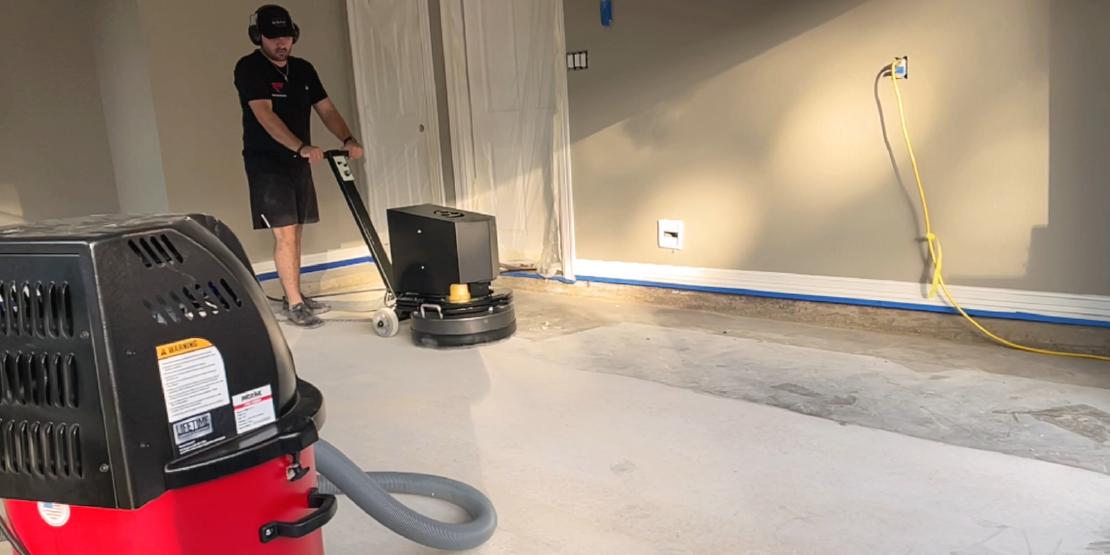
Physical preparation of the surface is crucial when applying resin-based surfaces. Initial Cleaning is essential to remove any grease or dirt that may inhibit adhesion. This can be performed using a pressure washer or a power brush. Debris Removal is then needed. All loose stones and contaminants should be removed to prevent unevenness and create a smooth base for application.
The next stage involves the Primer application. A suitable epoxy primer is spread over the prepared surface to seal it, preventing the ‘pull’ of moisture from the substrate into the resin layer. After the primer has cured, a mixture of Resin and Dried Aggregates is applied. The blend of resin and aggregates is carefully spread over the surface and then scattered with a further layer of loose aggregates for extra grip. The thickness of the floor and the type of aggregate used depend upon the intended use of the surface.
Benefits of Using Resin-Based Surfaces
Among the key benefits of resin-based surfaces, durability stands out. These surfaces are steadfast in the face of high traffic and heavy usage, making them an ideal choice for environments such as playgrounds, industrial sites, and driveways. The inherent strength of resins reduces the risk of wear and tear, thus resulting in lower maintenance costs. Equally important to note, resin surfaces often tolerate a wide range of weather conditions, from extreme heat to frost, maintaining their integrity through variable seasons.
Another splendid advantage of these surfaces is the array of aesthetic possibilities they present. Being available in a plethora of colors and textures, resin-based surfaces allow for customization according to individual preferences or specific project requirements. Furthermore, they offer a naturally slip-resistant property which boosts safety, especially in areas prone to liquid spills and wet conditions. So, along with adding a touch of elegance, they guarantee practical benefits too. Continuing on, resin-based surfaces are also known for their versatility. They can be used in a variety of settings and applications, from residential to commercial spaces. Moreover, they blend seamlessly with different types of architectural styles – whether traditional or contemporary.
• Durability: Resin-based surfaces are robust enough to withstand heavy usage and high traffic areas such as playgrounds, industrial sites, and driveways. Their inherent strength reduces the risk of wear and tear over time.
• Weather Resistance: These surfaces tolerate a wide range of weather conditions - from extreme heat to frost - without losing their integrity.
• Low Maintenance Costs: Given their durability and resistance to various elements, these surfaces require less maintenance compared to other surfacing options which translates into cost savings in the long run.
• Aesthetic Appeal: Available in an array of colors and textures, resin-based surfaces offer immense aesthetic possibilities allowing customization according to individual preferences or specific project requirements.
• Slip-Resistant Properties: Apart from being visually appealing, these surfaces are naturally slip-resistant thereby enhancing safety especially in areas prone to liquid spills or wet conditions.
In addition to these benefits is the environmental-friendliness of resin-based materials. Unlike many other surface materials that contribute negatively towards the environment through harmful emissions during production processes or disposal procedures; resins have minimal impact due largely because they’re recyclable:
• Environmental Friendly: Resin based materials have little-to-no negative effect on our environment owing it’s recyclable nature reducing waste generation significantly when compared with non-recyclable alternatives
Lastly but not least importantly is its economic advantage. Despite offering superior properties including durability aesthetics among others; resin based products remain relatively affordable making them an excellent choice for those seeking quality at a reasonable price:
• Economic Advantage: In spite of offering numerous superior qualities like durability and aesthetics among others; resin-based products remain competitively priced proving that good quality doesn’t always come at a high price point.
The Downsides of Resin Surfaces
Despite the numerous advantages of resin-based surfaces, it’s important to acknowledge that they also come with certain challenges or downsides. Firstly, while they are generally durable, they are not entirely impervious to damage. Physical impact, thermal shock, or exposure to excessive UV radiation can cause harm over time. Their impressive lifespan could be shortened substantially if not taken care of properly, leading to potential visual and structural compromise.
Secondly, the application of resin surfaces can be a complex and labor-intensive process. The careful blending and mixing of components require expertise, time and precision. Without the correct procedures, there may be issues with uneven application, improper hardening, or the development of undesired surface characteristics such as tackiness or dullness. Furthermore, the cost may also be a considerable disadvantage for some as high-quality resin surfaces are typically more expensive than other surfacing options.
Types of Resin Surfaces Suitable for Different Applications
Resin surfaces come in an array of types, each designed and formulated for specific applications. Epoxy Resin is widely used in industries such as marine, aerospace, automotive, and many more due to its excellent adhesion, high heat resistance, and excellent electrical insulation properties. This type of resin is also a go-to for artists and DIY enthusiasts who seek to create stunning, high-gloss finishes in their projects.
Polyester Resin, on the other hand, is often employed in construction, auto repair, and marine applications because of its robust and durable nature. While it holds well against impacts and has great flexibility, it does suffer in comparison to epoxy when it comes to UV resistance and longevity. Meanwhile, Acrylic Resin and Polyurethane Resin offer great UV resistance and flexibility respectively, making them suitable for outdoor applications and furniture manufacturing. Selection of the right resin type heavily relies on understanding the particular needs and requirements of the intended application.
How to Maintain and Care for Resin Surfaces
Resin surfaces are remarkably durable and resistive, yet proper maintenance can help extend their life and keep them looking pristine. They can be simply cleaned with regular household cleaners, ensuring that the surfacing remains free from dust, dirt, and grime. Use a soft-bristled brush or a mop with a non-abrasive pad to remove the loose particles. A mild, non-acidic cleaner can help remove stubborn stains, but rinsing with warm water should be done promptly post-cleaning to avoid any residues.
Despite the robust nature of resin surfaces, undue pressure or stress can cause scratches and dents. Therefore, the use of sharp objects or heavy machinery should be avoided. It’s crucial to check the surfaces routinely for any signs of wear and tear and repair such issues promptly to prevent them from worsening. Applying a good-quality sealer can protect the surface from UV affects and weather conditions, maintaining its aesthetic appeal over time. It’s important to remember that sealer reappearance terms vary based on the manufacturer’s instructions, which must be strictly followed to ensure optimal maintenance.
Resin Surfaces: A Comparison with Other Surface Materials
In the world of surface materials, resin surfaces have carved a niche for themselves with their diverse range of benefits. This uniqueness stands out more when one starts to compare them with other commonly used surface materials. For instance, take concrete surfaces, a staple in construction for decades. Despite its widespread use and affordability, concrete doesn’t have the same durability and versatility that resin offers. Concrete is prone to cracking, especially with heavy usage, and cannot be moulded into a wide range of textures, unlike resin.
Even when pitted against the elegant and rich visual aesthetics of wooden surfaces, resin continues to hold its own. Wooden surfaces are renowned for their vintage charm and warmth, however, they demand high maintenance and are easily susceptible to wear and tear. Conversely, resin surfaces are renowned for their durability and easy maintenance, adding practical utility to their aesthetic appeal. They are also versatile in design, capable of emulating the charm of wood, but without its accompanying drawbacks.
Common Challenges and Solutions in Applying Resin Surfaces
Administering resin-based surfaces can be fraught with challenges, notably temperature regulation and bubbles formation. The temperature during application should ideally maintain around 50°F to 85°F; extreme changes can cause negative reactions. Additionally, bubbles may transpire resulting from aggressive mixing, which entraps the air in the mixture, leading to an uneven surface.
However, experienced professionals employ a host of strategies to work around these issues and optimize the overall application. To ensure temperature regulation, experts suggest indoor application or utilize controlled environments while outdoor application is best done in mild weather to prevent swift curing. Moreover, addressing bubble issues, the application process can be performed slowly and cautiously, thereby reducing air entrapment. More persistent bubbles can be dealt with via a gas torch, gently passing over the surface to burst the air pockets. These practices ensure a smooth, flawless resin surface application.
Case Studies: Success Stories Using Resin Surfaces
Singapore-based hospital Khoo Teck Puat made a decision to overhaul their outdoor landscapes, forging a path towards utilizing resin-based surfaces. The sheer versatility and durability of these materials proved to be a gamechanger for this medical facility, allowing them to create unique, outdoor spaces that were both utilitarian and aesthetically pleasing. They opted for permeable resin bound surfaces, which not only improved the landscape significantly with its natural appearance, but also provided excellent drainage during the rainy season.
In another instance, a prestigious art institute in Paris utilized resin surfaces in their indoor spaces to elegant effect. Given their unique properties, these surfaces provided superior thermal comfort and improved acoustic performance within their design studios and exhibition spaces. The ultra-smooth finish with high gloss provided by epoxy resin flooring specifically added a sleek, modern touch to the space, resonating well with the contemporary art displayed. Besides aesthetics, it offered high resistance to everyday wear and tear, proving resin surfaces to be a solution that aligns aesthetics with practicality.
Future Trends in the Use of Resin Surfaces
In the near future, we can expect to see advancements in the versatility and functionality of resin surfaces. Innovation trends are leaning towards eco-friendly solutions, with a surge of interest in bio-resins - resins derived from natural sources. This shift not only showcases the enthusiasm within the industry to limit environmental impact, but it also expands the range of applications for resin surfaces. For instance, bio-resins, being naturally-derived, can harmonize more naturally with a wider range of aesthetic preferences.
Alongside sustainability, the improvements in resin durability and ease of maintenance are anticipated. New techniques are being developed to fortify resin surfaces against scratches, staining, and UV-related colour changes. Such improvements are destined to increase the lifespan of resin surfaces significantly and substantiate their value for money proposition. Technological advancements in the pipeline also include smart resin surfaces with integrated technology, promising a multitude of potential applications, such as interactive tabletops or interactive display panels.
Resources for Further Reading on Resin Surfaces
Navigating the broader field of resin surfaces can be complex, especially for those entering the subject newly. Thus, having the right resources can make a significant difference, enhancing knowledge and understanding. For a detailed insight into resin-based surfaces, ‘The Complete Guide to Resin Surfaces’ by Dr. Peter Williamson becomes an essential read. The author, with his years of expertise, explains intricate details about various types of resin surfaces, their applications, and strengths and defects.
On the hands-on side, ‘Understanding and Working with Resin Surfaces: A Comprehensive Handbook’ by Rebecca Short is an excellent practical guide. It thoroughly describes the process of applying resin-based surfaces, including common issues faced and their solutions. The book also features case studies and step-by-step pictorial guides, proving especially useful for practitioners and DIY enthusiasts. Both texts can be beneficial for anyone seeking comprehensive resources on resin surfaces.
What are the basics of resin-based surfaces?
The basics of resin-based surfaces include understanding what resin is, how it’s used in surface coating, and the properties that make it a suitable material for this purpose.
Can you describe the components of resin surfaces?
Resin surfaces are typically composed of the actual resin material, a hardener or curing agent, and any additional decorative elements such as pigments or embedded objects.
What is the science behind resin surfaces?
The underlying science of resin surfaces involves the chemical reaction between the resin and the hardener which leads to the hardening and curing process, creating a durable and glossy finish.
What are the steps to apply resin-based surfaces?
The steps usually involve preparing the surface, mixing the resin and hardener, applying the mixture, spreading and levelling it, and allowing it to cure.
What are the benefits of using resin-based surfaces?
Resin-based surfaces offer benefits such as durability, a glossy finish, versatility in design and application, and resistance to moisture and UV light.
Are there any downsides to using resin surfaces?
Some downsides may include the need for precise mixing and application, sensitivity to temperature during curing, possible yellowing over time, and potential health hazards if not handled properly.
What types of resin surfaces are suitable for different applications?
The type of resin surface suitable will depend on the intended use, such as epoxy resin for high-traffic areas, polyester resin for outdoor applications, or polyurethane resin for flexible surfaces.
How can I maintain and care for resin surfaces?
Resin surfaces can be maintained by regular cleaning with a soft cloth and mild detergent, avoiding harsh chemicals, and occasionally reapplying a top coat if necessary.
How do resin surfaces compare to other surface materials?
Resin surfaces typically offer more versatility in design and longer durability compared to other surface materials, but they may require more careful application and maintenance.
What are some common challenges in applying resin surfaces?
Common challenges can include achieving a level surface, avoiding air bubbles, ensuring proper curing conditions, and maintaining safety during application.
Can you provide some success stories using resin surfaces?
Success stories can be found in a variety of settings, from artistic installations and home renovations to industrial flooring and outdoor landscaping.
Are there any future trends in the use of resin surfaces?
Future trends may involve more eco-friendly resins, advanced curing methods, and innovative design possibilities.
Where can I find more information on resin surfaces?
You can find more information on resin surfaces through specialized books, industry publications, online resources, and manufacturer or supplier websites.