
Epoxy Coatings for Chemical Resistance
Understanding the Importance of Chemical Resistant Surfaces
Chemical resistant surfaces play a vital role across a plethora of industries, from construction and manufacturing to education, medicine, and residential applications. These surfaces are specifically designed to resist the effects of potentially harmful or damaging chemicals. In factories that deal with potent reactants and corrosive materials, the ability to maintain their operational efficiency and safety is intrinsically tied to the reliability of the surfaces they operate on.
Synthetic resins, used in creating chemical resistant coatings, are essential for safeguarding surfaces from decay, wear, and contamination. The surfaces treated with resin-based coatings exhibit an extended life cycle, therefore contributing to long-term cost savings. These surfaces also contribute to the enhancement of health and safety standards. Surrounding staff and equipment are protected from chemical exposure, thus resulting in reduced risks and increased productivity. Such is the importance of chemical resistant surfaces in our daily lives and industrial applications. They serve as a silent yet robust barrier, significantly contributing to our safety and the longevity of various infrastructures.
The Science Behind Resistant Surfaces
Chemical resistance in different surfaces is an indispensable factor in various industrial and manufacturing fields. The backbone of this resistance is the molecular structure of the substances applied to these surfaces. This involves a detailed understanding of the reactionary process of different substances when exposed to chemicals. In essence, the focus is not merely on achieving a resistant surface but creating a surface that can intelligently interact with the chemical, either by nullifying its corrosive effect or by undergoing a controllable change.
Synthetic resins are a crucial component in this process due to their robust molecular makeup. Through cross-linking, a process where molecules are linked together to form a 3D network, resins are able to form an extremely tough and durable surface coating. The end product is a solid, continuous film which has superior adhesion, flexibility and chemical resistance. Furthermore, the addition of different solvents, fillers and additives into the resin compound permits a significant degree of customization, allowing for control over specific characteristics such as viscosity, elasticity, and hardness.
The Role of Synthetic Resins in Protecting Surfaces
Synthetic resins are highly adaptable substances used in the construction of chemically resistant surfaces. The materials have a range of properties that make them preferable for indoor and outdoor applications. They are hydrophobic, preventing the penetration of water that can lead to surface degradation or microbial proliferation. Moreover, resilience to corrosive reactions from various industrial, household, and environmental chemicals equips surfaces with an added layer of protection.
Additionally, synthetic resins exhibit high durability and extended lifespan, safeguarding surfaces from mechanical impact, abrasive forces, and extreme weather conditions. These properties are crucial in high-traffic areas and harsh industrial environments where wear and tear are imminent. These attributes, combined with the ability to withstand heat up to a certain degree, have made synthetic resins the material of choice for manufacturing high-performance chemically resistant surfaces.
The Advantages of Using Resin-Based Coatings
Resin-based coatings offer numerous advantages across a wide range of applications. They possess superior attributes in terms of both durability and aesthetics, making them a go-to choice for multiple industries - including construction, automotive, and maritime. These coatings are highly resistant to different chemicals, which means they can protect various surfaces from corrosive substances, thus providing a long-service life. They also possess excellent adhesion capabilities to different substrates. Therefore, resin-based coatings substantially increase the lifespan and durability of the surfaces they are applied on.
Moreover, these coatings flaunt excellent flexibility, which allows them to handle varying temperatures without cracking or peeling. They are resistant to UV light, making them less susceptible to color fading, allowing the treated surfaces to maintain their visual appeal for an extended period. Given their water and moisture resistant properties, they also prevent the growth of mold and fungi on the surfaces. Therefore, harnessing the power of synthetic resins in coatings provides an essential line of defense against chemical and physical degradation of surfaces, while maintaining their aesthetic appeal.
Factors to Consider When Choosing a Chemical Resistant Coating
When it comes to choosing a chemical resistant coating, numerous factors need to be taken into account. One of the primary considerations is the type of chemical exposure the surface is likely to face. Different types of chemical agents require different levels of resistance. Acidic substances, for instance, may need a different kind of coating compared to alkaline substances. Therefore, understanding the chemical environment is paramount for making an informed decision about the suitable coating.
Aside from this, other variables come into play as well. These include temperature tolerance, the physical properties of the surface to be coated, and desired longevity. Moreover, the coating’s adherence and ease of application must be evaluated. It’s also necessary to consider regulatory requirements and possible environmental impact. In the end, the selection should offer optimal protection but also align with the operational needs and constraints of the specific application.
How to Apply Resin-Based Coatings for Optimal Results
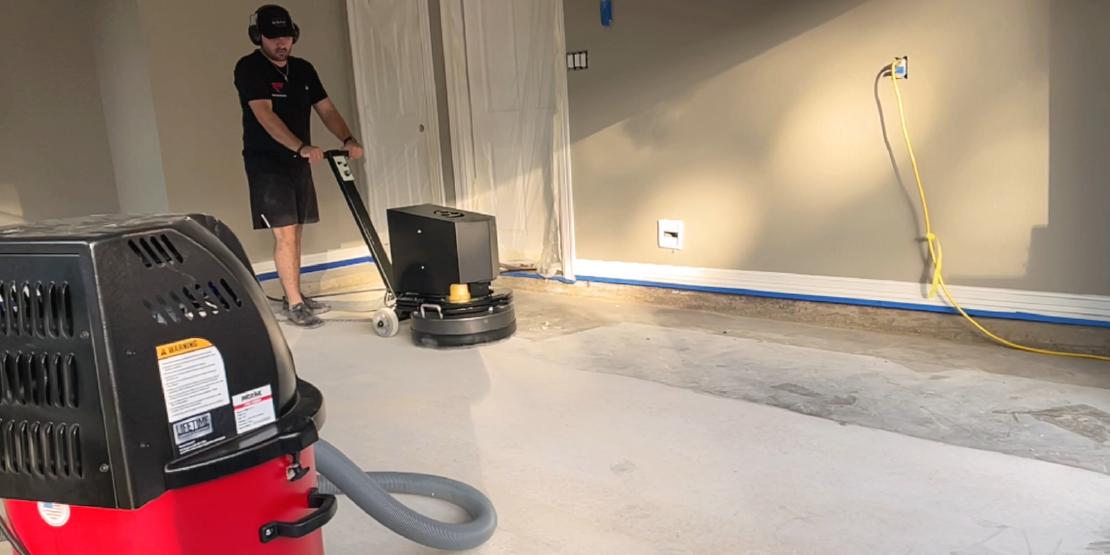
For optimal results, surface preparation is key when applying resin-based coatings. Begin by ensuring the surface is clean, dry, and free of dust or loose particles. Rough surfaces may require sanding for a smoother finish, while steel surfaces may need a primer for best adhesion. The application temperature should ideally range from 10-35°C – extreme hot or cold can affect the curing process dramatically.
Once preparation is complete, mix the resin and hardener components according to the manufacturer’s instructions. Make sure to mix thoroughly, achieving a uniform mixture. The mixed product should then be applied using a brush, roller, or spray, depending on the size and shape of the surface. An even coat is crucial, and multiple layers may be applied if necessary. Remember, curing time varies based on the specific product and environmental conditions, ensure the previous layer is completely dry before applying the next.
Proper Maintenance of Resin-Coated Surfaces
While resin-coated surfaces are known for their chemical-resistance and durability, these attributes don’t eliminate the need for regular and proper maintenance. Regular cleaning is an essential part of upkeep, but it’s important to avoid harsh or abrasive cleaners that could potentially damage the surface. Dirt, dust, and chemical spills should be immediately addressed to prevent buildup or penetration that could degrade the coating.
Over time, high traffic or heavy use may cause wear and tear on the resin coating. Routinely checking the condition of the surface helps to quickly identify any signs of damage or erosion. If degradation or damage is spotted, a partial or total re-coating may be necessary, depending on severity. This maintenance activity not only helps keep the surface in top shape but also extends the life of the coating thus, ensuring the underlying material continues to be protected against chemical exposure.
Common Challenges and Solutions in Applying Synthetic Resin Coatings
Applying synthetic resin coatings can pose a set of specific challenges that may drastically affect the resultant chemical-resistant surface. Most common among these challenges is the improper mixture of the resin base and the hardener, leading to an unsatisfactory final product. This may result in an uneven surface, improper adhesion, and deficient resistance against chemical attacks. Other hurdles may include overly rapid or delayed curing due to inaccurate temperature conditions and the victimisation of the coating surface by dust or other contaminants during the curing process.
Fortunately, most of these issues have straightforward solutions. The issue of incorrect mixture proportions can be tackled by strictly adhering to the manufacturer’s guidelines. The ambient temperature can impact the curing process significantly; therefore, coatings should be applied under controlled conditions with appropriate temperature and humidity. The challenge of surface contamination can be overcome by ensuring a clean environment before commencing the coating process. Additional precautions like using dust-free packaging and integrating a filtration system can help maintain a clean environment and thereby ensure the efficacy of the synthetically resinous coating. Moreover, some other common challenges and their respective solutions include:
• The challenge of inconsistent coating thickness: This can be addressed by using a wet film gauge during application. It will ensure even distribution of the resin coating on the surface. • Problem with air entrapment in the coating: Using a defoaming agent or applying the coatings at lower speeds could help to reduce this issue. • Difficulty in achieving desired gloss level: If high-gloss finish is required, make sure to use high-quality resins and hardeners. Also, proper mixing and application techniques are essential for achieving ideal gloss levels. • Issue with adhesion failure: To avoid such problems, surfaces should be properly prepared before applying synthetic resin coatings. Any dirt or contaminants should be removed from the surface.
In conclusion, while there are many potential challenges when it comes to applying synthetic resin coatings, most can be mitigated through careful planning and execution as well as adherence to manufacturer’s guidelines. By understanding these challenges and how they can affect your final product; you’ll better equip yourself for success in any project that involves synthetic resin applications.
Case Study: Industrial Uses of Resin-Based Coatings
In the rapidly evolving industrial landscape, resin-based coatings have been extensively adopted across various sectors. Manufacturing, automotive, aviation and maritime industries stand as prime examples of sectors that heavily rely on such coatings. They utilize chemical resistant coatings on a widespread basis for their equipment and infrastructure to combat chemical corrosion, increase lifespan, and maintain the integrity of their assets.
One instance that merits attention is the use of resin-based coatings in the automotive industry. Here, the coatings are applied to prevent corrosion in engine components and improve the overall performance of vehicles. In addition, resin-based chemical resistant coatings are commonly used in the aviation industry to protect aircrafts from atmospheric and chemical threats, ensuring a longer life span with maintained performance. For these sectors, the importance of chemical resistant surfaces cannot be overstated. Their strategic use highlights the impact of such technological advancements in maintaining safety and efficiency in the industrial realm.
Exploring the Environmental Impact of Resin-Based Coatings
The application of resin-based coatings has considerable environmental implications. These coatings consist primarily of synthetic compounds derived from non-renewable resources like petroleum. As a result, their production entails extensive energy consumption and leads to substantial carbon emissions. Furthermore, once they reach the end of their lifecycle, these coatings become a source of non-biodegradable waste, thereby contributing to landfills and pollution.
On the other hand, resin-based coatings play a crucial role in mitigating environmental damages in many industries. They prevent corrosive chemicals from damaging surfaces and leaching harmful substances into the environment. Furthermore, by extending the durability and lifespan of various materials and structures, they reduce the need for frequent replacements, thereby lowering the overall consumption of resources. Despite some negative impacts, it is noteworthy that technological advancements are underway to develop more environmentally friendly alternatives in the realm of resin-based coatings.
The Future of Synthetic Resin Coatings in the Industry
The trajectory of synthetic resin coatings in various industries undoubtedly holds a significant promise. As advances in nanotechnology and polymer sciences collide, a future with more durable, efficient, and eco-friendly coatings seems probable. Scientists are continuously developing innovative resin formulations, which could withstand harsh chemical environments better than ever before. The key focus is to formulate coatings that ensure longer life spans and superior performance while reducing maintenance costs and downtime.
Despite the current advancements, the limitless potential for the evolution of synthetic resin coatings remains largely untapped. The emergence of self-healing coatings, which possess the ability to spontaneously repair damages, is fast becoming a reality. Additionally, smart coatings with functional gadgets to monitor temperature, humidity, and damage are making a significant impact on various industries. With a concentrated effort on sustainable methods and materials, the future of synthetic resin coatings in the industry is not only progressive but also has a smaller environmental footprint.
Comparing Different Resin-Based Coatings
The landscape of synthetic resin coatings is vast and varied, with many unique formulations tailored for specific usage scenarios. First, we have the epoxy resins, prominently known for their hard and strong finish. These coatings offer superior chemical resistance, good adhesion, and durability, making them a popular choice for industrial applications such as flooring in manufacturing plants. Epoxy resins withstand heavy foot traffic and resist a range of common industrial chemicals, but tend to yellow when exposed to prolonged sunlight, potentially limiting their aesthetic appeal in outdoor settings.
On the other hand, polyurethane resins, present an attractive alternative. While polyurethanes offer a similar degree of hardness and chemical resistance to epoxies, they also display superior ultraviolet resistance, maintaining their color and gloss over time even in sun-soaked areas. This makes polyurethanes a preferred option for outdoor applications like exterior building painting or ship hull coating. However, these coatings often command a higher price point due to their additional UV-resistant properties. Understanding the unique benefits and limitations of each of these resin types can guide businesses to the most cost-effective and appropriate solution for their specific needs.
Ways to Improve the Effectiveness of Your Chemical Resistant Coating
Maximizing the effectiveness of a chemical resistant coating is paramount in environments that pose significant threats to surface integrity. One ingenious method is the strategic application of coatings in multiple layers. This homogenous approach can dramatically amplify the surface’s resistance to chemicals. Also, it provides a certain buffer if the top layer is compromised, thus ensuring the solidity and functionality of the protected material.
Evenly distributed application of your coating is another vital principle. Inconsistencies or build-ups could lead to weak spots, making surfaces more prone to reactions or degradation when in contact with chemicals. Furthermore, proper surface preparation before applying the resin-based coatings is crucial. Attention to detail, such as thorough cleaning and priming of the surface, can significantly mitigate the risk of adherence issues or the formation of bubbles, contributing to the overall efficacy of the chemical resistant coating.
Why are chemical resistant surfaces important?
Chemical resistant surfaces are important because they protect materials and infrastructure from damage caused by various chemicals. They prevent reactions, corrosion, and degradation, which can lead to failure of structures and equipment over time.
What is the science behind resistant surfaces?
Resistant surfaces are created through the application of special coatings, often synthetic resins. These coatings produce a barrier that prevents chemicals from coming into direct contact with the surface, hence preventing chemical reactions.
How do synthetic resins protect surfaces?
Synthetic resins form a dense, hard, and often flexible film on the surface of the material. This film is resistant to a wide range of chemicals, making the underlying material immune to chemical attacks.
What factors should I consider when choosing a chemical resistant coating?
Some of the factors to consider include the type of chemicals the surface will be exposed to, the expected duration of exposure, the physical conditions such as temperature and pressure, and the type of material that needs protection.
How can I apply resin-based coatings for optimal results?
Proper surface preparation, including cleaning and drying, is essential before applying the coating. Follow the manufacturer’s instructions for the application process, which may include mixing, application method, drying time, and number of coats needed.
What are some common challenges in applying synthetic resin coatings?
Some common challenges include inadequate surface preparation, incorrect mixing of the resin, applying the coating in inappropriate environmental conditions, and not allowing enough drying time between coats.
Do resin-based coatings have any environmental impact?
Yes, some types of synthetic resin coatings can have an environmental impact. This includes the emission of volatile organic compounds during application and the difficulty of disposal after use. However, many manufacturers are now developing environmentally friendly alternatives.
What is the future of synthetic resin coatings in the industry?
The future of synthetic resin coatings in the industry looks promising, with ongoing research into more durable, environmentally friendly, and cost-effective products. New applications in various industries are also being explored.
How can I improve the effectiveness of my chemical resistant coating?
To improve the effectiveness of your chemical resistant coating, ensure proper surface preparation, correct application technique, and regular maintenance. Also, always choose a coating that is specifically designed to resist the types of chemicals your surface will be exposed to.