
Epoxy Coatings for Garage Floors: A Practical Choice
Understanding the Basics of Garage Floor Finishing
Garage floor finishing is an essential undertaking that can significantly enhance the functionality and aesthetic appeal of a garage. It constitutes various procedures aimed at improving the floor’s durability and resistance to wear, tear, spills, or chemical damages. This process encompasses the selection of the right protective coating, thorough floor preparation, and proper application of the chosen coating.
Different garage floor coatings available in the market cater to diverse needs. An ideal coating is typically durable, easy to clean, resistant to chemicals and oil, and can withstand heavy traffic. This selection ranges from simple sealers to complex systems like epoxy coatings. Each category of coatings has distinct features, application procedures, and benefits, necessitating a comprehensive understanding before making a choice.
The Importance of Garage Floor Protection
Garage floor protection is a critical aspect often overlooked by most homeowners. The garage houses vehicles, tools, and outdoor gear, making it susceptible to oil spills, heavy loads, and abrasive materials. As a result, the floor suffers enormous wear and tear, not to mention potential damage from temperature fluctuations. Protecting your garage floor ensures it remains in excellent condition for a more extended period, reduces maintenance costs, and enhances the aesthetics of your garage.
Several options for protective coating exist, each with its own unique benefits. The common goal is to guard the floor against damages, making it more durable and easy to clean. Amid these options, epoxy coating stands out as the preferred choice for many. It offers superior protection against all sorts of damage, providing a seamless and shiny surface that improves the overall look of the garage. This functional and aesthetic improvement can significantly boost the value of a home, making it a smart long-term investment.
An Overview of Various Garage Floor Coating Options
The multitude of garage floor coating options available on the market today ensures that every homeowner can find a solution that best fits their specific needs. One popular choice is epoxy resin coatings, admired for their superb resistance to stains, scratches, and general wear and tear. They’re made of a mixture of hardener and resin that, once applied, hardens to form a durable, protective layer over your concrete floor. These coatings are available in a range of colors and finishes, including glossy, satin, and matte.
Another popular choice for garage floor coatings is polyurethane, celebrated for its strong chemical resistance and ability to withstand heavy impact. Polyurethane coatings are more flexible than epoxy and can resist scratches better. However, these coatings generally require more preparation before application. Other available options include latex paint and acrylic sealers, which are relatively inexpensive but require more maintenance and offer less durability. Deciding on the right choice involves considering your personal preferences, as well as the level of use and amount of wear your floor typically endures.
The Science Behind Epoxy Resins
Epoxy resins function with an unparalleled chemistry that consistently attracts attention in the field of garage floor finishing. Fundamentally, these high-performance materials are composed of two parts - the resin itself and a hardening agent, also known as a catalyst. When these compounds interact, a vigorous chemical reaction unfolds. It works through polymerization, a process that combines the resin and hardener together, resulting in a tough, plastic-like material that firmly attaches to nearly any substrate.
This strong bond and the material’s impressive robustness make epoxy a choice material for coating garage floors. It can endure chemical spills and stains, heavy traffic or impacts, and other harsh conditions while still maintaining a glossy surface. Precisely why epoxy resin, in practice, boasts impressive durability and attractive aesthetics, lending superior protection to your garage floors while improving the overall visual appeal.
The Advantages of Using Epoxy as a Garage Floor Coating
Employing epoxy as a garage floor coating offers several remarkable benefits, making it a popular choice among homeowners and commercial garage owners. Firstly, it is renowned for boosting the aesthetic appeal of garage floors. With its high-gloss finish, it can transform a dull, gray garage floor into a polished, vibrant surface that enhances the overall look of the garage. Moreover, it is available in a plethora of colors and designs, allowing users to customize the look of their garage floors to their heart’s content.
Equally significant is the durability and resilience that epoxy brings to the table. Able to withstand high-traffic environments, it is resistant to oils, greases, and many other chemicals that are typically found in a garage. This minimizes the chances of staining and makes clean-up more effortless. In addition, epoxy coated floors are slip-resistant, increasing safety. An underappreciated quality of epoxy is its light-reflective property, which can substantially improve illumination in the garage, a valuable feature for workspaces. Epoxy coating, thus, offers a perfect blend of aesthetics, sturdiness, and functionality.
A Step-by-Step Guide to Applying Epoxy Coating
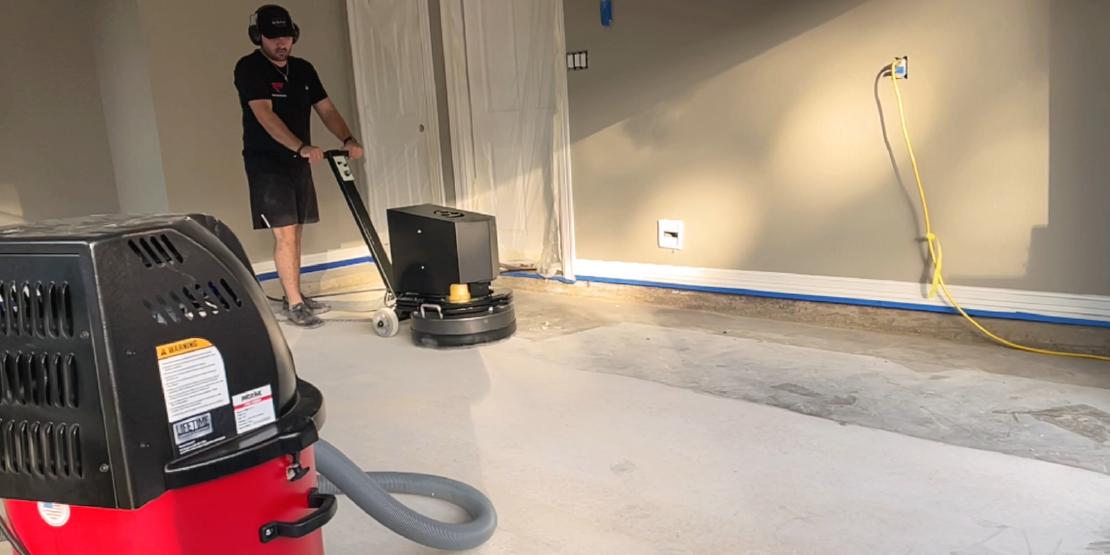
Prior to starting the application process, ensure that the garage floor is thoroughly cleaned and dried. Use a degreaser to clean off any oil spots that might be on the surface. The next step involves creating a rough texture on the garage floor using a diamond grinder or an acid etching solution. This allows the epoxy resin to adhere better to the concrete.
Mix the epoxy coating according to the manufacturer’s instructions. Some products might require a pre-mixed solution while others require on-site mixing. Once mixed, apply a thin, even coat on the garage floor using a roller brush. It’s advisable to start from the furthest corner and work backward towards the garage door to avoid painting oneself into a corner. After the initial coat, let the floor dry as per manufacturer’s guidelines, usually 12-24 hours, before applying the second coat.
How to Prepare Your Garage Floor for Epoxy Coating
When you decide to apply an epoxy coating to your garage floor, appropriate surface preparation is crucial to ensure the bond’s durability. First things first, it’s vital to clean the floor thoroughly to remove any dust, dirt, and oil stains that can interfere with the coating process. Mechanical methods like grinding or shot-blasting can be employed to remove the existing top layer, creating a smoother surface for the epoxy coating to adhere.
Once the floor is clean, check for any cracks or pits that need to be repaired before the epoxy coating application. Use an epoxy-based repair compound that can seamlessly weld with the original floor surface. Another essential step is to test the garage floor’s moisture levels. Moisture can significantly reduce the durability of the epoxy coating. If high moisture levels are detected, a waterproofing solution will be necessary before the main application. These preparation steps, while they may seem cumbersome, are imperative for a successful epoxy coating application.
The Durability and Maintenance of Epoxy Coated Floors
When examining the durability of epoxy coated floors, several factors play key roles. Firstly, the property of epoxy to withstand heavy pressure makes it popular in high traffic areas. Thanks to its non-porous surface, it repels water, oil, and other substances, reducing the risk of stains, damage, or degradation. Its resistance to chemical spills, chipping, and surface abrasion are exceptional as well. Even in extreme conditions, epoxy holds its own, with an average lifespan ranging between 5 to 10 years, if well maintained.
Maintenance of these floors is quite simple and hassle-free. Regular and thorough cleaning assist in prolonging the lifespan of epoxy coated floors. Ideally, cleaning spills immediately can prevent any potential damage. Using a mild, non-abrasive cleaning agent and soft cloth will effectively clean the surface without scratching it. Ensuring the floor is free from grit or dust not only maintains its gloss but also prevents unnecessary wear. With the correct maintenance plan, epoxy coated floors can continue to shine and perform their best for many years.
Cost Analysis: Is Epoxy Coating a Cost-Effective Choice for Your Garage
When considering the cost-effectiveness of epoxy coating for garage floors, it is crucial to address both the upfront costs and the long-term value. Upfront, epoxy coating can seem expensive, especially in comparison to basic paint or concrete sealers. Depending on the size of the garage and the complexity of the job, professional installation can range from $3 to $12 per square foot. For DIY enthusiasts, epoxy kits are widely available at a lower price, although the results may vary based on application skill.
Zooming out to a broader cost-benefit analysis reveals the long-term value of epoxy coating. The durability and low maintenance nature of epoxy coating can lead to savings over time, offsetting the initial expense. An epoxy-coated garage floor can last between 15 to 20 years with proper care, almost tripling the lifespan of simple paint job. Apart from the economic benefits, the inherent features including oil and stain resistance, and its ability to sustain high traffic without fading or peeling. These features reduces frequent repair and replacement costs, making the epoxy coating a cost-effective solution in the long run.
Factors to Consider When Choosing an Epoxy Coating
Deciding on the right epoxy coating for your garage floor requires careful evaluation of several critical aspects. Primary among these is understanding the type of wear and tear the floor will be subjected to. This will help you select a coating with the requisite strength. For garages used for storing heavy duty machinery or vehicles, a high-resistance epoxy with strong adhesion properties will be necessary. For a lighter use garage, you could explore coatings that are more about enhancing visual appeal than strength.
Another important aspect to focus on is the maintenance requirement of the epoxy. Some epoxy coatings need more frequent re-coating and maintenance than others. Carefully consider if you are ready to invest the time and effort into upkeep. Additionally, the application process is another key factor. Some epoxies are more user-friendly to apply than others. Hence, for DIY projects, it is worth exploring options that are easier to apply. You must also assess the color and gloss options available, to ensure that the aesthetic of your garage matches your desired vision.
Comparing Epoxy with Other Garage Floor Coatings
Epoxy has always been a top choice for garage floor coatings, but it’s important to compare it with other available options to make a more informed decision. Polyurethane, latex, acrylic, and polyaspartic are other widely-used garage floor coatings. Each of these choices presents unique attributes in terms of durability, application, appearance, and cost effectiveness.
Epoxy is known for its hard-wearing nature, resistance to chemicals, and breathtaking high-gloss finish. Interestingly, polyurethane also offers similar durability and resistance, with a bonus of UV resistance that epoxy lacks. Latex and acrylic are more budget-friendly choices, however, they can’t match the durability and chemical resistance offered by epoxy and polyurethane. Finally, polyaspartic provides quick curing time and extreme durability, but comes with a notably higher price tag. Therefore, the choice of garage floor coating depends on a variety of factors, including personal preferences, specific needs of the garage space, and budget considerations. Let’s delve deeper into each of these options:
● Epoxy: This is a two-component, thermosetting resin that forms a hard, glossy surface when cured. It offers excellent resistance to chemicals and abrasion, making it suitable for high-traffic areas. However, epoxy can become discolored under prolonged UV exposure.
- High durability
- Excellent chemical resistance
- Glossy finish
- Prone to discoloration from UV light
● Polyurethane: This coating is also highly durable and resistant to chemicals like epoxy but has the added advantage of being UV-resistant. Polyurethane finishes are usually less glossy than epoxy ones.
- High durability
- Excellent chemical resistance
- UV resistant
- Less glossy compared to Epoxy
● Latex/Acrylic: These water-based paints are more affordable than other coatings but offer lower performance in terms of durability and chemical resistance. They may require frequent reapplication or maintenance.
- Affordable
- Lower durability compared to Epoxy & Polyurethane
- Requires frequent maintenance
● Polyaspartic: A type of polyurea that cures very quickly (within minutes) and provides extreme durability even under harsh conditions. Despite its superior performance attributes, its higher cost makes it less accessible for some customers.
- Quick curing time
- Extreme Durability
- Higher price tag
In conclusion, while epoxy remains a popular choice due to its balance between cost-effectiveness and performance characteristics; polyurethane, latex/acrylics or polyaspartic could be considered depending on specific needs such as UV-resistance requirement (polyurethane), budget constraints (latex/acrylic) or need for quick application process (polyaspartic).
Case Studies: Real-Life Applications of Epoxy Coated Garage Floors
In a residential setting, a homeowner in the coastal city of San Diego chose to have his garage floor upgraded to an epoxy coating. His garage was primarily used for parking two cars and as a regular workspace for hobbies that included woodworking and home brewing. After six years of constant use and exposure to various elements, the epoxy coated floor still looks nearly as good as the first day it was applied. The light grey surface, interspersed with multi-coloured chips, has not only withstood the weight of vehicles and equipment but has also resisted stains from oil spills, brewing ingredients and chemicals, demonstrating the exceptional durability of epoxy coatings.
In the commercial sector, a case study involves an auto repair shop located in the hustling city of Los Angeles. The old concrete floor was worn-out, heavily stained with oil, grease and rubber marks from years of vehicular repair work. Additionally, cracks had begun to appear as years of operation took its toll. The shop decided to revamp the whole ground area and opted for an epoxy coating. Three years down the line, the repaired epoxy floor withstands the daily heavy-duty work, strenuous loads, and spillages impeccably well. The bright, high-gloss finish of the epoxy visually enhances the workspace, making it easier for workers to spot dropped nuts, bolts and other small parts, thereby improving work safety and efficiency.
Tips for Prolonging the Life of Your Epoxy Coated Garage Floor
Maintaining an optimal look and longevity for an epoxy coated garage floor doesn’t have to be complex. The first and foremost advice is to clean the floor regularly. Dust, dirt and debris can gradually wear away the epoxy coating, turning a glossy finish into a dull one. Cleaning can be accomplished with a soft bristle broom sweeping or a mop with a mild cleaning solution. For tougher stains, a scrub with a soft brush combined with a non-abrasive cleaner is recommended. Quick attention to spills, especially chemicals or solvents, ensures the epoxy coating doesn’t get compromised.
Periodic maintenance is another essential part of the longevity equation. Small chips or cracks shouldn’t be ignored, as they can expand over time and damage the integrity of the coating. Epoxy touch-up kits can quickly repair minor damages and restore the floor to its original state. Professional inspection and resealing every few years is advisable for maximum durability. A well-cared-for epoxy garage floor not only enhances the aesthetic appeal of your garage but also contributes significantly to its functionality and longevity.
What is the basic idea behind garage floor finishing?
The basic idea behind garage floor finishing is to provide a protective layer to the concrete floor, making it resistant to stains, cracks, and other damages. It also enhances the visual appeal of the garage.
Why is garage floor protection important?
Garage floor protection is crucial because it helps to prolong the life of the floor, minimizes the need for regular maintenance, and offers resistance against oil stains, chemicals, and other harsh materials.
What are some popular garage floor coating options?
Some popular garage floor coating options include epoxy, polyurethane, acrylic sealer, and latex paint.
Can you explain the science behind epoxy resins?
Epoxy resins are formed by the reaction of an epoxide resin with polyamine hardener. The chemical reaction results in a cross-linked, three-dimensional network that is extremely durable and resistant to various factors.
What are the advantages of using epoxy as a garage floor coating?
Epoxy coatings are highly durable, resistant to water and oil stains, easy to clean, and come in a variety of colors and finishes. They also add a professional, high-gloss finish to the floor.
How should I prepare my garage floor for epoxy coating?
To prepare your garage floor for epoxy coating, you should clean the concrete thoroughly, repair any cracks or holes, and make sure the surface is dry and dust-free before applying the epoxy.
How often does an epoxy coated garage floor need maintenance?
Epoxy coated garage floors are very durable and typically require minimal maintenance. Regular cleaning with a mild detergent and water is usually enough to keep them in good condition.
Is epoxy coating a cost-effective choice for my garage?
Yes, epoxy coating is a cost-effective choice for garage floors. Although the upfront cost can be higher than other options, its durability and low maintenance needs make it a cost-effective choice in the long run.
How does epoxy compare with other garage floor coatings?
Epoxy coatings are considered superior to most other garage floor coatings because of their exceptional durability, resistance to stains and chemicals, and the high-gloss finish they provide.
Can you share some tips for prolonging the life of my epoxy coated garage floor?
Sure, to prolong the life of your epoxy coated garage floor, you should avoid dragging heavy objects across the floor, clean up spills promptly, and perform regular cleaning with a soft broom or mop and a mild detergent.