
Epoxy Coatings for Industrial Strength and Performance
Understanding Industrial Strength Coatings
Industrial strength coatings are specialized products developed to offer remarkable resistance to a multitude of environmental conditions, such as extreme temperatures, corrosive chemicals, and physical damage. They serve as a protective barrier between the substrate (underlying layer) and the harsh external environment, significantly prolonging the lifespan of the product or structure they envelop. Their robust nature is primarily attributed to the complex combinations of resins, pigments, additives, and solvents they incorporate, each component serving a unique role towards enhancing the coating’s overall performance.
These high-performance coatings have been a game changer in a constellation of industries ranging from construction, automotive, and aerospace, to oil, gas, and marine sectors. Their versatility extends beyond merely providing a protective layer; they also contribute to aesthetics, fire resistance, and reduce maintenance costs. The application process, a significant aspect of using these coatings, requires expert knowledge due to the need for precision in factors such as temperature, humidity, and drying times. Hence, understanding the intricacies of industrial-strength coatings equips industries with the tools to maximize their benefits while minimizing potential issues.
The Composition of High-Performance Coatings
The makeup of high-performance coatings is a delicate equilibrium of several key ingredients, each serving a unique purpose. Foremost, there exist resin systems, polymers which establish the protective coating’s backbone. They bind the other materials together, ultimately determining the coating’s primary characteristics such as flexibility, hardness, and chemical resistance. Other integral components include solvents that facilitate the coating application by maintaining viscosity and ensuring a smooth, easy-to-apply formulation.
Adding to the concoction are pigments - fine solid particles responsible for providing color, opacity, and certain mechanical properties. On the other hand, additives are used sparingly to enhance or modify specific properties based on the user requirement. Such could range from improving flow and leveling or promoting adhesion to inhibiting foam or warding off microbial attack. Lastly, in some formulations, hardeners or curing agents are used to allow the coating to set or harden after application.
The Role of Protective Coatings in Industrial Settings
Protective coatings serve a dual purpose in industrial settings. Predominantly, they offer an enhanced level of protection against environmental elements such as humidity, temperature changes, corrosion, and UV radiation, which may be detrimental to the equipment’s operation. Dealing with such aggressive factors, vulnerable surfaces require a reliable barrier. This is where the application of protective coatings comes into play. They effectively safeguard surfaces and prevent the degeneration of the substrate, thus extending the lifespan of industrial equipment and machinery.
Moreover, protective coatings in industrial settings aren’t just about tangible protection. Besides the preservation of machinery, these coatings aesthetically enhance the appearance of industrial equipment. They add a glossy finish that can withstand severe conditions and restrict the adherence of dirt and dust particles. Furthermore, certain protective coatings showcase indicators that change color in the presence of heat or chemicals. This feature is crucial as it can signal any operational anomalies in advance, promoting proactive maintenance and ensuring optimal productivity.
Advantages of Using Durable Coatings
Industrial processes are often exposed to extreme conditions such as high temperatures, corrosive substances, and excessive friction. High-performance coatings offer a first line of defence, acting as barriers that protect the structural integrity of machinery. In addition, they significantly decrease the rate of wear and tear on industrial equipment. This extends the life of these high-value items, saving businesses valuable capital and resources in the long run.
The application of durable coatings can drastically reduce maintenance needs. The reason for this lies in their formulation, which is designed to resist the strain of industrial conditions. Reduced maintenance means less frequent and shorter downtimes, resulting in higher productivity levels for industrial plants. Moreover, the lower risk of equipment malfunction brought on by wear and tear extends beyond just direct cost savings, it also contributes to increased worker safety. Therefore, durable coatings combine efficiency, cost-effectiveness, and safety for comprehensive optimisation of industrial processes.
The Application Process of High-Durability Coatings
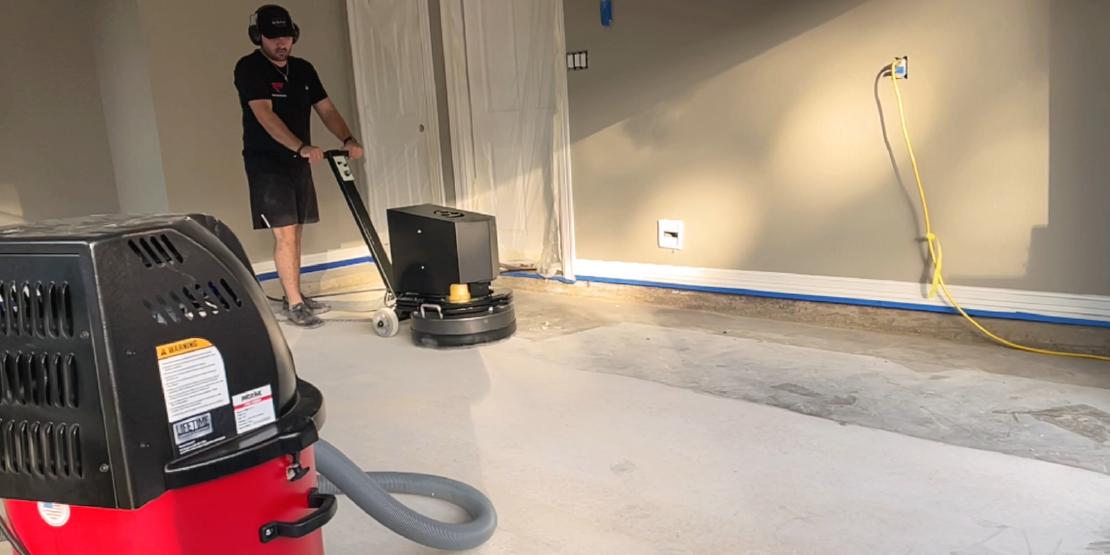
In the realm of industrial operations, the successful implementation of high-durability coatings hinges on meticulous and precise application processes. As a first step, the surfaces to be coated are thoroughly cleaned to remove any dirt, grease, or any existing poor-adherence paint. Next, surface preparation techniques such as sandblasting, grinding, or chemical treatment are employed. These procedures help to ensure optimal adhesion of the coating by creating a rough texture that effectively grips the coating.
For the actual application of high-durability coatings, various instruments including spray guns, rollers, and brushes are commonly used. The authoritative technique depends on the specific coating product, surface type, and workspace environment. Evenly distributing the coating across the surface requires skilled handling, usually necessitating multiple layers for maximum strength. After application, the coating is allowed to cure properly, the duration of which varies based on the type of coating, the thickness of the application, and atmospheric conditions. During the entirety of this process, careful inspection and quality control testing are integral to ensure a final finish that truly embodies the high-durability label.
Factors Influencing the Performance of Industrial Coatings
A myriad of factors play a significant role in determining the performance of industrial coatings. The environment in which the coating is applied, for instance, greatly impacts its overall effectiveness. Coatings applied in corrosive environments, prone to high levels of heat, humidity, or salinity, are expected to have shorter lifespans. The substrate material, whether it is steel, concrete, or a non-ferrous metal, also has a substantial effect on coating performance, different materials will require different types of coatings to ensure optimal adhesion and protection.
Another integral factor is the method of application. A poorly applied coating, regardless of its intrinsic quality, is bound to provide inadequate coverage and protective properties. This could result in flaking, de-lamination and premature failure. Preparation and cleanliness of the surface before application is a crucial step to achieve effective adhesion. Furthermore, the thickness of the coating is an influential determinant of its performance; too thin and it may not provide enough protection, while an excessively thick layer can result in cracks and a compromised coating integrity. Regular inspections and proper maintenance further guarantee the durability and extended lifespan of industrial coatings.
Maintaining and Caring for Industrial Coatings
It is critical to understand the importance of regular maintenance for industrial coatings. Even the most resilient coatings can deteriorate over time due to exposure to harsh environmental conditions, chemicals, and physical impact. These can undermine the protective functionality of the coating, leaving the material underneath susceptible to harm. Regular inspections can identify these potential issues before they escalate. Integrated maintenance programs that include cleaning, remedial work, and touch-ups help preserve the integrity of the coating and extend its lifespan.
The cleaning process differs significantly depending on the type of industrial coating. Some require specialized cleaning agents, while others can withstand strong detergents. It is also necessary to take the coating’s adhesion and abrasion resistance into account when considering the use of mechanical cleaning methods. Meanwhile, touch-ups should be carried out by trained personnel, ensuring they match the original coating’s color, gloss, and thickness as closely as possible. The selection of the correct methods, tools, and materials for maintenance not only ensures the visible conditions of the coatings but extends the effective protective period significantly.
The Lifespan of High-Strength Coatings
Industrial coatings are renowned for their long-lasting durability and enhanced performance capabilities. The lifespan of these high-strength coatings often hinges heavily on a myriad of factors including the type of coating used, the environmental conditions they are exposed to, and the quality of the application process. The longevity of these coatings can range from a reasonable five years to an impressive three decades, making them a highly advantageous investment for industries requiring substantial longevity and robust protective barriers.
When exposed to optimal conditions, with minimal abrasive contact and unfavorable environmental factors, high-strength coatings can outperform their expected lifespan. It is worth noting that these coatings’ longevity is facilitated by consistent and appropriate maintenance protocols. Given their significant lifespan and superior performance characteristics, many industries opt to utilize these high-strength coatings as an effective strategy to prolong the life of their materials and equipment, save on costs, and streamline operational efficiency. • High-strength coatings are widely used across various industries due to their long-lasting durability and improved performance capabilities. These include sectors such as the automotive, aerospace, construction, marine, and oil & gas industry.
• The lifespan of these industrial coatings is influenced by several factors: ◦ Type of Coating: Different types of high-strength coatings have varied lifespans. For instance, epoxy coatings might last up to 20 years while polyurethane can endure for around 10 years. ◦ Environmental Conditions: The conditions in which the coating is applied and operates significantly affect its longevity. Extreme temperatures or humidity levels may reduce a coating’s lifespan. ◦ Quality of Application Process: A well-executed application process ensures that the high-strength coating adheres properly to the surface it’s protecting enhancing its lifespan.
• Notably, these industrial coatings’ longevity can range between five years and an impressive thirty years when maintained under optimal conditions with minimal abrasive contact.
• Consistent maintenance plays a crucial role in extending the life span of these high-strength coatings. This includes regular inspections for signs of wear or damage and timely touch-ups or re-coatings when necessary.
• Many industries choose high-strength coatings as part of their strategy to extend the life cycle of materials and equipment. By providing a robust protective barrier against environmental elements like corrosion or UV radiation, they help maintain structural integrity over time.
• Besides prolonging material life span, using high strength-coatings also contributes towards cost savings through reduced need for replacements or extensive repairs due to premature wear out.
• Additionally, employing these durable industrial paints helps streamline operational efficiency by minimizing downtime linked with equipment maintenance procedures or unexpected breakdowns caused by insufficient protection from harsh operating environments.
Potential Issues and Solutions with Industrial Coatings
Industrial coatings undoubtedly have immense benefits; however, potential problems can arise in certain circumstances. The effectiveness of the coating could be compromised due to such issues as inadequate surface preparation, improper mixing, or incorrect application. Conditions such as extreme temperatures, humidity, or high levels of salinity can also significantly affect the coating’s performance. In addition, adhesion problems, blistering, chalking, cracking, and delamination are common issues that can occur with industrial coatings.
On the brighter side, these potential issues are not insurmountable. With detailed knowledge of the application process, correct handling, and proper precautionary measures, most of these problems can be avoided or mitigated. For instance, adhering to the manufacturer’s guidelines regarding surface preparation, mixing ratios, and application techniques could vastly improve the coating’s durability and longevity. Additionally, developing a maintenance and inspection routine can help in early identification and rectification of any arising issues. Environmentally controlled facilities offer a solution to the weather-related challenges, ensuring the performance of the industrial coating is maintained at optimal levels.
Environmental Impact of Industrial Strength Coatings
Industrial strength coatings play a significant role in protecting infrastructure, machinery, and equipment from corrosion, water damage, and chemical reactions. However, their production and application processes carry notable consequences for the environment. Many conventional coating materials are loaded with Volatile Organic Compounds (VOCs), which contribute to a variety of environmental issues. When released into the atmosphere, these substances lead to the formation of ground-level ozone, an integral component of smog, thereby exacerbating air pollution, hindering plant growth and negatively affecting human health.
In response to these issues, advancements in coating technology have prioritized the creation of more environmentally friendly options. The development of water-based and high-solids coatings showcases a proactive approach to mitigate the environmental repercussions of industrial coatings. These alternatives contain fewer VOCs and, thus, emit less harmful pollutants into the atmosphere. Additionally, advances in technology allow for biodegradable coatings, further reducing the environmental impact. The adoption of such alternatives indicates the industry’s commitment to sustainability while maintaining the high-performance characteristics necessary for industrial applications.
Safety Measures When Applying Heavy-Duty Coatings
The application of high-performance industrial coatings necessitates certain safety precautions to minimize potential hazards. Foremost among these is the use of protective equipment. It is imperative that workers don industrial safety gear such as gloves, respirators, goggles, and full-body suits. This not only shields them from direct contact with potentially harmful substances but also reduces the risk of inhalation or ingestion of toxic particles.
Moreover, it is crucial to follow proper ventilation protocols when applying heavy-duty coatings. This minimizes the build-up of hazardous fumes that can lead to a plethora of health issues including respiratory complications and eye irritations. In confined spaces, the use of specially designed venting systems is advocated. Equally vital is consistent training for workers on the correct usage of safety equipment and in-depth understanding of potential hazards linked with industrial-strength coatings.
Comparing Different Types of Industrial Coatings
Industrial settings vary greatly in the types and intensity of physical, chemical, and environmental stresses they impose on equipment and components. Hence, a vast array of industrial coatings have been developed, each formulated to meet specific needs. Two main types of these protective coatings are epoxy resins and polyurethane coatings. Epoxy resins are renowned for their robust properties including excellent adhesion, high chemical resistance, and the ability to withstand abrasive conditions. This type of coating forms a tough, hard surface that provides great protection in high traffic or heavy-duty industrial areas.
On the other hand, polyurethane coatings are admired for their superior gloss and color retention, flexibility, and resistance to UV radiation. They form a flexible film over the surface, which enables it to expand and contract without cracking or losing its protective qualities. Whereas epoxy resins offer better chemical resistance, polyurethane coatings stand out in conditions where prolonged exposure to sunlight and weathering are the primary challenges. This differentiation serves as a guidance for selecting the right coating for each specific industrial application.
Case Studies: Successful Use of High-Performance Coatings in Industries
A notable example of successful implementation of high-performance coatings is evident in the aviation industry. Aircraft parts exposed to severe environmental conditions, varying temperatures, and corrosive agents them have significantly benefited from these enduring coatings. Aircraft parts typically coated include engine parts, landing gear and fuselage sections where resistance to heat, moisture, and abrasion is crucial. Generally, specialized epoxy, polyurethane, and zinc coatings are employed to provide superior protection and extend the lifecycle of these components.
Another engaging case is observed in the maritime sector, a field known for its harsh operating conditions. The use of advanced industrial strength coatings has remarkably reduced the impact of corrosion on ships’ hulls and other submerged surfaces. The maritime industry has relied heavily on anti-fouling and anti-corrosive coatings, thus enhancing the structural integrity of vessels and ultimately extending their operational life. These high-performance coatings also present the added advantage of improving a ship’s hydrodynamic performance, ultimately contributing to better fuel efficiency and reduced emissions.
What are industrial strength coatings?
Industrial strength coatings are high-performance, durable coatings used in various industries to protect materials and surfaces from environmental factors and wear and tear.
What composes high-performance coatings?
High-performance coatings are typically composed of polymer resins, solvents, additives, and pigments. The exact composition may vary depending on the specific requirements of the application.
Why are protective coatings important in an industrial setting?
Protective coatings play a vital role in industrial settings as they protect machinery, structures, and equipment from corrosion, abrasion, chemical attacks, and extreme temperatures, thus extending their lifespan and improving their performance.
What are the advantages of using durable coatings?
Durable coatings offer several benefits such as prolonged equipment lifespan, improved performance, reduced maintenance costs, and enhanced appearance. They can also contribute to safer working environments.
How are high-durability coatings applied?
High-durability coatings are usually applied using methods like spraying, brushing, or rolling. The application process may include surface preparation, primer application, and final coating.
What factors can influence the performance of industrial coatings?
Several factors can influence the performance of industrial coatings, including the quality of the substrate, the coating composition, the environment in which it is applied, and the application technique used.
How can industrial coatings be maintained?
Regular inspections, cleaning, and touch-ups when necessary are key elements in maintaining and caring for industrial coatings.
What is the typical lifespan of high-strength coatings?
The lifespan of high-strength coatings can vary greatly depending on the environment, usage, and maintenance, but typically, they can last for many years.
What issues can arise with industrial coatings and how are they resolved?
Common issues with industrial coatings include blistering, chalking, peeling, and corrosion. These can be resolved by proper surface preparation, using the correct type of coating, and regular maintenance.
What is the environmental impact of industrial strength coatings?
Some industrial coatings can have a negative environmental impact due to the use of certain harmful chemicals. However, many manufacturers are now producing eco-friendly alternatives that are less harmful.
What safety measures are needed when applying heavy-duty coatings?
When applying heavy-duty coatings, safety measures include wearing appropriate personal protective equipment, ensuring proper ventilation, and following manufacturer’s instructions carefully.
How do different types of industrial coatings compare?
Different types of industrial coatings offer varying levels of protection, durability, finish, and application methods. The choice of coating depends on the specific requirements of the application.
Can you provide examples of successful use of high-performance coatings in industries?
High-performance coatings have been successfully used in various industries such as automotive, aerospace, marine, construction, and manufacturing. Specific case studies can provide detailed insights into their application and benefits.