
Epoxy Coatings for Outdoor Applications
Understanding the Basics of Protective Surface Treatments
Protective surface treatments serve as a crucial element in preserving the lifespan and appearance of outdoor materials. They are specially designed coatings that provide a layer of protection against various environmental elements like sunlight, rain, harsh weather conditions, pollutants, and physical damage. These treatments are indispensable for a host of outdoor surfaces ranging from building exteriors to vehicles, garden furniture, decks, and structural steelworks.
Resin-based paints form a pivotal part of protective surface treatments, particularly for exterior surfaces. Thanks to their unique properties, they can resist fading, peeling, and chalking, thereby maintaining the aesthetic value and durability of the surface. The resin in these paints acts as a binder, holding the pigment particles together to form a cohesive, hard shell that guards against the onslaught of weather and time. They are indispensable when it comes to preserving outdoor surfaces in different climatic and temperature conditions.
Benefits of Using Resin-Based Paints Outdoors
Resin-based paints provide excellent durability and a strong exterior finish that stands the test of time. As a protective surface treatment, they offer high resistance to damaging environmental elements such as sunlight, rain, frost, and humidity. Over time, this resilience to weathering helps preserve the integrity and aesthetics of the underlying material, preventing decay and discoloration. This characteristic is particularly useful for outdoor structures or installations that require a robust and reliable coating.
Switching to resin-based paints can also have significant economic benefits in the long run. While these paints may initially seem more expensive than their non-resin counterparts, they offer superior longevity, therefore reducing the frequency of repainting and all associated costs. This economic benefit extends beyond mere finances, as the reduced need for repainting also cuts down on labor and disruption to daily life, manifesting in overall convenience. Furthermore, resin-based paints often have better coverage, meaning less product is required to achieve the desired effect, translating into additional cost savings.
The Science Behind Resin-Based Coverings and Weather Resistance
The unique properties of resin-based coverings make them highly resistant to adverse weather conditions. The key lies in the chemical make-up of resin, a viscous substance derived from plants or synthetic compounds which, when dried, forms a hard, durable surface. This hardened surface presents a perfect barrier against common elements such as water, humidity, UV rays, and drastic temperature changes. Resins inherently have a low contraction rate upon solidification, which reduces the chances of cracks or peeling in fluctuating weather conditions.
In contrast to other painting solutions, the efficacy of resin-based paints largely relies on an inherent quality known as ‘Water Resistance’, which prevents moisture from seeping into the painted surface, thereby averting damage. Moreover, these paints also boast ‘UV Resistance’ attributes, allowing them to retain their color and gloss in prolonged exposure to sunlight. Such characteristics make resin-based paints an ideal choice for outdoor surface treatment, providing long-lasting protection and enhancing the aesthetic appeal.
Choosing the Right Protective Surface Treatment for Different Outdoors Scenarios
Determining the ideal protective surface treatment for outdoor scenarios hinges largely on the specifics of the environment to be managed and the scale of protection required. High levels of sun exposure, for instance, necessitate the use of UV-resistant treatments like resin-based paints, that effectively deflect harmful rays. Conversely, coastal or high-moisture environments might demand treatments with added resistance to salt or water damage. Furthermore, the degree of expected wear and tear should be factored in weaving the selection process. High foot traffic areas, for instance, would benefit from harder treatments with a track record of sustained resistance to physical distress.
Different types of surface materials will also perform best with specific types of protective treatments. Wooden surfaces, for instance, can greatly benefit from the sealing and protecting properties of resin-based paints. They penetrate wood fiber deeply, sealing it from within against moisture and decay while delivering a hardened, glossy surface exterior. On the other hand, concrete or stone surfaces might call for different treatment strategies that can handle their unique porous and textured nature. It boils down to marrying the attributes of the treatment with the demands of the surface and the environment.
How to Prepare Your Outdoor Surfaces for Resin-Based Paint Application
Preparation is key for the successful application of resin-based paints outdoors. The first step is to thoroughly clean the surface that is going to be painted. This involves removing any loose particles, dirt, grime, or old paint. Pressure washing is a highly effective method for this task, ensuring that the surface is as clean as possible. Make sure that the area is completely dry before proceeding to the next step to prevent any water-related issues.
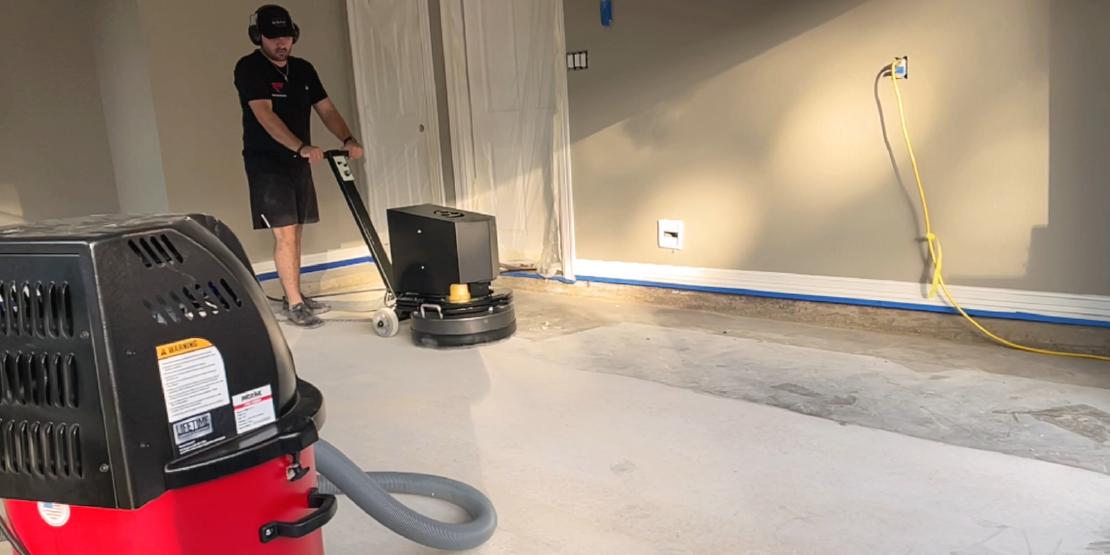
Once cleaned, the surface must be sufficiently roughened or “etched” to promote adhesion. This is particularly crucial when dealing with resin-based paints as they adhere better to rough surfaces than smooth ones. Manual sanding or chemical etching solutions can help achieve the desired surface texture. Always remember to sweep or vacuum any dust or debris after sanding to create a clean canvas for your resin-based paint application.
Step-by-Step Guide to Applying Resin-Based Paints Outdoors
Before launching into the application process of resin-based paints outdoors, it’s crucial to gather all the necessary tools. These include the resin-based paint of your choice, a high-quality brush or roller, a paint tray, fine-grit sandpaper, and a primer. Additionally, you’ll need a cleaner to ensure your surface is grease and dirt-free. While an optional step, using a sealer can also help increase the durability and longevity of your paint job.
Begin the process by cleaning your chosen outdoor surface thoroughly. Any residues of grease, dirt, or old paint can hinder the new resin-based paint from adhering correctly. Following cleaning, sand the surface slightly using the fine-grit sandpaper to promote better paint adhesion. Then, apply a layer of primer, which serves as a necessary preparatory step for most surfaces targeted for painting. Allow the primer to dry according to the manufacturer’s guidelines. Once dry, you can begin applying the resin-based paint using either a brush or roller, depending on the surface size. For the best results, two coats are recommended, allowing the first coat to dry thoroughly before applying the second one. Do remember, each brand of resin-based paint may have specific application instructions, so referring to the product manual is always beneficial.
Safety comes first; therefore, remember to adorn protective eyewear and gloves while going through this process. Also, ensure to work in a well-ventilated area or outdoors to avoid inhalation of harmful fumes. With careful execution and attention to details, your outdoor project will successfully come to life, featuring vibrant, durable, and weather-resistant surfaces.
Safety Measures to Consider when Using Resin-Based Paints
Safety precautions are critical when handling resin-based paints. They often contain volatile organic compounds which can pose a significant hazard if not managed properly. These substances can lead to skin and eye irritation, headaches, and more severe health conditions on prolonged exposure. It is therefore paramount that people cover their skin with protective clothing, use eye protection, and, if possible, work in well-ventilated areas to minimize the inhalation of these harmful chemicals.
Furthermore, proper disposal of leftover resin-based paint is crucial for environmental considerations. Incorrect disposal could lead to air, water, or soil contamination, all of which can have dire ecological consequences. Always dispose of paint waste at the recommended municipal waste disposal facility, never pour it down the drain or on the ground. Also, consider using water-based resin paints as they generally emit fewer volatile organic compounds. When dealing with resin-based paints, there are several safety measures to consider:
• Always wear protective clothing: This includes gloves, long-sleeved shirts and trousers. It’s also advisable to use an apron or overalls specifically designed for paint handling.
• Use eye protection: Safety glasses or goggles can protect your eyes from accidental splashes. If you’re spraying the paint, a full-face shield might be more suitable.
• Work in well-ventilated areas: Resin-based paints often contain volatile organic compounds which can cause health issues when inhaled. Therefore, always ensure that your working area is well ventilated - open windows and doors if possible or use fans to circulate air.
In addition to these precautions during usage of resin-based paints, proper disposal is equally important:
• Dispose of leftover paint correctly: Never pour it down the drain or on the ground as this could lead to environmental contamination. Instead, dispose of it at a recommended municipal waste disposal facility.
• Consider water-based resin paints: These types generally emit fewer volatile organic compounds and are therefore less harmful both for you and the environment.
By following these guidelines when using resin-based paints, not only will you safeguard your own health but also contribute towards protecting our environment.
Maintaining and Cleaning Surfaces Treated with Resin-Based Paints
To ensure the longevity and brilliance of surfaces adorned with resin-based paints, proper maintenance and cleaning are imperative. Resin-based paints have the advantage of being extremely durable, standing up to a range of weather conditions. They resist cracking, peeling, or flaking even in harsh environments. Regular monitoring can also help in spotting minor issues such as mold, fungus or mildew which can be cleaned with a simple solution of mild detergent and water.
When it comes to cleaning surfaces treated with these paints, be careful not to use abrasive cleaners or tools. A soft, non-abrasive cloth or sponge and mild detergent are recommended for cleaning. Rinse the surface thoroughly after cleaning to avoid any detergent residue which might hamper the glossy finish. Remember, maintaining the aesthetic appeal of your resin-based painted surfaces is easy when you follow the proper cleaning routines diligently.
Common Problems and Solutions with Resin-Based Paints Outdoors
One prevalent issue with outdoor application of resin-based paints is blistering. This unsightly defect is often caused by the expansion of trapped moisture or air underneath the painted surface. This expansion is typically triggered by heat and leads to the formation of blisters or bubbles. It’s essential to prepare the surface thoroughly before painting to avoid this problem. Ensure that the surface is completely dry and free from dirt or debris.
In case blistering occurs, a straightforward solution is to scrape off the affected paint, sand down the surface, then reapply the paint. Another common problem is fading, which is a result of continuous exposure to UV rays. To counteract this, many manufacturers now incorporate UV-resistant materials into their resin-based paints, thus improving color stability over time. However, if signs of fading are noticed, a new layer of UV-resistant resin-based paint should be applied. Remember, regular maintenance plays a key role in extending the lifespan of resin-based paint applications outdoors.
Resin-Based Paints Vs Other Outdoor Surface Treatments: A Comparative Analysis
When comparing resin-based paints to other outdoor surface treatments, one must take into consideration their distinct properties and performance characteristics. Resin-based paints possess a range of benefits that make them an excellent choice for outdoor applications. They exhibit strong adhesion, durability, and weather resistance, making them ideal for protecting surfaces exposed to harsh environmental conditions. Moreover, their versatility allows for use on a variety of surfaces such as wood, metal, concrete, and others, providing a glossy, aesthetic finish that promotes color retention and blocks UV radiation.
On the other hand, other outdoor surface treatments such as varnishes, oil-based paints, and latex paints have their specific merits and drawbacks. Varnishes, for example, are transparent and highlight the natural texture of the wood, but lack the durability and color variety offered by resin-based paints. Oil-based paints, while offering a smooth, hard finish, can be vulnerable to cracking and yellowing overtime. Latex paints are water-soluble and clean up easily, but may not be as resilient to wear and weathering as their resin-based counterparts. Thus, the choice of outdoor surface treatment largely depends on the specific needs, preferences, and circumstances of each project.
The Environmental Impact of Using Resin-Based Paints Outdoors
Resin-based paints are recognized for their durable finish and the impressive protection they offer against environmental elements. Yet, as with many manufactured products, there is an environmental impact that should be considered. These paints contain synthetic resins—typically polyurethane or acrylic—that, during production, can give off volatile organic compounds (VOCs). The release of these VOCs into the atmosphere contributes to atmospheric pollution, and this is, without doubt, an environmental drawback of using resin-based paints outdoors.
Alternatives like water-based or plant-based resin paints are becoming increasingly popular due to the lower emission of VOCs. However, these do not always provide the same level of performance or durability. Adopting safer manufacturing practices and continually improving resin technology are steps manufacturers have taken to mitigate their environmental impact. It is vital to bear in mind that the manufacturing and disposal of any kind of paint come with some level of environmental impact. But steps can be taken to minimize this, such as proper disposal of unused paint and using more eco-friendly paint options where suitable.
Case Studies of Successful Outdoor Projects Using Resin-Based Paints
Renowned for its durability and longevity, resin-based paint was the treatment of choice in the revitalization of Central Park’s outdoor furniture in New York. Years of harsh, unforgiving weather had left the park’s benches and tables faded and worn. However, after applying a couple of coats of resin-based paint in a harmonious green hue, not only were the furnishings restored to their former glory, but the paint’s weather-resistant properties ensured a longer-lasting vibrancy. This project’s success was clearly evident in overall aesthetic enhancement and the significant reduction in maintenance costs.
In another outstanding example, the Sydney Harbor Bridge decided to shift from conventional paint systems to resin-based paint. Exposure to saltwater and intense sunlight had accelerated the wear and tear on the iconic landmark. The application of a specially formulated resin paint has drastically reduced the rate of corrosion and enabled the Bridge to withstand the aggressive marine environment. The stunning transformation and the paint’s performance in retaining lustre against tough climatic conditions attest to its superiority, sparking interest from engineers and architects worldwide.
Future Trends in Protective Surface Treatments for Outdoor Use
In finetuning the science and technology of protective surface treatments for outdoor environments, significant advancements have been made to ensure longer-lasting and more resilient materials. Current trends indicate that industry leaders are progressively turning towards nanotechnology and smart coatings. Specifically, these advancements involve creating self-healing and self-cleaning surfaces. Interestingly, the application of nanotechnology allows the formulation of highly durable resin-based paints that can withstand extreme weather conditions without degrading, thus significantly increasing the longevity and quality of outdoor surfaces.
At the forefront of research and development are bio-based and eco-friendly resin alternatives. The need to reduce the environmental footprint, even as we strive to protect and preserve our outdoor spaces, is urgent and critical. Consequently, there is a surge in the production and use of resins derived from renewable resources. These so-called ‘green’ paints offer the dual benefit of robust protection combined with reduced environmental impact, implying that resin-based paints and other surface treatments are not just evolving to protect better, but to protect more responsibly.
What are protective surface treatments?
Protective surface treatments are special coatings applied on surfaces to protect them from various environmental factors, such as sun, rain, and wind, as well as from physical wear and tear.
What are the benefits of using resin-based paints outdoors?
Resin-based paints are highly durable, weather-resistant, and offer excellent adhesion. They also provide an attractive, high-gloss finish that can enhance the visual appeal of outdoor surfaces.
How does resin-based covering provide weather resistance?
The science behind resin-based coverings involves the formation of a tough, flexible layer that protects the underlying material from environmental stressors such as UV radiation, moisture, temperature extremes, and more.
How can I choose the right protective surface treatment for different outdoor scenarios?
Choosing the right protective surface treatment involves considering factors such as the type of material, the expected environmental conditions, the desired appearance, and the maintenance requirements.
What are the steps to prepare outdoor surfaces for resin-based paint application?
Preparation involves cleaning the surface to remove dirt, grease, and old paint, followed by sanding to ensure proper adhesion of the new paint. It’s also crucial to ensure the surface is dry before applying the paint.
How can I safely use resin-based paints?
Always use protective gear such as gloves and masks when handling resin-based paints. Ensure good ventilation during application and drying, and avoid contact with skin and eyes.
How can I maintain and clean surfaces treated with resin-based paints?
Regular cleaning with mild soap and water can keep surfaces looking fresh. Avoid using harsh chemicals or abrasive tools that can damage the paint.
What are some common problems with resin-based paints outdoors?
Some common problems include blistering, peeling, and discoloration, often due to improper application, inadequate surface preparation, or exposure to extreme weather conditions.
How do resin-based paints compare with other outdoor surface treatments?
Resin-based paints typically offer superior durability, weather resistance, and adherence compared to other treatments. However, they may require a more involved application process.
What is the environmental impact of using resin-based paints outdoors?
While resin-based paints can offer long-lasting protection, they can also contain volatile organic compounds (VOCs) that contribute to air pollution. It’s important to choose products with lower VOC content when possible.
Can you share some successful outdoor projects using resin-based paints?
While specific case studies may vary, resin-based paints have been used successfully in a range of outdoor projects, from home exteriors and outdoor furniture to marine and industrial applications.
What are future trends in protective surface treatments for outdoor use?
Future trends include the development of eco-friendly formulations, advancements in durability and weather resistance, and new technologies for easier application and maintenance.