
Epoxy Coatings in Commercial Spaces: Case Studies
Understanding the Basics of Commercial Space Flooring
Commercial flooring is a generic term that encompasses a wide array of materials and techniques employed in businesses and industrial settings. It must not only meet the specific aesthetic requirements of the space, but it must also withstand high traffic, resist wear and tear, and be easy to maintain. The broad spectrum of commercial flooring options includes materials such as carpet, ceramic tile, concrete, laminate, and vinyl, among others. However, a relatively new material now dominates this sector - Resin-based surfaces.
This kind of flooring, crafted from merged layers of certain resins, offers outstanding durability, aesthetic appeal and versatility—traits that make it an increasingly preferred choice for diverse commercial spaces. Resin surfaces are easy to install and offer numerous customization possibilities. They can be tinted in various colors or even textured for slip resistance, making them a smart choice for environments like restaurants, retail stores, office spaces, and industrial establishments. The striking resilience of these surfaces endows them with the capability to withstand heavy foot traffic and machinery loads, proving their efficacy in the long run.
The Role of Resin-Based Surfaces in Businesses
Resin-based surfaces play a significant role in industries spanning from retail to manufacturing, due to their unique blend of attributes. A remarkable asset of resin flooring is its unmatched durability and resilience - two prerequisites in any business environment. This type of flooring supports heavy foot traffic, machinery, and equipment without showing signs of damage or wear. As such, its industrial strength translates to a cost-effective and long-lasting solution for businesses.
The customizability of a resin floor is another advantage that lends itself well to a variety of business uses. Companies may modify the floor’s color and texture to suit their specific aesthetic or functional requirements. Furthermore, the seamless nature of resin floors, devoid of joints, reduces the likelihood of germ accumulation and makes them much easier to clean. Safety-wise, resin surfaces can be imbued with anti-slip properties, proving imperative in environments where liquid spills are commonplace, such as restaurants and industrial workshops.
Benefits of Using Resin Surfaces for Commercial Spaces
Resin surfaces offer numerous benefits that make them an ideal choice for a wide range of commercial spaces. First and foremost, their durability and resilience are exceptional, meaning they can withstand heavy traffic and constant use without significant wear and tear. This makes them particularly suitable for high-traffic areas such as shopping centers, warehouses, and restaurants.
In addition to this, resin flooring provides a high level of versatility in design. With a vast array of colors and finishes available, it can be seamlessly integrated into any architectural style or interior design concept. Resin surfaces also promote a cleaner and safer environment, as they are resistant to spills, easy to clean, and can be outfitted with anti-slip properties.
Resin floorings bring out value in terms of their cost-effectiveness. Since they typically last longer compared to other conventional flooring types, businesses end up saving money in the long run. Furthermore, resin flooring requires minimal maintenance, reducing the costs associated with regular repairs and replacements.
Decoding the Longevity and Durability of Resin Flooring
Resin-based flooring has well-established credentials when it comes to durability and longevity. This type of surface is designed to withstand considerable wear and tear without deteriorating. Not only that, but they are also chemically resistant – meaning they can easily tolerate harsh cleaning chemicals, oils, and fats without suffering damage, making them an ideal option for various businesses including factories, restaurants, and healthcare environments. Even in heavy footfall or high traffic areas, they maintain their structural integrity and aesthetic appeal.
In terms of longevity, resin-based surfaces have a clear edge over traditional flooring. With proper maintenance and care, these floors can outlast many of their counterparts by years or even decades. A high-quality resin floor efficiently bridges the chinks and irregularities in an existing substrate, delivering a perfectly seamless and durable surface. This durability extends to their ability to withstand heavy machinery, dropping weights, and other harsh impacts. When paired with their low maintenance needs, the long lifespan of resin flooring becomes a high-value proposition for commercial settings.
Highlight on the Aesthetic Appeal of Resin Surfaces
Resin surfaces possess a unique aesthetic quality that contributes significantly to enhancing the interior environment of a commercial space. The beauty of these floors lies not just in the appealing, glossy surface but also in their ability to integrate perfectly with various design themes and styles. They offer an impressive level of customization - a high degree of versatility in color and pattern selection, the ability to incorporate company logos, geometric designs, or other visual elements is an achievable feat. Moreover, the seamless nature eliminates joints and grout lines providing a smooth, uninterrupted visual appeal that is both modern and exquisite.
In addition to creating a visually pleasing environment, resin floors also play a role in improving the perceived quality and prestige of a business. The crisp, polished appearance underscores professionalism, subtly influencing clients’ perceptions and experiences. Even on a more practical level, the light-reflective nature of these floors enhances the brightness of a space, thereby reducing the need for excessive artificial lighting and contributing to a more comfortable and enticing atmosphere. In a nutshell, resin surfaces prove to be an excellent choice for businesses looking to merge style, professionalism, and practicality in their interior design approach.
Case Study 1: Resin Flooring in Restaurants
Given the rigorous demands of the restaurant industry, flooring options must be durable, hygienic, low-maintenance, and visually appealing. Resin flooring excels in each of these areas, making it a popular choice for a wide range of restaurant settings. These surfaces stand up against high footfall, an inevitable occurrence in bustling eateries. Additionally, they resist wear and tear from heavy kitchen equipment, ensuring a long lifespan and reducing the need for frequent repairs or replacement.
Resin flooring also offers a significant hygienic advantage. Unlike other flooring types, it does not harbor bacteria and germs, a particular concern when dealing with food. It is also resistant to stains and spills that are common in restaurant environments, allowing for seamless cleaning and maintenance. Besides, its modular design and broad range of color options make it an aesthetically pleasing choice, heightening the overall ambiance of the restaurant.
Case Study 2: The Use of Resin Surfaces in Retail Stores
The modern retail environment demands an aesthetically pleasing yet robust flooring solution. Resin surfaces, with their seamless finish and substantial durability, have made a significant impact in this sector. Resin flooring solutions provide a sleek, contemporary vibe that aligns brilliantly with the visual merchandising goals of many retailers. Reflecting the personality of a brand while ensuring practical functionality, resin flooring in retail spaces is a trend growing in popularity.
Resin surfaces come with an underappreciated advantage of customization. They can be tailored to match brand colors, incorporate logos or designs, and even change finishes between gloss, matte, or semi-gloss. This customization combined with the capability to withstand high foot traffic and resist wear and tear makes resin flooring an optimal choice in retail environments. As the physical representation of a brand’s identity, the retail space benefits greatly from the flexibility and resilience that resin surfaces offer.
Case Study 3: Resin-Based Surfaces in Office Spaces
In recent years, office environments have seen a growing adoption of resin-based flooring solutions. This choice is driven by the diverse and demanding needs of modern workspaces. Resin surfaces are highly customizable, delivering seamless aesthetics that match the sleek and contemporary design ethos of most offices. They offer a bright, clean, and professional look, essential in spaces where first impressions count.
Not only does a resin surface enhance the visual appeal of workplaces, but it also boasts unparalleled durability and low maintenance. Office spaces often experience heavy footfall, and under such circumstances, resin flooring proves to be significantly resistant to wear and tear. Additionally, its non-porous nature makes cleaning effortless, which allows businesses to maintain high standards of cleanliness and hygiene. The combination of aesthetic charm and functionality makes resin-based surfaces a winning choice for office spaces.
Case Study 4: The Role of Resin Flooring in Industrial Settings
In the sphere of industrial settings, the deployment of resin-based flooring has displayed significant advantages. The sector, which is categorized by heavy machinery and equipment, necessitates a sturdy, durable and resilient flooring solution. The characteristics of resin flooring aptly fulfill these criteria. It offers unmatched strength that can withstand high levels of pressure and abrasive wear, thereby bolstering the safety measures in place and reducing maintenance costs.
Furthermore, the aesthetic appeal of resin flooring provides an additional edge in industrial settings. The versatile nature of resin allows for customization in terms of color and design. Thus, industries can adhere to safety guidelines, like demarcating specific zones or pathways, and simultaneously enhance the visual appeal of the workspace. In essence, resin flooring contributes significantly towards creating a safe, functional, and aesthetically pleasing industrial environment.
Maintaining and Cleaning Resin Floors in Commercial Settings
Despite their high durability and robustness, resin floors in commercial settings require proper maintenance to retain their aesthetics and performance longevity. This process, however, does not demand complex procedures or specialized equipment. Regular sweeping or vacuuming helps to remove physical debris, preventing scratches or surface abrasion that can compromise the integrity of the resin finish. Additionally, a damp mop with a mild, pH-neutral cleaner can efficiently remove most stains without damaging the floor’s surface. Both actions combined ensure a clean and presentable platform that enhances the visual appeal of your commercial space.
In terms of professional maintenance, periodic sealing of the resin surface is recommended. This protective layer minimizes wear and tear, providing an extra barrier against mechanical damage, chemical spills, and heavy traffic loads. Absence of grooves or joints in resin flooring makes it resistant to bacterial growth and easier to clean, often with less water and fewer chemicals. Fulfilling these maintenance protocols can help to prolong the life and maintain the high-quality appearance of resin surfaces, ensuring that your commercial space leaves a positive impression on visitors and employees alike.
Comparing Resin Surfaces with Other Commercial Flooring Options
When evaluating commercial flooring options, resin surfaces often stand out due to their unique blend of practicality and aesthetic appeal. Moreover, they are renowned for their durability, resilience, and ease of maintenance. Compared to other flooring types such as carpet, hardwood, vinyl, and concrete, resin-based floors offer a plethora of benefits that may make them more suitable for commercial settings. For example, unlike carpet or hardwood surfaces that can easily absorb stain and require meticulous care, resin floors are moisture-resistant and can easily withstand daily rigorous cleaning.
One major factor that firmly positions resin surfaces above other commercial flooring options is its wide range of applicability. The versatility of this flooring type is quite impressive, as it can be used in various business settings, from industrial facilities and warehouses to restaurants and retail stores. Equally noteworthy is the superior safety aspect of resin floors, as they can be engineered with anti-slip properties, significantly reducing slip and fall accidents in the workplace. All these factors contribute to the growing inclination of businesses towards resin flooring, despite the presence of other commercial flooring options.
Overcoming Challenges in Applying Resin Surfaces
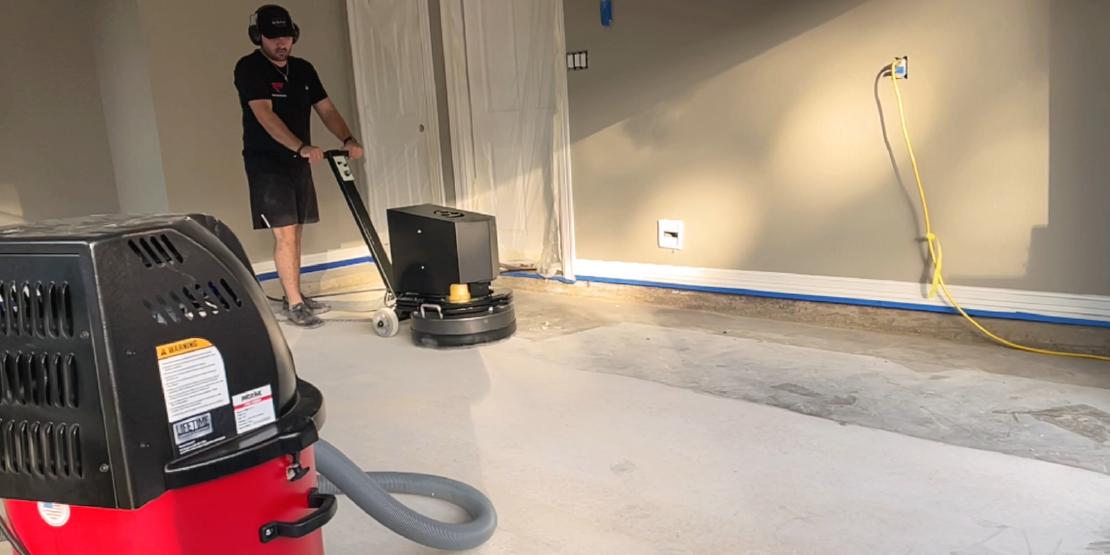
Applying resin surfaces in commercial spaces can pose various challenges, some of which are technical, while others are related to cost. Technically, the mixing and application of resin need to be executed perfectly; otherwise, it may result in an uneven finish or bubbles. The complexity of the application process often necessitates the need for skilled labor, which could escalate the cost. On a positive note, advances in technology are aiding in reducing the complexity involved in installation, enabling more businesses to take advantage of this durable and versatile flooring option.
The second challenge pertains to the initial cost of resin flooring, which can be high. Despite the long-term durability and maintenance advantages, the upfront cost can be prohibitive for some small businesses. However, when the cost is spread over the lifespan of the floor and weighed against the benefits of durability, ease of maintenance, and aesthetic appeal, resin flooring proves to be an investment worth considering for any business. With an increasing number of suppliers in the market, competitive pricing options are becoming more available to consumers. The third challenge is related to the environmental impact of resin flooring. Some types of resin are not environmentally friendly and may release harmful chemicals during installation or over time. This can be a significant concern for businesses that prioritize sustainability and wish to minimize their ecological footprint.
• Businesses need to research thoroughly on the type of resin they choose, ensuring it aligns with their commitment towards environment. • It’s advisable to opt for suppliers who offer eco-friendly options, as this will help in reducing the negative impact on the environment.
Another obstacle in applying resin surfaces comes from misconceptions about its appearance. Many people still believe that resin flooring only suits industrial settings due to its glossy finish. However, modern-day resins come in a variety of colors and finishes that can blend seamlessly into any décor style.
• Resin floors today provide an array of design opportunities - from solid colors to decorative chips and quartz blends. • A wide range of gloss levels allows businesses to choose between high-gloss shine or matte finish based on their aesthetic preference.
Lastly, there could be challenges related to maintenance if not done properly. While generally low-maintenance, some specific cleaning products should be avoided as they might damage the surface.
• Regular sweeping and mopping with mild detergents are usually enough for maintaining these floors. • Avoid using harsh chemicals or abrasive tools which can scratch or dull the surface.
In conclusion, while there are certain challenges associated with applying resin surfaces, proper planning along with informed choices can make this task less daunting. The benefits offered by durable and versatile resin flooring certainly outweigh most hurdles faced during application process.
Future Trends in Resin Flooring for Commercial Spaces
As technological advances continue to shape the construction industry, innovative changes can be expected in resin flooring for commercial spaces. These trends will not only capture aesthetics and functionality, but will also cater to various business needs. Through advanced chemistries, modifications are poised to result in superior resin floor systems with better installation techniques, durability, and performance characteristics. Embedding printed graphics and logos within the surface layer, introducing antiglare and anti-reflection properties, and producing environmentally friendly, recyclable materials are among the emerging trends.
Moreover, the introduction of self-healing resin floors, floors that can repair their own minor scratches and abrasions, is set to revolution the market. Another interesting development is the advent of resin surfaces with integrated smart technology. These digital-ready floors can serve as interactive platforms or display ads, offering a unique customer experience. With their extensive customization options and evolving properties, the future outlook for resin floors in commercial spaces shows a promising matrix of high performance, design flexibility, and innovative features.
What is resin flooring in commercial spaces?
Resin flooring refers to a type of surface that is created by mixing a selection of materials, including hardeners and resins, to form a tough, resilient coating for floors in commercial spaces.
How does resin flooring benefit commercial spaces?
Resin flooring offers numerous benefits for commercial spaces. It is incredibly durable, long-lasting, and resistant to wear and tear. It’s also aesthetically pleasing and can be customized to fit any design or color scheme. It’s easy to clean and maintain, making it a practical choice for businesses.
How durable is resin flooring?
Resin flooring is highly durable and can withstand heavy foot traffic and machinery, making it ideal for commercial and industrial settings. If properly maintained, it can last for many years without needing replacement.
How does resin flooring enhance the aesthetic appeal of a commercial space?
Resin flooring provides a seamless look that can be tailored to match any décor or brand colors, adding to the aesthetic appeal of a commercial space. Its high gloss finish can also reflect light, making the space appear more spacious and brighter.
Can you give examples of commercial spaces that use resin flooring?
Some common examples of commercial settings that often use resin flooring include restaurants, retail stores, office spaces, and industrial settings. It’s used in these settings due to its durability, aesthetic appeal, and easy maintenance.
How is resin flooring maintained in commercial settings?
Resin flooring is relatively easy to maintain. It requires regular sweeping and mopping to remove dust and debris. For stubborn stains, a mild detergent mixed with warm water can be used. Its smooth, seamless surface makes it easy to clean and prevents the accumulation of dirt and bacteria.
How does resin flooring compare with other commercial flooring options?
Compared to traditional flooring options like tiles or hardwood, resin flooring is more durable, resilient, and easy to maintain. It also offers more customization options in terms of color and design. However, it might be more costly to install initially, but its longevity often makes it a cost-effective solution in the long run.
What are some challenges in applying resin surfaces?
Some challenges in applying resin surfaces include the need for a completely clean and dry substrate before application, potential disruption to business during installation, and the requirement for a skilled installer to ensure an even and proper application.
What are the future trends in resin flooring for commercial spaces?
Future trends in resin flooring for commercial spaces include the use of more sustainable, eco-friendly materials, the development of self-healing resin floors, and the integration of smart technologies for improved functionality and convenience.