
Epoxy Solutions for Warehouses and Factories
Understanding the Need for Durable Floor Coatings
In industrial and commercial spaces, floor durability is an absolute must. Daily high traffic, heavy machinery movements, and exposure to corrosive substances demand solutions that can withstand such constant abuse. If the flooring is unable to meet these demands, the consequence could range from incessant floor repairs to catastrophic floor failures leading to work accidents, causing severe human injuries or even fatalities. Therefore, the significance of durable floor coatings cannot be underestimated.
Epoxy floor coatings are widely recognized for their superior durability and longevity. Coated floors not only stand up to the rigours of intensive usage, but they also protect the underlying concrete from moisture, stains, and cracks. Beyond durability, these floorings offer improved aesthetic appeal and enhanced safety features like anti-slip properties. They can effectively transform an ordinary concrete floor into a high-performance surface capable of enduring heavy loads and providing a reliable work surface for many years.
The Role of Epoxy in Industrial Flooring
In the grand sphere of industrial flooring, epoxy holds a paramount position. The high-gloss, durable and seamless surface created by epoxy coatings is specifically tailored to take on the rigors of constant wear and tear. Evidently, it is favoured by facilities that require heavy-duty floor surfaces, such as warehouses, manufacturing plants, commercial garages, and pharmaceutical buildings. Further, due to its resistance to chemical spills, impacts, and surface abrasions, epoxy is deemed a go-to solution for many industrial applications.
Despite its hard exterior, one of the key advantages of epoxy flooring is its flexibility in aesthetic appeal. Available in a multitude of colours and patterns, it allows companies to uphold their brand image by creating visually appealing spaces. Moreover, it is capable of incorporating graphics and safety markings directly into the floor, thereby aiding in swift navigation around large facilities. Thus, epoxy’s utility extends beyond just durability, proving its essentiality in the industrial flooring domain.
Benefits of Using Epoxy in Large Facilities
Large facilities such as airports, factory units, shopping malls, and warehouses typically bear heavy traffic and function on a round-the-clock basis. Use of epoxy floor coatings in these environments yields considerable benefits. As a robust and hard-wearing solution, epoxy can withstand the continuous grind from foot and vehicular traffic, and the unending shift of goods and machinery, thereby preventing scuffs, scratches, and surface degradation.
In addition to its incredible durability, epoxy floor coating bolsters the aesthetic appeal of large spaces. It presents a sleek, shiny, and clean surface appearance that can enhance the perception of brightness in a space by as much as 300%. More so, it is resistant to chemical spills and is easy to clean, making it a hygienic choice for large facilities. Overall, epoxy flooring proves to be a pragmatic option that expertly balances form and function.
Application Process of Epoxy Floor Coatings
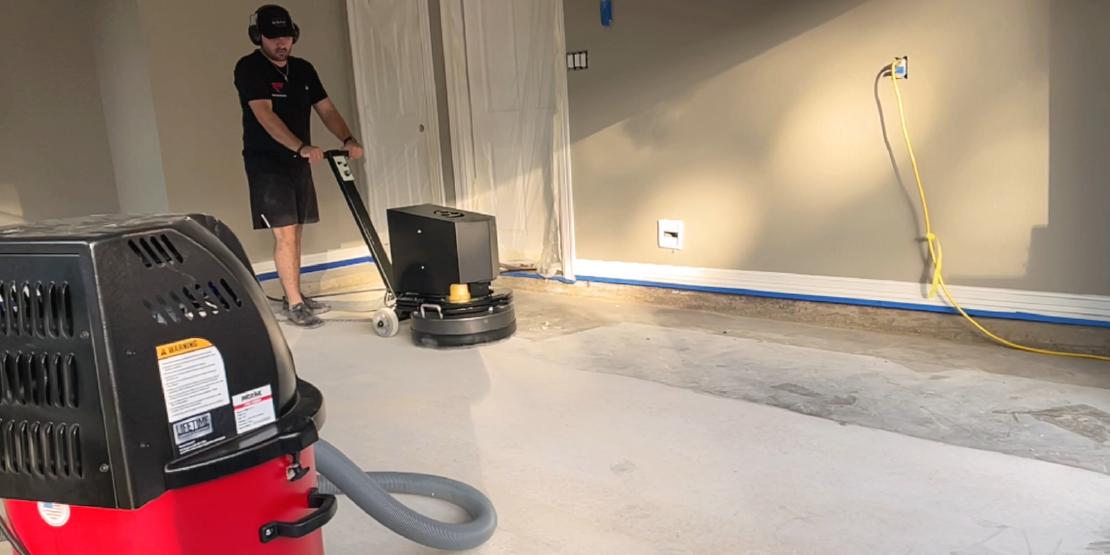
The installation of epoxy floor coatings begins with intensive floor preparation. Considering that epoxy bonds directly to the surface, it’s vital for the underlying surface to be thoroughly clean. The process usually involves diamond grinding or shot blasting of the concrete surface to create a profile suitable for the epoxy’s adhesion. This process is critical in removing any oil, dirt, or old coatings that may hinder the coating’s bond.
Once the floor is suitably prepared, a primer is then applied to further enhance the epoxy’s adhesion to the surface. The epoxy coating is then mixed and applied with a squeegee and roller. After allowing the initial coat to dry, subsequent layers are added depending on the desired thickness and surface conditions. The curing process can take several days, but once cured, the result is a resilient, glossy surface, for maximum protection against wear and tear. Following the curing period, an optional top coat can be applied. This serves to enhance the durability and aesthetic appeal of the floor. The type of topcoat used will depend on individual preferences and specific requirements such as UV resistance or slip-resistance.
• Step 1: Intensive Floor Preparation
- Ensure that the surface is thoroughly clean.
- Use diamond grinding or shot blasting techniques to create a suitable profile for epoxy adhesion.
- Remove any oil, dirt, old coatings that may hinder bond formation.
• Step 2: Primer Application - Apply primer to enhance epoxy’s adhesion to the surface. - Choose a high-quality primer designed specifically for use with epoxy coatings.
• Step 3: Epoxy Coating Mix and Application - Mix your chosen epoxy coating according to manufacturer’s instructions. - Apply using a squeegee and roller for even coverage.
• Step 4: Layering - Allow initial coat to dry completely before adding subsequent layers. - Add layers depending on desired thickness and existing surface conditions.
• Step 5: Curing Process - Allow several days for complete curing process. - Once cured, result should be resilient glossy surface resistant against wear and tear
• Optional step (Step 6): Top Coat Application – Apply topcoat if desired for additional durability or aesthetic appeal. – Consider factors like UV resistance or slip-resistance when choosing your topcoat.
Maintenance Tips for Epoxy Coated Floors
Epoxy coated floors are relatively low-maintenance compared to other types of flooring. They are durable and able to withstand heavy foot and vehicle traffic, but that doesn’t mean they don’t require proper care to stay in peak condition. Implementing effective and regular cleaning regimes is crucial to the maintenance of these flooring systems. Sweeping with a soft-bristle broom or utilizing a dust mop keeps the surface free from dirt and debris that could potentially cause scratches. For heavier soiling, mopping with mild detergent and warm water is beneficial. Where permitted, a floor scrubbing machine can be used to further enhance the cleaning process while saving time.
Certain precautions can also help prolong the life span of the epoxy coating. For instance, pads and mats can be placed in high-traffic areas like entrances to reduce the chances of introducing abrasive elements. Chemical spillages should be cleared promptly as some substances can cause discoloration or damage the coating. Vehicles and machinery on the flooring should ideally have rubber tires, as hard wheels can lead to premature wearing. It’s important to note, even though epoxy coated floors are scratch resistant, heavy objects shouldn’t be dragged across the floor. Regular checks for chips and cracks, followed by prompt repair, can also contribute to maintaining the pristine condition and aesthetics of the epoxy floor coating.
Epoxy versus Other Floor Coating Options
When examining the options available for floor coating, epoxy consistently ranks as a top contender. This isn’t by mere coincidence. Its properties of high durability, longevity, and resistance to abrasion, chemical damage, and heavy foot and vehicle traffic make it the preferred choice over other treatments like polyurethane, polished concrete, acrylic, and others. Coupled with its ease in maintenance and aesthetic benefits, epoxy surfaces have proved to be well worth the investment.
In the case of polyurethane coatings, while they offer high durability and resistance, they fall short in terms of installation. Polyurethane requires a more complex and time-consuming process, unlike epoxy that is relatively straightforward and does not require as much preparation. Meanwhile, traditional options like polished concrete might provide a sleek look but lack the level of protection and endurance epoxy carries. This places epoxy coating options not only as a leader in longevity but also convenience.
Why Choose Epoxy for High Traffic Areas
When dealing with places that experience substantial footfall or heavy machinery movement, a robust flooring solution is a necessity. This is where epoxy coatings come into play. They have been specifically designed to withstand wear and tear while delivering an aesthetic appeal. Their superior durability makes them a natural choice for high traffic areas.
The consistent performance of epoxy floor coatings even in demanding environments is another attractive feature. They resist damage from heavy loads and continuous movement, maintaining their form and function over time. This strength, combined with their potential for customization in terms of colors and textures, enhances their suitability for busy locations like industrial premises and commercial buildings.
Safety Advantages of Epoxy Floor Coatings
A primary advantage of epoxy floor coatings is its inherent safety features. First, its high-gloss finish significantly improves lighting conditions, thereby ensuring optimal visibility in industrial spaces. Furthermore, the robust and seamless nature of epoxy flooring eliminates tripping hazards often presented by cracks and joints in traditional flooring.
Moreover, certain variants of epoxy coatings come with anti-slip additives, providing an extra layer of safety, particularly in areas prone to wet conditions. Equally crucial are its resistance to extreme temperatures and fire, making it an obvious choice for environments that demand high safety standards. Remarkably, these safety benefits do not compromise the aesthetic value of epoxy floor coatings, as it offers a sleek, professional look while maintaining high-functionality.
Cost-Effectiveness of Epoxy Flooring Solutions
Epoxy flooring solutions offer a wealth of benefits, with cost-effectiveness being a particularly significant attraction. While the upfront costs of epoxy floor coating may seem substantial, considering the strength and durability that it offers makes it a wisely invested amount. The highly wear-resistant nature of epoxy floor coating prevents frequent repairs and replacements, resulting in significant savings over time. Furthermore, epoxy lasts considerably longer than many other types of floor coating, meaning its long-term cost is substantially lower.
The cost-effectiveness of epoxy flooring also extends to its maintenance needs. Epoxy coated floors are easy to clean and require less intensive maintenance, reducing the expenses associated with upkeep. The lack of porous surfaces in an epoxy coated floor means less requirement for laborious deep cleaner sessions. These savings, combined with the extended lifespan and robustness of an epoxy coated floor, make epoxy flooring a cost-effective solution for a range of industrial environments.
Epoxy Coating Lifespan in Industrial Settings
One of the many deciding factors for industry leaders when choosing a floor coating is the longevity of the product. Naturally, their preference leans towards solutions that require minimal maintenance and replacement over time. Epoxy floor coatings, known for their durability and resistance to wear, meet these requirements excellently. This attribute allows industries to focus on their core operational goals, as it eliminates frequent floor replacements and unnecessary downtime.
When properly installed and maintained, the lifespan of epoxy floor coatings can outlast other conventional floor coatings by a significant margin. The average service life of an epoxy floor coating can easily range between 10 to 20 years, depending upon the quality of the epoxy used and the severity of industrial processes employed. Factors such as foot traffic, exposure to chemicals, and abrasive materials also add to the life expectancy of this flooring type. While the up-front cost might seem more than some alternatives, the return on investment in terms of lifespan firmly positions epoxy as a preferred choice for industrial settings.
Customization Options with Epoxy Coatings
Epoxy coatings offer a versatile solution for industrial flooring needs due to their exceptional customization opportunities. This is made possible due to the wide spectrum of colors and finishes available, providing the ability to match any technical specification or aesthetic preference. Designers and facility managers can enjoy the freedom of creating visually engaging floor surfaces that complement the overall ambiance of the industrial site. Furthermore, specific designs or patterns can be integrated into the floor layout, acting as markings or indicators to enhance safety and improve workflow.
There is also a multitude of performance features that can be tailored to coincide with specific industry requirements. For instance, additives can be integrated into the epoxy coating to provide advanced resistance against harsh chemicals, static discharge, or slip hazards. Specific textures can also be embedded in the flooring depending upon the need, ranging from smooth, glossy finishes ideal for showrooms and lobbies, to coarse, matte finishes preferred for areas of heavy machinery or high foot traffic. In essence, epoxy coatings offer adaptable customization options to cater to the unique demand of every industrial environment.
Evaluating the Performance of Epoxy Coated Floors
Assessing the performance of an epoxy coated floor extends beyond mere visual appeal. Many factors contribute to the overall effectiveness of this durable flooring choice. Key indicators worthy of observation include the floor’s resistance to damage, its ability to withstand heavy loads, and the duration of its polished finish. Notably, a high-quality epoxy floor will preserve its glossy appearance even after years of heavy traffic or challenging industrial process. This endurance serves as a tangible testament to the floor’s value and resilience.
Furthermore, the effectiveness of an epoxy floor also lies in its integral safety features. Any flooring solution should prioritize user safety and overall functionality. By paying attention to these details - such as the floor’s non-slip surface, visibility under different light conditions, and resistance to chemical spillages- one gains a comprehensive understanding of its performance. Another useful performance measure is the floor’s temperature tolerance, which indicates its suitablity in varied environmental conditions. Hence, a thorough examination of these aspects enables a holistic evaluation of epoxy coated floors.
Choosing the Right Epoxy Solution for Your Needs
Ensuring an ideal fit for your unique environment, choosing the suitable epoxy flooring solution necessitates a thoughtful evaluation of both the physical conditions of your space and the specific needs of your operation. For example, a large warehouse with high traffic needs a more resilient, heavy-duty epoxy coating compared to a smaller, less trafficked commercial space. Therefore, you need to consider factors such as the volume of traffic, exposure to chemicals, existing surface condition, lighting conditions, and even aesthetic preferences when selecting an epoxy floor coating solution.
From general purpose coatings to specialized products designed for extreme conditions, the epoxy flooring market provides a wide range of options. General-purpose epoxy coatings are suitable for various environments, offering essential characteristics like enhanced durability, chemical resistance, and easy maintenance. On the other hand, specially formulated epoxy coatings can provide additional benefits such as enhanced slip resistance, increased impact resistance, or superior tolerance to extreme temperatures. Remember, the perfect epoxy solution should not only meet your current needs but also cater to potential changes in future operations.
What is the need for durable floor coatings?
Durable floor coatings are essential for areas that experience high traffic or heavy use, as they protect the underlying material from wear, damage, and erosion. They also provide an aesthetic appeal to the floor.
How does epoxy contribute to industrial flooring?
Epoxy provides a hard, durable surface that can withstand heavy traffic and use. It’s resistant to chemicals, oils, and other substances typically found in industrial settings, making it an ideal choice for such environments.
What are the benefits of using epoxy in large facilities?
Epoxy is cost-effective, durable, easy to clean and maintain, and offers safety features such as slip-resistance. It can also be customized to fit the aesthetics of the facility.
How is epoxy floor coating applied?
Epoxy is a two-part system composed of a resin and a hardener, which are mixed just before application. The area to be coated must be clean, dry, and free of any surface flaws or defects. The mixture is then applied in a series of thin layers.
What are some maintenance tips for epoxy coated floors?
Routine sweeping and mopping with a mild detergent will keep the epoxy floor looking new. Avoid using abrasive cleaners or tools that can scratch the surface.
Why should I choose epoxy over other floor coating options?
Epoxy is a durable, cost-effective option that offers superior performance and a longer lifespan compared to other floor coatings. It provides a high level of resistance to chemicals, stains, and abrasion.
Why is epoxy ideal for high traffic areas?
Epoxy is highly resistant to wear and tear, making it perfect for high traffic areas. Its seamless surface and durability also make it easy to maintain and clean.
What safety advantages does epoxy floor coating offer?
Epoxy coating can include slip-resistant additives to enhance safety. Its high gloss finish can improve brightness in a space, contributing to a safer environment.
Is epoxy flooring cost-effective?
Yes, while the initial cost of epoxy flooring can be higher than other options, its durability, low maintenance, and long lifespan make it a cost-effective choice in the long run.
How long can epoxy coating last in industrial settings?
With proper installation and maintenance, epoxy coating can last up to several years in industrial settings.
Can I customize epoxy coatings?
Yes, epoxy coatings can be customized in terms of color, textures, and patterns to fit the aesthetics of your space.
How do I evaluate the performance of epoxy coated floors?
The performance of epoxy coated floors can be evaluated based on their resistance to wear and tear, chemical resistance, aesthetics, safety features, and cost-effectiveness.
How do I choose the right epoxy solution for my needs?
Consider factors like your specific needs, the condition of your current floor, your budget, and the type of traffic the floor experiences. Consult a professional for recommendations based on these considerations.