
Essential Tools and Equipment for DIY Floor Coating
Understanding the Basics of DIY Floor Coating
The art of Do-It-Yourself (DIY) floor coating starts with a solid understanding of the steps involved and the materials required. By choosing to undertake this project yourself, you can both save costs and have control over the final outcome. It involves a process of preparing the floor, picking the right materials, and applying them with precision. The knowledge about the different available coating types and the best situations to apply them in is crucial for an effective result.
Floor preparation is of paramount importance in this process because a poorly prepared floor may lead to failure of the coating to adhere. This typically involves meticulously cleaning the floor, repairing any cracks or damages, and grinding the floor until it’s leveled and smooth. The choice of coating material usually revolves around epoxy, polyurethane, or acrylic, with each having its pros and cons. The application process also involves a decisive strategy, utilizing tools like rollers, brushes, or squeegees to achieve an even and smooth layer. The process demands patience, precision and the right protective gear to ensure personal safety while achieving professional results.
Choosing the Right Floor Coating Material
Choosing the right type of material for floor coating can make a world of difference in the ultimate success of your project. This decision should be based on numerous factors, including the area’s foot traffic, exposure to chemicals or harsh elements, aesthetic requirements, optimal aggregate loadings and budget. Specific coating materials are designed to provide certain benefits, from scratch resistance to easy maintenance and longevity.
There are a variety of floor coating materials to choose from, each with its unique characteristics. Epoxy, an incredibly durable and long-lasting coating, is one of the most popular choices. Polyurethane, on the other hand, is known for its high resistance to chemicals and UV radiation, while Polyurea boasts fast curing times. Acrylic coatings can be a more affordable alternative, offering enhanced UV stability and a clearer finish. It’s essential to understand the properties of each type to ensure you’re selecting the right floor coating material for your specific needs.
Detailed Guide on Epoxy Floor Coating
Comprised of two parts, resin and hardener, Epoxy is a chemical compound that creates a durable, tough, and resilient flooring material once mixed. It’s incredibly versatile, suitable for use in various places such as garages, basements, and industrial settings. When applied properly, this thermosetting resin forms a seamless and glossy surface resistant to chemicals, stains, and wear. The whole process requires skill, precision, and patience.
The success of epoxy floor coating lies in the proper surface preparation. The concrete floor should be clean, slightly rough, and devoid of any grease or dirt that could impede the bonding process. It is advisable to grind the floor using a floor grinder for better adhesion. After the prep work, the epoxy resin and hardener are mixed using strict manufacturer guidelines. Once the mixture is ready, it is applied on the floor using a roller, brush, or squeegee to ensure an even spread. The curing time varies based on conditions and the type of epoxy used but typically takes several days to achieve a fully hardened state.
The Role of Concrete Grinder in Floor Coating
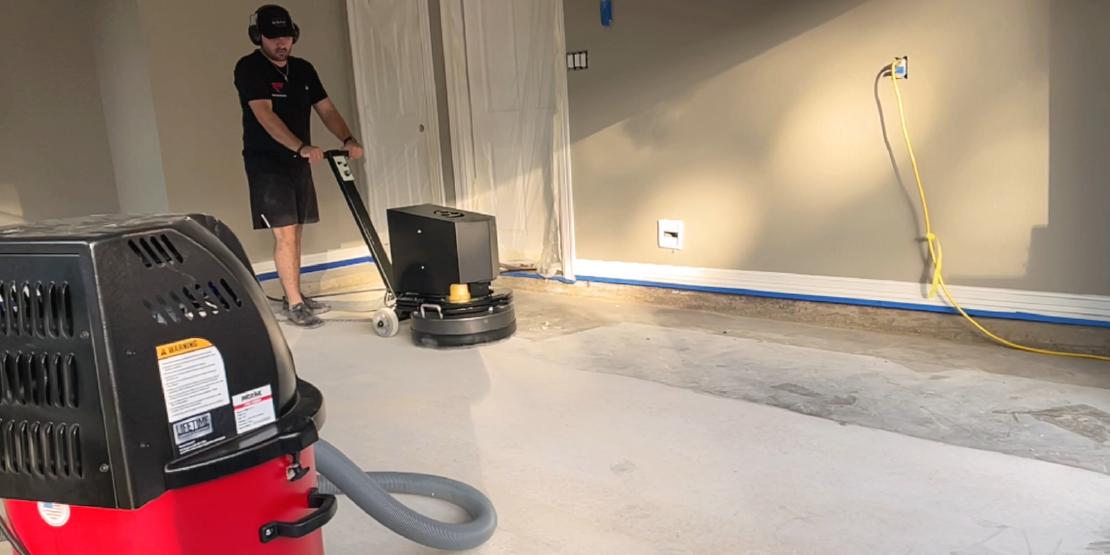
No DIY floor coating project can commence without proper surface preparation. In this context, a concrete grinder serves as an invaluable tool. It is designed to remove unwanted residue, smoothen rough surfaces and provide the ideal texture for new coating adhesion. Its primary objective lies in creating an excellent substrate onto which the floor coating materials can securely bond. Therefore, the resulting floor finish is not only impeccable but also long-lasting.
Next to its role in surface preparation, a concrete grinder equally contributes to the remediation of floor defects. This includes filling gaps, fixing fisheyes or bubbles, and addressing cracks in the floor. Altogether, these functions facilitate a flawless floor coating application. Consequently, it boosts the overall aesthetics and durability of the finished flooring. Therefore, utilizing a concrete grinder is paramount for achieving the desired quality in DIY floor coating projects.
Using a Vacuum for Floor Preparation
In the process of floor preparation, a vacuum plays an essential role. When working on DIY floor coating, an impeccable surface free from any debris, dirt or moisture is critical for the adherence and overall finish of the coating. Using a vacuum ensures that every minute particle or any trace of dust that could mar the final outcome is effectively removed. Moreover, this process significantly lowers the probability of coating failure caused by contamination or improper adhesion.
The type of vacuum needed largely depends on the size of the space and the nature of the work. Industrial vacuum cleaners, ideal for larger spaces and heavy-duty cleaning, are typically powerful and efficient in collecting dust particles, solid debris, and even liquids. On the other hand, for smaller areas or lighter tasks, a regular domestic vacuum can be just as efficient. Regardless of the size, ensuring the vacuum has a HEPA filter is essential to capture the tiniest of particles and to maintain a clean and healthy workspace.
Benefits of Using a Floor Buffer
A floor buffer, a versatile tool, is an ideal choice when preparing floors for coating. This machine effectively removes dust, grime, and old coating layers, enhancing the adhesion capability of the floor surface for the new coating. It offers a deep cleaning method that manual scrubbing can’t match, resulting in a more polished and smoother floor surface.
There are indeed several benefits of using a floor buffer. Primarily, it saves time and labor, making it instrumental for large projects that require extensive surface preparation. Furthermore, it reduces uneven layers and bumps on the floor surface, contributing to a more seamless and even coating application. Thus, employing a floor buffer during the floor preparation stage can significantly improve the aesthetic and functional outcome of the DIY floor coating.
Proper Use of Mixing Paddles and Buckets
Choosing the right mixing paddles and buckets is a crucial step towards achieving a homogenous mixture of floor coating materials. Mixing paddles that are designed for high viscosity materials provide a thorough blending, minimizing the presence of lumps and clumps in the mixture. They should be securely attached to a drill at a moderate speed to ensure smooth mixing. Utilizing a sturdy bucket is also important, preferably one with a flat bottom to avoid leftover materials.
The mixing process should be executed meticulously. It is advisable first to pour the base material into the bucket, before gradually introducing the hardener. With the mixing paddle, thoroughly combine the two materials, being careful to scrape around the sides and base of the bucket to ensure a uniform mix. Overmixing should be avoided as it may introduce unnecessary air bubbles into the concoction. These steps underline the proper use of mixing paddles and buckets in DIY floor coating.
The Importance of Protective Gear in DIY Floor Coating
Engaging in DIY floor coating tasks often involves the usage of various chemicals and equipment that may pose significant risks to one’s personal health without proper protective measures. Therefore, it is paramount for hobbyists and professional contractors alike to give priority to the use of protective gear while executing such tasks. This includes gears such as gloves, goggles, face masks, and overall protective suits. Proper utilization of these items can ensure optimum safety against chemical exposures and accidental injuries.
Another critical aspect of protective gear is in preventing long-term health impacts. Most floor coatings consist of solvents that can release harmful vapors. Prolonged exposure to such vapors can lead to respiratory issues and other health problems. For this reason, utilizing respirators becomes essential during the coating process. Additionally, as coating work often involves a good deal of kneeling and bending, using knee pads can significantly reduce the risk of joint pains and injuries. Hence, the function of protective gear extends beyond immediate safety, helping to minimize the risk of chronic ailments as well.
Applying Coating with Rollers and Brushes
After the preparation process, the actual application of the floor coating begins, utilising two fundamental tools, namely, rollers and brushes. They are chosen primarily due to their ability to provide a smooth and evenly spread coating over the floor surface. Rollers, with their broader dimensions, are incredibly useful for covering large stretches of the floor in a relatively short amount of time. Their design allows for a seamless, streak-free application of the coating, which is crucial for the overall efficiency and aesthetics of the end result.
Brushes, on the other hand, come into play when dealing with corners and edges, places that are hard-to-reach or too narrow for rollers. They offer more precise control over the coating application, there ensuring the coating fully adheres to every nook and cranny of the floor. However, it should be noted that both tools need careful handling to prevent over-application or uneven lead of the coating. Thus, it can be concluded that while the operation is straightforward, close attention to detail is a must for successful DIY floor coating.
Utilizing a Squeegee for Even Coating Application
Applying an even layer of coating is crucial to achieving a professional finish in your DIY floor coating project. Invariably, the squeegee is a fantastic tool for promoting this uniformity. The tool’s wide, flat and flexible blade allows for the swift spreading of coating material over large surface areas. Not only does it distribute the coating evenly, but it also aids in eliminating possible air bubbles, making your coating smoother and more durable.
Homeowners often overlook the squeegee, but its worth in DIY floor coating projects cannot be overstated. It comes in various sizes and materials allowing you to choose based on the specific requirements of your project. Using a squeegee results in a thinner and more consistent layer of coating, saving you not only material but also valuable time. Remember, with thinner, evenly spread layers, drying and curing times are significantly reduced. Utilizing a squeegee means creating a more professional-looking finish, even for the amateur DIYer.
Addressing Floor Coating Mistakes
Despite our best efforts, mistakes can occur during the process of floor coating. One common error is the occurrence of bubbles in the newly coated floor. This can be due to a hasty application process or may arise from not correctly preparing the floor. To rectify this problem, small bubbles can be punctured, while larger ones require the affected area to be sanded down before reapplication of the coating.
Another prevalent mistake is the uneven application of the floor coating, which can lead to inconsistent glossy levels and color variation. In most cases, inadequate mixing of the two-part epoxy solution or improper roller technique causes this. Uniformly rolling the epoxy in all directions and ensuring a thoroughly mixed solution can help in correcting this issue. If the coating has already dried, the uneven layer would have to be sanded down to ensure a smooth base for reapplication.
Maintenance Tips for Your Newly Coated Floor
Keeping your newly coated floor in top condition requires regular maintenance and attention to detail. Regular cleaning routine helps to promote durability and maintain the aesthetic appeal of the floor. When cleaning, ensure the use of proper cleaning products that align with the type of coating used. Incorrect cleaning products can lead to discoloration, fading, or even scratching, all of which compromise the integrity of your floor finish.
In addition to regular cleaning, it is advisable to avoid dragging heavy equipment or furniture across the floor. Protective mats can also be used under frequently moved furniture to prevent scratching. Regular inspection for minor chips or cracks is crucial. Quick repairs, as soon as the damage is noticed, can prevent small issues from turning into significant problems. It is important to note that maintenance needs may vary depending on the type of floor coating used. • Always use cleaning products that are compatible with your floor coating. Some chemicals may be too harsh and can cause damage to the surface, leading to discoloration or fading. • Avoid using abrasive tools for cleaning such as steel wool or scouring pads. These can scratch the surface of your coated floor. • Do not drag heavy furniture or equipment across the floor. This can cause scratches, chips, or even cracks in the coating. • Use protective mats under frequently moved furniture. This will help prevent scratching and other forms of wear on your coated floors. • Regularly inspect your floors for minor damages like chips and cracks. Prompt attention to these issues will prevent them from escalating into major problems which could require costly repairs. • Make sure to conduct a quick repair as soon as any damage is noticed. Small issues left unattended could lead to significant deterioration over time. • Understand that maintenance needs may vary depending on the type of floor coating used. It’s crucial you follow specific care instructions provided by manufacturers for each kind of finish.
Remember, proper maintenance is key in preserving the beauty and durability of your newly coated floor long term!
Exploring Advanced Tools for Floor Coating
In the world of DIY floor coating, conventional tools like rollers, brushes, and squeegees often play major roles in completing the task. However, advancements in technology have led to the development of more advanced, efficient and time-saving tools. To achieve a seamless and professional finish in DIY floor coating projects, tools like the diamond floor grinder, self-propelled floor scarifier, dual-speed floor machines and automatic mixing machines have become increasingly popular. These innovative tools offer tremendous assistance in different stages of floor coating, ranging from preparation to application, thereby enhancing the overall output.
The diamond floor grinder, equipped with industrial diamonds, is a marvelous tool to smoothly and effectively grind concrete surfaces. The self-propelled floor scarifier, on the other hand, stands out in its ability to remove tough coatings and profile the floor surface for better bonding with the coating material. Dual-speed floor machines offer a versatile solution for floor buffing, cleaning, and even sanding. This makes them highly practical not only during the coating process but also in maintaining the coated floor. Lastly, the automatic mixing machine takes the guesswork out of preparing the coating material. Its high precision reduces the likelihood of errors in the mixing process, proving its relevance in the overall floor coating procedure.
What are the basic principles of DIY floor coating?
The basic principles of DIY floor coating involve selecting the right coating material, preparing the floor properly, applying the coating evenly, and maintaining the floor after the coating process.
How do I choose the right floor coating material?
The selection of the right floor coating material depends on a number of factors, including the type of floor, the desired finish, the level of traffic the floor will endure, and your budget.
Can you tell me more about epoxy floor coating?
Epoxy floor coating is a type of floor coating that is known for its durability, resistance to chemicals, and glossy finish. It is often used in garages, workshops, and industrial settings.
How does a concrete grinder aid in floor coating?
A concrete grinder helps in floor coating by smoothing out any imperfections or rough patches on the concrete floor, which allows the coating to adhere better and last longer.
Why is a vacuum necessary for floor preparation?
A vacuum is used to clean the floor thoroughly before applying the coating. It helps to remove dust, dirt, and other debris, which can interfere with the adhesion of the coating.
What are the benefits of using a floor buffer?
A floor buffer helps to create a smooth and even surface, which is essential for a successful floor coating application. It can also help to remove old coatings or sealants.
What is the correct way to use mixing paddles and buckets?
Mixing paddles and buckets are used to combine the coating material thoroughly. It is important to mix the material according to the manufacturer’s instructions to ensure a consistent and effective coating.
Why is protective gear important in DIY floor coating?
Protective gear, such as gloves, goggles, and a mask, helps to protect you from potential hazards such as chemical fumes, dust, or accidents during the coating process.
How do I use rollers and brushes to apply the coating?
Rollers and brushes are typically used to apply the coating evenly across the floor. They should be used in a systematic way, starting from one corner of the room and working towards the exit.
How can a squeegee aid in coating application?
A squeegee can help to spread the coating evenly over the floor, particularly in areas that may be difficult to reach with a roller or brush.
How do I address mistakes made during floor coating?
Mistakes during floor coating can be addressed by sanding down the area and reapplying the coating. It’s important to allow the coating to dry fully before attempting any fixes.
What are some maintenance tips for a newly coated floor?
Maintenance tips include cleaning the floor regularly, avoiding harsh chemicals, and taking care of any scratches or damage immediately to prevent further deterioration.
What are some advanced tools used in floor coating?
Some advanced tools for floor coating include power mixers, heavy-duty grinders, industrial vacuums, and others. These tools can make the process more efficient and effective.