
Factors Influencing the Cost of Floor Coating Projects
Understanding the Costing of Floor Coating
The economic intricacies of floor coating are linked to a multiplicity of factors. It’s crucial to understand these variables to assess the true cost. The main factors include material quality, project complexity, subfloor condition, floor design, and additional services. Each of these adds a layer of complexity to the overall costing matrix, making it imperative for individuals and businesses to understand what they’re paying for.
Material quality, for instance, directly affects the longevity and durability of the coating. Higher quality materials could require a larger initial investment, but they may reduce long-term maintenance costs. Similarly, the project’s complexity— including the size of the area to be coated, intricacies of the design, and preparation work required—can alter the cost. A larger space or a more complex design would naturally require more work and, therefore, higher expense.
Diving into the Basics of Floor Coating
Understanding floor coatings is a key step towards comprehensive cost estimation. The term refers to the application of a final finish to a flooring surface. There are different types of coatings available on the market, each designed with specific features to increase durability, improve appearance, and provide protection against wear and tear. They may be epoxy-based, urethane-based, or acrylic-based, among others.
The choice of coating significantly impacts the overall cost. Epoxy coatings, for example, are widely popular for their durability and toughness, but they are also more expensive than acrylic-based coatings. Additionally, certain applications might require specialized coatings with anti-slip properties or resistance to chemicals. These extra features can also increase the cost of the project. Thus, understanding the basics of floor coating not only helps in planning and budgeting, but also in navigating the various options and ensuring the best possible outcome.
The Role of Material Quality in Floor Coating Pricing
In the realm of floor coating, the choice of materials significantly impacts the overall cost. Different coatings made from various high-quality materials like epoxy, polyurea, and polyaspartic can bring about diverse pricing structures. While polyurea and polyaspartic are known for their fast-drying nature and enduring finish, they tend to be priced higher than epoxy. On the other hand, epoxy, despite being cheaper, offers an excellent balance of cost-effectiveness and durability, making it a popular choice for many customers.
Moreover, the thickness of the floor coating plays a crucial role in determining the final cost. Thicker coatings require more material, thus directly inflating the price. However, they provide superior protection for the floor against wear, tear, and chemical spills. These coatings tend to last longer, reducing the frequency, and hence cost, of subsequent re-coating. Understanding these factors can allow customers to make an informed decision about the type and quality of material they want for their floor coating.
The Square Footage and its Impact on Pricing
Assessing the area to be coated largely contributes to the cost factor of floor coating. The measurement in terms of square footage becomes a vital determinant in the pricing perspective. As the area increases, so do the costs, as the material quantity and labor need are also amplified. A larger area requires more resources, which in turn hikes up the pricing scale. This correlation between the square footage and cost is quite direct and is usually straightforward for clients to grasp.
However, it is valuable to note that some contractors may offer discounts or special pricing for larger areas. This is primarily because buying materials and supplies in bulk can provide the contractor with savings, which they can then pass on to the client. Therefore, while square footage undeniably impacts pricing, this influence can be shaped by other variables such as contractor pricing policies and bulk purchase discounts.
The Complexity of Project and its Effect on Cost
Floor coating projects often vary in complexity, affecting the final costing significantly. Simple projects, such as applying a clear epoxy to a small, already prepared garage floor, are undoubtedly less expensive. However, when projects involve intricate designs, multi-level coatings, or the usage of different materials, expenses tend to skyrocket.
Each level of complexity comes with unique challenges and additional labor hours. For instance, integrating colorful chips or metallic additives in the floor coating process may enhance aesthetics but will increase the cost due to the extra steps and materials. Additionally, more complex projects may require specialized tools or expertise, further inflating the total cost. Hence, the complexity of a floor coating project significantly influences its overall cost.
How the Condition of the Subfloor Affects Pricing
A healthy subfloor lays the foundation for a successful floor coating operation. Whether it’s concrete, wood, or another material, the condition of the subfloor plays a key role in determining the total cost. If the subfloor is not in the right condition, extra steps will need to be taken to prepare it for coating. A heavily damaged subfloor may require repairs or complete replacement before any coating process can begin. These additional steps will add to the overall cost of the project. Hence, it’s crucial to have your subfloor examined by a professional to gauge its condition and estimate potential costs before moving ahead with floor coating operations.
People often overlook the general state of their subfloors when considering floor coating options, which can lead to unexpected expenses midway through the project. A subfloor in bad shape may lead to uneven application of the coating, reduced longevity of the newly coated floor, and ultimately a need for more frequent and costly repairs. A subfloor with excessive moisture can also cause issues with certain types of floor coatings, particularly those that are not designed to handle high levels of humidity. Surprising yet true, a well-maintained subfloor in a good condition can significantly lower the expenditure associated with floor coating.
The Influence of Floor Design on the Total Cost
When it comes to floor coatings, the design elements selected can significantly affect the overall cost of the project. The aesthetic component of the floor involves the complexity of the design and the choice of materials, both of which impact the final price. Whether your preference is for a basic, single-color coating or a more elaborate, multi-colored or patterned design, it’s evident that the more intricate the design, the more time-consuming the project becomes, which naturally influences the overall cost.
Additionally, if specialty techniques like epoxy flakes, decorative overlays, or metallic finishes are opted for, the cost increases further. The reason behind this is the extensive labor and higher-quality, more costly materials required to perfectly execute these unique designs. It’s not uncommon for these types of floor designs to sometimes double the cost of what a simpler, more basic floor coating would be, therefore making the floor design a critical factor in estimating the overall cost of the project.
Labor Costs and Floor Coating Expenditures
In the process of floor coating, attention is often paid to material costs while labor costs are overlooked. These expenses can encompass a significant portion of your total budget. Labor costs are incurred majorly due to the skills and expertise required in applying the coating, making sure it’s evenly spread, and ensuring the final look aligns with your aesthetic requirements. The more intricate the application process, the higher the cost of labor.
Many factors contribute to the increase or decrease in labor costs. The complexity of the project, level of preparation necessary, amount of detail needed in the design, and even geographical location can impact labor expenditures. It’s important to keep in mind that higher labor costs may guarantee quality workmanship, which will lengthen the lifespan of the floor coating, providing significant value over time. This aspect makes it essential to consider labor costs as a crucial part of floor coating expenditures.
Preparation Work and its Contribution to Overall Cost
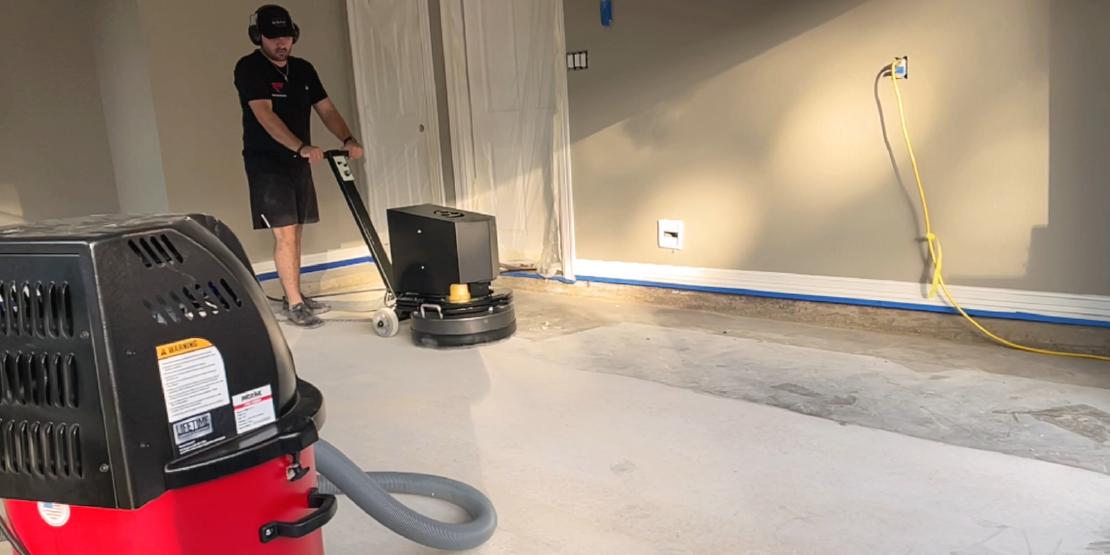
Before the actual coating process, careful and meticulous preparation is essential to ensure a highly durable and lasting floor. Preparation work includes activities such as cleaning, leveling of the surface, filling up voids, and sanding among others. It’s crucial to understand that this isn’t a mere prelude to the coating process; rather, it significantly impacts the overall quality of the final output.
In regards to cost, preparation work makes a significant contribution to the overall expense. The intensity of labor and the amount of materials applied, such as primers or fillers, will vary depending on the floor’s condition. The more extensive the preparation work required, the higher the cost will be, given the increase in labor hours and materials used. Hence, a comprehensive inspection of the floor state prior to any work is paramount in determining the potential cost of preparation.
The Impact of Additional Services on Price
Often, homeowners are inclined to embellish their flooring with services beyond the basic coat. These ancillary services, invariably, inflate the total project cost. Services such as intricate design work, specialized finishes, additional layers of coating, or proprietary sealants can substantially increase the final billing. Notably, these extras are completely discretionary and largely influenced by the aesthetic or functional objectives of the client.
Consequently, for those operating on a tight budget, it’s worthwhile to meticulously evaluate these additional services and their respective impact on the overall price. It is prudent to compare the enhanced durability or aesthetic appeal against the appended cost before arriving at a decision. Informed compromise or prioritization could effectively realign the cost to more manageable figures without significantly violating the original vision. Thus, extras, while desirable for their appeal and function, also significantly contribute to the total cost of floor coating.
Understanding Warranty and its Effect on Pricing
A warranty plays a significant role in determining the overall pricing of floor coating projects. Often, the extent of coverage offered under warranty can influence the rate charged for the project. When a contractor provides a long-term warranty, it shows their confidence in the quality of work and materials used, thus may charge more for their services. The warranty protects against certain flaws, such as peeling, chipping, cracking, or premature wear and tear. Therefore, customers may find value in paying a higher cost upfront for a comprehensive warranty.
However, it’s important to note that not all warranties are the same. There can be substantial variations between different contractors’ warranty terms and conditions. For instance, some warranties might only cover material defects, while others might extend to labor errors or other issues. Inclusion of additional services such as touch-ups or repairs under the warranty period might also be factored into the project’s total cost. Hence, the potential for future warranty claims could significantly increase the initial quotation provided by the contractor. The key is to understand the fine print and weigh the merits of the warranty against the cost increase.
How Geographic Location can Increase or Decrease Cost
Geographic location significantly impacts the final cost of floor coating. The prime reason is the variation in labor costs across different regions. In urban areas with a high cost of living, labor charges are usually steep, contributing to a higher overall project cost. Conversely, in rural or suburban areas where living costs are relatively low, labor costs are cheaper, allowing for a decrease in the total cost of floor coating. Furthermore, the availability and cost of materials can also fluctuate across geographies, affecting the pricing structure.
Different climatic conditions prevalent in various geographical locations can also drive floor coating costs either up or down. For instance, areas with harsh weather conditions might necessitate the use of special, durable coating materials, increasing the overall expense. On the other hand, milder climates may allow for the usage of less expensive materials. Additionally, the need for extra preparatory work or specialized installation techniques due to specific regional factors might also impact the final cost. Therefore, it’s clear that geographic location plays a nontrivial role in determining floor coating costs.
Economic Factors and Their Effect on Floor Coating Costs
In assessing floor coating costs, it’s crucial to consider various economic factors. Market trends can largely influence the pricing of materials and labor. An increase in demand for specific materials or designs could cause their prices to skyrocket. Increase in fuel prices, on the other hand, can potentially elevate the transportation costs of materials, thereby contributing to higher floor coating costs.
Inflation is another economic factor that holds a significant impact on floor coating expenditures. It can notably escalate the costs of raw materials, leading to higher prices for final products. Furthermore, if the economy is experiencing a downturn, contractors may upraise their service fees to maintain profit margins. Hence, understanding economic conditions is key to anticipating changes in floor coating prices.
What is meant by the costing of floor coating?
The costing of floor coating refers to the overall financial cost incurred during the process of applying a protective coating to a floor’s surface. It includes all related expenses such as material costs, labor charges, preparation work costs, and potential additional services needed.
How does the quality of materials affect the pricing of floor coating?
The quality of materials significantly influences the cost of floor coating. High-quality materials are typically more expensive, but they guarantee durability and longevity, resulting in lesser frequency of reapplications.
What role does square footage play in floor coating pricing?
The total square footage of the space to be coated directly affects the price. Larger areas require more materials and labor, which leads to a higher overall cost.
How does the complexity of a project affect its cost?
Complex projects, such as those involving intricate designs or numerous obstacles like furniture or fixtures, may require more time and labor, leading to increased costs.
How does the condition of the subfloor influence pricing?
If the subfloor is in poor condition or needs significant preparation before coating, it could lead to higher costs due to the additional labor and materials required for remediation.
How do labor costs factor into floor coating expenses?
Labor costs are a significant part of floor coating expenses. These costs include the wages paid to workers for their time, skill, and effort in applying the coating.
What kind of preparation work contributes to the overall cost of floor coating?
Preparation work may include cleaning the floor, repairing any damages, grinding or sanding the surface, and applying a primer. The exact costs depend on the condition of the floor and the type of coating to be used.
Do additional services influence the total price of floor coating?
Yes, any additional services like moving furniture, removal of old coating, or applying multiple coats can add to the total cost of the project.
Does warranty have any impact on floor coating pricing?
Yes, a warranty can increase the cost upfront, but it provides a guarantee against potential defects or failures, potentially saving money in the long term.
How can a project’s geographic location influence the cost of floor coating?
Costs can vary depending on the geographic location due to local labor rates, the cost of materials, transportation fees, and local regulations or licensing requirements.
How do economic factors affect floor coating costs?
Economic factors such as inflation, exchange rates, and fluctuations in the cost of raw materials can significantly impact the pricing of floor coating. For instance, if the cost of raw materials increases globally, this can drive up the price of floor coating products.