
Fast-Curing Coating Options for Reduced Downtime
Understanding Quick-Dry Surface Treatments
Modern industrial applications demand robust solutions; Quick-dry surface treatments play a significant role in this context. They are specially formulated coatings that accelerate the drying or curing process. These treatments offer numerous productivity benefits, primarily saving valuable time and speeding up project completion.
In essence, quick-dry or rapid-curing coatings are based on chemical compositions that react swiftly when applied, initiating a rapid hardening process. These coatings entail various types, including epoxy, acrylic, alkyd, and polyurethane, each featuring unique benefits. For instance, epoxy coatings may provide excellent chemical and abrasion resistance, while acrylic types offer superb color retention and weathering properties. Therefore, determining the fitting quick-dry surface treatment hinges on the specific demands of the industrial application in question.
Importance of Speedy Coating Applications
Timely application of coatings plays a pivotal role in various industries that heavily rely on the use of treated materials. The speed of setting is especially critical, as it often has a considerable impact on both production rates and overall profitability. Quick-dry surface treatments bring the benefit of potentially reducing downtime, which in turn can lead to greater production efficiency. High-speed coating applications also lessens the interval between processing and shipping, thereby providing a competitive edge in industries where rapid product turnover is beneficial.
Moreover, the advantages of speedy coatings extend beyond operational efficiency and can significantly contribute to the quality of the finished product. When applied properly, quick-set coatings can readily form a hard, protective barrier that shields the material from environmental factors such as moisture, UV radiation, and chemical exposure. Rapid-cure formulations have the additional benefit of aiding in meeting tight project deadlines, as construction and manufacturing tasks can proceed without unnecessary delays. This speed, paired with the protection it offers, is what underscores the essential role of quick-dry coatings in today’s fast-paced industrial world.
How can Cure Speed Influence Operations?
The cure speed of coatings is pivotal in numerous industrial and commercial operations. Faster cure times often translate to improved productivity, as this factor can substantially reduce the waiting periods associated with coating applications. By drastically lessening downtime, rapid-cure coatings allow for more efficient use of manpower and resources, leading to increased throughput. High-speed cure can be particularly advantageous in industries where time is of the essence, such as automotive, aerospace and construction sectors, where any delay in operations can lead to escalated costs.
Contrarily, overly speedy cure can pose challenges, such as shorter pot life or time to work with the coating before it begins to harden. These challenges necessitate precise timing and skilled application methods which might require additional overhead in terms of technician training and equipment investment. Additionally, the coating’s overall performance properties such as durability, weather resistance, and adhesion might also be impacted by variations in the cure speed. Thus, striking an optimal balance in cure speed is essential, acknowledging that each operation may demand a unique blend of timing and coating characteristics.
Exploring Different Quick-Set Coating Solutions
There exists a diverse range of quick-set coating solutions in the market, each formulated with distinctive characteristics to suit different application needs. Essentially, these coatings can be categorized into three main types namely; water-based, solvent-based, and UV-cured. Water-based coatings, preferred for their eco-friendliness and absence of volatile organic compounds, primarily rely on the evaporation of water to cure which can be expedited by heat or airflow. Meanwhile, the faster-drying solvent-based coatings, containing volatile organic substances, offer improved durability and a smoother finish.
On the other spectrum, UV-cured coatings represent a significant advance in coating technology. They employ photoinitiators which, upon exposure to ultraviolet light, induce a chemical reaction causing the coating to harden almost instantly. This property provides several operational advantages such as the elimination of waiting times and enhanced production efficiency. Furthermore, this technique also allows for a superior level of precision and detailed finishing, catering to more nuanced coating requirements including surface decoration or protection against specific environmental factors. Surely, choosing the right quick-set solution involves a careful understanding of these different options, their potential benefits and limitations. In detail, the key features of these three types of quick-set coating solutions are as follows:
• Water-based coatings
- They are eco-friendly and do not contain volatile organic compounds (VOCs).
- Their curing process primarily relies on the evaporation of water, which can be expedited by heat or airflow.
- These coatings may require longer drying times compared to other types.
• Solvent-based coatings - These contain volatile organic substances that allow them to dry faster than water-based options. - They offer improved durability and a smoother finish, making them ideal for applications requiring high resistance to wear and tear. - However, they might pose environmental concerns due to their VOC content.
• UV-cured coatings - This type represents an advanced form of coating technology that uses photoinitiators. - Upon exposure to UV light, these photoinitators induce a chemical reaction causing the coating to harden almost instantly – eliminating waiting times and enhancing production efficiency. - The method allows for superior precision and detailed finishing, catering well for more nuanced requirements such as surface decoration or protection against specific environmental factors.
To choose the right quick-set solution is no easy task. It requires understanding each option’s unique characteristics along with their potential benefits and limitations. Factors like project size, budget constraints, desired aesthetics, performance expectations, safety considerations should also be taken into account before deciding on one option over another.
Benefits of Swift Setting Coating Choices
When it comes to swift setting coating choices, key advantages span across multiple areas including time efficiency, resource management, and durability. Time efficiency is typically the most obvious and touted benefit. Quick-dry coatings dramatically cut down the duration of painting projects, effectively streamlining industrial processes and maximizing production time. This reduction in downtime not only expedites manufacturing activities, but also positively correlates with the overall project costs, contributing to increased profitability.
Quick cure coatings are noteworthy in terms of their resource use efficiency. They usually require fewer application layers to achieve the desired effects, thereby reducing both the volume of coating material required and the related labor costs. This efficiency often results in substantial cost savings. On another important note, swift setting coatings often offer high-performance protective properties, making treated surfaces more resistant to wear, tear, adverse weather, or harsh industrial conditions. As such, they contribute significantly to the longevity and durability of the structures they are applied to.
Case Studies of Speedy Drying Coatings Application
A notable case that demonstrates the effectiveness of speedy drying coatings involves the renovation of a popular sports stadium. During the upgrade, the management was under pressure to complete restorative work within tight timeframes. Traditional coating solutions were not feasible, as they require extended periods for drying and setting, significantly delaying the project. However, the introduction of rapid-drying coatings achieved remarkable results in this case, cutting down the drying time from several days to a few hours.
Bridging into the automotive industry, rapid cure coatings have facilitated transformational effects, as exhibited by an established car manufacturing company. They implemented a speedy painting process that utilized quick-drying coats to streamline production. The new coating technology not only drastically reduced the vehicle’s processing times, but also improved the overall quality of the finishes. It’s noteworthy that these case studies underscore the profound impact of the implementation of swift-drying coatings and drive home the case for broader adoption across different industrial landscapes.
Challenges in Implementing Quick-Drying Coatings
While quick-drying coatings have their set of merits, the implementation process is not free from hurdles. One of the significant challenges in using rapid-drying coatings relates to their application. Owing to their quick drying properties, these coatings provide less time for correction, necessitating a high level of precision during application. In some cases, operators may struggle with the speed of application, resulting in uneven coating or visible brush strokes.
Environmental fluctuations pose another challenge. Temperature and humidity have a profound effect on the curing speed of the coatings. Hot or cold extremes can impact the texture and durability of the final finish, while high humidity levels can slow down drying times or even cause the coating to bubble. Therefore, ideal environmental conditions are vital for the successful application of quick-dry coatings.
How to Choose the Right Rapid-Drying Coating?
Selecting the correct rapid-drying coating requires a thorough understanding of the substrate surface and the specific needs of the task. A primary factor is the disposition of the surface to be coated, including its material, condition, and texture. Second, the intended purpose: this could range from pure aesthetics to functional imperatives like high-traffic durability, weather resistance, or chemical protection. A high-gloss coating might be aesthetically pleasing, but durability is usually more important for floors with high foot traffic.
Attention should also be given to the required cure speed. Rapid-drying coatings come with different drying intervals that can impact both ease of application and final outcome. Some operations require ultra-fast curing times for minimal disruption; others might afford slower curing processes that can result in a superior finish. Researching and testing various brands and their strengths can help in making an informed selection. Some manufacturers specialize in speedy curing coatings offering excellent durability, while others might emphasize an easy application process.
Safety Precautions for Applying Quick-Dry Coatings
In the world of industrial maintenance, safety is paramount, particularly when dealing with substances like quick-dry coatings. Due to their rapid curing properties, these coatings pose unique risks that demand specific safety precautions. Sensitive to moisture and temperature, they emit fumes readily, which puts those nearby at risk. Indeed, direct inhalation can lead to respiratory issues, while contact with skin has the potential to cause irritation or allergic reactions. For this reason, the need for personal protective equipment (PPE), including masks, gloves, and goggles, cannot be overemphasized when applying quick-drying coatings.
Moreover, considering the inherent fire risks owing to the solvent-based composition of many swift drying coatings, ensuring a well-ventilated work area is critical. It is advisable to avoid open flames, sparks, or any source of ignition near the application area. Likewise, the importance of proper storage for the quick-set coating materials shouldn’t be undermined to prevent any unwanted chemical reactions. Always keep in mind that safety data sheets provided by the manufacturer offer comprehensive guidelines that can effectively mitigate the potential hazards associated with these products.
Proper Application of Rapid Cure Coatings
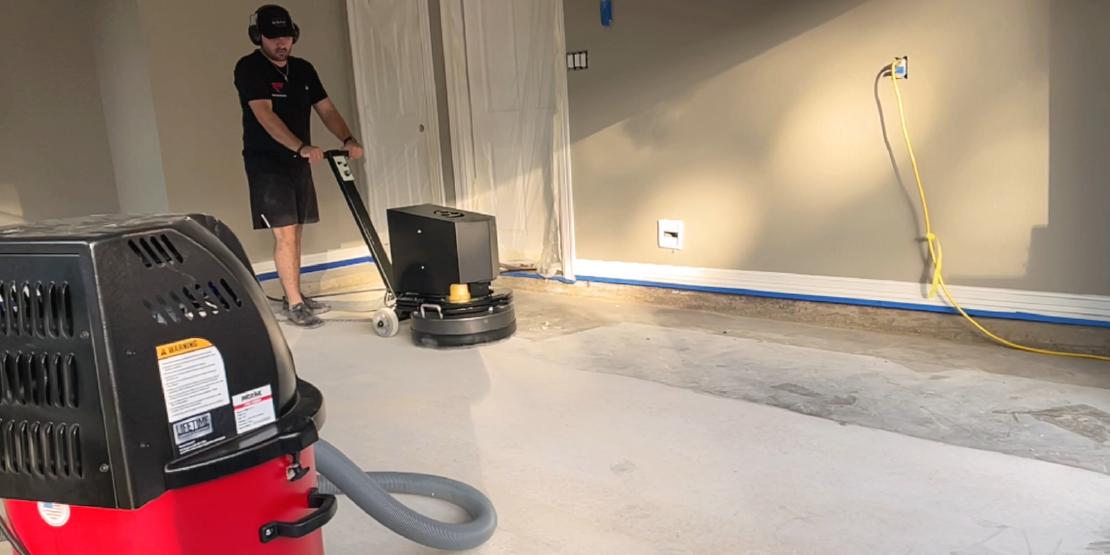
The first step in applying rapid cure coatings effectively involves meticulous surface preparation. It’s fundamental to eliminate dust, rust, or any other contaminants that could potentially interfere with adhesion. Surface preparation methods can vary depending on the type of substrate material involved. Additionally, for enhanced coating performance, application conditions such as humidity, temperature, and air movement must be suitably controlled. Often, an optimal temperature range is suggested by the manufacturer to guarantee the most efficient curing process.
Upon successful surface preparation, the next focus should be on assiduous application. Professionals need to adhere to the recommended thickness guidelines provided by the coating manufacturer. Over-application can lead to longer dry times and potential coating defects; whereas under-application may not provide the desired level of protection. Uniform coverage and proper equipment handling play vital roles in achieving ideal results. Emphasis must also be placed on safety measures during application, which often include respirators, gloves, or even full-cover suits to protect from hazardous fumes or spills.
Maintenance Tips for Swift Drying Coatings
Ensuring the longevity of a newly applied coating involves diligent maintenance. Swift drying coatings are renowned for their rapid curing abilities but this shouldn’t divert your attention from subsequent upkeep. Regular cleaning procedures are crucial in maintaining your coated surfaces. Abrasions and dirt can degrade the coatings’ durability, so wipe them clean using appropriate cleaning agents. However, avoid harsh chemicals as they could potentially strip off some layer of the coating.
Another vital tip is to routinely check for any signs of damage. Peeling, cracking, or blistered areas indicate that your coating needs attention. A prompt repair reduces further damage and restores the coating’s optimal performance. Consider hiring a professional inspector to inspect your surfaces where swift drying coatings have been applied. Consultants have specialized tools for detecting areas with potential weakness, predicting trouble before it becomes unmanageable. Adherence to these guidelines assures that your swift drying coatings will last longer while keeping their aesthetic appeal intact.
Innovations in Rapid Drying Coating Technology
As technology expands, so does the range of quick-dry surface treatments. Recently, advances in nanotechnology have allowed for manufacturing of coatings that can cure at ambient temperatures and at a faster rate than ever before. Nanocoatings, characterised by their thin layers of materials at the scale of nanometers, promise to deliver rapid drying time without compromising the coating’s quality or robustness. These innovative solutions not only enhance the efficiency of operations but also reduce the potential for errors, leading to improved productivity and cost savings.
Furthermore, the use of ultraviolet (UV) curable coatings has skyrocketed in multiple industries due to its fast curing times and lower energy consumption. UV-cured coatings utilise specific wavelengths of light to initiate a chemical reaction that hardens or sets the coating, and all this can ensue within a matter of seconds. This breakthrough in rapid drying coating technology has the potential to revolutionise application processes, offering solutions that align with the global push for sustainable practices. It optimises component protection while concurrently reducing downtime in production lines, thus exemplifying the perks of rapid drying coating technology.
The Future of Quick-Set Coatings Technology
The realm of quick-set coatings technology is perpetually evolving, reflecting advancements in material science, chemical formulations, and engineering techniques. Rapid drying coatings of tomorrow are anticipated to display superior performance characteristics, including increased durability, enhanced corrosion resistance, lowered VOC emissions, and improved aesthetic appeal. Robust research endeavors are being pursued to deliver “Smart Coatings”, capable of healing themselves and responding dynamically to environmental conditions, thereby upscaling their longevity, and reducing the encumbrance of maintenance.
Similarly, the development of nanotechnology-enabled quick-dry coatings is poised to revolutionize the landscape by providing unprecedented strength and protection at a microscopic scale. Advancements in this area could generate nanoparticle-infused coatings that offer enhanced chemical resistance and superior adhesion. Coupled with progress in green chemistry, we can expect the advent of more eco-friendly, sustainable, and high-performance quick-set coatings that will redefine the standards of coating applications across industries.
What are quick-dry surface treatments?
Quick-dry surface treatments, also known as quick-set coatings, are solutions that can dry or cure swiftly after application. They are designed to provide durability, resistance, and visual enhancement while minimizing downtime.
Why are speedy coating applications important?
Speedy coating applications are crucial in industries where downtime is costly. They allow operations to resume in a shorter time, enhancing productivity and reducing the cost associated with long curing periods.
How does the cure speed influence operations?
The cure speed directly affects the downtime of operations. Faster cure speed means shorter waiting times, leading to increased efficiency in production or maintenance processes.
What are the benefits of using quick-set coating solutions?
Quick-set coatings offer several benefits, such as faster return to service, improved productivity, reduced labor costs, and the potential for better adhesion and durability.
What challenges might appear when implementing quick-drying coatings?
Challenges might include the need for special equipment or trained personnel, higher costs compared to traditional coatings, and the necessity to work swiftly before the coating sets.
How do I choose the right rapid-drying coating?
Choosing the right coating involves considering factors like the substrate material, the environmental conditions, the desired finish, and the curing time required.
What safety precautions are necessary when applying quick-dry coatings?
Safety precautions may include using appropriate personal protective equipment, ensuring adequate ventilation, and following manufacturer’s instructions closely.
How should I apply rapid cure coatings properly?
Proper application may involve surface preparation, using the right application equipment, following the manufacturer’s instructions, and observing the recommended curing time.
How can I maintain swift drying coatings?
Maintenance of these coatings may involve regular cleaning, periodic inspections for damage, and possible re-application or touch-ups as necessary.
What are some recent innovations in rapid drying coating technology?
Innovations may include new formulations for faster curing times, better performance characteristics, and more environmentally friendly options.
What is the future of quick-set coatings technology?
The future of quick-set coatings technology is expected to see further advancements in cure speed, application ease, durability, and environmental sustainability.