
Fast Installation Process of Epoxy Floors
Understanding Epoxy Floor Coatings
Epoxy floor coatings are a unique solution to enhance the lifespan and appearance of concrete floors. They are composed of two primary components: resins and hardeners. When these compounds combine, they form a plastic material that is durable, resistant to wear, and bonds exceptionally well to its substrate. With the ability to withstand heavy foot and vehicle traffic, epoxy coatings prove ideal for industrial environments, garages, and commercial premises.
The standout feature of epoxy flooring is its exceptional durability and resistance. Uniquely, it resists chemicals, stains, and even drops or spills, making it an optimal choice for settings where harsh substances are common. Additionally, it provides a seamless and glossy surface that can significantly enhance the aesthetic appeal of a space. Versatile in its design, epoxy flooring allows for the inclusion of colored flakes or quartz, offering a myriad of decorative options.
Benefits of Choosing Epoxy Flooring
The appeal of epoxy flooring stretches beyond its aesthetic value. One notable advantage is its exceptional durability and longevity. Compared to other flooring materials, epoxy coatings are incredibly resistant to many of the wear-and-tear conditions that would otherwise compromise conventional floor types. This includes but is not limited to chemical spills, heavy traffic, and mechanical shock. With professional application and proper maintenance, epoxy floors can maintain their top-notch condition for years on end.
In terms of cost-effectiveness, epoxy flooring stands unrivaled. Not only does it require less initial investment compared to traditional floor materials but it also calls for minimal upkeep costs. This is largely attributed to its low maintenance requirements – an occasional sweep and mop generally suffice. Moreover, the impermeable nature of epoxy coatings negates the need for routine sealing or waxing. This, coupled with its longevity, translates to major savings across the board. It’s a win-win solution for those seeking a balance of quality, function, and affordability.
Materials Required for Epoxy Floor Installation
Installing an epoxy floor requires various materials and tools to ensure a smooth and accurate application. Some of these key materials include epoxy floor coating, comprising resin and hardener, and a primer to prepare the concrete surface for the epoxy application. To add texture or a decorative touch to your floor, you may also choose to use quartz or decorative flakes that are mixed into the epoxy coating.
The right tools are equally critical in the application process. An epoxy mixer is essential for ensuring the resin and hardener fully combine for optimal adhesion. Concrete floor grinder or a diamond grinding machine is necessary to smoothen the surface of the concrete and enhance the epoxy’s grip on the floor. Various rollers and brushes are beneficial for applying the epoxy, and a quality degreaser is crucial for cleaning the concrete prior to the epoxy application. Invest in quality protective wear, like gloves and safety glasses, to safeguard against potential hazards during installation.
Preparation Steps Before Epoxy Application
Proper preparation of the concrete surface is a crucial prerequisite for a successful epoxy floor application. Primarily, this requires a thorough assessment of the existing condition of the concrete floor. Existing cracks, fissures, or any form of surface damage should be carefully addressed. If the concrete floor is new, it should be allowed enough curing time — typically 28 days — prior to any epoxy application.
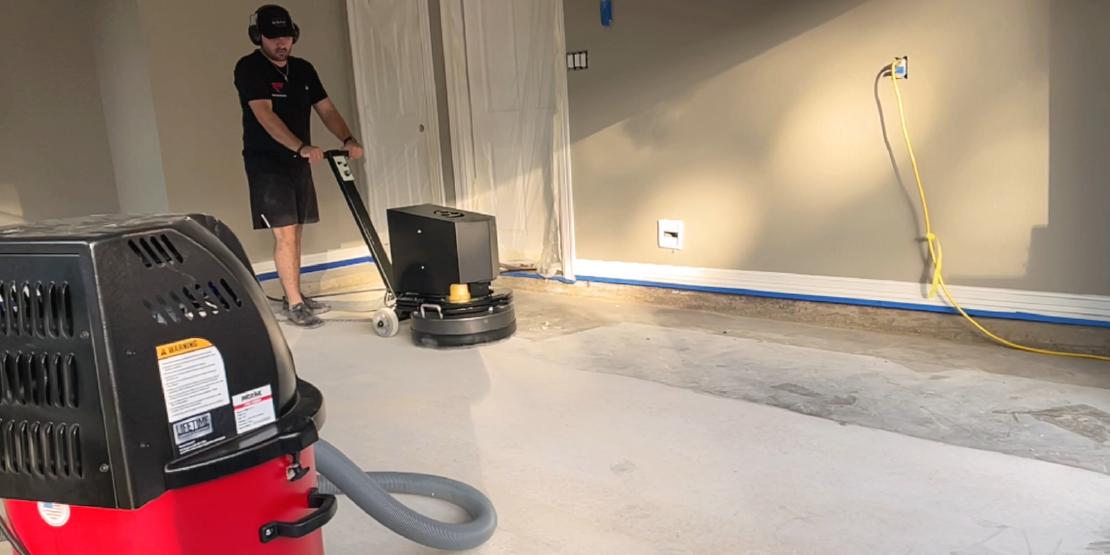
The next step in preparation is a meticulous cleaning and degreasing of the concrete surface. This process removes any oils, grease, or other contaminants that could hinder the adhesion of the epoxy coating. Following the cleaning, the concrete surface should be grounded to create a proper profile that will enhance the bond between the concrete and the epoxy resin. The use of industrial grinders or shot blasters powered by high-performance vacuum systems is recommended for this process.
Assessing Your Concrete Floor Condition
The first step towards a successful epoxy floor installation lies in thoroughly inspecting the condition of the concrete floor. Existing defects or complications in the concrete, if not identified, can potentially interfere with the epoxy adherence and long-term functionality. A proactive assessment might involve looking for visible cracks, moisture damages, oil stains, or uneven patches on the surface. The presence of these issues may determine the extent of the preliminary cleaning process.
An accurate evaluation of the concrete floor should also consider the floor’s porosity and hardness. Floors that are too hard might not allow the epoxy to penetrate properly while overly porous floors might soak up too much coating, resulting in an uneven finish. Performing a simple water bead test or using a specific concrete hardness kit can be beneficial to determine these characteristics. This vigilance during the pre-installation assessment can significantly contribute to a flawless and durable epoxy flooring outcome.
Concrete Floor Cleaning and Degreasing
Before diving into the process of applying epoxy flooring, one crucial aspect to take into consideration is the cleanliness of your existing concrete floor. This step, as basic as it may sound, is fundamental in assuring a solid adhesion between your floor and the epoxy coating. Dirt, grease, or any other type of particle or contaminant can act as a barrier, preventing the epoxy from correctly adhering to the surface. Moreover, oil and grease stains on the floor can cause ‘fish eyes’ in the epoxy, an occurrence that weakens the coating and becomes a site of increased wear and potential chipping.
To facilitate a successful epoxy flooring application, initial cleaning of the concrete floor should be thorough. Start by sweeping away dust and debris. After that, employ a good quality concrete degreaser or cleaner to eliminate oil, grease, and existing sealers. It’s recommended to use a stiff-bristled brush and elbow grease to guarantee the cleaner soaks in and lifts up any stubborn stains. Following the manufacturer’s instructions, allow the cleaner to sit and react, then scrub and rinse the surface well, ensuring there are no residues left. This simple yet important step is pivotal in bringing out an outstanding, durable epoxy floor.
Concrete Floor Grinding for Epoxy Adhesion
For the optimal adhesion of epoxy, the concrete floor must undergo a process known as grinding. Grinding is an essential step, providing a smooth surface which is necessary for the epoxy coating to adhere correctly. This task uses a concrete floor grinder, a mechanical device that sands down irregularities, leveling the concrete surface. It ensures total removal of an old adhesive, paint, or epoxy coating, enabling the new epoxy coating to bond effectively with the concrete surface.
Severe issues, such as cracks or gaps, must be fixed before the grinding procedure commences. After conducting the grinding process, the concrete floor becomes exceptionally porous. This enhanced porosity dramatically improves the binding efficiency of the epoxy coating, ensuring a robust, long-lasting finish. Bear in mind that a poorly ground floor could result in peeling or flaking off of the epoxy layer, hence the necessity of hiring an experienced professional for this job.
Primer Application for Epoxy Floors
The initial step in priming is to thoroughly mix the epoxy primer. Make sure this is done properly, as it will allow for a far superior bond between the concrete and the epoxy. Most primers will need to be mixed with a drill and mixing paddle for a certain amount of time. Always check with the manufacturer’s instructions for specific details.
Once mixed, the primer should be applied directly onto the cleaned concrete floor using a brush or roller. It may be necessary to go over the surface several times to ensure complete coverage. Areas with cracks or divots may require additional attention. Keep in mind, the application of primer creates a more adhesive surface for the epoxy coating, thus significantly elevating the longevity and performance of the floor.
Mixing Epoxy Resin and Hardener
Once the preparation stages are complete, the next step involves combining the epoxy resin and the hardener. These two elements come separately when you purchase an epoxy flooring kit. They must be mixed adequately to facilitate a strong epoxy coating. The epoxy resin acts as the ‘base’ in your concoction, while the hardener functions to cure it, resulting in a tough surface. The correct ratio of resin to hardener is vital, usually found in the instructions supplied with your chosen product.
Mixing process should be done precisely and without any rush. Stir the two components together using a mechanical mixer attached to a drill, ensuring the blend is consistent and devoid of any clumps. It’s critical to scout for a thorough uniformity in color. Some epoxy products might also involve induction time after combining the epoxy resin and hardener. This period allows the mixture to rest before application, enhancing the overall performance of the epoxy floor coating.
Applying the First Layer of Epoxy
Once the correctly mixed epoxy resin and hardener stand ready, initiate the process of applying the first layer. Clear off any remaining dust or debris from the floor to ensure a clean base. Pour the epoxy mixture onto the floor, distributing it evenly with a spiked roller. This roller not only spreads the epoxy across the floor but also removes air bubbles that might compromise the final product. Make sure to work in small sections to prevent the epoxy from hardening before it is adequately spread.
The application of the first layer of epoxy should be thorough. Filling dips and cracks become easy with the epoxy mixture. Evenly spread the layers until the desired thickness is achieved. It is essential to remember that epoxy is a two-step process; the first layer acts as a base for the second layer. Hence, perfection is not necessary at this stage, but consistency in application is mandatory to ensure a more durable and appealing end product.
Adding Decorative Flakes or Quartz to Your Epoxy Floor
When the first layer of epoxy begins to set but is still sticky to the touch, that’s the ideal time for adding decorative flakes or quartz. This decorative element not only enhances the visual appeal of your epoxy floor but also contributes to its durability and slip-resistance properties. A multitude of colors, shapes, and sizes are available, offering countless opportunities for customization. You can choose to sprinkle them lightly for a subtle effect, or cover the floor entirely for a denser, more textured finish.
The process of adding decorative flakes or quartz entails broadcasting them by hand or using a specifically designed hopper gun to have better control over distribution. Sprinkle flakes uniformly over the floor to downplay the industrial look of the epoxy, or concentrate them in specific areas for a dramatic effect. You may also opt to utilize larger quartz granules for a more prominent texture and enhanced anti-slippage attribute. Ultimately, the amount and technique used are entirely up to your taste and the desired functionality of your epoxy floor.
Applying the Epoxy Topcoat
After successfully incorporating decorative flakes or quartz to your epoxy floor, the final step in the installation process is applying the Epoxy Topcoat. This crucial step solidifies everything beneath it and provides a protective, glossy finish to your flooring. Though it’s the last step, it is by no means the least, as it ensures durability and longevity for your epoxy flooring. Not only does it add an attractive shine, but it also seals and protects the underlying layers from elements like spills, stains, and daily wear and tear.
Application of the Epoxy Topcoat requires attention to detail and a bit of finesse. One should begin by pouring the mixed topcoat material onto the floor, starting at a corner and working outward. A high-quality roller is then used to spread the topcoat evenly across the surface. Ensuring a consistent, uniform layer is vital as uneven patches can undermine the floor’s durability and aesthetic appeal. It’s advised to allow ample time for the topcoat to dry thoroughly before resuming any activity on the newly converted epoxy floor. • The first step in applying the Epoxy Topcoat is to pour the mixed material onto the floor. Begin at a corner and work your way outwards, ensuring that you cover all areas of the flooring.
• A high-quality roller should be used to spread the topcoat evenly across the surface. This ensures that there are no uneven patches which could potentially undermine both durability and aesthetic appeal of your epoxy floor.
• It’s crucial to allow ample drying time for this topcoat layer before any activity can resume on it. Rushing this process may result in unwanted damage or inconsistencies on your newly converted epoxy floor.
• If necessary, consider applying more than one layer of Epoxy Topcoat. Multiple layers can provide added protection against potential spills, stains, and daily wear-and-tear effects.
• Always ensure safety while working with these materials by wearing appropriate protective gear such as gloves and goggles.
• Lastly, make sure that you’re working in a well-ventilated area when applying an Epoxy Topcoat, as some fumes from these products may be harmful if inhaled excessively.
In conclusion, though it might seem like a daunting task initially due to its importance in maintaining longevity and durability of your epoxy flooring - careful application of an Epoxy Top Coat is indeed achievable with patience and attention-to-detail approach.
Maintenance Tips for Your New Epoxy Floor
Once the newly installed epoxy floor has fully cured, maintaining its pristine condition should be a priority. No doubt, epoxy flooring offers a high degree of durability, but appropriate maintenance practices ensure it continues to offer that outstanding durability and attractive finish for years. Basic steps to look after the epoxy flooring encompass regular cleaning, handling spills promptly and appropriate weight distribution.
Routinely sweeping the floor aids in removal of dirt and grit that, when left unattended, may scratch the surface over time. Additionally, damp mopping with a PH-neutral cleaner aids in keeping the floor streak and smudge-free. Spills of harsh substances like oil or acidic liquids should be mopped up as soon as possible, as prolonged exposure can cause staining or dullness. Epoxy floors tend to bear heavy load quite well, but overloading one particular area could lead to irreversible indentation or cracks. Hence, spreading out heavy equipment or machinery evenly is recommended.
What exactly are epoxy floor coatings?
Epoxy floor coatings are protective layers of epoxy-based resin that are applied over concrete floors. They provide a high-performance, smooth, and durable surface that can withstand heavy loads and last for many years.
Why should I choose epoxy flooring for my space?
Epoxy flooring offers many benefits including durability, easy maintenance, resistance to chemicals, and aesthetic appeal. They are also cost-effective and customizable, allowing you to choose from a wide range of colors and patterns.
What materials do I need for epoxy floor installation?
The main materials needed for epoxy floor installation include the epoxy resin, hardener, primer, tools for mixing and applying the epoxy, and abrasive tools for concrete floor grinding.
How should I prepare my floor before applying epoxy?
Before applying epoxy, you must assess the condition of your concrete floor, clean and degrease it, and grind it for better epoxy adhesion. Ensure that the floor is free of dust, grease, oil, and other contaminants.
How do I apply epoxy to my floor?
After prepping your floor, apply a primer for epoxy floors. Then, mix the epoxy resin and hardener according to the manufacturer’s instructions and apply the first layer of epoxy. You can then add decorative flakes or quartz if desired, followed by the epoxy topcoat.
How can I maintain my new epoxy floor?
To maintain your new epoxy floor, clean up spills immediately to prevent staining. Regularly sweep or vacuum the floor to remove dust and dirt. Avoid using harsh chemicals for cleaning. For stubborn stains, mild soapy water or ammonia can be used.
Can I apply epoxy coating on a damaged concrete floor?
It’s not recommended to apply epoxy coating on a damaged or cracked concrete floor. The floor should be repaired and properly prepared before the epoxy application to ensure a smooth and durable finish.
Can I add decorative elements to my epoxy floor?
Yes, you can add decorative flakes or quartz to your epoxy floor to enhance its aesthetic appeal. However, this should be done before applying the epoxy topcoat.
Is it necessary to apply a topcoat over the epoxy coating?
Applying a topcoat over the epoxy coating is recommended for additional protection and longevity. The topcoat also gives the floor a glossy finish and makes it easier to clean.