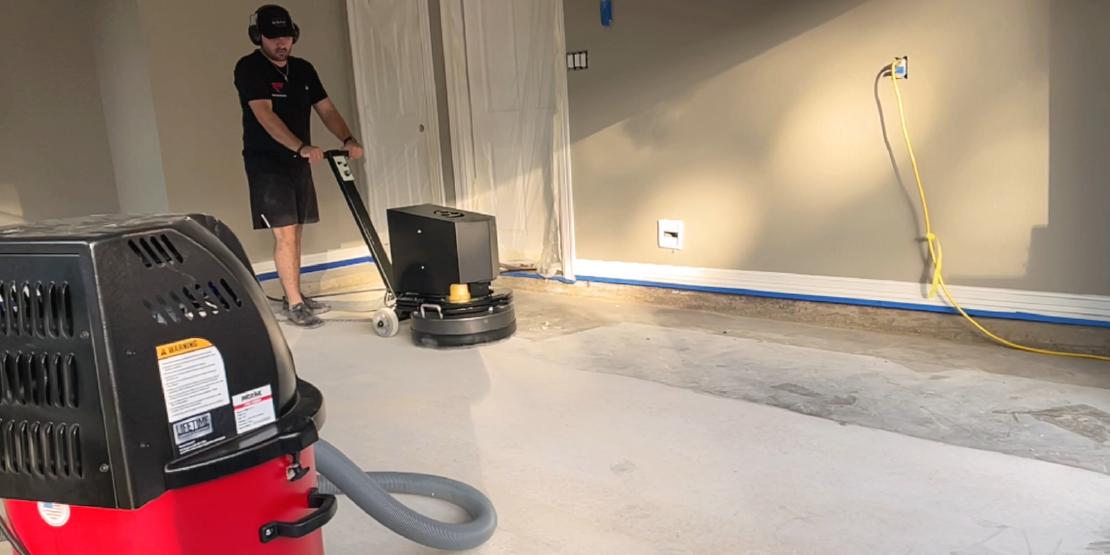

Financing Options for Floor Coating Projects
Understanding the Need for Floor Coating
Floor coating is an essential aspect of home improvement projects that provides both aesthetic and functional benefits. High-quality floor coating can positively affect the overall ambiance of a room, giving it a polished, eye-soothing appearance. On a subtler level, it adds an extra layer of protection to your flooring, safeguarding it from warps, moisture damage, or other environmental threats that can degrade floor integrity over time. The coating’s continuous solid covering creates an impermeable shield that significantly minimizes wear and tear, enhancing the lifespan of your floor.
Moreover, floor coating contributes to the safety factor of a home. Waxed or polished floors can be slippery and hazardous, especially in areas where there is consistent moisture or foot traffic. Non-slip floor coatings reduce such risks, providing a grip to the surface that makes it safer to walk on. Equally crucial, it simplifies the cleaning and maintenance processes. Dirt, stains, and particles can be easily wiped off from the finished surface of a coated floor saving both time and effort. Hence, a well-installed floor coating can not only amplify the beauty and safety of your floors but also save on long-term maintenance costs.
The Costs Involved in Floor Coating Projects
The universal factor to consider for a floor coating project, regardless of scale or the choice of specific materials, is expense. The financial burden depends on a variety of key elements such as the surface area of the floor, the type of floor coating used, the complexity of the design, the labor charges, and sometimes, location can also influence costs. It is essential to work these factors into project budgeting, as some flooring materials may require extra care or specific installation methods, which can further increase the project’s total cost.
For example, the epoxy-based coating, widely recognized for its durability and glossy finish, may come with a costly price tag due to the investment on high quality material and skilled installers. A cheaper coating option like urethane might be tempting for its budget-friendly appeal, but it may falter in terms of longevity and wear resistance. Furthermore, the removal of old flooring, preparation for new flooring, necessary repair, or remediation jobs might also influence the final costs. A detailed cost breakdown accompanied by a professional quote can help to accurately determine expenses, delivering a realistic financial perspective on your floor coating project.
Exploring Different Ways to Fund Your Floor Coating Project
A variety of options are available for financing your floor coating project, providing convenient means to ensure funds are accessible when needed. From personal savings to federal grants, understanding these diverse funding paths is paramount for successful budgeting. Personal savings often provides the most cost-effective route as it eliminates interest rates and repayments that are common with other methods. However, diligently saving up for a major home improvement project may not be feasible for everyone, particularly those with other financial responsibilities.
Other alternatives such as credit cards, home improvement loans, home equity loans, and construction loans can also be beneficial, each with their unique advantages. Credit cards may be a quick way to cover costs, however high-interest rates are often a deterrent. On the other hand, home improvement loans and home equity loans offer larger amounts of money at relatively lower interest rates compared to credit cards. Moreover, construction loans, specifically designed for renovation projects, can present favorable conditions like progressive drawdowns matching the phases of your floor coating project. Furthermore, federal grants and energy efficiency programs are worth considering. Several government schemes offer financial assistance for home improvement projects that promote energy efficiency. These initiatives not only provide funds but also contribute towards a more sustainable environment.
• Personal Savings:
- No interest rates or repayments.
- Requires disciplined saving habits.
• Credit Cards:
- Quick access to funds.
- High-interest rates can increase overall project cost.
• Home Improvement Loans:
- Larger loan amounts available at lower interest rates than credit cards.
- Typically require good credit history and proof of income.
• Home Equity Loans:
- Based on the value of your home, which could result in substantial loan amounts.
- Interest may be tax-deductible.
• Construction Loans:
- Specifically designed for renovation projects with progressive drawdowns matching phases of the project.
- Generally short-term loans with higher interest rates compared to other options.
• Federal Grants:
- Various schemes available providing financial aid for home improvements promoting energy efficiency
- Contributes to environmental sustainability
Finally, exploring unconventional methods such as crowdfunding or seeking help from friends and family members could also serve as feasible solutions if traditional routes prove challenging. It’s important to remember that each funding method has its unique set of pros and cons; therefore careful consideration is essential before making a decision.
• Crowdfunding/Friends & Family - Potentially quick way to raise money without traditional lending requirements – May impact personal relationships if not managed properly
How Personal Savings Can Be Used for Floor Coating
Utilizing personal savings for a floor coating project is an appealing option for many homeowners. It offers a sense of financial freedom and independence. By saving up for a project, one can avoid the interest rates and fees that often come with loans or credit card usage. Moreover, using personal savings can also speed up the project timeline, as there’s no need to wait for loan approval or other forms of financing.
There is, however, discipline required in utilizing personal savings for these projects. The need to budget properly and anticipate future costs is crucial. Preplanning and estimating the probable expenses involved in a floor coating project are essential steps to ensure that enough money is saved beforehand. It is wise to receive several quotes from potential contractors to give a clear picture of potential costs. This approach paves the way to a successful floor coating project, financed securely through personal savings.
Utilizing Credit Cards for Floor Coating Expenses
Credit cards serve as an accessible and immediate fund source when considering a floor coating project. The convenience of credit transactions has made it a popular choice among homeowners aiming to revamp their spaces without the constraint of a hefty upfront payment. However, it’s essential to underline that efficient management of credit card use is crucial. Potential expenses include purchase of the coating material, hiring professional service, if deemed necessary, along with the costs linked to subsequent upkeep.
One apparent benefit of using credit cards for floor coating expenses is the ability to accumulate rewards or points that can be redeemed later, depending upon the card issuer’s policies. Some may offer cashbacks or discounts on home improvement stores, which can effectively reduce overall project cost. On the other hand, this financing option might lead to higher interest rates if balances are not paid off in full each month. Therefore, assessing one’s ability to manage repayments is crucial before taking this route.
Securing a Home Improvement Loan for Floor Coating
Home improvement loans are a conventional financing method often employed to cover substantial renovation costs, such as those associated with residential floor coating services. These loans, which can be secured or unsecured, provide homeowners with the necessary funds to pay for materials, labor, and other ancillary costs.
Securing a home improvement loan for a floor coating project makes the process more manageable since the loan can be repaid in monthly installments over a specified period. Various institutions offer these loans, including banks, credit unions, and online lenders. To get one, you’ll need a solid credit history, steady income, and an appraisal of your home’s value. It’s essential to shop around for the best terms and interest rates before making the commitment.
How to Use a Home Equity Loan for Your Project
Home Equity Loans present an opportunity to finance floor coating projects using the value of an owned house as collateral. This type of loan typically offers a larger amount of money than most other types of credit as it taps into a potentially significant source of collateral; equity a homeowner builds in their property over time. The exact amount available often depends on multiple factors, including the amount of equity earned, the valuation of the house, and the borrower’s credit history.
The Home Equity Loan process is essentially similar to that of a standard loan application. The homeowner would have to submit an application to a lender, who would then assess the house’s current market value to determine how much they are willing to lend. It’s worth noting that lenders usually restrict the loan to about 85% of the home’s equity. Therefore, a careful evaluation should be done before undertaking this financial step to ensure that it aligns with the floor coating project’s costs and the homeowner’s ability to repay the loan. Also, beware, a default on a home equity loan can lead to the loss of the house.
Benefits of Construction Loans for Floor Coating
When looking to finance a floor coating project, considering a construction loan yields numerous benefits. Flexible use is one of the main advantages, as these loans have a broad definition of construction that encompasses even projects like floor coating enhancements. Eligible homeowners can borrow against this equity to fund their project, allowing them to get the capital needed without compromising their immediate financial safety.
The interest rates on construction loans can be more favorable than other loan types. These often floating rates give homeowners the opportunity to secure their loans when rates are low, resulting in potential cost savings. Additionally, the loan allows homeowners to only borrow what they need as they go, making it easier to manage repayments. This pay-as-you-go approach promotes financial responsibility and helps homeowners manage their debts more effectively.
Financing through Contractor Payment Plans
The world of home improvement can be daunting, especially when it comes to financing major projects such as floor coating. Fortunately, a potential route many homeowners explore is through contractor payment plans. These provide a structured, manageable repayment option given by your contractor, allowing homeowners to spread the cost of floor coating over a set period. This approach may effectively assuage the impact of a single large expense, improving accessibility to quality home improvement.
To serve the broad clientele, contractors usually provide various payment plans, catering to different budget needs and financial circumstances. The application process is usually simple, requiring a credit check and details about your income. The terms of these plans are generally flexible, and most contractors are willing to negotiate a payment schedule that suits your financial situation. The primary goal is to create an agreement that is feasible for the homeowner while ensuring the contractor can keep operations running smoothly.
How to Apply for Federal Grants for Home Improvements
Applying for Federal Grants for home improvements such as floor coating projects requires an understanding of the eligibility guidelines set by the government. Initially, researching available grant programs through the U.S Department of Housing and Urban Development (HUD) or the Rural Housing Service is advisable. Prospective candidates should familiarize themselves with the type of home improvements covered by different grants, as well as the purpose of the grant - be it for general improvements, energy efficiency, or specific repairs.
Once a suitable program has been identified, it is necessary to confirm the grant’s eligibility criteria. These grants generally necessitate the applicant to be a legal U.S citizen or resident, and often impose income limitations. Additionally, they frequently require the property to be the applicant’s primary residence. The application process often includes form submissions detailing the reason for the grant request, proof of income, and sometimes a dwelling assessment. Ultimately, obtaining a Federal Grant for Home Improvements requires research, careful consideration of eligibility requirements, and adherence to the application process.
The Role of Crowdfunding in Floor Coating Projects
Crowdfunding has gained substantial recognition as an effective financing tool for various projects, including floor coating. This innovative platform involves pooling funds from numerous people, often through an online platform, to support initiatives ranging from technological innovations to home improvement projects. Applying crowdfunding to floor coating projects provides an alternative to traditional financing methods, enabling homeowners to obtain the necessary funding without the burden of loans or the drain on personal savings.
Platforms like Kickstarter, Indiegogo, and GoFundMe have made crowdfunding accessible to all. To leverage these platforms effectively for floor coating projects, individuals should create a compelling story around their project, offering potential backers valuable insights into why the project matters. It could be about enhancing the aesthetics of a cherished family home or ensuring the durability and safety of a rental property’s flooring. By illustrating the importance of the project, homeowners can attract the necessary capital while also fostering a sense of community among backers.
Insurance Coverage and Floor Coating Projects
When embarking on a renovation project such as floor coating, it’s essential to consider how insurance coverage can play a pivotal role. Insurance can act as a safety net in the event of any unexpected damage or accidents that may occur during the project implementation. It’s crucial to familiarize oneself with the terms of the insurance policy, ensuring it covers the specifics of a floor coating project.
It’s also worth noting the costs that can impact a home insurance policy. It’s recommended to contact an insurance agent to discuss how a floor coating upgrade could potentially affect premiums. Ensuring diligent management, Floor Coating Projects can be effectively protected against unforeseen circumstances like accidental damage or project pitfalls, thus creating a more financially secure improvement experience.
Managing Repayments and Maintaining Your Budget After Financing
Maintaining a balanced budget after obtaining financing for a floor coating project can considerably improve overall financial stability. Irrespective of whether the funds are drawn from personal savings, credit cards, home equity loans or a construction loan, developing a structured repayment plan is essential. Track all expenses related to the project, including material and labor costs, to ensure no financial oversight occurs.
Integrating the repayment amount into your monthly expenses allows for better financial management. A well-structured plan should account for unexpected expenses, providing you some leeway if the project cost escalates. Financial discipline and consistency in payment are key to avoiding late fees and reducing the burden of interest. Consult with a financial advisor if necessary, to build and follow a budget that comfortably includes your repayment obligations.
What is the importance of floor coating?
Floor coating is an essential step in maintaining the longevity and aesthetic of a floor by protecting it from wear and tear, scratches, and other damages.
How much does a typical floor coating project cost?
The cost of a floor coating project may vary depending on several factors like the size of the area, the type of coating used, and labor charges. It’s best to get multiple estimates before deciding on a contractor.
What are the different ways I can finance my floor coating project?
You can finance your floor coating project through different ways such as personal savings, credit cards, home improvement loans, home equity loans, construction loans, contractor payment plans, federal grants for home improvements, crowdfunding, and insurance coverage.
Can I use my personal savings for floor coating purposes?
Yes, using personal savings is a viable option for funding your floor coating project. However, you need to ensure this won’t leave you financially vulnerable to unexpected expenses.
Can I use my credit card to finance my floor coating project?
Yes, you can use your credit card to finance your floor coating project. However, this should be done cautiously as the high-interest rates on credit cards can result in higher costs in the long run.
How do I secure a home improvement loan for floor coating?
To secure a home improvement loan, you need to approach a bank or a financial institution with your project details and financial capacity to repay the loan. They will evaluate your creditworthiness before granting the loan.
How does a home equity loan work for financing a floor coating project?
A home equity loan allows you to borrow against the value of your home. This can be a good option if you have a significant amount of equity in your home. However, remember that failure to repay the loan could result in the loss of your home.
How can I manage repayments and maintain my budget after financing the floor coating project?
After financing your project, you should establish a clear repayment plan and stick to a budget to ensure you can meet your repayment terms without overstretching your finances. Consider cutting back on unnecessary expenses and setting aside a specific amount for repayments each month.
Are there any federal grants available for home improvement projects like floor coating?
Yes, the federal government offers several grants for home improvements. However, the availability of these grants may vary depending on your location and specific circumstances. It’s best to research and apply for suitable grants.
Can I use crowdfunding for my floor coating project?
Yes, crowdfunding is becoming a popular way to raise funds for home improvement projects. You can use online platforms to share your project and ask for financial contributions from friends, family, and even strangers.
Can insurance cover my floor coating project?
Typically, insurance does not cover home improvement projects like floor coating unless it’s part of a repair following a covered loss. It’s advisable to check your insurance policy or speak with your insurance provider for clarity.