
Flexible Coatings for a Variety of Surfaces
Understanding the Basics of Malleable Surface Protection
In the realm of advanced material science, the term “malleable surface protection” surfaces frequently. Essentially, it denotes a type of protective coating that exhibits malleability, or the ability to be formed or molded without breaking or cracking. These coatings provide a resilient barrier against an array of environmental onslaughts such as harsh weather, UV radiation, abrasion, and chemical attacks, safeguarding the material beneath. Notably, they derive their malleability from a clever combination of specific chemical constituents, yielding a protective layer that’s both tough and flexible.
Diving into details, these adaptable coatings are remarkably versatile. Their pliability allows them to intimately conform to the topography of the surface on which they are applied, irrespective of its complexity. This ensures comprehensive protection, including in the nooks and crannies that might be challenging to coat with materials possessing lesser adaptability. Thus, their employment shields the underlying material from premature deterioration, reducing maintenance demands and extending the useful lifespan of the protected entity.
Benefits of Using Adaptable Protective Coats
Adaptable protective coatings offer a myriad of benefits that go beyond just surface protection. Their inherent flexibility allows them to conform to virtually any configuration, making these coatings ideal for intricate and unusually shaped surfaces. They serve as a protective shield against environmental incursions such as dust, moisture, chemical spills, and physical impacts. This is particularly advantageous in industries where equipment and structures are exposed to harsh conditions, thereby extending their lifespan and improving overall performance.
Another significant advantage is their cost-effectiveness. While the initial investment may seem substantial, the long-term savings are noteworthy. By reducing the frequency of repair and replacement due to damage or wear and tear, these coatings significantly decrease maintenance costs. Furthermore, their adaptability means they can serve multiple functions, eliminating the need for different types of protective coatings for different surfaces. This all-around efficiency makes adaptable protective coatings a smart investment for businesses seeking to optimize their operational costs.
Ideal Applications for Bendable Surface Coats
Bendable surface coats have found increasing utility in a multitude of applications due to their flexibility, resilience and adaptable nature. They have been extensively utilized in automotive industries where they act as protective layers on vehicles against scratches, dings, and severe weather conditions. Furthermore, modern planes utilize these coatings to avert potential corrosion and wear associated with high-speed airborne travel, while offering reduced overall weight compared to traditional coatings.
Another prominent utilization is discovered in the construction and architectural sectors. These coatings are applied to steel structures, bridge components, and building facades for their proven durability and resistance against corrosive environments. In the electronics industry, bendable coats protect printed circuit boards, electronic components, and devices from damage due to moisture, heat, and physical impacts. In essence, bendable surface coats enhance longevity and performance across a broad range of applications thereby offering compelling benefits.
Types of Pliable Protection for Different Surfaces
Efficient protection of various types of surface materials requires diverse pliant coatings. Adaptable Polymer Coatings are one kind, offering excellent impact resistance, good flexibility, and superior adhesion to many surfaces. These are ideal for protecting metals, plastics, and fiberglass from humidity, salt, and other corrosive substances. Polymer coatings come in various forms like acrylic, polyurethane, epoxy, and polysiloxane, each with unique protective properties.
Another category is the Ceramic-based Elastic Coatings. These offer superior resistance to heat, making them ideal for applications with high thermal exposure. They can accommodate the expansion and contraction of the underlying structure without cracking. Additionally, Nanotechnology-based coatings provide high-performance anti-scratch and anti-corrosion protection. They create a thin, invisible film that won’t change the appearance or texture of the protected object. This makes them perfect for surfaces where aesthetics matter, like car exteriors, or precious artwork.
How to Choose the Right Adaptable Surface Coat
When seeking out the ideal adaptable surface coat, a variety of factors merit thoughtful consideration. It’s crucial to assess the nature of the surface that needs protection. Surface type could be metallic, wooden, plastic or glassy - each with unique attributes requiring tailored coating solutions. The surface texture and density should also be evaluated, with smoother surfaces often requiring different formulations than those that are rough or porous.
Moreover, it’s essential to understand the environment that the coated surface will be exposed to. Environmental conditions, such as humidity, temperature fluctuations, and UV exposure, can significantly affect the performance of the coating. It’s advisable to choose a coating designed to withstand the specific conditions your surface will encounter. Application method also plays a pivotal role; choose a coating that aligns with your preferred application process, whether that’s spraying, brushing, or others.
The Science Behind Pliant Protective Coatings
To unpack the science behind pliant protective coatings, it’s imperative to first delve into the composition of these protective innovations. Essentially, these coatings are created using a mixture of polymers, or large molecules composed of many repeated subunits. These polymers exhibit a capacity for malleability due to their flexible molecular structure. When varying degrees of heat, cold, or physical force is applied, the polymer-based coating responds by re-shaping itself accordingly, thereby offering a high degree of surface protection.
Understanding the mechanisms of action for these layers lends further insight into their pliant properties. When applied to a surface, the coating forms a bond with the material it is protecting. The flexible polymers within the coating enable it to adapt to changes in the surface environment while maintaining this bond. Notably, these polymers remain durable even under duress, providing continuous protection even as the surface bends and stretches. Hence, the innovative blend of flexibility and durability offered by these coatings demonstrates the marvel of the science behind such pliant protective coatings.
Proper Application of Bendable Surface Coats
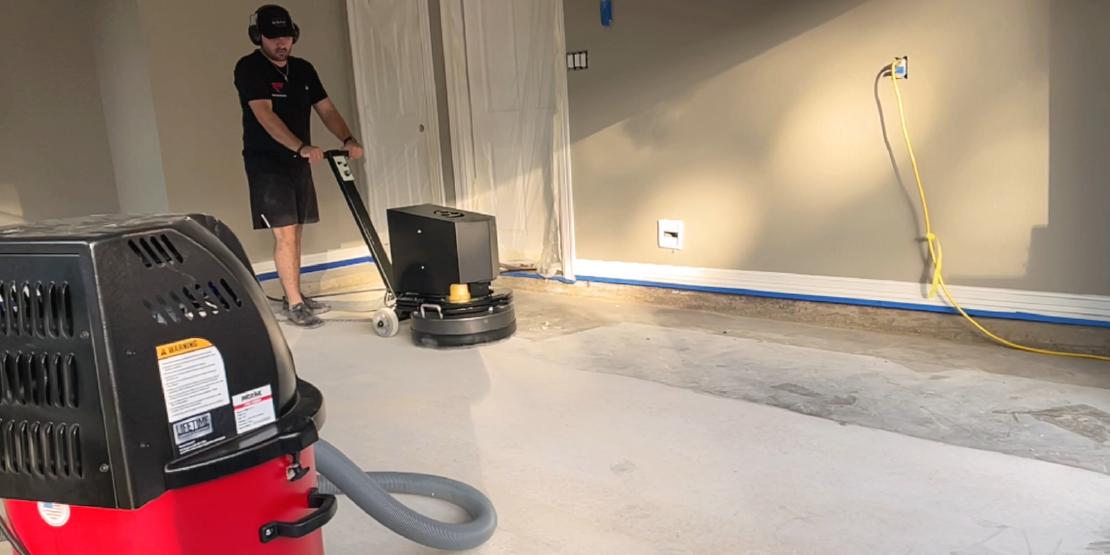
To achieve optimal protection with bendable surface coats, proper application methods must be implemented. The first approach entails the surface preparation - a clean, dry, and defect-free surface optimally supports the adhesion of the coat. Usually, professionals employ a mixture of mechanical and chemical cleaning methods to ensure the surface is free from substances that could disrupt the coat’s adhesion, such as dust, oil, or any rust flakes. Thus, the key is to establish a surface that’s as close to its original state as possible. Remember, perseverance during the preparation stage significantly influences the coating’s durability and efficacy.
Subsequently, it’s time to apply the actual bendable coat. The thickness of the coat often varies based on the expected stress and demands of the surface. In large-scale industrial applications, spray technologies like airless and electrostatic sprays offer ease of application, consistency, and efficiency. However, for smaller, more intricate surfaces, brush or roller applications may be the method of choice. Since these pliable coatings are designed to conform to the surface, even in settings with numerous bends and angles, the consistency in application must be maintained to guarantee equal protection across the entire surface. • The next step involves the curing process. This is a critical stage in the application of bendable surface coats as it determines the final properties and performance of the coating. It typically involves exposing the coated surface to specific temperature conditions for a certain period, allowing the coat to harden and adhere firmly to the surface.
• After curing, inspection and testing are carried out to ensure that there are no defects or inconsistencies in coverage. Common tests include adhesion tests, hardness tests, thickness measurements, and visual inspections.
• Finally, maintenance is vital for prolonging the life span of your bendable surface coat. Regular cleaning can help prevent dirt accumulation which could compromise its protective capabilities over time.
In summary:
◦ Start with thorough preparation: Cleanliness is key; remove all dust particles, oil residues or rust flakes from your surface before applying any coating.
◦ Apply carefully: Depending on size and complexity of your surfaces choose between spray technologies like airless or electrostatic sprays for larger areas or brush/roller applications for smaller ones.
◦ Cure properly: Follow manufacturer’s instructions regarding optimal temperature conditions during this phase.
◦ Inspect & test after curing: Perform adhesion tests along with other relevant checks such as hardness test or thickness measurement.
◦ Maintain regularly: Keep your coated surfaces clean from dirt accumulation that might affect their overall protection quality over time.
By following these steps diligently you will be able to achieve maximum durability and efficacy out of your bendable surface coats regardless whether they’re applied on industrial scale projects or smaller tasks with intricate details.
Maintaining and Caring for Malleable Surface Coats
Proper care and maintenance are integral to prolonging the lifespan and enhancing the functionality of malleable surface coats. Regardless of the type and size of the surface being protected, frequent assessment of the coat’s condition keeps it at optimum performance. Delicate cleaning habits lessen the probability of damage and detritus accumulation while reducing the frequency of re-coating. The use of proper cleaning materials further ensures that the protective coat remains uncompromised and efficient.
Moreover, maintenance practices should adapt to the specific nature of the pliable coating used in each case. For instance, coats applied to high-traffic areas may require more frequent care compared to those applied to less exposed surfaces. Keeping up with manufacturer guidelines for protective coats’ upkeep provides the best approach in caring for these adaptative surfaces. This highlights the necessity to be acquainted with these guidelines and adopt them in regular maintenance procedures. By following these simple but essential steps, the durability and performance of malleable surface coats can be substantially improved.
Case Study: Real-world Applications of Adaptable Coats
Renowned aerospace organization, NASA, provides an illustrative example of how adaptable coats have been deployed in real-world scenarios. They utilize innovative bendable surface coats on their spacecraft and astronaut suits. In such an environment, the adaptability and malleability of these protective coatings are especially beneficial in countering the harsh, unpredictable conditions of space. From shielding against extreme temperature fluctuations to protecting the spacecraft structure from potential damage caused by micrometeorites, these coatings have proven their mettle.
On a completely different scale, the automotive industry too, has seen the transformative power of adaptable surface protection. With an increasing focus on longevity and durability, vehicle manufacturers have started applying these malleable coats to car body panels and undercarriages. This application aids in providing an extra layer of protection against corrosion, scratches, and impacts, thereby substantially increasing the lifespan of the vehicle. The benefits have been apparent in terms of both, aesthetics and structural integrity.
Comparative Analysis: Bendable Coats vs Traditional Coats
In the world of surface protection, traditional coatings have been the go-to for years, holding a trusted place in various industries from heavy machinery production to home decor. They usually serve their purpose well, providing a hardened shell that safeguards from potential mechanical and chemical damage. These coatings, depending on their formula, can offer excellent resistance against abrasive elements, furthermore, they usually ensure that a particular aesthetic value of the object is maintained over time. However, they lack the ability to readjust in accordance with the changing surface morphology of the substrate material.
Bendable coatings, on the other hand, are a recent revolution offering a different set of advantages. They hold the potential to adjust according to the surface deformations to which the substrate materials may be subjected. This promotes longer protective lifespan as well as flexibility in application. The implementation of these adaptable coats may prove to be highly cost-efficient in the long run as this innovative solution reduces the need for frequent reapplications. However, it is vital to note that the level of protection offered by these coats could be compromised based on their degree of malleability.
Potential Drawbacks of Using Pliant Coatings
While pliant coatings offer numerous advantages, there are a few potential downsides to be mindful of. For one, these coatings may not be as hard or as resistant to physical impact as their more rigid counterparts. They are typically more susceptible to scratches, dents, or deformation from everyday wear and tear. This could result in a higher frequency of application, which in turn may elevate maintenance costs and demand additional labor.
Another potential drawback lies in the coating’s pliability itself. The same flexibility that allows the coating to conform to irregular surfaces can also mean it is less stable under certain conditions. For example, extreme temperature changes or exposure to certain chemicals could affect the consistency and effectiveness of the coating. Hence, wherever these conditions exist, careful consideration should be given to the choice of protective surface coat to ensure a balance between flexibility and durability.
The Future of Adaptable Surface Protection Technology
As we delve into the exciting realm of adaptable surface protection technology, researchers and engineers are building systems that will fundamentally reshape the way we protect and preserve a myriad of surfaces. With the rapid development of nanotechnology and advanced material science, the future promises an array of malleable coatings tailored to specific applications. These entail innovative solutions such as self-healing and reprogrammable coatings that react and adapt to environmental changes, enhancing longevity and resilience of the protected surfaces.
Likewise, green advancements in the field also signal a shift towards more sustainable and environmentally friendly practices. Advanced bio-based and biodegradable coating solutions are no longer a distant dream, but a promising and imminent reality. As technologies such as nanocellulose and bio-polymers evolve, we begin to envisage a future where high-performance coatings not only provide superior protection but also contribute to a more sustainable and eco-friendly environment. These remarkable advancements certainly demonstrate how the future of adaptable surface protection technology looks promising and transformative.
Final Thoughts on Malleable Protective Surface Coats
In the vast world of surface protection, malleable protective surface coats have rocketed to prominence due to their adaptability to varied types of surfaces. The characteristic flexibility and adjustability of such coats make them an ideal solution, outpacing traditional rigid coatings in the realm of surface protection. They offer enhanced durability against environmental elements and wear and tear, while preserving the aesthetic quality of the surface. Literally and figuratively, they provide an adaptable shell that guards against various adversities a surface may face.
Protection, however, is not the sole attribute of malleable coats. They offer additional benefits such as efficiency, versatility, and compatibility with different surfaces. Their ability to yield to the shape of the surface being covered is not just about physical adaptability, but it is also intrinsic to the nutritional care and health of the surface. These coats can adapt to different weather conditions while maintaining their integrity, making them the preferred choice for many materials. Their widespread usage across multiple sectors, such as construction, automotive, aerospace, and marine industries, underscores the reliability of malleable coatings.
What is meant by malleable surface protection?
Malleable surface protection refers to a type of coating that can be bent, shaped, or adjusted without breaking or losing its protective qualities. They are designed to protect different types of surfaces from potential damage or wear and tear.
What are some benefits of using adaptable protective coats?
Adaptable protective coats offer various benefits including flexibility, durability, resistance to wear and tear, and increased lifespan of the surface. They can also be customized to fit the specific needs of the surface they are protecting.
Where are bendable surface coats ideally used?
Bendable surface coats are ideal for surfaces that require flexibility and durability. This includes surfaces in high-traffic areas, machinery parts, structures exposed to environmental elements, and more.
Can you give examples of different types of pliable protection for surfaces?
Pliable protection for surfaces can come in forms like paint, plastic coatings, rubber coatings, and more. The type of material used largely depends on the surface it’s meant to protect, the environment it will be exposed to, and the desired lifespan of the coating.
How do I choose the right adaptable surface coat?
Choosing the right adaptable surface coat involves considering factors like the type of surface, the environment, the required durability, and the budget. It may be helpful to consult with a professional to determine the best option.
How are bendable surface coats applied?
The application process of bendable surface coats may vary depending on the type of coating and the surface. Generally, the surface must be clean and dry, and the coat is applied using a brush, roller, or spray.
What maintenance is needed for malleable surface coats?
Maintenance for malleable surface coats mainly involves regular cleaning to remove dirt and debris. In some cases, a new coat may need to be applied over time to ensure continued protection.
How do Bendable coats compare to traditional coats?
Bendable coats offer more flexibility and durability compared to traditional coats. However, they may be more expensive and require a more complex application process.
Are there any drawbacks of using pliant coatings?
Potential drawbacks of using pliant coatings include higher costs, more complex application processes, and the possibility of needing professional help for application and maintenance.
What does the future hold for adaptable surface protection technology?
The future of adaptable surface protection technology is promising, with advancements in materials and application techniques expected to improve their efficiency and effectiveness. It’s also anticipated that new uses for these coatings will be discovered in different industries.