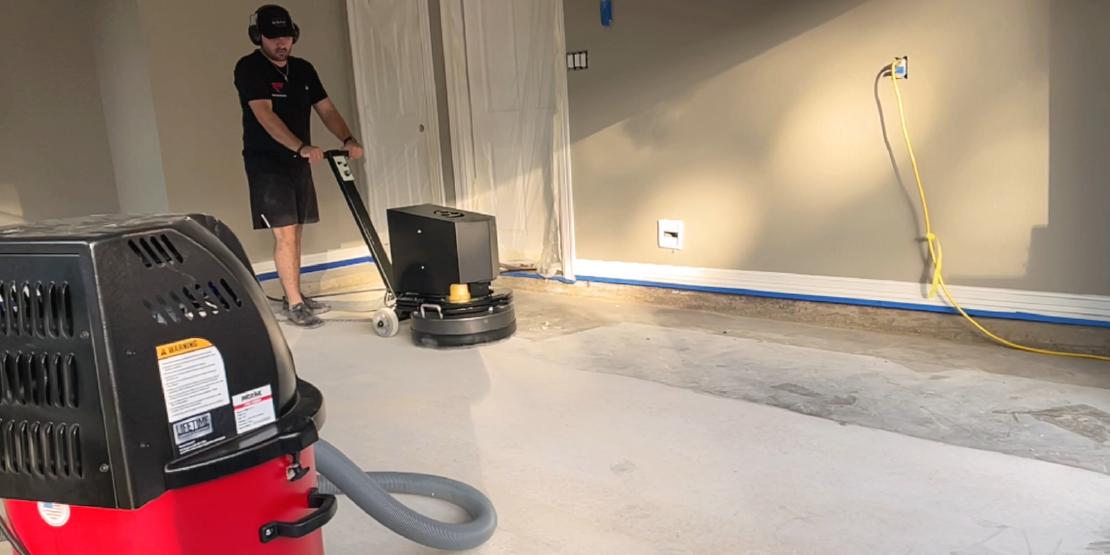

Floor Coatings for Basements and Cellars
Understanding Subterranean Room Protection
Subterranean spaces, commonly referred to as basements or cellars, present unique challenges in terms of maintenance and protection. Unlike other rooms in a building, these underground areas are continuously exposed to moisture, temperature fluctuations, and other damaging factors from the surrounding soil. Thus, ensuring optimal protection for these spaces is fundamental.
There exists a plethora of protective measures that can safeguard these rooms. The application of surface layers can particularly serve as the first line of defense against possible damages. These coatings, which include epoxy, polyurethane, and others, not only provide resistance to moisture penetration but also enhance the aesthetics of the area. Moreover, the right choice of a protective layer can significantly boost the durability of the room. Choice of the material should primarily be based on the conditions and use of the room - a personalized approach ensures maximum protection.
The Importance of Proper Underground Area Finish
A well-finished underground surface is a vital cog in any subterranean space, serving as the groundwork for aesthetics, efficiency, and durability. Adequate finishing enhances the visual appeal, makes maintenance easier, and provides an efficient operation of the space. Notably, proper coating techniques help prevent damage caused by moisture, such as mold growth and mildew, which can compromise the structural integrity and create potentially unhealthy living conditions.
Finishing options for underground areas range from traditional coatings such as paint and stain, to more durable solutions like epoxy coatings, polyurethane surfaces, ceramic tiles, vinyl sheets, and rubber mats. Each type of surface layer offers unique benefits, from the impressive durability of epoxy to the slip-resistant properties of rubber mats. The choice of finish depends on several factors such as the underground room’s designated function, the local climate, budget, and aesthetic preferences. Proper surface finish ensures that subterranean space remains functional, safe, and visually appealing.
Different Types of Protective Surface Layers for Lower Levels
Essential to any subterranean space’s longevity is the selection of a suitable protective surface layer. This layer serves to shield the room below from potential damage due to elements such as moisture, soil, insects, and other physical abrasions. The type chosen greatly depends on the intended use of the area, as well as the owner’s aesthetic preferences. With a myriad of options available, informed decision-making is paramount.
Concrete products are often the go-to among homeowners due to their durability and low cost. Epoxy coatings, for instance, besides providing a hardened surface, also enhance its appearance by offering a high-gloss finish. If budget permits, one might consider polyurethane applications, which provide superior resistance to scratching and solvents. Other practical choices include vinyl tiles and sheets that offer a cost-effective, water-resistant alternative. When aesthetics are of prime concern, ceramic tiles, stones, and brick pavers come into play, adding texture and elegance to the space. One should not overlook safety in these spaces. Rubber mats and tiles offer excellent slip-resistance and are easy on the feet, making them particularly suited for areas with high foot traffic.
Benefits of Epoxy Coatings in Underground Spaces
Epoxy coatings are universally recognized for their myriad of benefits when applied to underground spaces. They offer impressive durability, seamlessly withstanding moderate to heavy traffic without succumbing to wear and tear. Epoxy creates an impermeable barrier, resisting moisture penetration, a critical feature for underground areas prone to damp conditions. Furthermore, this protective layer is unsusceptible to common stains, chemical spills, or even the rigorous cleaning methods—ensuring a long-lasting, aesthetic appeal of the surface.
Another commendable trait of epoxy coatings is their versatility in a broad spectrum of design possibilities. Available in a wide range of colors and patterns, they allow for extensive customization to fit any desired aesthetic. Despite the impressive durability and aesthetic flexibility, epoxy coatings remain cost-effective, providing excellent value for the investment. Moreover, they are low maintenance, requiring only simple, routine cleaning to sustain their glossy finish—a pivotal feature for effectively managing underground spaces. This clear advantage, coupled with their superior resilience, makes epoxy coatings a go-to choice for protection of subterranean rooms.
Polyurethane: A Versatile Option for Below-Ground Areas
Polyurethane coatings are an excellent choice for underground areas due to their extensive range of benefits. The inherent versatility of these coatings ensures an all-round protection for subterranean spaces. Known for their resilience, they are capable of standing up to numerous destructive elements such as water, heat, and certain chemicals. This makes them an ideal option for spaces that encounter wide-ranging environmental dynamics.
The advantages of polyurethane extend beyond simply their robust nature. The material’s ability to create a seamless and smooth finish adds an aesthetic appeal to any room. Being available in a multitude of colors and textures, it enables owners to customise their below-ground spaces according to personal preferences. These inherent and inherent benefits make polyurethane a prime choice of coating for underground spaces.
How Concrete Stains Enhance Your Subterranean Spaces
Concrete stains profoundly transform the aesthetic appeal of subterranean areas. They offer an expansive palette of rich colors and eye-catching patterns, infusing life into an otherwise drab environment. Their seamless design contributes to a blend of artistry and functionality, creating aesthetically appealing spaces without compromising on the durability aspect. The unique tonal variations and marbling effect, inherent in stained concrete, bestow your underground rooms with a characteristic charm and distinct personality.
Apart from elevating the visual charm, concrete stains boast a remarkable resiliency capable of resisting harsh underground conditions. With their non-peel and non-fade properties, they ensure the longevity of the surface while maintaining a consistent and vibrant appeal. To add more, they provide a sealed, continuous surface that is easy to clean and keeps dust, moisture, and pests at bay. Furthermore, concrete stains can grant your subterranean areas unprecedented durability without the need for excessive maintenance or care.
A Guide to Ceramic Tile as a Durable Coating Option
When it comes to achieving a sturdy, lasting finish in below-ground surfaces, one cannot overlook the proven resilience of ceramic tiles. This nonmetallic mineral product boasts remarkable hardness and strength that have made it a favoured choice for protective surfaces, especially in spaces exposed to a substantial degree of wear and tear. Its high-density body and impervious glazed surface combine to create an almost impenetrable barrier against physical impacts as well as penetration by water and other harmful substances. This high resistance to infiltration safeguards the underlying base layers from potential harm, ensuring their long-term integrity.
Yet the advantages of ceramic tile extend beyond merely protective qualities. It is also aesthetically appealing, available in a wide range of colours, patterns, and finishes that cater to diverse interior design tastes. Be it a modern, minimalist look or a more traditional, rustic feel, ceramic tiles can meet the brief. Moreover, not only are they stain-resistant, but they are also easy to clean and maintain - a quick sweep or mop regularly easily removes dust or grime, maintaining their appealing appearance and protective function. So, in considering surface protection options for your subterranean room, ceramic tiles present a compelling case based on durability, aesthetics, and ease of care.
Vinyl Tiles and Sheets: Practical Choices for Lower Levels
Vinyl tiles and sheets are an excellent choice for underground areas due to their durability, ease of installation, and affordability. Offered in a broad range of designs, colors, and patterns, these are designed to replicate the look of more costly materials such as stone, ceramic tiles, and wood. Because of their water and moisture resistance, vinyl coatings are particularly effective in damp spaces like basements and cellars where heavy humidity or water intrusion may cause issues with other materials.
Vinyl tile is often the preferred choice for those seeking to personalize their space as it provides the flexibility to create unique patterns and designs. Vinyl sheet, on the other hand, provides a seamless, uniform appearance ideal for large underground spaces. Despite their cost-effectiveness, both options offer a surprisingly comfortable underfoot experience. They provide insulation against the typical coldness associated with subterranean floors and offer a certain degree of sound absorption, enhancing the overall comfort of these spaces. Furthermore, vinyl surfaces are known for their ease of maintenance, requiring nothing more than a good sweep and occasional mop to maintain their appearance over the long term.
Stone and Brick Pavers: Aesthetic and Functional Coating Choices
For those seeking a touch of elegance and nature in their underground spaces, stone and brick pavers offer an unmatched warmth and aesthetic. These materials are not just about appearance though, as they have a unique quality of being able to withstand intense traffic and weight without showing signs of wear and tear. Be it a wine cellar, basement office, or storage space, stone or brick pavers serve as a beautiful foundation that stands the test of time and usage.
Whether it’s the rustic allure of cobblestone, the refined sophistication of cut brick pavers, or the rugged durability of slate, each type of stone and brick carries its own charm. With the varying colors, shapes, and sizes, they give homeowners the freedom to create custom patterns and designs that reflect their tastes and lifestyle. More than just a surface layer, stone and brick pavers are an investment in your home’s functionality and aesthetic appeal.
Rubber Mats and Tiles: Safety Focused Coating for Underground Areas
Rubber mats and tiles stand out as an excellent safety-conscious choice for covering the surfaces of underground areas. Be it garages, basements, or workout rooms, these resilient materials offer an unparalleled combination of durability, safety, and comfort. Enhanced with slip-resistant features and shock-absorbing properties, they mitigate the risk of accidents, particularly in damp and moisture-prone subterranean spaces. Moreover, they can withstand heavy traffic and excessive wear-and-tear, rendering them a long-lasting solution for high-traffic underground areas.
One of the unique selling points of rubber mats and tiles is the ease of installation. Unlike some labor-intensive materials, rubber mats or tiles can be easily installed, replaced, or moved, offering both cost and time efficiency. They come in a plethora of designs and colors catering to diverse aesthetic preferences. Besides safeguarding from accidents, this versatile surface layer also provides sound insulation, a feature that significantly contributes to enhancing the peaceful environment of any underground space.
Maintenance and Care of Your Underground Room Surface
Proactive maintenance is vital to ensure the longevity and integrity of your subterranean room’s surface. It constitutes periodic inspections for damage, regular cleaning, and prompt repair work. Observation is key; small irregularities like cracks, damp spots or discoloration could hint at underlying issues. Ensuring cleanliness can prevent many problems. Debris left overtime can cause scratches and wear, so it’s important to sweep and clean the surface regularly using appropriate cleaning solutions.
When problems arise, they require immediate attention. Neglected crack or moisture problems can escalate and compromise the entire space. There are several methods for repair depending on damage severity and surface type. Cracks can often be filled with epoxy or mortar. However, serious issues like water leaks or significant structural damage might necessitate professional help. Whether you have an epoxy coating, concrete stain, ceramic tile or rubber mat finish, preventative care and timely repair can greatly enhance the lifespan of your underground room surface.
Potential Problems and Solutions with Below-Ground Room Coatings
Subterranean rooms or underground spaces frequently face specific problems related to the coating and finishes. The most common issues include water intrusion, humidity, mildew growth, deterioration of the coating, and even damage to the structural integrity of the space. Moisture is a significant threat, as it can seep into the underground area, leading to water intrusion that can cause the coating to peel or bubble. Mildew, a fungus that flourishes in damp conditions, can pose a risk to underground rooms as well, leading to unsightly discoloration and potential health hazards.
Thankfully, implementing effective solutions can address these critical problems at the root. Foremost, waterproofing the subterranean rooms is critical to prevent water intrusion. Waterproof coatings such as epoxy or polyurethane can provide a resilient barrier against moisture, essentially reducing the risk of water damage. In terms of controlling humidity, installing a dehumidifier or ventilation can help maintain an appropriate level of moisture in the air, thus preventing the growth of mildew. Regular inspection and maintenance are also key to early detection and repair of any coating deterioration. Utilizing durable coatings and tiles, such as ceramic, vinyl, or rubber, can provide additional resistance against these underground threats, enhancing the overall longevity and appeal of your underground space.
Choosing the Right Surface Protection for Your Subterranean Room
The selection of surface protection for a subterranean room is crucial, demanding careful consideration of various factors. The purpose of the room, anticipated traffic and usage, moisture levels, and even personal style all play a role in the decision-making process. Earlier in this article, a variety of coatings and protective surface layers were detailed; epoxy, polyurethane, ceramic tiles, vinyl sheets, stone pavers, and rubber mats are among the reliable choices. Considering these variables is essential to ensuring durability, functionality, and aesthetics are taken into account in your application.
Given that subterranean rooms generally have different environmental conditions compared to regular rooms, particular attention must be given to moisture and temperature fluctuations. Coatings like epoxy and polyurethane excel in such conditions, boasting water resistance and durability. However, materials like ceramic and stone pavers offer an aesthetic edge, aside from their durability. Other materials like vinyl and rubber mats prioritize safety and practicality, being slip-resistant and easy to install. Thus, selecting the right surface protection is heavily reliant on individual needs and circumstances, taking into account the balance between practical requirements and aesthetic preferences. To make an informed decision on the best surface protection for your subterranean room, consider the following points:
• Purpose of the Room: The intended use of the room plays a significant role in determining what kind of surface protection is needed. For instance, if it’s going to be used as a storage space or workshop, durability and resistance to wear and tear would be paramount.
• Anticipated Traffic and Usage: Rooms with high foot traffic require robust materials like epoxy or polyurethane that can withstand constant wear. On the other hand, rooms with less traffic might benefit from more aesthetic options like ceramic tiles or stone pavers.
• Moisture Levels: Subterranean rooms tend to have higher moisture levels than above-ground spaces due to their proximity to groundwater. Therefore, it’s vital to choose waterproof coatings such as epoxy or polyurethane.
• Temperature Fluctuations: Underground rooms are often subject to temperature variations which can cause some materials to crack or warp over time. Materials like vinyl sheets and rubber mats are good choices because they can handle these fluctuations without damage.
• Personal Style Preference: While practical considerations are important, you should also take into account your personal style preferences when choosing surface protection for your subterranean room. Ceramic tiles offer chic elegance while stone pavers add rustic charm.
In conclusion, selecting suitable surface protection for a subterranean room involves balancing practical requirements against aesthetic preferences while considering factors such as purpose of the room, anticipated usage level, moisture content and temperature changes.
What is subterranean room surface protection?
Subterranean room surface protection involves applying a specific coating or layer on the floor, walls, or ceiling of an underground room to protect against moisture, damage, and other environmental factors.
Why is it important to have a proper underground area finish?
A proper underground area finish not only enhances the aesthetics of the room but also safeguards the structural integrity of the space by protecting against moisture, cracks, and other potential damages.
What are some different types of protective surface layers for lower levels?
Some types of protective surface layers for lower levels include epoxy coatings, polyurethane layers, concrete stains, ceramic tiles, vinyl tiles or sheets, stone or brick pavers, and rubber mats or tiles.
What are the benefits of using epoxy coatings in underground spaces?
Epoxy coatings are a popular choice for underground spaces due to their durability, resistance to moisture and chemicals, and ability to provide a smooth, seamless surface. They also enhance the brightness of the space due to their reflective properties.
Why might I consider polyurethane as a surface protection for my subterranean room?
Polyurethane is a versatile and durable coating choice. It provides excellent resistance to abrasion, impacts, and chemicals, making it an ideal choice for high-traffic underground areas.
How do concrete stains enhance subterranean spaces?
Concrete stains can enhance subterranean spaces by adding color and a unique, custom look. They are also durable and low-maintenance, making them a practical choice.
What are the benefits of using ceramic tile as a durable coating option?
Ceramic tile is highly durable, resistant to dampness, easy to clean, and available in various designs and colors. This allows for a great deal of aesthetic flexibility while providing reliable protection.
How are vinyl tiles and sheets practical choices for lower levels?
Vinyl tiles and sheets are cost-effective, easy to install and maintain, and offer a wide range of design options. They also resist water, making them a good choice for subterranean spaces.
Why might I choose stone and brick pavers for my underground room coating?
Stone and brick pavers add a rustic, natural aesthetic to your space. They’re also extremely durable and capable of withstanding heavy foot traffic.
What role do rubber mats and tiles play in underground area safety?
Rubber mats and tiles provide a non-slip surface, helping to prevent accidents in potentially damp underground rooms. They also offer a level of shock-absorption, which can be beneficial in workout or play areas.
What are some potential problems and solutions with below-ground room coatings?
Some potential problems include moisture damage, cracks, and wear and tear. Solutions may involve using water-resistant coatings, regular inspections, proper installation, and regular maintenance.
How can I choose the right surface protection for my subterranean room?
Consider the intended use of the room, the room’s environment, and your budget. Look at the advantages and disadvantages of each type of coating, and consider professional advice if necessary. The right choice would be the one that best caters to your specific needs.