
Floor Coatings for Electrical Insulation and Safety
Understanding the Importance of Insulating Surfaces
An integral part of maintaining an electrically safe environment is properly insulating the surfaces that interact with power sources. Insulating surfaces act as a protective barrier that effectively shields users from electric shocks or fires. These safeguards interrupt the path of a potential electrical discharge, thus preventing hazardous events.
Insulating surfaces using a suitable coating isn’t just a critical safety measure. It is also essential for preserving the longevity of equipment, reducing energy loss, and improving the overall efficiency of electrical systems. Modern coating technology, including enamel, polyurethane, and epoxy variants, provides a responsive and effective layer of insulation. The improved safety and efficiency offered by these sophisticated coatings underscore their importance, particularly in high-risk or high-voltage environments.
Exploring the Role of Coatings in Preventing Electrical Accidents
Coatings play a crucial role in electrical safety management, significantly reducing the risk of accidents. Insulating substances constitute an essential aspect, given their properties that act as a barrier against electric current. These protective layers impede the transmission of electricity when applied to various surfaces, providing a safeguard against possible shocks or short-circuits.
On a broader perspective, insulating coatings are not just beneficial for grounding or preventing direct contact with electricity. They also ensure effective durability of electrical apparatus and reduce system downtime. Varying in their form, from paints to plastic wraps, these versatile materials withstand extreme environments and maintain stability under high voltage. Thus, their function extends to preserving the longevity of electrical systems, while simultaneously enhancing workplace safety.
Key Characteristics of Effective Insulating Coatings
Insulating coatings play a crucial role in ensuring the safety of electrical components by providing a barrier against electrical conductivity. They are recognized by certain significant characteristics that make them ideal for their purpose. Primarily, an effective insulating coating must have a high dielectric strength so that it can resist the flow of electricity and prevent electrical failure. Further, the functionality ought to be cross-temperature, meaning its insulating properties should remain consistent across a broad range of temperatures.
Moreover, environmental resistance is another noteworthy trait of effective insulating coatings. This refers to the coating’s ability to withstand harsh conditions such as humidity, corrosive atmospheres, or UV exposure without compromising its insulating capabilities. Meanwhile, ease of application and overall lifespan are practical features that add to the effectiveness of these coatings. Lastly, a comprehensive, non-conductive bonding with the applied surface is significant in maintaining safety over time. The insulating coating should exhibit a strong adherence to diverse types of surfaces, resisting removal or damage when exposed to external factors.
Different Types of Insulating Coatings and Their Benefits
Insulating coatings, also known as dielectric coatings, are a critical tool in enhancing electrical safety. They come in several forms, each with unique characteristics making them suited for diverse applications. Epoxy coatings are a popular choice due to their excellent mechanical strength and resistance to heat and chemicals. On the other hand, silicone coatings are noted for their superb weathering resistance properties, flexibility, and ability to withstand extreme temperatures without losing effectiveness.
Each insulating coating brings a distinct set of benefits to the table. Epoxy coatings, for instance, can extend the lifespan of electrical equipment by offering superior protection against corrosive elements and thermal stress. Silicone coatings are also highly advantageous, especially in outdoor electrical systems exposed to harsh environmental conditions, as they prevent moisture ingress and resist ultraviolet radiation, thereby ensuring equipment reliability and longevity. Given the varied benefits, an appropriate choice of insulating coating can significantly improve electrical safety and efficiency.
Selecting the Right Coating for Your Electrical Safety Needs
Several factors go into choosing the appropriate insulating coating for optimal electrical safety. As a first step, it is crucial to understand the exact needs of the electrical system, including the voltage it operates at and the temperatures it may reach. These parameters largely influence the choice of coating, as different materials have varying resistances to heat and electricity. Additionally, consider the environment around the electrical system; factors such as moisture, dust, and corrosive elements can severely impact a coating’s effectiveness and longevity. Hence, the selection should factor in these conditions to ensure the coating provides long-term protection.
Durability is another key consideration when selecting an insulating coating. Checking manufacturer specifications and industry standards can provide insights into a coating’s wear and tear capabilities. The coating chosen should be durable enough to withstand the natural degradation process while still providing effective insulation. It’s also worth considering ease of application and suitability to the area design; some types of coatings are better suited for specific geometries and spaces. While budget is always a consideration, prioritizing cost over quality can often lead to larger safety and financial implications down the line. Therefore, while the initial investment might be higher, selecting a coating that is tailored to your electrical system’s specific needs and environment can prove more cost-effective in the long run.
Process of Applying Insulating Coatings
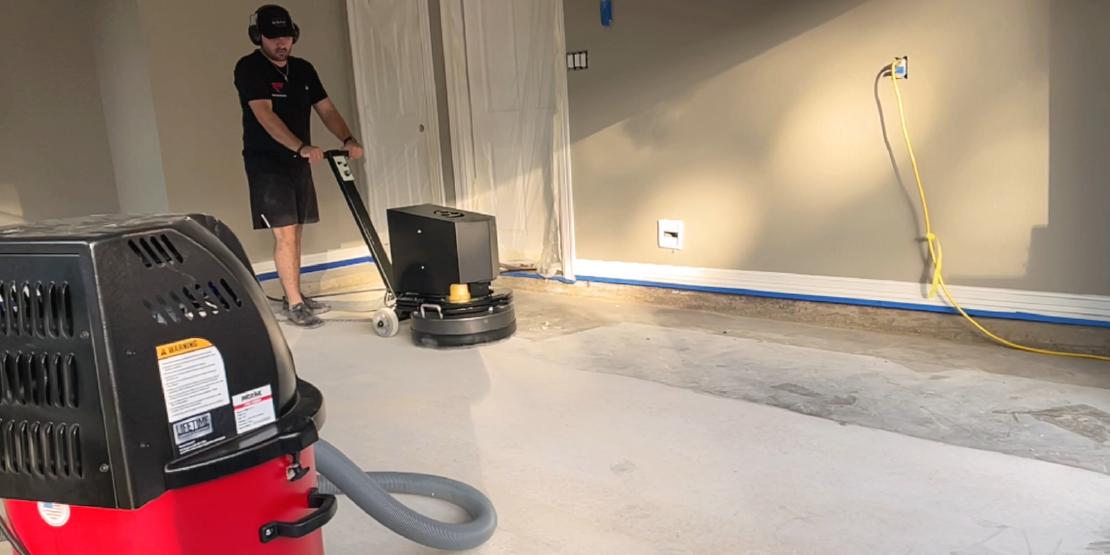
The initial step in the application of insulating coatings involves a comprehensive cleaning of the surface that needs to be protected. Removing dust, dirt, and any existing loose material ensures optimal adhesion of the coating. To build a strong and lasting bond, the substrate needs to be free from all contaminants. Once prepared, the surface might need a primer depending on the type of coating being used. The primer serves to enhance the adhesion between the substrate and the insulating coating and reinforces the protection offered.
Post primer application, the actual coating is applied. The insulating coatings can be brushed, sprayed, or applied with a roller depending on the specifics of the job and the coating material. It often takes multiple coats to get the right thickness for effective insulation. It is crucial to enforce strict quality control throughout the process. Ensuring uniform application and the appropriate thickness is vital for the coating to provide maximal electrical insulation and protection.
How Coatings Enhance the Safety of Electrical Workspaces
Electrical workspaces require a high level of safety due to their inherent danger. This is where the value of insulating coatings truly comes to the fore. These protective layers serve an essential role in mitigating electrical hazards. A key aspect of their functionality lies in preventing electrical currents from passing through protected surfaces, creating a safer work environment. Insulating coatings, by acting as non-conductive shield, protect workers from potential shocks and help curb unintended power transmission.
Insulating coatings additionally contribute to the reduction of heat generation in electrical systems. Electrical components, particularly those with high voltage, can often generate excessive heat. This heat can cause overheating, component failure, and even accidental fires. By effectively managing the heat dissipation, insulating coatings not only protect the electrical systems from damage, but also minimize the risk of fire-related accidents –an essential aspect in maintaining overall safety within electrical workspaces. In sum, the innate properties of insulating coatings genuinely result in considerable safety enhancements.
Maintenance Tips for Insulating Coatings
Over time, insulating coatings can wear off due to several factors such as exposure to harsh weather conditions, corrosive substances, and physical wear and tear. Therefore, regular maintenance is crucial to ensure their optimal functioning. Maintaining these coatings does not necessarily require expert skills; basic cleaning, visual inspection, and timely touch-ups can go a long way in prolonging the effectiveness of the insulating coating. Clean the coated surface regularly to eliminate dust and debris accumulation as they can degrade the coating over time. Visual inspection can reveal any cracks, blisters, or peeling, which are indications that the coating needs repair or replacement.
In addition to these activities, it is also essential to apply a new coating layer periodically. This practice poses its own challenges and requires careful planning. Users must ensure the surface is free of moisture and other contaminants before the application of the new layer. It also involves choosing the right type of coating that suits the specific needs and conditions of the electrical setup. Moreover, it is crucial to apply the coating in an environment with the appropriate temperature and humidity conditions to secure optimal adherence to the surface. The specifics of these conditions can often be found on the coating product’s data sheet.
Common Challenges in Implementing Insulating Coatings
Implementing insulating coatings might pose a series of challenges. The primary issue encountered is the representation of improper surface preparation. This task demands rigorous attention to detail, where every small area must be adequately treated and prepped. Failure in preparing the surfaces correctly might result in ineffective coating adherence. It subsequently reduces the insulating capacity, durability, and overall performance of the coating.
Additionally, the selection of the wrong type of coating often becomes a critical issue. With a wide range of coatings available in the market featuring a variety of characteristics, choosing an improper fit can lead to ineffective insulation, increasing the risk of electrical accidents. It thus highlights the significance of a comprehensive understanding of the distinct types and their specific capabilities before choosing an insulating coating. Unfavorable environmental and weather conditions may also pose challenges, particularly when applying coatings outdoors. These conditions can potentially hamper the coating’s adherence and durability. Therefore, predicting and considering these factors prior to application might aid in averting these complications. • The first challenge in implementing insulating coatings is the improper surface preparation. This process requires meticulous attention to detail, ensuring that every small area is adequately treated and prepared. If surfaces are not correctly prepped, it could lead to ineffective coating adherence which negatively affects the insulation capacity, durability, and overall performance of the coating.
• Another common issue faced during implementation involves selecting an inappropriate type of coating. With a myriad of options available in the market each with unique characteristics, choosing a wrong fit can result in ineffective insulation and increased risk of electrical accidents. Thus emphasizing on the importance of understanding different types and their specific capabilities before finalizing an insulating coating.
• Unfavorable environmental factors or harsh weather conditions also pose significant challenges when applying coatings outdoors. These conditions may affect the adhesion strength and durability of the applied coat adversely. Hence predicting these potential issues beforehand can help mitigate such complications while implementing insulating coats.
In conclusion, careful planning considering all these aspects can significantly reduce challenges encountered during implementing insulating coatings ensuring optimal performance from them.
Solutions to Overcome Challenges in Using Insulating Coatings
One of the primary hurdles in implementing insulating coatings is ensuring the proper application thickness. Too thin an application may not offer sufficient insulation, causing safety issues, while excessively thick layers may lead to unwanted costs, waste, and may even compromise equipment functionality. One practical solution to guarantee optimal thickness is relying on specialized application tools and protocols that offer precise control over the thickness, ensuring a coat that is just right. In addition, robust training of the individuals applying these coatings can drastically improve application quality and accuracy.
Another common obstacle is the inconsistency in quality due to varying environmental parameters such as temperature and humidity. Both these factors could affect the curing time and final performance of these coatings. However, with emerging technologies, smart coating systems that comfortably accommodate a range of environmental conditions are being developed. Use of these advanced products ensures a consistent, high-quality application regardless of the external conditions. They save time, reduce rework and in turn, lower costs, emphasizing the fact that technology is paramount in overcoming the challenges associated with using insulating coatings.
Case Studies: Successful Application of Insulating Coatings
One prominent example of the successful application of insulating coatings comes from a leading electrical manufacturing company. During their production, an alarming number of electrical components suffered damage from frequent electrical overloads, threatening equipment and personnel’s safety. The introduction of high-performance insulating coatings drastically improved the situation. By applying these coatings to susceptible surfaces and connections, the company was able to maintain the longevity and function of critical components, while enhancing the overall safety of their operations.
Another significant case hails from the transportation sector where critical control systems in trains are continuously exposed to electrical impulses. The repeated contact caused long-term damage to key equipment, negatively affecting system coordination and reliability. The application of specialized insulating coatings played a transformative role in such circumstances. The coatings not only protected the equipment from electrical surges but also made the components more durable by reducing wear and tear from high-voltage pulses. These two examples showcase the practicality and effectiveness of insulating coatings in diverse fields, emphasizing their crucial role in electrical safety.
Latest Trends in Insulating Coating Technology
In recent years, the insulating coating technology landscape has seen significant advancements. Nanotechnology-based coatings have emerged as a ground-breaking trend, offering superior insulation properties compared to traditional options. These high-performance nano coatings possess impressive electrical resistance, demonstrating remarkable results in electrical equipment safety by minimizing the possibility of short-circuiting and other electrical accidents.
Simultaneously, the advent of eco-friendly insulating coatings marks another significant trend in this sphere. Driven by increasing environmental concerns and strict government regulations, manufacturers are leaning towards the use of non-toxic, biodegradable materials in producing insulating coatings. These green options effectively enhance electrical safety while also reducing potential harm to the environment, symbolizing a thoughtful fusion of technology and sustainability.
Future Prospects of Insulating Coatings in Electrical Safety
In the rapidly progressing world of technology, the prospects of insulating coatings in electrical safety are continually evolving. Modern advancements in coating materials and techniques promise enhanced safety measures, reduced maintenance, and increased longevity of electrical components. Innovations such as nano-technology based insulators and self-healing coatings are becoming more prevalent. They hold the potential to revolutionize the way we understand and implement electrical safety.
Insulating coatings are increasingly being developed to withstand extreme environmental conditions too. This allows for safer use of electrical equipments in challenging situations, enhancing the scope of their application. Interestingly, an emerging trend is the development of smart coatings that can monitor their own wear and tear. These coatings not only provide protection, but also alert users about potential risks in advance, enabling preventative measures. This could signify a breakthrough in electrical safety management.
Why are insulating surfaces important in electrical safety?
Insulating surfaces are essential in electrical safety to prevent the flow of unwanted electrical currents. They provide a barrier that helps minimize the risk of electric shock, electrical fires, and other electrical accidents.
What role do coatings play in preventing electrical accidents?
Coatings act as a protective barrier on the surface of electrical equipment. They prevent electrical conduction, reducing the risk of electrical accidents such as shocks or fires.
What are some key characteristics of effective insulating coatings?
Effective insulating coatings are non-conductive, resistant to heat and humidity, durable, and adhere well to the surface they’re applied on. They should also be resistant to chemicals and aging.
Can you name different types of insulating coatings and their benefits?
Types of insulating coatings include epoxy, silicone, and polyurethane. Epoxy coatings are known for their toughness and chemical resistance, silicone coatings offer excellent temperature resistance, and polyurethane coatings are known for their flexibility and durability.
How do I select the right coating for my electrical safety needs?
Choosing the right coating depends on several factors such as the operating environment, temperature range, and type of equipment. Consulting with a coating specialist or manufacturer can help in making an informed decision.
How are insulating coatings applied?
Coatings can be applied using various methods such as spraying, dipping, or brushing. The method chosen depends on the type of coating and the equipment it’s being applied to.
How does using coatings improve the safety of electrical workspaces?
Coatings provide an additional layer of protection that helps prevent electrical accidents. They reduce the risk of electrical conduction, helping to make electrical workspaces safer.
What are some tips for maintaining insulating coatings?
Regular inspection for any signs of wear, damage, or ageing is key. If any issues are found, the coating should be repaired or replaced promptly.
What are common challenges in implementing insulating coatings?
Some challenges can include selecting the right coating for a particular application, proper application of the coating, and maintaining the coating over time.
Any solutions to overcome challenges in using insulating coatings?
Consulting with a coating specialist or manufacturer can help overcome these challenges. They can provide guidance on selecting the right coating, application methods, and maintenance practices.
Can you provide examples of successful application of insulating coatings?
Case studies including specific scenarios where insulating coatings have been successfully implemented can provide useful insights. However, due to the wide variety of use cases, specific examples would depend on the context of the application.
What are the latest trends in insulating coating technology?
Trends in insulating coating technology are constantly evolving, with a current focus on developing coatings with improved durability, performance under extreme conditions, and environmental sustainability.
What are the future prospects of insulating coatings in electrical safety?
The future prospects of insulating coatings in electrical safety are promising. With advancements in technology, we can expect to see coatings with improved performance characteristics, potentially leading to even safer and more efficient electrical systems.