
Floor Coatings for Extreme Temperature Conditions
Understanding the Importance of Temperature-Resistant Surfaces
Temperature extremes can wreak havoc on surfaces, causing them to degrade over time. This ensues due to a process known as thermal cycling; an ongoing pattern of heating and cooling. Buildings, vehicles, vessels, and various structures often bear the brunt of these temperature variations. Hence, the necessity for temperature-resistant surfaces has grown imperatively. It preserves their longevity, functionality, and appearance despite being exposed to adverse thermal conditions.
Temperature-resistant coatings, whether they are modified epoxies, silicones, fluoropolymers, or ceramics, play a pivotal role in safeguarding surfaces. They withstand impressive temperature ranges while maintaining their physical properties. With heat-resistant paints and finishes, surfaces are not just equipped to endure high or low temperatures but also weather elements and other environmental factors. This dual characteristic substantially reduces the need for frequent maintenance and costly repairs, making them a worthy investment.
Exploring the World of Temperature-Resistant Paints and Finishes
Temperature-resistant paints and finishes are essential in a wide variety of industries and applications, like the aerospace, automotive, and offshore drilling sectors, to name a few. The primary function of these specialized coatings is to protect surfaces from high or extremely low temperatures. They shield the substrate, preventing deterioration or changes in structural integrity which could be instigated by temperature extremes. These paints and finishes not only withstand high temperatures and insulate against cold, but also provide protection from corrosion, oxidation, and UV radiation.
There is a robust range of temperature-resistant paints and finishes available, including epoxies, polyurethanes, and zinc-rich primers. Each one of these options carries unique qualities and attributes, making them more suitable to certain applications over others. Epoxy coatings, for instance, are versatile and typically associated with impressive durability and strong adhesion. Polyurethane coatings have notable resistance to UV radiation, chemicals, abrasion, and corrosion. Zinc-rich primers provide excellent galvanic protection, making them an ideal choice for harsh environmental conditions. These paints and finishes, by design, are crafted to protect and prolong the life of substrates they are applied to.
How Temperature Extremes Affect Your Surfaces
Different materials respond to various temperature extremes in distinct ways, often altering their physical properties or structures over time. Extreme cold can cause contraction in certain materials, causing them to become brittle and more susceptible to cracking or damage. On the other hand, extreme heat can result in expansion, leading to deformities, warping, and in some cases, the material’s disintegration.
Surfaces are particularly vulnerable as they are frequently exposed to shifting environmental conditions. Over time, the cyclical process of contracting in the cold and expanding in the heat leads to substantial structural stress. This may result in cracks, peeling, or other forms of deterioration on the surface. These signs of wear and tear indicate that the surface has been drastically affected by temperature extremes, compromising its integrity, appearance, and function. To mitigate this issue, temperature-resistant coatings have been developed to shield surfaces from extreme temperature variations.
The Science Behind Temperature-Resistant Coatings
Understanding the science behind temperature-resistant coatings provides perspective on the innovations in material technology. These protective coatings are highly engineered to resist fluctuations in temperature, safeguarding the underlying structure from potential damages such as corrosion, warping or discolouration. They are a product of a complex blend of chemical compounds that function together to achieve this resistance. Special polymers, binding agents, filler materials and pigments interact in specific ways to generate a protective layer that can withstand external heat or cold.
In more technical terms, heat resistance in these coatings is often due to the presence of silicone resins. Silicone resins can withstand high temperatures because they thermally decompose at a much slower rate compared to typical organic polymers. On the other end of the spectrum, low temperature resistant coatings generally operate on a principle of insulation. They possess low thermal conductivity, which means they do not easily transfer heat, thereby preventing the internal temperature from drastically dropping.
Why Opt for Temperature-Resistant Coatings?
There are numerous reasons to consider the use of temperature-resistant coatings. Primarily, they offer excellent protection against extreme thermal fluctuations. This is a crucial consideration for objects and structures exposed to varied environmental conditions. These coatings provide a barrier between the surface and the extreme temperatures, thus avoiding potential damage like warping, cracking, or other forms of deformities.
Alongside providing insulation benefits, these coatings also extend the lifespan of surfaces. They decrease the level of wear and tear on the surfaces, making them last longer than those without any form of protection. Moreover, certain types of temperature-resistant coatings offer additional perks like corrosion resistance and chemical resistance. This capability makes them a versatile choice for different applications, right from industrial setups to household objects, enhancing both functional and visual attributes.
Key Elements to Consider When Choosing a Temperature-Resistant Coating
Selecting the right temperature-resistant coating involves careful consideration of numerous factors. Performance requirements sit at the top of these factors; this refers to the necessary level of heat resistance, durability, and whether or not the surface requires protection against additional elements such as UV radiation or corrosion. The longevity of the coating, ease of application, and maintenance needs are also significant aspects to mull over.
Substrate compatibility is an essential element in choosing a temperature-resistant coating. Certain coatings may not adhere to certain substrate types or may cause unwanted chemical reactions. It is necessary to ensure the coating selected is compatible with the surface it will be applied to. The environment in which the surface will exist, coated, also matters. Climate, exposure to sunlight, or proximity to corrosive materials all have a role in decision-making.
Types of Temperature-Resistant Coatings Available
There exists a variety of temperature-resistant coatings designed to serve different needs and applications. Temperature-resistant paints can be broadly divided into two main categories: heat-resistant and cold-resistant. Heat-resistant paints, as the name implies, are crafted to withstand high temperatures without losing functionality or aesthetic appeal. These usually find use in industries such as automotive, aerospace, and construction where surfaces regularly endure high temperatures.
Cold-resistant paints are engineered to endure cold without cracking or peeling. They offer reliable protection from sub-zero temperatures and drastically improve the life span of surfaces. Common applications include refrigeration units, outdoor structures in colder climates, and equipment exposed to harsh winter weather. Identifying the type of exposure, environmental factors, and performance requirements are key elements in selecting the appropriate temperature-resistant coating.
The Process of Applying Temperature-Resistant Coatings
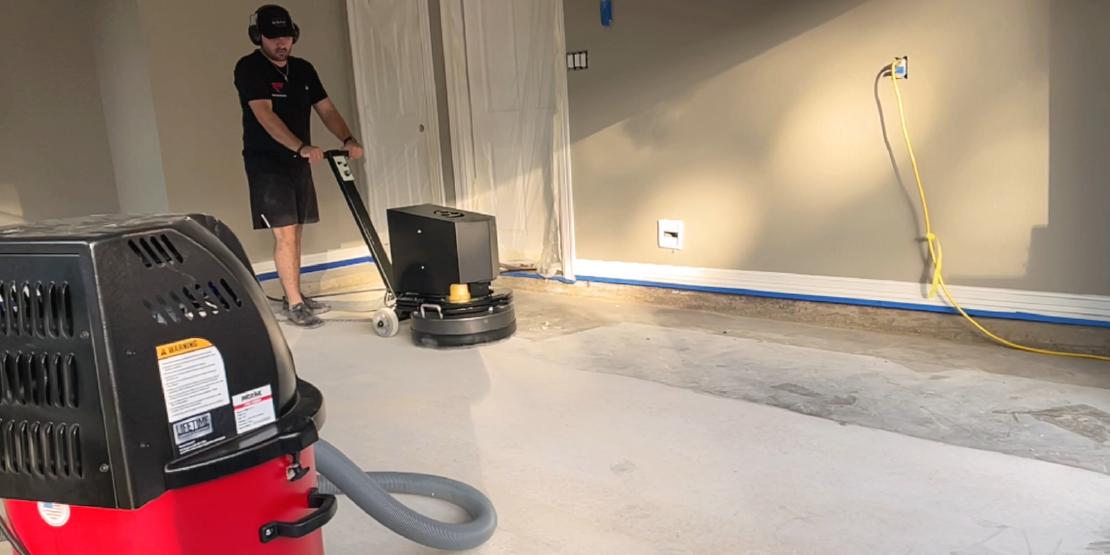
Applying temperature-resistant coatings involves a series of steps that must be carried out with precision to ensure the effectiveness of the coating. It all starts with preparing the surface; this may consist of cleaning, sanding, or smoothing. Adequate preparation is crucial because it allows the coating to adhere properly to the material.
Following preparation, a primer may be applied, although this is not always necessary, depending on the type of coating being used. The temperature-resistant coating is then applied, typically using spray equipment for an even distribution. Usually, multiple layers of the coating are applied for optimal protection. Each layer needs time to dry before the next is added. Completion of this process results in a robust and durable surface able to withstand severe temperature fluctuations.
Maintenance and Care Tips for Temperature-Resistant Coatings
Temperature-resistant coatings, while inherently durable, require certain care and maintenance practices to maximize their lifespan and effectiveness. Regular cleaning, typically with a mild detergent and warm water, can prevent any accumulation of dust or grime which potentially compromises the coating’s integrity. Abrasive cleaners should be avoided, as they can cause micro scratches, subsequently exposing the underlying material to potential heat damage. Manual inspection at regular intervals is also recommended, note any discoloration or visible damage should prompt immediate repair activities.
Certain types of temperature-resistant coatings, rendered in high-heat environments, may require additional maintenance procedures. This includes possible reapplication of the coating after periods of intense exposure. For such processes, strictly adhering to the manufacturer’s guidelines is crucial. Maintenance regimens for temperature-resistant coatings are typically mild but consistent focus on care ensures longevity and resilience. The right maintenance practices not only fortify coated surfaces against temperature extremes but also contribute significantly to improved safety and efficiency.
The Lifespan of Temperature-Resistant Coatings
Durability is a prime factor in the overall evaluation of temperature-resistant coatings. On average, these specialized coatings can effectively protect surfaces and materials from extreme temperatures for a span of five to ten years. This estimate can fluctuate based on environmental conditions, the quality of the coating, and the specific properties of the surface in question.
Regular maintenance and appropriate care of the coating can significantly prolong its life and efficiency. However, eventual wear and tear is commonplace due to the demanding conditions these coatings endure. Over time, exposure to the elements, particularly intense heat or cold, can lead to degradation of the temperature-resistant coating, necessitating its replacement or reapplication. Needless to say, the high-performing longevity of these coatings secures them as an invaluable asset in numerous industries and applications.
Real-Life Applications of Temperature-Resistant Coatings
Temperature resistant coatings play a pivotal role in numerous industries, enhancing lifespan and efficiency. These particular coatings are especially crucial in aerospace applications for instance, where equipment confronts extreme temperature changes. Aircraft engines, spacecraft, and even the outer coatings of rockets are coated with temperature-resistant materials to withstand both the intense heat of exit and re-entry, in addition to the freezing temperature in space. This results in strengthened equipment durability and overall operational safety.
Another notable application surfaces in the automotive industry. Cars and various other vehicles rely on temperature-resistant coatings, particularly in engine and exhaust system components. These coatings help in reducing heat, thereby enhancing overall engine performance, minimizing energy losses, and extending the service life of parts that are frequently exposed to high heat. By managing the heat effectively, they also aid in increasing fuel efficiency, leading to a more sustainable environment. This shows the broad-reaching impact of these coatings beyond mere surface protection.
Potential Issues and Solutions with Temperature-Resistant Coatings
Like any other material, temperature-resistant coatings come with their own set of challenges. One of the most common issues reported is the deterioration of the coating due to improper application. This often happens when the surfaces to be coated are not adequately prepared, leading to poor adhesion of the material. Additionally, these coatings may not perform as expected when applied under unfavorable environmental conditions, which can result in problems such as cracking, peeling, and blistering.
Nonetheless, these issues can be mitigated through careful steps and precautionary measures. Ensuring that the surface is properly cleaned and prepped before the actual application of the coating is a key solution. This includes getting rid of any existing rust, dirt, or previously applied paint. Moreover, selecting the right type of temperature-resistant coating for the specific environment can assure optimal performance. Regular inspection and timely maintenance of the coated surfaces are also integral to prolonging the lifespan and enhancing the effectiveness of these coatings.
The Future of Temperature-Resistant Coatings: Trends and Innovations
As we glance ahead to what the future may bring, it’s evident that we’ll see ever-evolving trends in the realm of temperature-resistant coatings. Innovations are steadily placing emphasis on improving durability, sustainability, and aesthetic appeal. Notably, smart and multifunctional coatings are one of the most exciting advancements in the industry: these innovative products not only offer temperature resistance but also possess additional features such as anti-corrosion, self-healing, and even energy storage capabilities.
Meanwhile, sustainability is now a watchword within the industry, advancing the development of eco-friendly, temperature-resistant coatings. These eco-friendly products demonstrate not only enhanced thermal protection but also a minimised environmental footprint. They are designed to use less volatile organic compounds (VOCs), thereby reducing their impact on the environment. This shift towards environmentally friendly options is a significant trend that will continue to influence the temperature-resistant coatings industry moving forward. With these evolutions, the future of temperature-resistant coatings looks promising indeed.
Why are temperature-resistant surfaces important?
Temperature-resistant surfaces are essential because they help protect materials from damage due to extreme temperature conditions. They significantly enhance the durability and lifespan of different surfaces like metals, concrete, etc., by reducing the adverse effects of heat and cold.
How do temperature extremes affect surfaces?
Extreme temperatures, both hot and cold, can cause considerable damage to surfaces. They can lead to expansion and contraction, resulting in structural damage such as cracking and peeling. Also, high temperatures can cause discoloration and fading.
What is the science behind temperature-resistant coatings?
Temperature-resistant coatings work by reflecting UV and infrared radiation, thus reducing surface temperatures. These coatings are also formulated to withstand extreme heat or cold without damage, such as cracking or peeling.
Why should I opt for temperature-resistant coatings?
Temperature-resistant coatings protect your surfaces from damage caused by temperature extremes. They enhance durability, increase lifespan and can also improve energy efficiency by reflecting heat away from the coated surface.
What are the key elements to consider when choosing a temperature-resistant coating?
When choosing a temperature-resistant coating, you should consider factors such as the temperature range the coating can withstand, its durability, longevity, cost, and the specific requirements of your surfaces.
What types of temperature-resistant coatings are available?
There are various types of temperature-resistant coatings available, including heat-resistant, cold-resistant, corrosion-resistant coatings, etc. Each type has its unique characteristics and is designed for specific applications.
How do I apply temperature-resistant coatings?
Temperature-resistant coatings can be applied like regular paint, using a brush, roller, or spray. It’s important to prepare the surface properly before application to ensure optimal results and adhesion.
How do I maintain temperature-resistant coatings?
Maintenance includes regular cleaning to remove dust and dirt. Some coatings may require re-application after a certain period, depending on their lifespan and exposure to extreme conditions.
What is the lifespan of temperature-resistant coatings?
The lifespan of temperature-resistant coatings varies based on factors such as the quality of coating, application, exposure to extreme conditions, and maintenance. However, most high-quality coatings can last for several years.
What are some real-life applications of temperature-resistant coatings?
Temperature-resistant coatings are widely used in various industries, including automotive, aerospace, shipbuilding, and construction. They’re also used in household appliances, outdoor furniture, and more.
What potential issues could arise with temperature-resistant coatings, and how can they be resolved?
Some potential issues could include inadequate adhesion due to poor surface preparation, blistering or peeling due to moisture, etc. These can be resolved by properly preparing the surface before application, using high-quality coatings, and following manufacturer’s instructions.
What are the current trends and innovations in temperature-resistant coatings?
The future of temperature-resistant coatings sees trends such as the development of more eco-friendly solutions, advancements in nanotechnology for improved performance, and the creation of coatings that can withstand even more extreme temperatures.