
Floor Coatings for Extreme Temperature Environments
Understanding High-Temperature Resistant Coatings
High-temperature resistant coatings are primarily engineered to withstand extreme heat conditions. Typically, these coatings possess the ability to resist deterioration that could arise from prolonged exposure to high temperatures. Such dangers may include burning, charring, or cracking of surfaces. The use of these coatings is extensive in several industrial sectors including oil and gas, power sector, automotive, and aerospace. Given this, the essentiality of high-temperature resistant coatings cannot be overstated.
In essence, these coatings are a specialized type of paint, created with heat-resistant substances, which grant them the ability to maintain their integrity even when subjected to extreme heat. Key elements may include silicone resins or modified epoxy resins which offer exceptional thermal stability and overheat resistance. Combating the adverse effects of heat, these high-temperature resistant coatings not only protect the materials but also prolong their lifespan, therefore proving highly beneficial in various industrial settings.
The Importance of Temperature Resistance in Coatings
Temperature resistance plays a pivotal role in the performance and longevity of coatings. These specialized coatings are engineered to withstand extreme environmental conditions without degradation or damage, invariably providing robust protection to the surfaces they cover. The need for such resistance becomes distinguishingly evident in environments subject to high temperatures, such as industrial facilities, heavy machinery, and automotive components. Therefore, opting for temperature-resistant coatings can significantly reduce maintenance costs, enhance efficiency, and provide superior surface protection, thus enhancing the asset’s lifespan.
However, the importance of these coatings is not limited to high-temperature conditions alone. They also play an equally crucial role in cold environments. Without appropriate temperature-resistant properties, coatings can become brittle, crack, delaminate, or lose their protective capabilities in freezing conditions. These coatings are particularly beneficial for infrastructure in regions with harsh winters, such as pipelines, bridges, and outdoor machinery. Incorporating the right temperature-resistant coating, whether for high heat or cold conditions, ultimately ensures superior, long-lasting protection, and resilience, dramatically enhancing the durability of your asset.
Exploring the Various Types of High Heat Coatings
High-temperature resistant coatings are often categorized into three primary types; intumescent, cementitious, and vermiculite. Intumescent coatings are applied like paint and expand when exposed to extreme heat, forming an insulating layer that slows thermal transfer. Cementitious coatings are quite moisture-resistant and typically made of a cement-based compound. This coating is immune to fire and can endure very high temperatures without disintegration. Vermiculite coatings, on the other hand, are made of wet compounds that harden to form a heat and fire-resistant layer.
Of these types, the selection depends heavily on the specific requirements of a project, as each has its unique advantages and application settings. For example, intumescent coatings are often used in the construction and shipbuilding industry due to their fire-resistant properties and ease of application. Cementitious coatings find extensive use in structural steel fireproofing due to their excellent fire and moisture resistance. Vermiculite coatings are typically employed in the petrochemical industry and can also be combined with other fireproofing materials for enhanced heat resistance.
The Role of Thermal Barrier Coatings in Extreme Heat Conditions
Primarily, thermal barrier coatings play a crucial role in providing a protective layer to materials subjected to extremely high heat conditions. By acting as a veneer of insulation, they significantly reduce the direct transfer of heat to the underlying surface, thereby preventing early degradation or damage. As these coatings can withstand and insulate tremendous heat levels, they are commonly employed in high-temperature industries and processes, such as aerospace, automotive, gas turbines and power plants, where they shield engine components and structures from the harsh effects of heat.
Moreover, thermal barrier coatings also enhance the efficiency of the systems they are applied on. They allow higher operating temperatures and pressures, leading to improved performance and fuel efficiency. The coatings achieve these benefits without compromising the structural integrity and lifespan of the materials they protect. With these high-heat resistant coatings, we can minimize thermal fatigue and corrosion caused by extreme temperatures, thus creating safer and more durable structures in heat-intense environments. Essentially, these coatings are the unsung heroes that protect and prolong the lives of integral components operating in extreme heat conditions.
How Cold Weather Coatings Protect Surfaces in Low Temperatures
Cold weather coatings have characteristics specifically designed to withstand and perform in extremely low temperatures. These coatings aid in safeguarding surfaces by forming a protective layer that resists cracks, corrosion, and moisture build-up common in colder climates. The specialized technology incorporated in cold weather coatings allows them to retain pliability during extreme temperature fluctuation, thus reducing the risk of potential damage.
The implementation of cold weather coatings is largely seen in outdoor structures and cold storage facilities, due to their necessity to maintain integrity in low thermal conditions. High-performance polymers are often used in these coatings to ensure a robust shield against harsh winter conditions. This enhances durability and further extends the life-span of these surfaces. Ultimately, it limits the need for recurrent maintenance activities, preserving the aesthetic appeal and value of the coated objects.
Characteristics of Coatings for Cold Environments
Cold environment coatings typically exhibit fascinating attributes tailored to withstand adverse low temperatures. A significant feature is their amazing elasticity even in intense freezing weather. This elasticity is crucial as it prevents the coating from cracking or peeling due to contraction of the underlying material in cold weather. Furthermore, they possess high resistance to moisture ingress which safeguards from frost damage since water within the material can lead to considerable stress, cracking, and fault development when it freezes.
Another intriguing attribute of these coatings is their remarkable adhesion to a host of materials. This property ensures the insulation layer remains intact without any gaps that may compromise their insulating function. Notably, these coatings preserve their aesthetic quality in the harsh freezing conditions which makes them more desirable to users. Besides their cold-resistance, many are characterized by anti-corrosive properties and resistance to ultraviolet degradation, further contributing to their lasting durability.
How to Choose the Right Temperature Resistant Coating
Determining the appropriate temperature resistant coating can be somewhat challenging without the correct information. It requires detailed knowledge and understanding of the environment, and the precise conditions the coated surface will be subjected to. Key factors such as the high and low temperatures expected, the rate of temperature change, and the type of substrate are all crucial to making an informed decision. The coating selected should provide optimal performance under these specific conditions, thus ensuring the longevity and durability of the coated surface.
When examining various coating options, it is also important to consider the coating’s chemical composition. Certain compounds, such as epoxy, polyurethane, or acrylic, may be more suitable for specific applications. Concerning high-temperature applications, silicone or ceramic-based coatings are often found to offer exceptional heat-resistance. On the other hand, for colder environments, glycol-based coatings provide excellent protection against frost and ice formation. Always consult with industry professionals and carefully review technical data sheets of prospective coatings to make an optimal selection.
Application Tips for High-Temperature Resistant Coatings
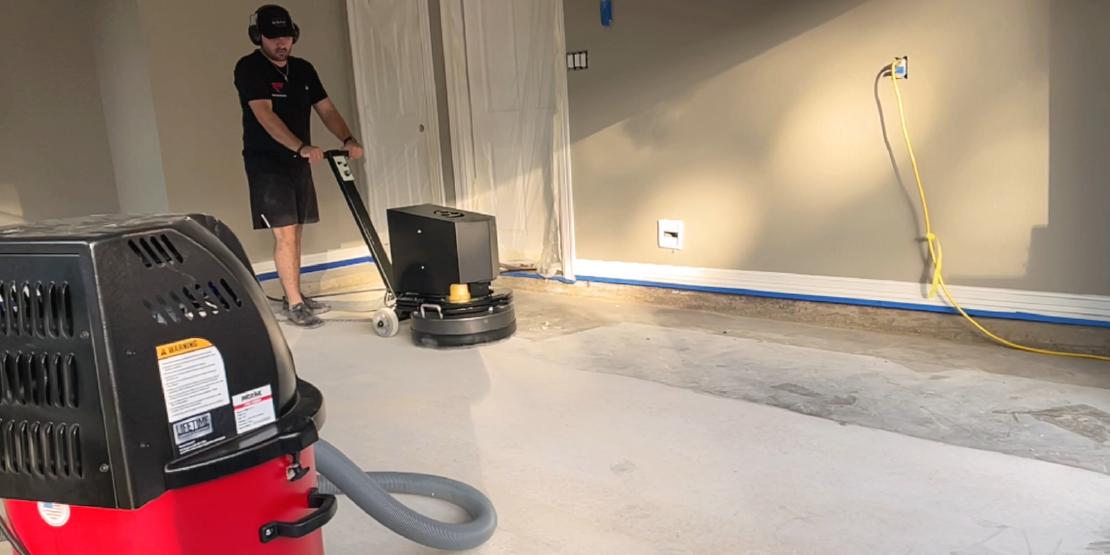
Correct application of high-temperature resistant coatings is key to optimal performance and durability. These specially formulated coverings consistently shield surfaces from damaging thermal stress. To ensure maximum efficacy, it’s crucial to prepare the surface properly by removing all dirt, oil, and any existing loose paint. An abrasive method such as sandblasting can be used to provide the best surface profile for adhesion.
Upon surface preparation, applying the coating at the manufacturer-recommended thickness is crucial. While it may be tempting to apply a thicker coat for added protection, this often leads to poor bonding and sags in the coating. Instead, multiple thin layers should be applied allowing each one to dry before adding the next. This approach ensures a secure bond to the surface and provides the necessary temperature resistance required from these advanced coatings.
The Proper Way to Apply Cold Weather Coatings
Cold weather coatings are often tasked with protecting surfaces from the harsh effects of extremely low temperatures. However, their effectiveness can be significantly reduced if not applied correctly. Likewise, the lifespan of the coating may be greatly reduced without the appropriate application methodology. Prior to application, ensure the surface to be coated is clean, free of rust, dust, grease or any other unwanted particles. Surface preparation is indeed an important step in achieving the desired result.
To apply cold weather coatings, the temperature of the application environment should fall within manufacturer’s recommended range. The coating should be applied in even strokes with a brush, roller, or sprayer to achieve a smooth, uniform layer, taking care not to leave any surface area exposed. The coating’s thickness should be in accordance with the manufacturer’s recommendations to ensure maximum protection. Following these steps meticulously will guarantee that the coating functions optimally in cold weather conditions.
Maintenance and Care of Temperature Resistant Coatings
Effective maintenance of temperature resistant coatings considerably extends their functionality and durability. This involves regular inspections to check for any damage or wear. This can be particularly important for high-temperature resistant coatings that are exposed to harsh environments. Ensuring that the coating stays intact is crucial for the underlying substrate’s safety and performance. Overheating, thermal cycles, and other severe conditions can accelerate degradation. Therefore, monitoring for early signs of failure can aid in timely repairs and prevent severe damage.
Next, proper cleaning plays a pivotal role in maintaining these specialized coatings. It is advised to use cleaning solutions that are compatible with the coating material and do not compromise its integrity. Harsh chemicals or abrasive techniques can deteriorate the coating’s efficacy, despite its temperature-resistant capacities. It is also essential to carry out periodic repainting or touch-ups to maintain a consistent protective barrier. This significantly enhances the coating’s lifespan and preserves its heat-resistant properties. Thus, regular maintenance is essential for ensuring the long-term performance of temperature resistant coatings.
Common Challenges with Coatings in Extreme Temperatures
Despite the many benefits offered by temperature resistant coatings, a multitude of challenges persist in their application and long-term effectiveness under extreme conditions. Some of the common problems include heat-induced oxidation, thermal shock, and hot corrosion. These technical issues often crop up in environments that are known for their high-heat involvement. Examples can be found in automotive parts, such as exhaust systems, and industrial equipment like gas turbines. High-quality coatings side-step these difficulties through maintaining structural integrity and providing protective barriers, but must also be correctly applied to maximize their effectiveness.
On the other end of the temperature spectrum, coatings designed for cold environments face equally unique considerations. Fluctuations in temperature can cause coatings to contract, which in turn leads to cracking and degradation over time. Furthermore, cold weather application can also be challenging, as certain coatings require optimal temperature environments to properly cure and adhere to the surface. This can affect the coating’s overall durability, resulting in premature degradation and less than optimal performance. Understanding these challenges is critical to ensuring the right selection and application of temperature resistant coatings.
Advanced Technologies in Temperature Resistant Coatings
Revolutionary strides in technology have paved the way for significant advancements in temperature resistant coatings. These cutting-edge developments have tremendously improved the functionality and durability of coatings utilized in extreme temperature environments. Advanced polymers and ceramic compounds, touted for their superior heat-resistance, are now being incorporated into coating formulas. These innovative materials not only offer high-temperature resilience but also enhance the overall protective performance of the coatings.
One such novel technology is Nanotechnology, which has emerged as a game-changer in making superior quality temperature resistant coatings. Nano-coatings, infused with nanoparticles, provide excellent heat resistance while maintaining a thin and lightweight finish. These coatings can endure high thermal fluctuations without cracking, peeling or losing their adhesive properties. Furthermore, nanotechnology enables the fabrication of cold weather coatings which effortlessly protect surfaces under freezing conditions, bolstering their corrosion and UV resistance.
Case Studies and Success Stories of Temperature Resistant Coatings
Across industries, several success stories emerge, where high-temperature resistant coatings have proven to be invaluable. An example that readily comes to mind is the offshore oil and gas sector. Given the nature of work, equipment here is constantly exposed to corrosive salt water and harsh weather, often leading to extreme high temperature situations. The application of high-temperature resistant coatings in this industry significantly extended the longevity and performance of such equipment, thereby reducing costs and downtime substantially.
Low-temperature coatings too have had their share of triumphs. These are often prominent in cold climate regions, notorious for harsh winters. A notable case involves the railroad industry in such areas. Winters tend to be tough on rails and related equipment, causing considerable wear and tear. Introducing cold weather coatings helped resolve this issue by offering a protective layer against the cold, thereby enhancing durability. Consequently, the industry reported reduced maintenance time, fewer replacements, and significantly lower operating costs.
What are high-temperature resistant coatings?
High-temperature resistant coatings are specialized protective substances applied to surfaces to withstand extreme heat conditions. They are commonly used in industries that work with high heat environments like power plants, aviation, and automotive industries.
Why are temperature resistant coatings important?
Temperature resistant coatings play a critical role in protecting surfaces from extreme heat or cold conditions. They increase the lifespan of the material, enhance the performance, and prevent corrosion, damages, and wear and tear.
Can you explain some types of high heat coatings?
High heat coatings include epoxy resin coatings, silicone resin coatings, and polyurethane resin coatings. Each of these types has unique properties that make them suitable for specific high-temperature applications.
What is the function of thermal barrier coatings in extreme heat conditions?
Thermal barrier coatings contribute to insulating components exposed to high temperatures. They protect the material underneath from the damaging effects of extreme heat and flame.
How do cold weather coatings protect surfaces in low temperatures?
Cold weather coatings are specifically designed to protect surfaces from the adverse effects of freezing temperatures, frost, ice formation, and other cold weather conditions. They maintain the integrity and function of the coated surfaces.
How can I choose the right temperature resistant coating?
Choosing the right temperature resistant coating depends on several factors such as the type of material being coated, the environmental conditions in which the coated material will function, and the expected temperature ranges.
Are there specific application tips for high-temperature resistant coatings?
Proper surface preparation, applying the right quantity of the coating, and allowing appropriate drying time are some of the application tips for high-temperature resistant coatings.
How can I apply cold weather coatings properly?
Cold weather coatings should be applied in well-ventilated areas, using the right methods as per the manufacturer’s instructions, and allowing enough time for the coating to cure.
What are some challenges with coatings in extreme temperatures?
Coatings in extreme temperatures can face issues like cracking, delamination, and loss of protective properties due to temperature fluctuations. Selecting the right type of coating and proper application can help overcome these challenges.
What are the advancements in temperature resistant coatings technology?
Advancements in temperature resistant coatings technology include the development of nano-coatings, smart coatings, and eco-friendly coatings that offer improved resistance with less impact on the environment.
Can you share some success stories of temperature resistant coatings?
Specific case studies and success stories of temperature resistant coatings depend on the industry and application. However, many industries have reported increased efficiency, improved lifespan of materials, and reduced maintenance costs due to the application of such coatings.