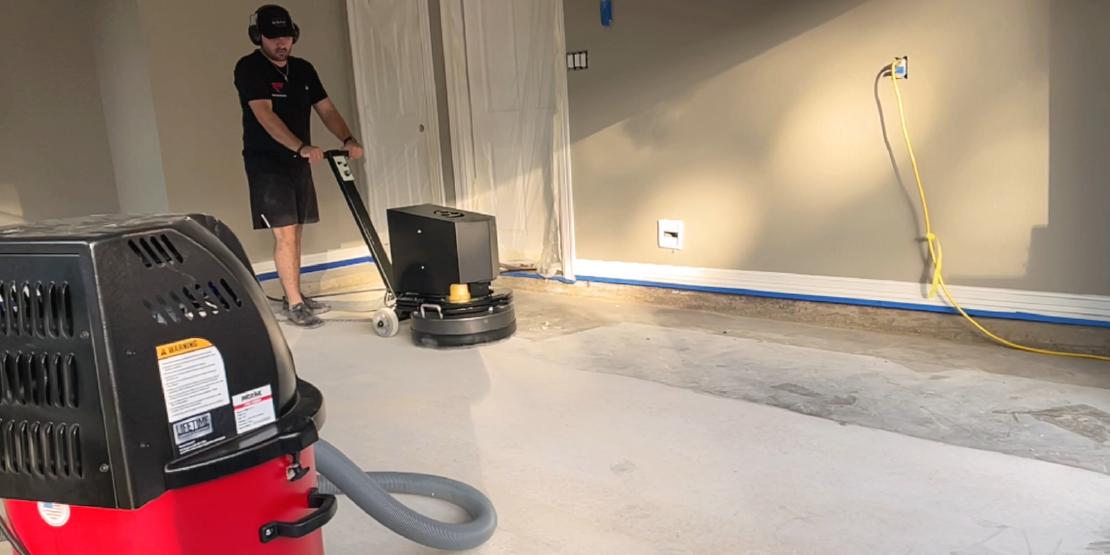

Floor Coatings for Healthcare Facilities: Standards and Choices
Understanding the Importance of Proper Surface Treatments in Medical Buildings
Surface treatments in medical buildings are instrumental in creating a safe, clean, and aesthetically pleasing environment for both healthcare professionals and patients. These treatments help maintain hygienic conditions, reducing the risk of infection, essential in areas where patient care is given. Treatments also serve as a protective layer, shielding the underlying material from damage, be it chemical, microbial, or physical.
Selection and implementation of appropriate surface treatments play a significant role in the longevity of medical buildings. They not only enhance the visual appeal but also contribute to the overall functionality by making surfaces more responsive to cleaning and disinfection methods. High-quality surface treatments can withstand consistent use, resist scratches or damage, and maintain an appealing look for an extended period. Hence the surface treatments are crucial in the long-term sustainability of medical buildings.
Key Standards Governing the Use of Surface Treatments in Medical Environments
Comprehensive guidelines and regulations oversee the application and use of surface treatments in medical environments, underscoring their critical role in healthcare safety. A comprehensive knowledge of standards, such as those developed by the Environmental Protection Agency (EPA), the Food and Drug Administration (FDA), and the Centers for Disease Control and Prevention (CDC), is vital. Equally important are international standards like those from the ISO (International Organization for Standardization) and the HSE (Health and Safety Executive), effectively addressing everything from bio-resistance to chemical durability.
Surface treatments must meet certain key standards to be deemed suitable for use in medical environments. Of primary concern are factors such as their ability to resist bacteria and other pathogens, tolerance to frequent cleaning with strong disinfectants, and durability in high-traffic areas. For instance, the EPA requires all surface treatments to undergo rigorous testing for bactericidal efficacy, while the FDA stipulates that any surface treatment used within medical facilities should not contribute to antimicrobial resistance.
The Role of Regulatory Bodies in Setting Surface Treatment Standards
Regulatory bodies play an integral role in setting surface treatment standards, particularly in the healthcare sector. These entities oversee the design and application of surface treatments, ensuring that both construction and healthcare industry standards are met. It’s important to note that each country has its dedicated bodies who draft these standards - agencies such as the U.S. Food and Drug Administration (FDA), the European Public Health Alliance (EPHA), and the UK’s National Institute for Health and Care Excellence (NICE). These bodies regularly collaborate with other local and international agencies to maintain the most up-to-date and scientifically sound standards.
With direct influence over surface treatment guidelines, regulatory bodies ensure the health and safety of both patients and healthcare workers. They evaluate a myriad of factors such as the anti-microbial properties of the surfaces, their resistance to regular disinfectant use, and even aesthetic considerations. Their guidelines also address maintenance protocols for these treated surfaces, which is crucial in environments such as operating rooms and patient wards. By doing so, these regulatory bodies play a crucial role in mitigating infection risks in healthcare settings and ensuring optimal patient treatment outcomes.
Examining the Different Types of Surface Treatments Suitable for Medical Buildings
Surface treatments in medical buildings are integral for maintaining cleanliness and reducing the spread of infections. They are primarily of four types; antimicrobial, electrostatic, environmentally friendly and durable surface treatments. Antimicrobial surface treatments are treated with substances that inhibit the growth and survival of microbes, creating a surface that is inherently hostile to pathogens. This type is commonly used in critical areas such as operating theatres and wards.
The second type is the electrostatic surface treatments. Their prime function is to prevent the accumulation of static electricity which can cause equipment malfunction or even pose a fire risk in certain environments. Environmentally friendly surface treatments, the third kind of treatment, use low VOC materials and are sustainable. They aim at reducing environmental pollution while delivering high-performance surface protection. The last type, durable surface treatments, are designed to withstand heavy foot traffic while maintaining a pleasant aesthetic appeal. They are easy to clean and maintain, reducing operational costs in the long run.
Pros and Cons of Various Surface Treatment Options for Medical Facilities
Surface treatments, such as epoxy coatings, polyurethane topcoats, antimicrobial paints, and PVC wall coverings, offer numerous benefits for medical facilities. These versatile and long-lasting solutions provide outstanding durability, making them capable of withstanding the rigorous cleaning and maintenance protocols inherent in healthcare settings. They also feature antimicrobial properties to inhibit bacterial growth effectively, thereby promoting a hygienic environment for patient care and treatment. The possibility to customize these surfaces with designs and colors further enhances the facility’s aesthetics, contributing to a more welcoming and comfortable healing atmosphere.
Despite these considerable advantages, selecting suitable surface treatments for medical establishments may present certain challenges. For instance, the initial cost of high-quality treatment options can be substantial, potentially straining limited facility budgets. These surfaces, though durable, are susceptible to cracks and damage over time due to heavy usage, necessitating regular check-ups and occasional refurbishment. Certain treatments may also emit volatile organic compounds (VOCs) during application and drying periods, posing temporary health risks to patients and staff. Lastly, while many treatments feature resistance to common microbes, they may not be effective against all germ types, presenting potential gaps in infection prevention.
The Impact of Surface Treatments on Patient Safety and Comfort
In the realm of healthcare, patient safety and comfort are paramount. Therefore, a significant consideration in medical building maintenance is the choice of surface treatments, as they can play a crucial role in elevating or compromising these factors. Surface treatments in healthcare facilities come in a variety of forms, including antimicrobial coatings on walls, floors, and countertops, and their impact on patient experience cannot be overstated.
For instance, the use of antimicrobial coatings can greatly reduce the spread of infections. These treatments inhibit the growth of microbes such as bacteria, fungus, and viruses, providing an added layer of protection within the healthcare environment. Additionally, surface treatments can enhance comfort by reducing odors, maintaining humidity levels, and influencing the aesthetic appearance of the facility. All these factors contribute to creating a healthier, safer, and more pleasant space for patients, indirectly impacting their recovery process and overall satisfaction. Hence, the proper selection and application of surface treatments in healthcare settings are of utmost importance.
How Surface Treatments Contribute to Infection Prevention in Medical Facilities
Surface treatments play a vital role in healthcare facilities by serving as the first line of defense against the spread of bacteria and other infectious microorganisms. These treatments, applied to a range of surfaces including walls, floors, and medical equipment, are specifically designed to be easy to clean, resist the growth of pathogens, and stand up to rigorous sterilization processes. They are an essential part of creating a safe and sanitary environment, where the risk of cross-contamination is effectively minimized.
Several types of surface treatments used in medical facilities include antimicrobial coatings, sealed or non-porous materials, and finishes that resist stains and can hold up under the use of disinfectants. These mechanisms not only contribute to infection prevention but also enable easier maintenance. Antimicrobial coatings, for example, are known to kill or slow down the growth of bacteria, fungi, and certain viruses, making them crucial in maintaining the hygiene of healthcare facilities. Sealed and non-porous surfaces, on the other hand, prevent bacteria from lodging into tiny crevices - an often-overlooked element in the fight against infections.
Maintenance Considerations for Surface Treatments in Healthcare Settings
In many healthcare settings, surface treatments play a vital role in maintaining cleanliness and reducing infection rates. They are subject to constant use and therefore, demand regular maintenance focused on their longevity and efficacy. Maintenance strategies can vary widely depending on the type of treatment, its location, cleaning protocols and also, the specific hygiene standards of the setting. For instance, antimicrobial coatings may require specialized cleaning agents that do not inhibit their infection-preventing properties.
On the other hand, natural materials such as wood or stone, may require periodic sealing or other forms of protection to prevent degradation and harbor pathogens. The frequency of these maintenance activities can also be dictated by the traffic and use of the particular area in question. High-traffic areas such as reception desks or nurse’s stations may require more frequent maintenance, and thus, apart from considering the initial cost of surface treatments, facilities must factor in long-term maintenance costs in their budget planning.
Considerations When Selecting Surface Treatments for Different Areas of a Healthcare Facility
When it comes to selecting surface treatments for different areas in a healthcare facility, a variety of factors should be considered. First is the type of environment in question. The needs of operating rooms, for instance, where sterility is paramount, will differ vastly from those of waiting areas. It is essential to choose materials resistant to hospital-grade cleaners for high-risk areas. Durability should also be taken into account, as medical buildings experience heavy, frequency of traffic and usage.
The second critical aspect is the facility’s overall design theme and the role of each area in contributing to it. Certain surface treatments may be aesthetically pleasing but might not meet the functional requirement of a particular area like pediatric wings where bright, cheerful colors might be preferred over clinical starkness. Incorporating decorative elements should not compromise on maintaining a clean, nonporous surface that discourages bacterial growth. Therefore, choosing between aesthetics, practicality, longevity, and safeness is crucial in these considerations.
Case Studies: Successful Use of Surface Treatments in Healthcare Facilities
Healthcare facilities across the globe continuously seek means to upgrade their infrastructure and create an environment that not only ensures patient safety but equally enhances their comfort. One sector that has seen remarkable advancement recently is the implementation of adequate surface treatments in medical buildings. Let’s take a closer look at the successful application of surface treatments in a couple of healthcare settings, illustrating their significant impacts.
One notable instance is the Johns Hopkins Hospital, a global leader in healthcare. This facility implemented a specialized antimicrobial surface treatment that effectively curbs the spread of infective organisms, ensuring a cleaner, safer environment for patients and staff. The treatment has significantly reduced Hospital Acquired Infections (HAIs), prompting many medical establishments to follow suit. Similarly, the Mayo Clinic in Minnesota also benefitted from the introduction of resilient floor coatings. They not only improved aesthetics but also proved instrumental in faring better against heavy traffic, wear and tear, and spillages. Regular maintenance became easier and more efficient, transforming the hospital space into a more welcoming and hygienic environment.
Innovations in Surface Treatment Technology for Healthcare Spaces
Recent strides in healthcare surface treatment technology have significantly improved the quality of patient care. Innovative coatings, such as those infused with antimicrobial agents, now play a key role in preventing infection. These advancements do more than just protect surfaces; they also actively kill harmful bacteria that may come into contact with them. Applying these novel coatings to frequently-touched surfaces in hospitals - including bedrails, door handles, and buttons - can drastically reduce the risk of nosocomial infections.
Another groundbreaking innovation in surface treatment technology for medical environments is the development of self-cleaning surfaces. These surfaces employ the principle of photocatalysis, which utilizes light to activate a substance capable of breaking down organic materials. This results in a surface with the ability to continuously self-sanitize, reducing workloads for cleaning staff and further lowering the risk of infection. This cutting-edge technology is an exciting step forward, bringing us ever closer to the goal of creating optimal healthcare environments that prioritize both clinical efficacy and patient safety. • In addition to antimicrobial coatings and self-cleaning surfaces, there are several other key innovations in surface treatment technology that are making their mark on the healthcare industry:
◦ Hydrophilic Coatings: These water-attracting coatings reduce friction and promote smoothness, which can be particularly beneficial for medical devices such as catheters or endoscopes. By reducing the risk of tissue damage during insertion or removal, these coatings enhance patient comfort and safety.
◦ Anti-Fogging Treatments: Used primarily on surgical visors and scopes, these treatments prevent condensation from forming on the surface. This not only improves visibility for healthcare professionals but also reduces potential contamination risks associated with moisture accumulation.
◦ Nanotechnology-Based Coatings: These innovative treatments use tiny particles to create a protective barrier against bacteria and viruses. They offer long-lasting protection without requiring frequent reapplication - an important consideration in high-traffic areas such as waiting rooms or emergency departments.
◦ Smart Surfaces: Some of the most exciting advancements in this field involve “smart” surfaces that can respond to environmental changes or specific stimuli. For example, some smart surfaces have been designed to change color when contaminated, providing a visual alert for cleaning staff.
• While all of these developments represent significant progress towards safer and more efficient healthcare spaces, it’s crucial to remember that they should complement - not replace - traditional hygiene practices. Regular cleaning remains essential even with advanced surface treatments; however, by integrating these technologies into our facilities we can greatly enhance our ability to prevent infections before they start.
• Looking ahead, we expect further breakthroughs in this area as researchers continue exploring new materials and techniques. The future holds great promise for improving patient outcomes through innovation in surface treatment technology within healthcare settings.
The Future of Surface Treatments in Healthcare: Trends to Watch
The healthcare industry is in continuous evolution, with new technologies and methods of treatment emerging constantly. These developments also involve the surface treatments used in medical buildings. With advancements in technology, forward-thinking approaches are being adopted to improve durability, reduce pathogens and enhance comfort for patients and staff.
Antimicrobial technology is being greatly embraced, with surfaces treated to minimize the survival of harmful pathogens, playing a crucial role in infection control. Another trend gaining traction is the use of eco-friendly surface treatments, reflecting the global push towards sustainability. Additionally, digital printing is enabling the customization of healthcare environments, promoting more positive patient experiences. These transformative trends are set to reshape the future of surface treatments in healthcare.
Resources for Further Reading on Surface Treatments in Healthcare Facilities
For those interested in learning more about the use of surface treatments in healthcare facilities, there are numerous valuable resources available. “Essential Environment: Role of Cleaning in Controlling the Spread of Healthcare Associated Infections (HCAIs)” is a comprehensive study by the Healthcare Cleaning Services Forum. It shines light on the significance of proper surface treatments and cleanliness in curbing the HCAIs. The thorough guidelines provided by the forum are of great value to administrators and facility managers alike.
Another prominent resource is the article “Surface Treatment of Decorative Overlays for Healthcare Facilities” published in the Journal of Medical Interior Design. This piece explores the various types of surface treatments suitable for medical facilities, highlighting their advantages and drawbacks. Both these publications can provide useful insights to those seeking to enhance their understanding of the importance and role of surface treatments in healthcare environments.
What is the importance of proper surface treatments in medical buildings?
Surface treatments in medical buildings are crucial for maintaining hygiene and reducing the risk of health care associated infections. They also play a significant role in patient comfort and safety.
What are the key standards governing the use of surface treatments in medical environments?
Key standards governing the use of surface treatments in medical environments include those set by regulatory bodies like the Healthcare Infection Control Practices Advisory Committee (HICPAC), the Center for Disease Control (CDC), and the World Health Organization (WHO).
How do regulatory bodies influence surface treatment standards?
Regulatory bodies provide guidelines and standards for surface treatments to ensure that they are effective at reducing the risk of infection, are safe for patients, and are environmentally friendly.
What are some different types of surface treatments suitable for medical buildings?
Surface treatments for medical buildings can include antimicrobial coatings, waterproof coatings, non-slip treatments, and many others. The choice heavily depends on the specific needs and function of each area within the facility.
What are the pros and cons of various surface treatment options for medical facilities?
Pros may include increased hygiene, reduced infection risk, longer lifespan of surfaces, and improved safety. Cons could include the cost of installation and maintenance, potential disruption to services during installation, and possible adverse effects if not properly chosen or installed.
How do surface treatments impact patient safety and comfort?
Surface treatments can increase patient safety by reducing the risk of slips, falls and infections. They can also enhance comfort by providing a cleaner, more sterile environment.
Can surface treatments aid in infection prevention in medical facilities?
Yes, certain types of surface treatments can significantly reduce the spread of bacteria and viruses, contributing to infection prevention in healthcare settings.
What are the maintenance considerations for surface treatments in healthcare settings?
Maintenance considerations include regular cleaning and disinfection, checking for wear and tear, and potentially reapplying treatments as necessary.
Do surface treatments need to vary in different areas of a healthcare facility?
Yes, different areas of a healthcare facility may require different surface treatments based on their function, the level of traffic, and the specific health risks associated.
What are some innovations in surface treatment technology for healthcare spaces?
Innovations may include the development of more effective antimicrobial coatings, self-cleaning surfaces, and eco-friendly treatments.
What is the future of surface treatments in healthcare facilities?
The future of surface treatments in healthcare facilities may include the wider adoption of smart surfaces, increased use of sustainable materials, and further advancements in antimicrobial technologies.
Are there any resources for further reading on surface treatments in healthcare facilities?
Yes, there are numerous resources available for further reading on this topic. These can include research papers, articles, and guidelines published by reputable healthcare and scientific organizations.