
Floor Coatings for Kitchen and Bathrooms
Understanding the Importance of Surface Protection in Cooking and Sanitary Areas
The preservation of cooking and sanitary spaces is of paramount importance. Whether in a bustling restaurant or a modest home, the kitchen and bathroom are zones witnessing high traffic and frequent moisture exposure. The daily stress these areas encounter can easily lead to blemishes, unwelcome cracks, and even proliferating bacteria. Therefore, surface protection in these environments proves vital, extending the longevity of furniture and ensuring a healthy living environment.
Different types of materials offer diverse strategies of surface protection. Some popular options include epoxy resins, polyurethane and acrylic coatings, each with its unique benefits. For instance, epoxy ensures a resilient, waterproof surface ideal for high moisture environments, while polyurethane offers resistance to scratches and everyday wear. Meanwhile, acrylic coatings are renowned for their versatility and ease of maintenance. It’s clear that a carefully chosen surface coating is instrumental in protecting and enhancing kitchens and bathrooms.
Exploring Different Types of Protection for Kitchen and Bath Surfaces
Kitchen and bath surfaces are exposed to a variety of harsh factors such as water, steam, heat, and regular wear and tear, thereby necessitating the use of protective coatings. These surface protectants come in a range of options, such as epoxy resins, polyurethane, ceramic, and acrylic coatings, each with its unique properties and benefits. Epoxy resins, for instance, are remarkably resilient to moisture, chemicals, and heat, making them an excellent choice for kitchens and bathrooms.
On the other hand, Polyurethane coatings excel in providing a durable and abrasion-resistant surface that can endure the heavy-duty usage of culinary spaces. Acrylic coatings bear the advantage of being easy to apply, dry quickly, and offer a glossy finish, enhancing your kitchen’s aesthetic appeal. Ceramic coatings, known for their enhanced durability, play an essential role in making bathroom surfaces water and stain-resistant. Therefore, based on the specific needs and conditions of your kitchen and bathroom, these protective coatings offer specialized solutions that ensure the longevity and appeal of the surfaces.
Why Choose Epoxy Resins in High Moisture Areas
High moisture environments like bathrooms and kitchens require robust surface protection. Epoxy resins rise to this demand, providing unmatched durability and resistance to water, chemicals, and wear. The protective layer formed by epoxy resins is seamless and rigid, creating an impenetrable barrier against water and contaminants, thereby preventing rot, mold growth, and slip hazards, which are common problems in high moisture areas.
Epoxy resins are also visually versatile, allowing for a blend of functionality and aesthetics. The high-gloss finish of epoxy coatings delivers a luxurious and clean appearance, enhancing the visual appeal of the space. This high-performance coating can be applied to various surface materials, including concrete, wood, and tiles, giving homeowners and professional designers a diverse range of options to complement any interior design scheme.
The Benefits of Polyurethane Coatings in Culinary Spaces
Utilized extensively in various industries, polyurethane coatings have carved a niche in culinary spaces too. Their superior properties boast multiple benefits, making them an ideal surface protection choice in kitchen areas. Mainly, polyurethane’s resistance to high levels of humidity, heat exposure, and the tendency to resist moisture build-up are pivotal attributes. These ensure that surfaces stay safe from potential damages caused by heat and dampness, common threats in culinary environments.
The durability and resilience of polyurethane coatings are other noteworthy attributes. They can withstand heavy foot traffic, heavy loads, and intense cleaning processes, ensuring the longevity of kitchen surfaces. Additionally, polyurethane coating showcases a remarkable performance in retaining its visual appeal, minimizing wear and tear signs. Ultimately, this contributes to the aesthetic maintenance of culinary spaces, adding value to its overall interior design.
How Ceramic Coatings Enhance Durability in Bathrooms
Ceramic coatings are particularly favoured in bathrooms owing to their excellent durability and water resistance. Unlike conventional bathroom surfaces, which may suffer wear-and-tear over time, the ultra-tough finish of ceramic maintains its structural integrity for years. Resistant to scratches and capable of withstanding heavy impact, ceramic coatings reduce the likelihood of damage from dropped objects, adding a layer of safeguarding to vulnerable bathroom surfaces.
In addition to their impact and scratch resistance, ceramic coatings are impermeable, preventing moisture absorption that can lead to structural damage. Especially in bathrooms which are inherently high-moisture areas, this water-repelling quality is indispensable. Fungus, mold, and mildew, often problematic in such spaces, find it almost impossible to take hold on these coated surfaces. The ceramic’s smooth surface doesn’t allow water droplets to sit, ensuring faster drying times and significantly reducing the risk of microbial growth. The remarkable resilience and longevity they provide makes ceramic coatings an optimal choice for enhancing durability in bathrooms.
The Role of Acrylic Coatings in Kitchen Surfaces
Much to the delight of homeowners and interior designers, acrylic coatings have steadily gained a reputation for their practical and aesthetic appeal in cooking areas. Renowned for their durability and high gloss finish, these synthesized polymers provide an impressive shield against the onslaught of daily kitchen activities. Stain resistance is another notable attribute of this coating. It seamlessly defends the surfaces against unwarranted stains from food droplets and spills, making clean-up a breeze.
A key advantage of acrylic coatings is its immense versatility. It can be applied to a variety of surfaces including wood, stone, tile, and composite materials. The visual transformation it brings about is remarkable. Regardless of the surface texture, acrylic coatings never fail to produce a sleek, glossy finish that enhances the overall visual appeal of the kitchen. Additionally, it plays a credible role in minimizing surface abrasions and scratches, a predominant concern in high traffic areas like kitchens.
How to Choose the Right Coating for Your Kitchen or Bathroom
Selecting a suitable coating for kitchen or bathroom surfaces is an intricate task. A variety of factors come into play, including the material of the surface, the level of moisture exposure, the anticipated usage, and personal aesthetic preferences. Every type of coating offers its distinct advantages in terms of durability, ease of maintenance, and visual appeal. For instance, epoxy resins provide excellent moisture resistance and are ideal for high-traffic or wet areas.
When you examine the options, take into account the types of activities typically performed on the surface. For a kitchen countertop experiencing frequent chopping and slicing, a material like polyurethane offers high impact and scratch resistance. In bathrooms, ceramic coatings are preferable for surfaces exposed to extreme temperatures and constant water contact. The choice also hinges on your maintenance capacity. Acrylic coatings, for instance, are easier to clean and maintain compared to other varieties. You should also consider the life expectancy of the coating, the cost-effectiveness, and its environmental impact.
Here are some key factors to consider when choosing a coating for your kitchen or bathroom:
• ● Material of the Surface: This is one of the most crucial elements. Different materials require different types of coatings. For example, wood surfaces may need an oil-based coating while metal surfaces would benefit from an epoxy resin coating.
• ● Moisture Exposure Level: Kitchens and bathrooms experience varying levels of moisture exposure. Coatings like epoxy resins offer excellent resistance to moisture and are ideal for high-moisture areas.
• ● Anticipated Usage: Consider the activities that will be performed on the surface. High-impact activities such as chopping and slicing might necessitate a robust material like polyurethane, which offers high impact and scratch resistance.
• ● Aesthetic Preferences: The visual appeal is another important factor in selecting a suitable coating. Choose something that complements your overall decor style and color scheme.
• ● Maintenance Capacity: Some coatings are easier to clean than others. Acrylic coatings, for instance, can be easily maintained with regular cleaning products making them a popular choice among homeowners.
• ● Life Expectancy: The longevity of the coating should also be considered before making a decision. Durable options could save you money in long run despite their initial cost being higher.
• ● Cost-effectiveness: It’s essential not just to consider the upfront costs but also how much it will cost over time including maintenance expenses.
• ● Environmental Impact : Many modern coatings feature eco-friendly formulations designed with sustainability in mind.
In conclusion, taking these factors into account will help ensure you select a suitable type of coating for your kitchen or bathroom surfaces that meets all your needs - functional, aesthetic and environmental alike!
The Application Process of Kitchen and Bathroom Surface Coatings
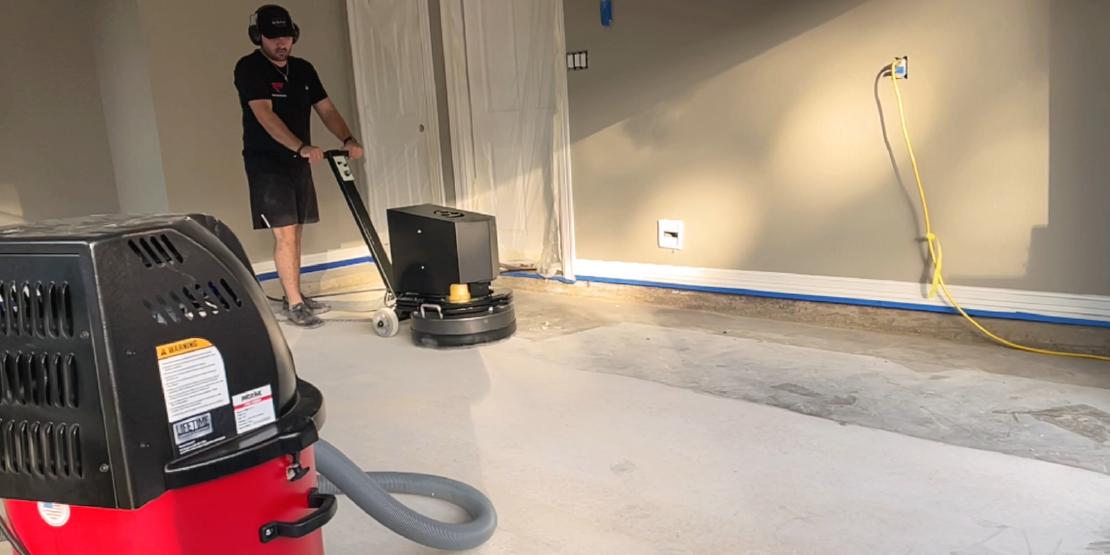
Applying surface coatings in kitchen and bathroom areas entails meticulous procedures to ensure durability and longevity. Firstly, the surface needs to be diligently prepped by cleaning and removing any dust, dirt, and grime that could impede adherence. This involves scrubbing down with soapy water, drying, then sanding for smoothness, followed by a final dusting or vacuuming. After preparing the surface, it is crucial to apply a primer which will create a good underlying bond for the chosen coating.
Once the primed surface is dry, the actual application of the desired coating commences. Depending on the type of coating—be it epoxy resins, polyurethane, ceramic, or acrylic—there may be variations in the method of application, which could range from rolling, brushing, to spraying. Consistency in application is imperative for an even finish and to avoid bubbling or cracking. It’s essential to allow adequate drying time between coats or layers, as rushing this process can lead to a compromised finish. Proper ventilation during application and curing is necessary for safety and the best result. Once the final coat is completely dry, the surface is ready for use.
Maintaining and Cleaning Coated Surfaces in Kitchens and Bathrooms
The maintenance and cleanliness of coated surfaces in high-use areas such as kitchens and bathrooms are essential in ensuring their longevity and continued beauty. Various surface coatings, including epoxy resins, polyurethane, ceramic, and acrylic, offer varying levels of resistance to grime, bacteria, and general wear and tear. Regular cleaning however, remains a significant factor in maintaining the aesthetic and functional integrity of these surfaces. The use of gentle, non-abrasive cleaning agents is advised to prevent damage to the coating whilst effectively eliminating contaminants.
Appropriate cleaning techniques vary depending on the specific type of coating employed. For instance, epoxy resin surfaces require a simple soap and water combination for cleaning, while polyurethane coatings might necessitate specially designed cleaning agents. Owners must familiarize themselves with the manufacturer’s care instructions to ensure the correct maintenance practices are followed. Additionally, occasional professional coating treatments may be beneficial in preserving the original luster and protecting the coating from future damage.
Dealing with Potential Issues and Challenges of Coated Surfaces
Surface coatings, while greatly enhancing the aesthetic and functional aspects of kitchens and bathrooms, do come with their own set of problems and challenges. One of the key issues often faced by homeowners post-application is the potential peeling or chipping of these coatings. This usually occurs when the surface wasn’t appropriately prepped before application or when the coating was applied under unsuitable environmental conditions. The use of low-quality products can also result in these issues, subsequently affecting the surface’s durability and overall appearance.
Constant exposure to moisture and high humidity, common in kitchens and bathrooms, presents another significant challenge for surface coatings. Over time, this could lead to the growth of mold and mildew, prompting health concerns and surface degradation. Additionally, surface coatings, particularly the dark-colored ones, can show water spots and stains more prominently, demanding regular cleaning and maintenance. In culinary spaces, these coatings may also be prone to scratches and scrapes from cooking utensils and appliances. Learning to efficiently manage these potential problems can significantly extend the lifespan of coated surfaces, maintaining their appearance and functionality.
The Lifespan of Different Surface Coatings in Kitchens and Bathrooms
Surface coatings play a pivotal role in maintaining the aesthetics and functionality of kitchen and bathroom surfaces. One central factor to consider when choosing surface coatings is their lifespan. Most commonly used surface coatings such as epoxy resins, polyurethane, ceramic, and acrylic have varying lifespans driven by their unique properties and the environmental conditions they are exposed to.
Epoxy resin coatings, known for their strong resistance to moisture and chemicals, tend to have a lifespan of 5 to 10 years in high moisture areas like kitchens and bathrooms. Polyurethane coatings have a slightly shorter lifespan, usually around 3 to 5 years, but offer excellent resistance to scratch and heat exposure, ideal for busy culinary spaces. Ceramic and acrylic coatings, while offering less resistance to chemical damage, have extended durability and can last up to 10 to 20 years with proper maintenance. Ultimately, the lifespan of these coatings relies heavily on routine care, the frequency and nature of use, and application quality.
The Environmental Impact of Using Surface Coatings
The selection of surface coatings can have substantial implications on the environment. This impact begins with the production phase, where certain coatings can generate a significant amount of greenhouse gases. Some coatings, like traditional oil-based paints and lacquers, use solvents that emit volatile organic compounds (VOC’s) when they dry. These VOC’s contribute to air pollution, negatively affecting the ozone layer and contributing to climate change.
However, the industry has been making strides towards more environmentally friendly solutions. Increased awareness and tighter regulations have led to the production of low-VOC or VOC-free paints and coatings. Epoxy resins, polyurethane, and acrylic coatings are just a few types that offer an environment-friendly alternative. They also often allow for longer lifespans and better performance than traditional options, leading to a decrease in resources used over time. This shift is not just critical for our immediate surroundings but also for the overall health of the planet.
Where to Purchase Quality Surface Coatings for Your Home
When it comes to purchasing high-quality surface coatings for your kitchen or bathroom, several options are available. Online marketplaces, such as Amazon and Home Depot, offer a wide selection of reliable brands. Local independent stores and nationwide chains like Lowe’s or Menards are also excellent places to find these products. Experienced staff can guide you through the purchasing process, helping select the appropriate product for your specific project.
Quality and compatibility are crucial aspects to consider. Some specialty stores, like Sherwin-Williams or Benjamin Moore, focus solely on coating products. Not only do they house an extensive range of products, but they also provide expert knowledge and advice on selecting the right surface coating. Other professional outlets are manufacturers’ websites, where you get first-hand information on the products. They often offer guides and helpful resources, assisting you to choose the most suitable surface coating for your kitchen or bathroom.
Why is surface protection important in cooking and sanitary areas?
Surface protection in cooking and sanitary areas is crucial for maintaining hygiene, durability, and aesthetics. It prevents damage from moisture, heat, and chemical agents, and also makes cleaning easier.
What types of surface protection are available for kitchen and bath surfaces?
There are several types of surface protections including epoxy resins, polyurethane coatings, ceramic coatings, and acrylic coatings.
Why should I consider epoxy resins for high moisture areas?
Epoxy resins are waterproof and extremely durable, making them an excellent choice for high moisture areas such as bathrooms and kitchens.
What are the benefits of using polyurethane coatings in culinary spaces?
Polyurethane coatings are resistant to abrasion, impact, and chemical exposure. This makes them great for culinary spaces where surfaces are subjected to heavy usage and cleaning.
How do ceramic coatings enhance durability in bathrooms?
Ceramic coatings provide a hard, durable surface that is resistant to moisture, stains, and mildew. This makes them ideal for use in bathrooms.
What role do acrylic coatings play in kitchen surfaces?
Acrylic coatings offer a high-gloss finish that enhances the look of kitchen surfaces. They also provide good resistance to stains, scratches, and heat.
How should I choose the right coating for my kitchen or bathroom?
The choice of coating depends on the specific needs of the area. You should consider factors such as moisture levels, usage, cleaning routines, and aesthetic preferences.
What is involved in the application process of kitchen and bathroom surface coatings?
The application process usually involves surface preparation, coating application, and curing time. The specifics may vary based on the type of coating used.
How should I maintain and clean coated surfaces?
Coated surfaces should be cleaned regularly with mild, non-abrasive cleaners. Any spills should be wiped up immediately to prevent staining or damage.
How long do surface coatings typically last in kitchens and bathrooms?
The lifespan of surface coatings varies depending on the type of coating, but most can last several years with proper care and maintenance.
What is the environmental impact of using surface coatings?
Some surface coatings can release volatile organic compounds (VOCs) into the air, which can have environmental and health impacts. However, many modern coatings are designed to be low-VOC or VOC-free.
Where can I purchase quality surface coatings for my home?
Quality surface coatings can be purchased from home improvement stores, specialty paint stores, or online retailers. It’s important to research and compare options before making a purchase.