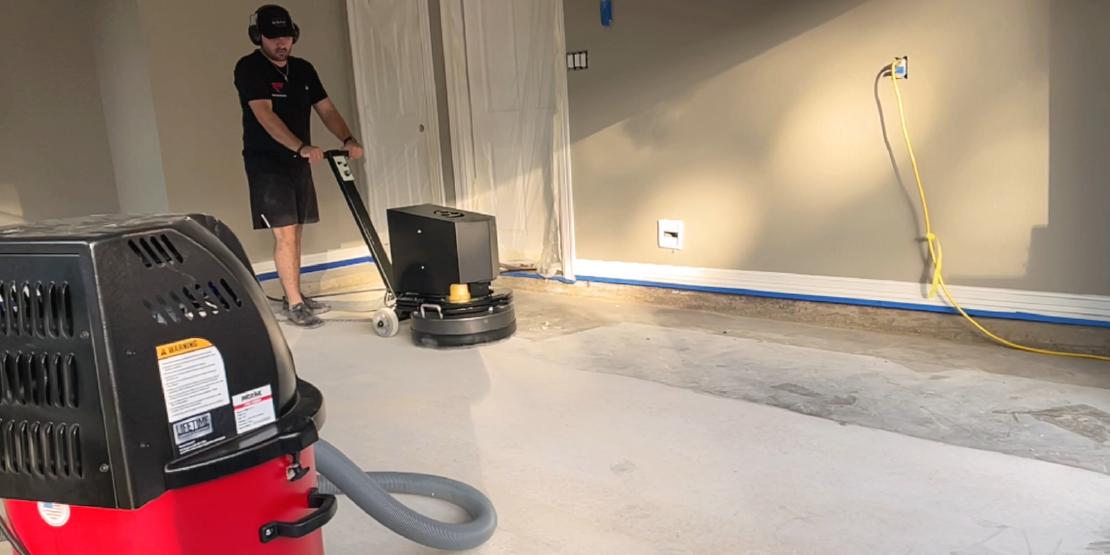

Floor Coatings for Outdoor Areas: Durability Meets Design
Understanding the Importance of Outdoor Area Finishes
Outdoor area finishes play a critical role in both aesthetics and practicality of exterior design. The choice of finish can dramatically alter the appearance of outdoor spaces, creating everything from rustic charm to sleek modernism. These finishes help highlight architectural details, complement landscaping, and set a specific mood or ambiance. They ensure coherence and visual interest in the outdoor area, making it more attractive and inviting.
Apart from the aesthetic appeal, outdoor finishes offer significant functional benefits. They serve as a protective layer that safeguards the exterior surfaces from external influences such as weather elements, UV radiation, or insect damage. One must not underestimate the potency of the elements; rain, wind, sunshine, and frost, which can significantly deteriorate exposed materials over time. Proper selection and application of outdoor finishes prolong the life of the materials, reducing maintenance costs and contributing to the sustainability of the building. Outdoor area finishes also enhance the usability of outdoor spaces, making them more comfortable and enjoyable for residents and visitors. They can provide slip resistance on walking surfaces, thermal comfort in seating areas, or acoustic benefits in entertainment zones. Furthermore, they add value to a property by improving its appearance and functionality.
• Outdoor area finishes are crucial for aesthetics: The finish chosen can drastically change the look of your outdoor space. From rustic charm to sleek modernism, these finishes help accentuate architectural details while complementing landscaping efforts.
• Setting mood or ambiance: Finishes play a significant role in setting the overall mood or ambiance of an outdoor area. The right selection ensures visual coherence that makes it more attractive and inviting.
• Protection from external influences: Outdoor finishes serve as a protective layer against weather elements like rain, wind, UV radiation and insect damage which could potentially deteriorate exposed materials over time.
• Prolonged life span: Proper application of outdoor finishes extends the lifespan of exterior materials by reducing maintenance costs thereby contributing towards sustainability.
• Enhanced usability: These finishes make outdoor spaces safer with slip-resistant surfaces; cozier with thermally comfortable seating areas; quieter with sound-absorbing qualities in entertainment zones.
• Adds value to property: By improving both appearance and functionality through different types of finishing options available on market today – you’re not just creating an aesthetically pleasing environment but also adding substantial value to your property.
Understanding the importance of choosing appropriate outdoor area finishes is key when looking at enhancing your home’s exterior design. It’s worth taking time researching various options before deciding what will work best for you - always considering factors such as climate conditions where you live alongside personal taste preferences too!
Exploring the Different Types of Outdoor Finishes
Outdoor finishes come in an astounding variety, each designed to cater different needs and expectations of aesthetics and durability. One of the most common types is the penetrating oil finish, which seeps into wood fibers to provide moisture protection and enhance the natural grain pattern. Other popular options include varnish and lacquer, known for their ability to create a hard, glossy surface that helps guard against the damaging effects of weathering and normal wear and tear.
Another set of options are the water-based finishes. These comprise of acrylics and latex types, which are praised for their quick drying time and resistance to yellowing. They also have less odor during application, making them popular for folks who prefer easy and less-hassle installations. There are also specialty finishes such as epoxy resins, primers, and sealers, which serve specific functions in surface preparation, adhesion, and protection. Before choosing an outdoor finish, it is crucial to understand the specific demands of your project, local weather conditions, and the physical attributes of the surface to be covered.
The Aesthetic Appeal of Outdoor Finishes
The visual charm of exterior surfaces significantly hinges on the application of quality outdoor finishes. These coatings, available in a vast assortment of colors, textures, and sheens, can transform a bland exterior into a visually enticing space. Outdoor finishes accentuate the inherent beauty of materials like wood, stone, or metal, enhancing their grain or texture, and adding depth and warmth to the overall ambiance.
On a broader scale, outdoor finishes contribute greatly to the cohesive and harmonious look of a property’s exterior. They have the power to evoke particular moods or styles ranging from rustic charm to sleek modernity. Depending on the desired look, homeowners can opt for finishes that either subtly blend into the surroundings or command attention, thus, becoming a central design element. Therefore, when thoughtfully chosen and applied, these finishes offer a high degree of aesthetic flexibility, allowing individuals to express their personal style in the outdoor environment.
How Outdoor Finishes Enhance Durability
Outdoor finishes play a significant role in prolonging the lifespan of various structures established in open-air settings. From wooden decks and garden furniture to fence panels and doors, outdoor items encounter significant wear and tear due to erratic climatic conditions, UV rays, moisture, and constant usage. Applying a high-quality finish protects these surfaces, thereby enhancing their overall durability. The protected outer layer acts as a protective shield, minimizing the impact of detrimental weather-related and environmental factors.
Consider the case of wooden outdoor structures. Without a durable outdoor finish, wood is susceptible to rot, warping, cracking, and fading due to sun exposure and moisture ingress. A well-applied outdoor finish seals the wood, providing a moisture-resistant layer that also deflects harmful UV rays. The finish operates as a barrier against pests, water, and UV damage, effectively preventing the wood from decaying prematurely. By doing this, the wooden structures maintain their aesthetic appeal while also being more rugged and longer-lasting.
In conclusion, outdoor finishes are an essential tool in extending the longevity of outdoor structures.
The Role of Outdoor Finishes in Protecting Surfaces
Outdoor finishes play a crucial role in effectively shielding different types of surfaces exposed to the harsh elements of the outdoors. The protection they offer ranges from resistance against weather damage, including ultraviolet radiation, precipitation, and temperature fluctuations, to defense from physical abrasion and impacts. They serve as a barrier to prevent the penetration of water or humidity, which can lead to rot and decay of wooden surfaces.
Additionally, the well-chosen applications of outdoor finishes add an extra layer of protection against biological threats. These can consist of fungi, molds, or pests that can damage the texture, integrity, and functionality of the surfaces left exposed. By sealing the surfaces, outdoor finishes essentially safeguard them from being prone to such detrimental effects, thus extending their lifespan and durability.
Choosing the Right Finish for Different Outdoor Surfaces
Selecting the appropriate finish to use on various outdoor surfaces can significantly impact their aesthetic appeal and overall durability. This crucial decision depends not only on the type of material – be it wood, concrete, metal, or stone – but also on the specific environmental conditions the surface is exposed to. For example, a deck exposed to constant sun would benefit from a UV-resistant finish, while a garden bench would need a sealant capable of withstanding rain and moisture.
It’s also important to consider how the finished surface will be used. Finishes for surfaces in high footfall areas, like patios or paths, should prioritize durability and slip-resistance. Spaces less frequently used may focus more on aesthetics, opting for finishes with pleasing colors and textures. Whatever the surface or condition, the key is to balance functionality with visual appeal, ensuring the outdoor space is both practical and inviting.
Maintenance Tips for Outdoor Finishes
Maintaining outdoor finishes is crucial for aesthetics and longevity. One essential tip is regular cleaning, with the frequency dependent on the type of finish and local weather conditions. For example, painted finishes might need a simple wipe-down with a soft cloth to remove dust and cobwebs occasionally. On the other hand, natural wood finishes may require occasional scrubbing with a mild soapy solution to remove stubborn grime. Remember that powdery residue on painted surfaces can often be a sign of oxidization requiring immediate attention.
Another tip is to ensure proper sealing, particularly for wooden surfaces. Regularly sealing these surfaces helps maintain the color and texture while boosting resistance against moisture and UV rays. Seasonal checks for flaking, peeling, or discoloration can help detect early signs of wear or damage and schedule timely refinishing. While protective finishes may reduce the frequency of maintenance, they are not a substitute for regular cleaning or attention. The right maintenance approach can significantly extend the lifespan of outdoor finishes, adding value to your property.
The Impact of Weather Conditions on Outdoor Finishes
In the realm of outdoor decorations and constructions, weather conditions carry a significance that should not be underestimated. From scorching heat waves to freezing snowstorms, each element of weather presents unique threats to the durability and longevity of outdoor finishes. High humidity can cause finishes to peel and crack, while excessive heat can fade the color of certain materials. These factors exemplify how crucial it is for homeowners and builders to consider climatic conditions when choosing and maintaining outdoor finishes.
Stone, resin, and ceramic finishes may stand up well to harsh winters but may be more susceptible to heat damage during the summer. On the other hand, wooden finishes, if not maintained and treated correctly, could warp and degrade quickly when exposed to heavy rainfall. Therefore, the type of finish chosen should be appropriate for the environment and adequately protected against likely weather conditions. Choosing a harsh-weather-resistant finish could not only extend the life of your outdoor area but could also save you money in the long run.
How to Apply Outdoor Finishes for Maximum Durability
An effective application of outdoor finishes greatly contributes to their durability and longevity. The very first step is proper surface preparation. This process generally involves cleaning the surface, sanding it, and ensuring it’s free from any dust, dirt, oils or grease. Once the surface is well-prepared, it’s important to choose the right type of finish. Whether it’s a paint, stain, or clear sealer, each finish has a particular application method for optimum results.
Application methods, often guided by the manufacturer’s instructions, range from brushing, rolling to spraying. Brush and roller applications are more suitable for smaller areas, while spraying can be a faster method for larger ones. It’s crucial to apply the finish in thin, even layers, regardless of application method. Multiple thin layers ensure a more durable finish compared to a single thick layer. The finish needs ample time to dry between applications, which varies by the type of finish and environmental conditions. It’s worth noting that while application may seem straightforward, the time and care taken during this process can significantly enhance the life and look of the outdoor surface’s finish.
Troubleshooting Common Problems with Outdoor Finishes
Outdoor finishes can greatly enhance and prolong the beauty of diverse surfaces, but they are not without their challenges. Many homeowners and decorators often encounter several issues with the application and maintenance of these finishes. From cracking and peeling to discoloration, these problems can compromise the aesthetic appeal and effectiveness of their hard work.
Understanding these common problems is the first step toward effectively troubleshooting them. One common issue is blistering, which occurs when the finish bubbles and separates from the surface. This is often a result of moisture penetrating the finish or applying the finish in overly hot conditions. Another prevalent problem is chalking, which causes the surface to develop a powdery coating. This problem often signals that the finish is breaking down due to intense sun or extreme weather conditions.
Future Trends in Outdoor Area Finishes
Looking ahead to the landscape of outdoor area finishes, a strong trend toward eco-friendly materials is gaining considerable momentum. Architects and homeowners alike are increasingly recognizing the importance of employing finishes that are not only resilient and aesthetically pleasing, but also sustainably sourced and less taxing on the environment. These eco-friendly finishes are designed to protect surfaces from wear and tear while minimizing the release of harmful VOCs into the atmosphere.
Simultaneously, there is a growing emphasis on advanced technology in the world of outdoor finishes. We are seeing finishing solutions that leverage nanotechnology to provide superior protection against harsh weather elements. These futuristic finishes boast remarkable self-cleaning capabilities, robust UV resistance, and extreme durability. Technological advancements are set to revolutionize the realm of outdoor area finishes, pushing the boundaries of what is currently possible.
Cost Analysis: Investing in Quality Outdoor Finishes
Investing in quality outdoor finishes is not a matter of only aesthetics, but it is also a prudent approach to financial planning for long-term property maintenance. Higher cost outdoor finishes, generally, are more durable, able to withstand harsher weather conditions, and less prone to fading over time. Investment in Quality Outdoor Finishes effectively translates into fewer repairs, less frequent replacements, and hence, more savings in the long run. The initial expenditure might be higher, but the return on investment justifies the cost in most cases.
A detailed and careful Cost Analysis reveals that skimping on the quality of outdoor finishes might appear economical in the short run, but often leads to higher expenses down the line. Considering the costs involved in redoing the finish due to premature wear and tear, the propensity of cheaper finishes to harbour mold and mildew requiring professional cleaning, or the frequency of reapplication needed, premium outdoor finishes prove to be cost-effective in due course. By protecting your assets with quality finishes, you ensure longevity and robustness against the elements, reducing replacement costs.
Case Studies: Successful Applications of Durable Outdoor Finishes
In a notable case study from Japan, the outdoor finishes used on the deck of a traditional tea house displayed impressive stamina in the face of harsh weather. Utilizing a high-quality, oil-based finish, the application provided not only a beautiful, glossy sheen, but also a resilient protective layer that resisted weathering, fungal decay, and sun damage. Powerfully, it maintained the integrity and aesthetics of the wooden surface, even in an unforgiving environment.
Switching continents, a resort in the tropical Maldives reinforced the importance of selecting the proper finish for different conditions and surfaces. Here, a water-based clear finish was applied to the outdoor decks, taking into account the extreme humidity and sea spray. The finish succeeded in offering a robust defense against moisture damage, mildew growth and the corrosive effects of salt water. Fascinatingly, it remained visually appealing, thereby enhancing the ambience of the resort, while ensuring the longevity of the deck construction.
Why are outdoor area finishes important?
Outdoor area finishes are vital as they enhance the aesthetic appeal and longevity of outdoor surfaces. They protect the surfaces from harsh weather conditions, UV rays, and physical damage, maintaining their quality and appearance.
What are the different types of outdoor finishes available?
There are several types of outdoor finishes including varnishes, stains, sealers, and paint. Each type has its specific purpose and suitability depending on the surface and the desired appearance.
How do outdoor finishes enhance the durability of surfaces?
Outdoor finishes provide a protective layer that helps to safeguard the surfaces from environmental factors such as UV light, rain, snow, and temperature fluctuations. This protective barrier prevents wear and tear, enhancing the durability of the surface.
What should be considered when choosing the right finish for different outdoor surfaces?
Factors to consider when choosing the right finish include the type of surface, the environment, desired appearance, level of protection needed, and maintenance requirements.
What are some maintenance tips for outdoor finishes?
Regular cleaning, timely reapplication, and immediate repair of any damage are some of the maintenance tips to ensure the longevity of outdoor finishes.
How do weather conditions impact outdoor finishes?
Weather conditions like sun exposure, rain, snow, and temperature changes can degrade outdoor finishes over time. Certain finishes are more resistant to specific conditions, so it’s crucial to choose a finish that suits your local climate.
What is the process of applying outdoor finishes for maximum durability?
The process involves surface preparation, application of primer if needed, and then application of the finish. It’s crucial to follow the manufacturer’s instructions for best results.
Can you provide some troubleshooting tips for common problems with outdoor finishes?
Common problems can include peeling, cracking, or discoloration. These can often be resolved by cleaning the surface, sanding if necessary, and reapplying the finish.
What are the future trends in outdoor area finishes?
Future trends include eco-friendly finishes, improved durability, and finishes that require less maintenance.
What are the cost considerations when investing in quality outdoor finishes?
While high-quality finishes may be more expensive upfront, they often provide better protection and longevity, potentially saving money in the long term by reducing the need for replacements or repairs.
Can you provide some examples of successful applications of durable outdoor finishes?
Unfortunately, without the specific case studies mentioned in the article, it’s impossible to provide detailed examples. However, successful applications can range from well-maintained decks and fences to beautifully finished outdoor furniture and structures.