
Floor Coatings for Outdoor Spaces: Selection Guide
Understanding the Need for Outdoor Space Coatings
Outdoor spaces, be it in residential or commercial areas, are often subjected to harsh weather conditions and foot traffic. The integrity of these spaces, along with their visual appeal, can be significantly hampered without a protective layer. That’s where the necessity of outdoor space coatings comes into play. Coatings provide an effective barrier against moisture, stains, dirt, and ultraviolet (UV) rays, increasing the longevity of the outdoor surfaces and making them more resistant to general wear-and-tear.
An outdoor coating not only shields the outdoor surface but also enhances its aesthetics. Think about decks, patios, or driveways – having a smooth, glossy, and high-quality coating can elevate their overall appearance. Moreover, certain coatings can offer anti-slip properties, promoting safety in wet conditions. Thus, an outdoor space coating is a critical component in maintaining the durability, appearance, and safety of your outdoor spaces.
Defining the Purpose of Your Outdoor Space
The pre-design phase of creating or revamping your outdoor space primarily involves defining its purpose. This stage is crucial because it governs the choice of materials, layout, aesthetics and the type of coating needed for durability and longevity. It also ties in with individual preferences, lifestyle needs, and activities planned for the space. For instance, reasons for building outdoor spaces may range from providing a playground for children, creating a tranquil area for relaxation or meditation, establishing a zone for entertainment and parties, or setting aside a space for gardening.
Understanding the functionality of your intended outdoor space is also critical as it influences the commercial products to be used in its development. For instance, high traffic areas such as playgrounds or entertainment zones require durable, non-slip coatings. On the other hand, a peaceful retreat might need a visually appealing and comfortable coating type. Eco-friendly coatings could be preferred for gardening space to minimize the impact on plants and the environment. Thus, clear definition of purpose plays a pivotal role in selecting the right outdoor coating, shaping not only its visual appeal but also its longevity, safety, and environmental impact.
Importance of Weather Resistance in Coatings
A considerable factor when selecting a coating for outdoor spaces is its resistance to various weather conditions. Every geographical location experiences a unique set of climatic conditions including rain, snow, intense sunlight, and varying temperatures, all of which directly influence the lifespan of the coating. Weather-resistant coatings are specifically formulated to withstand these challenging conditions, efficiently protecting the underlying material. Naturally, these coatings are durable, thereby aiding in preserving the aesthetic and structural integrity of the outdoor space.
Reflective of the name, weather-resistant coatings bear properties that repel water, resist UV radiation, and withstand extreme temperatures. As a result, the coated material remains protected even under intense exposure to the elements. In addition to durability, these coatings also limit the need for regular maintenance, saving both time and money in the long run. The selection of a highly weather-resistant coating is thus a crucial step towards ensuring an outdoor space’s longevity, functionality, and aesthetic appeal.
Consideration of Aesthetics in Outdoor Coatings
Aesthetics play a significant role in the selection of outdoor coatings. The visual appeal has an impact not only on the overall appearance but also on the perceived value of a place. When it comes to outdoor spaces such as parks, playgrounds, and sporting areas, the color and texture of the coatings used can enhance the location’s attraction. Striking colors can spark creativity in children’s play areas, while natural, earthy tones can provide a calming environment in parks and recreational areas.
Choosing the right aesthetic includes evaluating the surroundings, the purpose of the space, and even the architectural style of nearby structures. For instance, in urban settings, sleek, glossy finishes can create a modern, high-tech appearance. In contrast, in rural or nature-inspired settings, matte finishes with neutral colors can tastefully blend with the environment. Importantly, the appeal of outdoor coatings should last throughout their life span, withstanding the changing weather conditions while maintaining their original look.
Types of Materials Used in Outdoor Coatings
The vast assortment of materials for outdoor coatings showcases the technological advancements in the industry. Among the commonly used materials are acrylics, which are prized for their excellent color retention and resistance to ultraviolet radiation. Acrylic coatings require fewer applications, making them cost-efficient and time-saving.
High-performance epoxies are another popular choice. These are renowned for their robust durability and strong adhesion to various surfaces. Epoxies are particularly advantageous in areas prone to high moisture levels or places exposed to harsh chemicals. Polyurethane, on the other hand, lends a high-gloss finish and outstanding abrasion resistance. It’s a perfect choice for areas expecting heavy traffic. Silicone-based coatings, known for their superior weatherproofing capabilities, guarantee prolonged exposure to environmental elements.
Durable Coating Options for High Traffic Areas
High-traffic outdoor spaces require specialized coatings that uphold their integrity despite continual usage. Particular focus should be placed on materials that are resilient and can withstand frequent wear and tear. Popular choices for such regions include epoxy and polyurethane coatings. Not only do they offer strong surface adhesion but also provide resistance against chipping, stains, and abrasion, thereby extending the lifespan of the outdoor surface.
However, the decision should account for more than just durability. The coating must also efficiently handle varied weather conditions. Even in high traffic areas, exposure to sunlight, rain, and fluctuating temperatures can swiftly degrade the quality of an insufficiently weather-proofed coating. Hence, weather-resistant options, like acrylic, silicone, and elastomeric coatings, are widely adopted to prevent premature deterioration. The pairing of durability and weather resistance ensures the longevity of the outdoor surface.
Eco-friendly Coating Choices for Outdoor Spaces
In the sphere of outdoor spaces, there are numerous coating options that not only enhance your property but also take into account the impact on the environment. Eco-friendly coatings are an increasingly popular choice due to their reduced harm on the planet. These options are designed with materials that minimize harmful emissions, have low VOC levels, and demonstrate sustainable manufacturing processes. These coats are perfect for those who prioritize their environmental footprint without wanting to compromise on the aesthetics and durability of their outdoor space.
Furthermore, these eco-friendly coating options are not confined to just one look or style. They come in a broad array of colors, textures, and finishes that cater to diverse tastes and preferences. In fact, some eco-friendly coatings also offer beneficial features such as UV resistance, water repellence, and enhanced lifespan which contribute to their overall value-for-money proposition. This means property owners can create a desirable outdoor living area in an environmentally responsible manner and without burning a hole in their pockets.
Safety Features to Consider in Outdoor Coatings
While considering the different options for outdoor coatings, one can’t overlook the necessity of safety features. Outdoor spaces often see a fair share of physical activity, be it children playing, adults exercising, or hosting outdoor gatherings. It’s crucial for these areas to have skid-resistant coatings to prevent accidental falls and injuries. Especially in wet conditions, surfaces with inadequate safety features can become treacherous, leading to potential accidents. Thus, a wise selection of outdoor coatings also needs to factor in the traction provided by the coating material, even when the surface is wet.
Moreover, safety considerations must also extend to the use of safe and non-toxic materials in outdoor coatings. Outdoor spaces are commonly used for a variety of activities, such as play areas for children or patios for relaxation and barbeques. Therefore, the coating materials used must be free from harmful chemicals that might have adverse health effects. With increasing cases of health issues linked to toxic substances, confirming the absence of lead, volatile organic compounds (VOCs), and other harmful substances in the outdoor coatings is critical. Finally, safety features should also include resistance to fire, particularly for outdoor spaces in areas prone to wildfires.
Maintenance and Longevity of Outdoor Coatings
Proper maintenance is not just a recommended task, it is a necessity in prolonging the lifespan of outdoor coatings. When well-kept, these can improve the appearance and extend the lifespan of outdoor spaces, adding value to your investment. To accomplish this, regular cleaning using mild soap and water is often sufficient for most types of coatings. However, some may require specific cleansers or procedures, thus, it’s vital to abide by the manufacturer’s instructions. In the event of scratches or minor damages, immediate repair helps prevent escalation.
Longevity, on the other hand, is determined by the quality of the coating, its level of protection against weather elements, and the quality of its application. High-quality outdoor coatings are designed to withstand extreme weather changes, guaranteeing long-lasting performance and resistance to peeling, flaking, or fading. For high-traffic areas or spaces exposed to severe conditions, using extremely durable and hard-wearing coatings ensures maximized longevity. Therefore, careful selection of material is elemental in ensuring the lifespan of your outdoor coating. Regardless of the environmental conditions, a robust coating can provide protection for years regardless of the exposure to wear and tear.
Cost Analysis of Different Outdoor Coating Options
When aiming to enhance the function and aesthetics of outdoor spaces, selecting the right coating is an essential decision. However, the cost of different types of coatings often plays a decisive role. Evaluating the economic implications of your choice requires thorough research and analysis, which involves assessing the initial investment, installation charges, and potential maintenance costs. It is important to acknowledge that a particularly costly coating material may provide superior durability or extraordinary weather resistance, which can be economic benefits in the long run.
Choosing a comparatively inexpensive coating option might appear attractive initially, but it may turn out to be costlier due to frequent repair or replacement needs. The material type, brand, and specific features such as UV protection or slip-resistance also contribute to the price variation. On the other hand, eco-friendly coating options, though pricier at first, can contribute to significant savings by reducing environmental impact and potentially qualifying for ‘green’ building certification credits. To arrive at an informed decision, it is advisable to delve into a detailed cost-benefit analysis of various outdoor coating options available in the market.
Installation Process of Outdoor Coatings
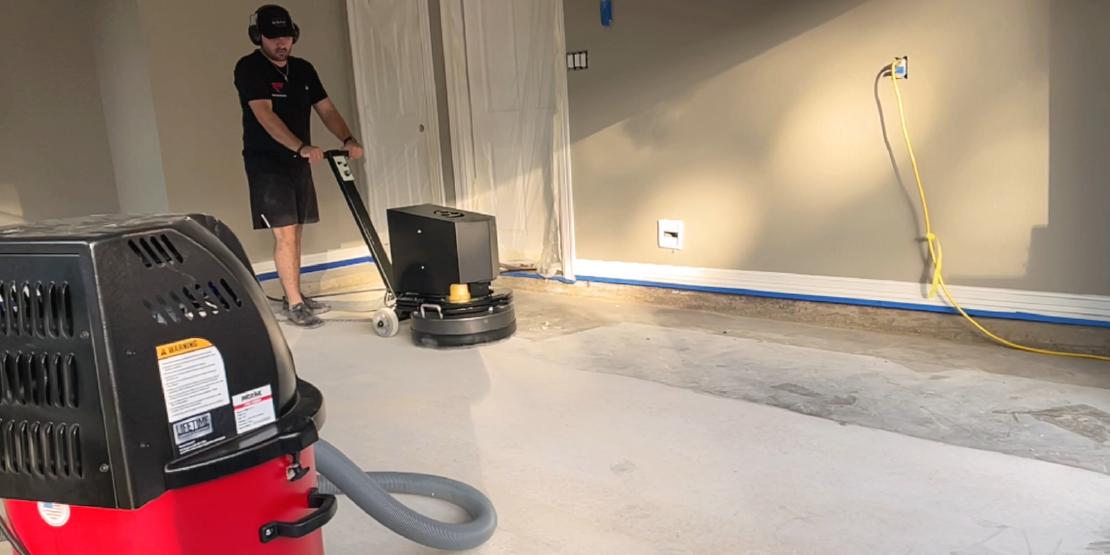
The installation process commences with the thorough cleaning of the outdoor space to be coated. It’s crucial to remove all dirt, debris, and existing coatings or sealants that might interfere with the adhesion of the new coating. Moreover, any cracks or crevices should be sealed to assure a smooth application surface. Depending on the specific coating material chosen, a primer may be required to enhance adhesion, minimize absorption, and improve the overall finish of the coating.
Once the area is prepped, the next step is the actual application of the coating. Techniques vary depending on the type of coating material used. Brush, roller, or spray methods can be used to apply the coating evenly across the surface. Some materials may require multiple coats to achieve the desired durability and aesthetic. It’s vital to strictly follow the manufacturer’s instructions during the application phase to ensure an effective, long-lasting finish. Once applied, the coating needs to be allowed sufficient drying time before the outdoor area can return to everyday use. After proper curing, the coated surface becomes a protective and decorative addition to the outdoor space.
Repair and Replacement of Outdoor Coatings
Despite the remarkable durability of outdoor coating products, they undoubtedly face the burden of wear and tear over time. This vulnerability primarily sprouts from severe weather conditions, high traffic, and in some cases, deficient quality of materials used. The signs of a depreciating coating may include fading colors, flaking, splitting, or the growth of fungus and algae. These often require either a comprehensive repair or a complete replacement, depending on the extent of damage and the lifespan of the coating.
The key to successful repair or replacement lies in recognizing the type of coating initially applied. Identifying the coating’s nature - whether acrylic, epoxy, sealant, paint, or any other type - is essential as it influences the approach to repair. For merely superficial damages, a touch-up might do the trick with an overall effect almost as good as new. Meanwhile, deep-seated and extensive damages may mandate a complete removal of the old coating, thorough cleaning, and re-application. Notably, the choice of the correct repair method contributes significantly to the longevity and performance of the outdoor coating.
Expert Tips on Choosing the Right Outdoor Coating
Choosing the appropriate outdoor coating requires careful consideration of a plethora of factors. The purpose of your outdoor space and the prevailing weather conditions in your region are of paramount importance. Consequently, consider selecting coatings that can withstand the specific challenges they might encounter, whether it’s high pedestrian traffic, extreme weather, or exposure to sunlight and UV rays. Further, it’s also crucial to consider safety features, especially for areas frequented by children or the elderly.
Additionally, the aesthetics of the coating should blend seamlessly with the overall design and theme of your outdoor space. As such, the color, texture, and finish are all important considerations. With current trends leaning towards environmentally friendly solutions, it’s also suggested to look for eco-friendly coating options. Furthermore, consider the installation process, maintenance, and longevity of the coating. Balancing these aspects with your budget will ensure you make the right decision. In conclusion, remember that repair and replacement of outdoor coatings can be an additional cost in the long term, so choosing durable, high-quality materials at the outset is key. Here are some expert tips to consider when choosing the right outdoor coating:
• Consider Your Outdoor Space’s Purpose: The function of your outdoor space plays a significant role in determining the type of coating you need. For instance, if it’s an area with high pedestrian traffic, consider a durable and slip-resistant coating.
• Assess Weather Conditions: Take into account the prevailing weather conditions in your region. If your location experiences extreme weather, opt for coatings that can withstand these conditions.
• Prioritize Safety Features: This is especially important for areas frequented by children or the elderly. Look for non-slip coatings or those with other safety features.
• Pay Attention to Aesthetics: Choose a color, texture, and finish that blend seamlessly with the overall design and theme of your outdoor space.
• Go Green: With current trends leaning towards environmentally friendly solutions, consider eco-friendly coating options that minimize harm to nature while providing desired functionality.
• Evaluate Installation Process & Maintenance Needs: Some coatings might require professional installation which could add to their cost. Similarly, maintenance requirements vary between different types of coatings; some may need regular re-coating or specific cleaning methods.
• Think Long-term & Balance Budget Constraints: While initial costs are important to keep in mind, also factor in potential repair and replacement costs down the line. Opting for durable materials from the outset might be more cost-effective over time despite higher upfront expenses.
In conclusion: Remember that making an informed decision about outdoor coatings involves considering multiple factors - purpose of use, local climate conditions, safety needs along with aesthetic preferences and budget constraints. It always pays off investing time researching various options before finalizing on one as it not only enhances durability but also ensures optimal value-for-money spent on this crucial aspect of creating attractive yet functional outdoor spaces.
Why is there a need for outdoor space coatings?
Outdoor space coatings are essential to protect surfaces from damage due to environmental factors like sunlight, rain, and snow. They enhance the life span of these surfaces and also add to their aesthetic appeal.
How does the purpose of my outdoor space influence the choice of coating?
The purpose of your outdoor space plays a key role in choosing the right coating. For instance, if your outdoor space is a high traffic area, you would need a durable coating. If the area is exposed to moisture, a weather-resistant coating would be ideal.
Why is weather resistance important in outdoor coatings?
Weather resistance in outdoor coatings is crucial as it protects surfaces from damage caused by extreme weather conditions. It prevents issues like fading, peeling, and cracking.
How can aesthetics be considered while choosing outdoor coatings?
Outdoor coatings come in a variety of textures and colors. Hence, while maintaining functionality and protection, they can be chosen to match the overall aesthetic theme of your outdoor space.
What are the different materials used in outdoor coatings?
Outdoor coatings are made from various materials like latex, oil-based paints, epoxy, polyurethane, and others, each with its distinct benefits and limitations.
Can you suggest some durable coating options for high traffic outdoor areas?
Epoxy and polyurethane coatings are often used in high traffic outdoor areas due to their exceptional durability and resistance to wear and tear.
Are there any eco-friendly coating choices for outdoor spaces?
Yes, there are several eco-friendly coatings available in the market. These coatings are typically water-based, contain low levels of volatile organic compounds (VOCs), and are biodegradable.
What safety features should I look for in outdoor coatings?
Safety features to consider in outdoor coatings include non-slip properties, resistance to fire, and low toxicity levels.
How can I maintain the longevity of my outdoor coatings?
Regular cleaning and maintenance, protecting the coating from extreme weather conditions when possible, and timely touch-ups can extend the life of outdoor coatings.
How does the cost of different outdoor coatings compare?
The cost of outdoor coatings varies based on factors like the type of coating, brand, durability, and special features like weather resistance or eco-friendliness.
How is the installation process of outdoor coatings?
The installation process of outdoor coatings typically involves surface preparation, application of primer (if required), followed by the application of the coating. The process might vary based on the type of coating.
What should I do if my outdoor coating needs repair or replacement?
If your outdoor coating needs repair or replacement, it is best to consult a professional. They can analyze the condition of the existing coating and recommend the best course of action.
Can you give some expert tips on choosing the right outdoor coating?
Some expert tips on choosing the right outdoor coating include understanding the specific needs of your outdoor space, researching different types of coatings, considering the local weather conditions, and balancing aesthetics, functionality, and cost.