
Floor Coatings with Enhanced Durability
Understanding the Need for Durable Surface Treatments
In both residential and commercial environments, surfaces undergo constant wear and tear. Exposure to varying degrees of friction, weights, abrasive substances, stains, and even weather conditions makes them susceptible to damage. Durable surface treatments thus play a vital role in extending the longevity of these surfaces and maintaining their aesthetic appeal. Market demand for such treatments has seen a substantial rise over the years.
Durable surface treatments not only offer extended durability but also provide various functional advantages. Key among them is the provision of a non-slip surface, which is crucial in preventing accidents in high-traffic areas or in environments susceptible to spills. Additionally, these treatments are also resistant to chemicals and staining, viable options to protect surfaces from harsh agents and accidental spills. Sealed surfaces are easier to clean and maintain, leading to decreased upkeep costs in the long run. The application of durable surface treatments thus offers a multifaceted approach to surface protection, blending functionality with aesthetics.
Exploring the Value of Long-Lasting Floor Finishes
Long-lasting floor finishes have proven to be a practical and cost-effective solution for both commercial and residential properties. They are engineered for durability, resisting wear and tear even in high-traffic areas. These finishes are primed to withstand the impact of daily use including scratches, stains, and water damage. Indeed, they serve as a protective layer, safeguarding the underlying flooring material and offering an extended lifespan. They also enhance the aesthetics of the floor with their high-quality sheen and surface texture.
The value of these durable coatings is evident in their performance as well as financial implications. Through reducing the need for regular replacements and repairs, they significantly cut down maintenance costs. They further offer an efficient solution to retaining property value, in particular, for commercial spaces where the appearance of flooring can influence customer impressions and business reputation. High-durability floor coatings also contribute to sustainability efforts by minimizing waste and frequency of resources used for floor renovations.
The Science Behind Durable Coating Compositions
Durable floor coatings owe their longevity to the unique combination and composition of various substances. Primarily, they consist of two key components - the base and the curing agent. The base or resin provides the coat its substantiate form and aesthetic properties, while the curing agent or hardener, activates the resin, causing it to solidify within a given time frame. Also, adding to the valuable characteristics, is the presence of aggregates, augmenting the texture and increasing its anti-slip property.
The innovation in science has given birth to an array of resilient materials for these coatings such as epoxies, urethane, polyaspartic and more. These materials display a spectrum of attributes like rapid curing times, impressive tensile strength, high chemical resistance, and others. For instance, epoxy offers advantages in terms of its bonding ability with concrete substrates, delivering a highly impenetrable seal. Polyaspartic, on the other hand, is widely known for its ultra-fast curing capability which significantly reduces downtime during the application process.
Key Materials Used in Durable Floor Coatings
Profiles of durability in floor coatings are defined by various key combinations of resilient materials. Among the popular choices are acrylics, epoxies, polyurethanes, and polyaspartics. Acrylics, known for their excellent color retention and UV resistance, offer the first line of defense against wear. Epoxies, characterized by boosted adhesive capabilities, accentuate floor resilience, especially in commercial and industrial spaces.
Further down the line, polyurethanes rise from the crowd because of their high resistance to abrasion and chemicals. They serve as excellent topcoats over epoxy and polyaspartic. Polyaspartics, albeit relatively new in the market, claim to be a viable option due to their rapid cure times and exceptional durability. These materials, individually or combined, continue to define the strong backbone of floor coatings, in turn, carving a path to long-lasting finishes.
Benefits of Opting for High-Durability Floor Coatings
Floor finishes with substantial durability confer several benefits that go beyond surface-level appeal. The foundational advantage is, undoubtedly, an extended lifespan. Resilient coatings withstand high traffic, rough usage, and abrasive cleaning methods, resisting wear and tear significantly longer than ordinary finishes. Durability, therefore, equates to long-term cost efficiency by reducing the frequency of expensive refits.
Along with cost-effectiveness, these high-durability floor coatings enhance safety. Enhanced traction reduces the risk of slips and falls, making such finishes particularly beneficial in commercial and industrial settings. Further fortifying the case for them is their resilience to chemical spills, heat, and moisture, thereby preventing floor damage and fostering a safer environment. To top it off, durable coatings help maintain aesthetics over long periods, preserving the original floor design while adding a high gloss finish that is pleasing to the eye.
Choosing the Right Coating Based on Floor Type
The process of selecting an appropriate coating for a floor begins with understanding the unique properties of the floor material. Concrete, for instance, demands a different coating than wood. Concrete, due to its porous nature, is best suited for epoxy or polyurethane coatings that can seep in and provide a solid seal. On the other hand, wood floors, popular for their aesthetic appeal, benefit from oil-based varnishes which not only protect but also enhance the natural grain of the wood.
It’s significant to match the floor type with its correct coating for longevity and preservation of aesthetics. In high-moisture areas like bathrooms or kitchens, a water-resistant coating such as ceramic or porcelain is a wise choice. Commercial spaces with heavy traffic might opt for acrylic coatings, recognized for their fast-drying capacity and high durability. Making an informed decision regarding the right coating can result in a floor that withstands the test of time while maintaining its original appeal.
Steps Involved in Applying a Durable Floor Coating
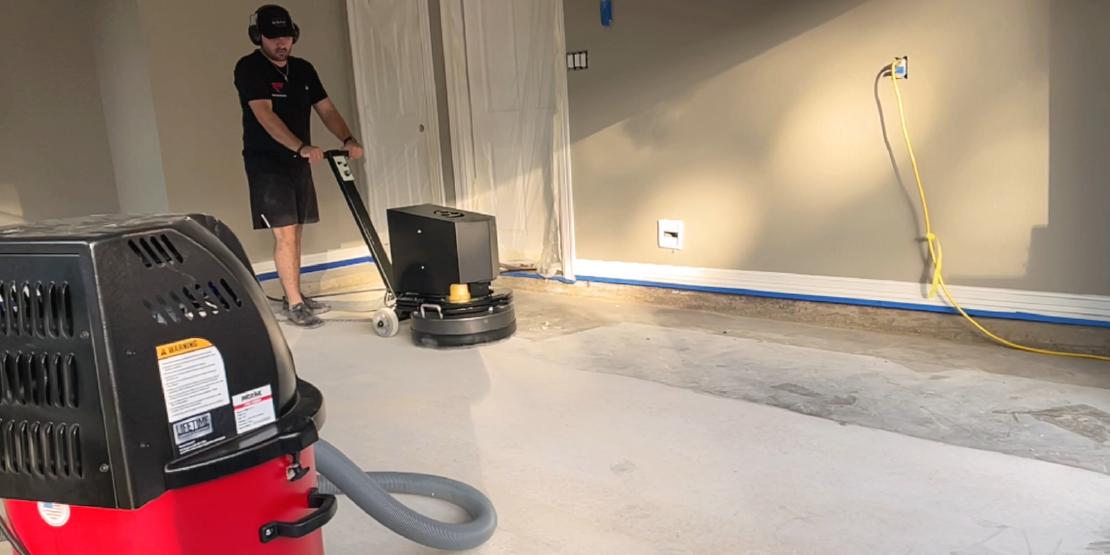
The application of a durable floor coating is an intricate process and must be managed with due diligence to achieve optimal results. Firstly, the floor surface needs to receive a thorough cleaning to eliminate all dust and debris. Subsequently, a mild acid solution is required to etch the surface, which promotes better adhesion of the coating.
In the second phase, a primer is applied to the floor, enhancing the bonding potential of the coating. The actual coating process follows this, usually involving the use of a roller or sprayer, depending on the specific coating product. After application, the coating needs sufficient time to cure completely. Usually, this curing period can range from a few hours to a few days based on the coating type and ambient conditions.
Maintaining and Caring for Your Durable Coated Floor
Regular maintenance is integral to prolong the life of a durable coated floor. The key to its longevity lies in how well it is taken care of. Regular dusting and sweeping are essential steps to prevent scratching or gradual wear of the floor’s surface. An ideal approach to maintain these floors is the use of a soft microfiber mop or cloth rather than using an abrasive or hard bristle floor brush. This technique assists in preserving the floor coating without damaging its surface or structure.
Cleaning spills promptly is another critical aspect of caring for the floor. Water or any liquid left standing can potentially damage even the most durable coating over time. It’s recommended to use a PH-neutral cleaner that’s specially formulated for coated floors on a routine basis to maintain the shine and finish. Additionally, avoid wearing high-heeled shoes or moving heavy furniture without protection as this could cause unnecessary strain and dents on the flooring. Regular maintenance significantly extends the lifespan and visual appeal of a durable coated floor.
Navigating the Potential Challenges of Floor Coating Application
Applying floor coatings can be a complex task. The procedure itself requires accuracy to ensure that the coating is evenly spread across the entire flooring surface. This objective mandates the need for meticulous pre-application preparation including getting rid of any debris, dust, and other foreign matter that might influence the final outcome. Aside from the condition of the floor, the room’s temperature and humidity play a significant role. These factors affect the drying time and the quality of the finish, making perfect balances hard to achieve.
More challenges lie ahead even after successful application. Walking on the freshly coated surface too soon can cause damages that might require reapplication, hence, understanding the drying time must be deemed essential. Another hurdle is the possible development of air bubbles under the surface if not adequately applied. Overlaps and other inconsistencies can also appear if the coating is not spread evenly. Therefore, mastering the art of floor coating application saves one from the mentioned pitfalls and offers an assurance of getting a reliable, undeterred, and aesthetically pleasing floor finish.
Real-Life Examples of Durable Coating in Action
A classic representation of durable floor coating in action can be found in industrial warehouses and manufacturing units. These environments not only require floors that can withstand heavy equipment, traffic, and spills, but also need a surface that is easy to clean, requires minimal maintenance, and has a long lifespan. Epoxy coatings, known for their robustness and durability, are often used in such environments. The high-gloss finish of epoxy not only ensures a neat and clean appearance but also enhances the light reflectivity of the space, thus facilitating better visibility in these work areas.
Another sector where the durable floor coating shines is in garages, both residential and commercial. Polyurethane-based coatings are popularly used in these spaces due to their extraordinary resilience against chemical spills, tire treads, and daily wear and tear. Case studies reveal that car dealerships, repair shops, and individual homeowners find immense value in this surface treatment that not only protects their floors from damage but also provides an aesthetically appealing space. These examples exhibit that investing in high-quality, resilient floor coatings is vital for spaces that demand longevity and resilience.
How Weather Conditions affect the Durability of Floor Coatings
The longevity of floor coatings is greatly impacted by the prevailing weather conditions during application and throughout its duration of use. Temperature and humidity are two key factors that can drastically affect the curing process of the coatings. When applied in conditions too cold, they can become brittle and prone to cracking. On the other hand, coatings applied in excessive heat can peel or bubble, reducing its adhesion to the floor. It’s essential that manufacturers’ instructions are followed closely regarding the suitable climate for application to ensure that the coating’s durability isn’t compromised.
Additionally, weather conditions after the application can also have significant effects on the durability of floor coatings. For instance, direct exposure to severe sunlight can cause discolouration and degradation of the finish over time. Regular spells of heavy rainfall can result in water seeping into tiny cracks or imperfections, causing the coating to lift and peel off. Hence, understanding these weather-related influences and planning the application timing, along with suitable protective measures can make all the difference in preserving the longevity and appearance of floor coatings. • Temperature and Humidity: These two factors greatly affect the curing process of floor coatings. If applied in extremely cold conditions, the coating can become brittle and prone to cracking. Conversely, if applied in excessive heat, it may peel or bubble due to reduced adhesion.
• Following Manufacturer’s Instructions: It is crucial that manufacturers’ guidelines regarding suitable climate for application are strictly adhered to. This will help ensure that the durability of the coating isn’t compromised by adverse weather conditions.
• Post-Application Weather Conditions: The weather after application also plays a significant role in determining the longevity of floor coatings. For instance:
• Sunlight Exposure: Direct exposure to harsh sunlight can cause discolouration and degradation over time.
• Rainfall Impact: Regular heavy rainfall could result in water seeping into tiny cracks or imperfections on the surface, causing lifting and peeling off of the coating.
• Timing of Application & Protective Measures: Proper planning around when to apply floor coatings based on expected weather patterns is key. Additionally, implementing protective measures such as using UV-resistant topcoats or installing drainages can significantly increase their lifespan.
In conclusion, while it might not be possible to control all elements related with weather conditions affecting floor coatings; understanding these influences coupled with strategic planning and implementation of protective measures can go a long way towards preserving their longevity and appearance.
Comparing Costs: Durable Coating vs Regular Floor Finishes
When evaluating the total expense of durable coatings versus traditional floor finishes, it becomes quite crucial to consider both the upfront investment and the potential savings in the long term. The initial cost for standard floor finishes may seem enticingly lower. Typically, these finishes tend to have a more economical upfront cost, driven by the inexpensive materials used, and a less involved application process. Labor costs, too, are relatively lower as these standard finishes often require a shorter application duration.
Yet, the true cost savings become noticeable when durability, longevity, and maintenance expenses come into play. High-durability floor coatings, despite their higher initial cost, offer significant long-term savings. Markedly robust, these coatings exhibit increased resistance to wear, damage, and weather-related deterioration, effectively extending their lifespan. This reduced vulnerability to damage curtails incessant repair and replacement expenditures, making high-durability coatings more cost-effective over time. Furthermore, their low maintenance requirements add to these monetary benefits, contributing to an overall cost-effective flooring solution.
Future Trends in the World of Durable Floor Coatings
As technology continues to evolve, the field of durable floor coatings is no exception. Innovation will soon introduce more resilient, multi-purpose designs that not only withstand various environmental conditions, but also contribute to the aesthetic appeal of spaces. Advanced molecular bonding techniques have become a noteworthy trend. These techniques deliver superior adhesion and longevity, resulting in an overall reduction in maintenance costs.
“Eco-friendly” is another keyword echoing through the industry streets. Manufacturers are increasingly committed to using sustainable materials and production methods. We’re seeing more water-based and VOC-free coatings that are safer for both the environment and the applicators. The nanotechnology wave is also impacting the industry, with nano-engineered coatings promising superior resistance against mechanical wear, thereby prolonging their lifespan exponentially.
Why is there a need for durable surface treatments?
Durable surface treatments are necessary to protect floors from damage caused by heavy traffic, chemicals, or environmental factors. They also enhance the lifespan and aesthetic appeal of the floors.
What are the key materials used in durable floor coatings?
The key materials used in durable floor coatings can vary, but typically include epoxy, polyurethane, acrylic, and other polymer-based materials.
What are the benefits of opting for high-durability floor coatings?
High-durability floor coatings offer numerous benefits including longer lifespan, resistance to wear and tear, protection against chemical spills or stains, and minimal maintenance requirements.
How can I choose the right coating for my floor type?
The choice of coating largely depends on the type of floor and its intended use. It’s best to consult with a floor coating specialist or manufacturer to determine the most suitable coating for your specific floor.
What are the steps involved in applying a durable floor coating?
The general steps involve surface preparation, primer application, coating application, and finally, sealant or finish application. However, the process can vary based on the specific coating type and floor material.
How can I properly maintain my durable coated floor?
Proper maintenance involves regular cleaning, avoiding harsh chemicals, timely repair of any damages, and periodic reapplication of the coating as per manufacturer’s instructions.
What challenges might I face when applying floor coating?
Some potential challenges include improper surface preparation, inappropriate choice of coating, unfavorable weather conditions, and lack of proper tools or skills for application.
Can weather conditions affect the durability of floor coatings?
Yes, extreme weather conditions like high humidity or freezing temperatures can impact the curing process of the coating, thereby affecting its durability and performance.
How do the costs of durable coatings compare to regular floor finishes?
While durable coatings may have a higher upfront cost compared to regular finishes, they are often more economical in the long run due to their durability and low maintenance requirements.
What are the future trends in the world of durable floor coatings?
Future trends include the development of more eco-friendly coatings, advancement in coating technology for improved durability, and increased use of coatings with anti-microbial properties.