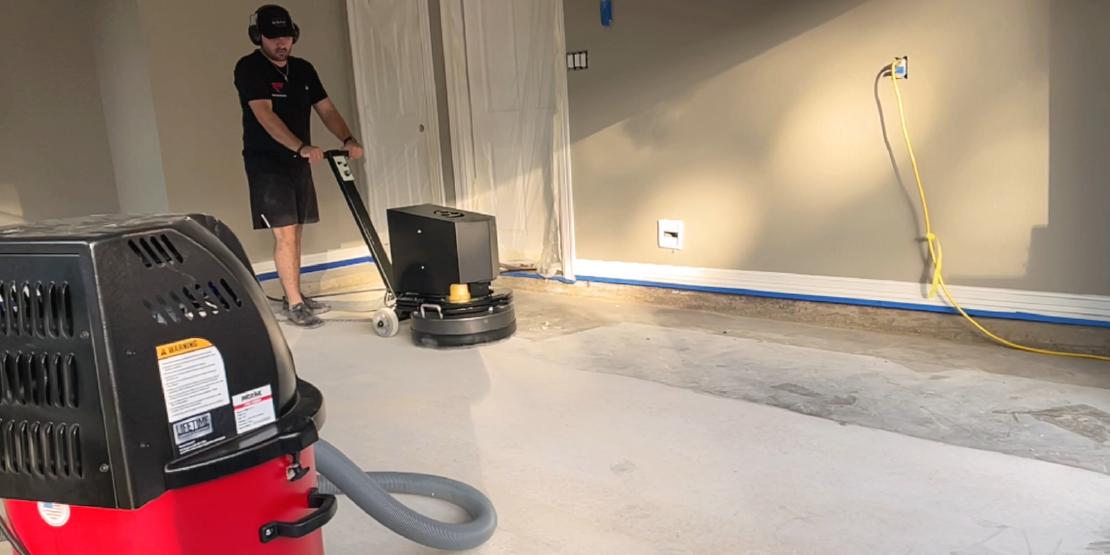

Garage Specific Coatings: Durability and Maintenance
Understanding the Importance of Specialized Floor Coverings
Specialized floor coverings come into play in a myriad of industrial and commercial settings, including warehouses, retail establishments, healthcare facilities, and manufacturing plants, to name a few. These protective barriers are designed to withstand the constant onslaught of high foot traffic, heavy machinery, spillages, and the general wear and tear that common flooring might not endure successfully. These coatings are engineered not only to safeguard the integrity of the floors but also to maintain the aesthetic appeal under strenuous circumstances.
Among the numerous benefits of these specialized coatings, durability and longevity stand out as the most noteworthy. Classic flooring solutions can degrade quite rapidly, particularly in harsh conditions, hence losing their sheen, vibrancy, and structural integrity. With specialized coatings, such as epoxy, acrylic, urethane, and polyurea, the lifespan of floors is substantially prolonged. What’s more, coatings are available in a variety of finishes, colors, and styles to seamlessly blend with the existing decor and create a visually appealing outcome.
Exploring Different Types of Protective Coverings for Your Space
Navigating through the wide variety of protective floor coverings can seem daunting. The first step involves identifying the specific need for the space in question. Industrial areas, for instance, require coverings that can resist wear and tear from heavy machinery. Likewise, aesthetic appeal becomes a priority for spaces like galleries or showrooms. Various floor coatings include epoxy, acrylic, urethane, and polyurea, each with distinct functionalities and benefits.
Epoxy coatings are renowned for their incredible durability and resistance to chemicals, making them ideal for industrial settings. Acrylic coatings, on the other hand, are popular for their UV-resistance and ability to maintain color over time. Urethane coatings excel in terms of abrasion resistance, while polyurea coatings offer quick curing times and superior toughness. Each coating type has its place and understanding these differences can help in making a decision that best suits the floor’s environment.
The Need for Durable Coatings in High Traffic Areas
Whether they’re in commercial, industrial, or residential settings, high-traffic areas experience significantly more wear and tear than their lesser-traveled counterparts. Over time, this can lead to visible damage to the floorings such as scuffs, scratches, and erosion. Protective coatings, therefore, play a crucial role in extending the lifespan of these spaces by providing a durable and convenient solution.
There has been an increased emphasis on using specialized, durable coatings in these areas. Among the most sought-after coatings are epoxy, polyurea, acrylic, and urethane, all admired for their robustness and durability. These not only preserve the aesthetic aspect of the space but also fortify the floors from potential damage and corrosion, thereby increasing their longevity significantly. Additionally, a high-quality coating offers increased slip resistance, which aids in accident prevention, making it key for ensuring the safety of the occupants.
Assessing the Longevity of Various Types of Coatings
When it comes to floor coating solutions, one crucial factor to consider is longevity. Many factors can affect the lifespan of floor coatings, such as the quality of the materials used, the preparation and application process, and the overall wear and tear. For instance, epoxy and polyurea coatings, known for their resilience, can last for several years if applied correctly. Regular, proper maintenance can also significantly extend their life.
Polyurethane and acrylic coatings present another durable choice; however, they may not fare as well under intense pressure or frequent traffic compared to their counterparts. They are well-suited for spaces that require a balance of durability and aesthetics but may need more frequent replacements in high-traffic areas. Thus, assessing longevity involves considering the specific needs of your space and matching them with the most applicable coating solution.
Delving into the World of Epoxy and Polyurea Coatings
Epoxy and Polyurea form an integral part of the specialized flooring solutions. These coatings are recognized for their exceptional strength, durability, and resistance to a variety of damaging factors. Epoxy is a thermosetting resin that upon curing, forms a robust and high-gloss finish, capable of withstanding heavy traffic and harsh chemicals. Its protective layer is resistant to moisture, heat, and wear, making it an ideal choice for industrial and commercial facilities. Notably, epoxy offers a host of benefits beyond durability, including aesthetics, ease of maintenance, and cost-effectiveness.
Stepping into the realm of Polyurea coatings reveals another potent warrior in the battle against floor damage. It has garnered immense popularity due to its ultra-fast setting time and outstanding flexibility, a quality that enables it to endure high impact, temperature fluctuations, and even seismic activity. Polyurea excels in providing a seamless, waterproof coating that is more resistant to fading and chalking than its counterparts. Also, its exceptional adhesion to concrete and steel, coupled with antibacterial properties, makes Polyurea the top contender for environments that demand superior hygiene standards, like hospitals and food processing centers. Despite their difference, both Epoxy and Polyurea offer a potent mix of attributes that can aid in preserving the integrity of floors in demanding conditions.
Unveiling the Durability of Acrylic and Urethane Coatings
Acrylic coatings are renowned for their outstanding durability and long lifespan. They are made up of synthetic materials, thus providing them with great resilience against ordinary wear and tear. The pigments and binders in acrylic coatings are carefully formulated to resist fading, ensuring a bright and vibrant finish over the years. Moreover, these coatings come with the added advantage of being water and moisture resistant, making them ideal for regions with high humidity or frequent rainfall.
On the other hand, urethane coatings are well reputed for their high-performance properties in challenging environments, enhancing their durability. These protective layers have superior resistance to abrasions, chemical spills, and impact damage, therefore maintaining their aesthetic appeal and providing optimal protection in high-traffic areas. Urethane coatings also possess remarkable flexibility, accommodating the natural movement and shrinking of the underlying surface without cracking or peeling. Despite exposure to harsh ultraviolet rays, these coatings retain their gloss and color, testament to their exceptional durability.
A Closer Look at the Maintenance Requirements for Different Coatings
Different types of floor coatings require varying degrees of maintenance to ensure their longevity and preserved aesthetic appeal. Be it epoxy or polyurea, acrylic or urethane, each coating type has its unique maintenance protocol. The maintenance requirements for these coatings vary because each possesses unique chemical properties that respond differently to wear, tear, and environmental conditions. Maintenance can range from simple routine cleanups to more specialized care involving specific cleaning solutions and equipment.
For instance, epoxy and polyurea coatings are typically resistant to most types of damage, making cleaning and upkeep relatively straightforward. However, they might require periodic re-coating to deal with any chipping or peeling. On the other hand, acrylic and urethane coatings, while durable, require more careful handling. These coating types may need the use of specific non-abrasive cleaners to prevent damage and regular buffing to maintain their lustre. Understanding the maintenance requirements of your chosen coating type can significantly contribute to the lifetime and look of your speciality floor coverings.
Proven Tips for Preserving and Extending the Life of Coatings
Proper maintenance is essential to ensure the longevity of any floor coating. Routine cleaning and inspections can significantly extend the life of a coating and keep it in optimal condition for years to come. The use of appropriate cleaning products and techniques is particularly important. Undoubtedly, harsh chemicals can deteriorate the coating faster than normal, while gentle and pH-balanced solutions can maintain its shine and durability.
Even though coatings are designed for durability, they can still be susceptible to scratches and other forms of damage. Especially in high-traffic areas, safeguarding the coating from mechanical harm is crucial. One way to protect the surface is by using pads or rugs in areas with the most footfall. Additionally, reapplying a topcoat periodically can refresh the surface and fill in minor scratches or scuffs, further extending the life of the coating.
How to Clean and Maintain Your Coated Floors
Maintaining the integrity and shine of your coated floors requires regular cleaning. The process begins with sweeping or vacuuming to eliminate loose dirt and dust from the surface. Next, use a damp mop and mild cleanser designed for the floor’s specific coating type; this will help preserve the structural integrity of the floor. Harsh chemicals or abrasive materials can potentially damage the coating, quickly leading to discolouration and wear.
When dealing with stains or spills, immediate action is essential. Promptly blot the spill using a clean, dry cloth. For persistent stains, the use of a soft brush along with a suitable floor cleaner - ensuring it is not abrasive - may be necessary. Do not use excess water while cleaning as this might harm the underlying material. Always remember to dry the floor after cleaning to prevent water from soaking into any small cracks or gaps. Following these maintenance basics can help keep your coated floors looking fresh and vibrant. • Regular cleaning is a must: Sweeping or vacuuming your coated floors regularly can help in getting rid of loose dirt and dust. This step is crucial as it prepares the floor for further maintenance.
• Use appropriate cleansers: Depending on the type of coating your floor has, you should use a damp mop along with a mild cleanser specifically designed for that coating. Avoid using harsh chemicals or abrasive materials as they may damage the floor’s coating, leading to discolouration and wear.
• Handle spills promptly: In case of stains or spills, act quickly by blotting the spill with a clean, dry cloth. If stains persist, use a soft brush along with an appropriate non-abrasive floor cleaner.
• Be mindful about water usage: Excessive water can harm the underlying material of your coated floors. Therefore, ensure not to overuse water while cleaning.
• Always dry after cleaning: After every cleaning session make sure to thoroughly dry your floors. Water left behind could seep into small cracks or gaps causing damage over time.
By following these simple yet effective tips consistently, you will be able to maintain the integrity and shine of your coated floors effectively ensuring they continue looking fresh and vibrant for years.
Dealing with Cracks and Damage in Your Floor Coatings
Damage to floor coverings, particularly cracks, represent a significant concern for homeowners and businesses alike. These issues can severely impact the aesthetics and functionality of a space. Whether the floor coating is epoxy, polyurea, acrylic, or urethane, exposure to heavy traffic, improper maintenance, and the natural aging process can lead to these common forms of damage. It is integral to understand that damaged coatings can lead to further complications, like moisture entering the subfloor, that can be costly to repair.
The process of repairing a floor coating depends largely on the extent of the damage and the type of coating. Small cracks may be repairable using a patching compound and a fresh application of the coating. However, large or numerous cracks may require a complete removal of the damaged area and a reapplication of the coating. In some situations, it may be necessary to replace the entire floor coating. Regardless of the method, addressing damage swiftly and competently is paramount to preserving the longevity and functionality of the floor surface.
The Role of Regular Inspections in Maintaining Coated Floors
Regular inspections play a pivotal role in maintaining the longevity and appearance of coated floors. A consistent check-up routine not only aids in the detection of minor floor imperfections ahead of time, but it also allows for timely corrective measures. When performed diligently and periodically, these inspections can effectively mitigate the risks of severe floor damages that may otherwise require extensive repairs.
The practice of regular inspections can result in significant cost and time savings in the long run. By detecting the early signs of wear and tear, such as discoloration, chipping, and cracking, necessary repair strategies can be promptly implemented. This proactive approach also helps to preserve the aesthetic appeal of the floor, ensuring a consistently high quality and safe walking surface for all users.
Professional Services for Coating Repair and Maintenance
Despite the durability and resistance of most coatings, time can take a toll on them, leading to a need for repair or maintenance. Enlisting professional services is the recommended route to ensure the longevity of your floor coatings. Hiring professionals not only provides skillful application and repair services but also guidance on the most appropriate maintenance routine for your specific coating. The decision to engage industry experts offers access to a wealth of experience, helping you avoid common mistakes that could compromise the quality of your floors.
Whether it’s epoxy, polyurea, acrylic, or urethane coatings, each type has its unique maintenance requirements that professionals are well-versed in. They also come with an in-depth understanding of the different factors affecting the lifespan of your coating, including traffic, climate, and cleaning habits. By relying on experts, you secure proactive solutions, ensuring the coating is always kept in optimal condition. Remember, preventive maintenance, carried out professionally, extends the life of your floor coatings and offers immense cost savings in the long run.
Choosing the Right Service Provider for Your Coating Needs
Selecting a dependable and proficient service provider for your coating requirements can significantly influence the longevity and appearance of your floors. It’s essential to look for a provider that offers quality services, promising a great return on your investment. Seek out teams with extensive experience applying coatings. An experienced service provider will be familiar with the unique challenges and requirements of different materials and will be able to plan effectively to overcome them.
It is also crucial to choose a service provider that prioritizes customer service. Excellent customer service from a provider means they’re likely to go the extra mile in meeting your unique needs and ensuring satisfaction. This relationship can be incredibly beneficial in securing the effectiveness of your coatings. Read customer reviews and testimonials for insights into previous customers’ experiences. Ask for references, and don’t hesitate to reach out to gain a comprehensive understanding of their services. Additionally, consider the provider’s accessibility and response time to ensure they’ll be able to assist you promptly when required.
Why are specialized floor coverings important?
Specialized floor coverings are important as they protect the floor from damages, enhance its appearance, and extend its lifespan. They can also provide safety benefits like slip resistance.
What are some different types of protective coatings I can consider?
There are several types of protective coatings including epoxy, polyurea, acrylic, and urethane coatings. The choice depends on your specific needs, budget, and type of floor.
Why should I consider durable coatings for high traffic areas?
High traffic areas are more susceptible to wear and tear, scratches, and damages. Durable coatings can protect these areas, maintaining their look and extending their life.
How long do various types of coatings usually last?
The longevity of coatings depends on many factors including the quality of the product, preparation and application process, and maintenance. Generally, epoxy and polyurea coatings can last for several years with proper care.
What are the maintenance requirements for different coatings?
Maintenance requirements depend on the type of coating. Some may require regular cleaning with specific products, while others might need re-coating or sealing over time. Always follow the manufacturer’s instructions for best results.
How can I extend the life of my coated floors?
Regular cleaning, avoiding harsh chemicals, prompt repair of cracks or damages, and regular inspections can help extend the life of your coated floors.
What should I do when there are cracks or damages in my floor coatings?
If your floor coatings have cracks or damages, it’s best to get it repaired professionally to prevent further damage and ensure a proper fix.
Why are regular inspections important for maintaining coated floors?
Regular inspections help to catch any small issues or damages early before they become bigger problems. This can save you time and money in the long run.
Are there professional services available for coating repair and maintenance?
Yes, there are professionals who specialize in floor coating repair and maintenance. They have the right tools, skills, and knowledge to do the job efficiently and effectively.
How do I choose the right service provider for my coating needs?
Consider factors like experience, expertise, customer reviews, licensing, insurance, and pricing. It’s also important that they offer the specific services and products you need for your type of floor and usage.