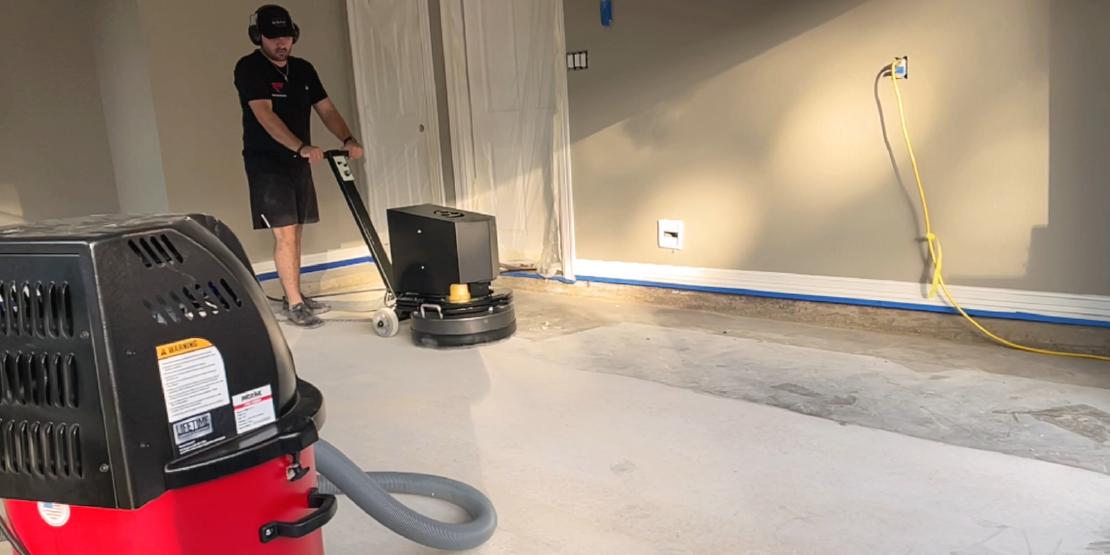

Global Trends in Sustainable Floor Coatings
Understanding Sustainable Floor Coatings
In the world of construction and interior design, sustainable floor coatings have emerged as a significant trend, outpacing traditional material choices. They are essentially surface treatments designed with environmentally friendly materials. These coatings rejuvenate the floor’s appearance, while their eco-friendly characteristics help reduce the carbon footprint. Moreover, they provide practical benefits such as increased durability, easy maintenance, and improved safety, making them a desired choice among homeowners, architects, and designers.
An increasing number of individuals and businesses are now prioritizing sustainability in their practices. As such, floor coatings are essentially evolving, veering away from toxic, non-renewable compounds towards more sustainable alternatives. Sustainable floor coatings stand out due to their innovative design, manufacture, and application processes. These processes minimize harm to the environment, conserve energy, and uphold a commitment to ecological balance. Thus, these coatings adhere to the principles of sustainability, focusing not only on the present but also on the lifelong impact they have on the environment.
The Rising Popularity of Eco-Friendly Flooring Solutions
In recent years, an undeniable shift has been witnessed in the flooring industry towards eco-friendly solutions. The driving forces behind this trend are the increasing consumer awareness about the impact of their choices on the environment and their desire for safer and healthier living environments. Even commercial and industrial sectors are integrating sustainable practices, drastically pushing the demand for environmentally-friendly floor coatings upward.
Sustainable floor coatings, developed using water-based and plant-based materials, have gained traction for their minimal environmental impact. They boast characteristics such as low VOC emissions, high durability, and recyclability, making them an ideal choice for both residential and commercial applications. Innovations in this sector continue unabated, introducing newer, more efficient, and greener options for consumers, further propelling the popularity of these eco-friendly flooring solutions.
The Impact of Sustainability on the Floor Coating Industry
Sustainability is making waves in the floor coating industry, transforming the way it operates in more ways than one; from manufacturing to installation processes. The industry is gradually shifting towards the adoption of green practices as manufacturers and installers realize the significant role they can play in conserving the environment. An increasing number of businesses have begun to incorporate eco-friendly solutions, enhancing the sustainability quotient of their operations. Changes in industry approach have had a profound effect on pricing, customer perceptions, market competition, product offerings, and regulatory compliance.
Manufacturers are compelled to rethink the materials they use to develop floor coatings. They are leaning towards bio-based materials and other alternatives perceived to be more sustainable than conventional synthetic materials. Due to this shift, there is a noticeable increase in the production and use of low VOC (volatile organic compounds) or VOC-free coatings. This is great news for consumers, as it means that they will have access to less harmful products that still deliver the quality and durability they’ve come to expect. Not only are these sustainable coatings better for the environment, but they also contribute towards improved indoor air quality, a benefit that’s not lost on health-conscious buyers.
Exploring Different Types of Sustainable Floor Coatings
There exist myriad types of sustainable floor coatings that cater to different preferences, requirements, and budgets. Epoxy floor coatings are well renowned for their durability, longevity, and cost effectiveness. This coating significantly reduces the need for floor replacement, thereby diminishing landfill waste and the usage of new materials. In addition, epoxy coatings are spill and stain resistant, making them an excellent choice for high-traffic areas, including commercial and manufacturing facilities.
Another type of sustainable coating is polyurethane floor coating. Polyurethane provides robust protection against impacts and abrasions while offering versatility in terms of its aesthetic appeal. Notably, it is less harmful to the environment as compared to traditional coating substances, since it emits fewer volatile organic compounds (VOCs). There are also bio-based floor coatings, which are derived from renewable plant sources providing an environmentally conscious alternative to traditionally produced coatings. Promising both high performance and reduced environmental impact, these are gaining increased attention in the market.
The Role of Innovation in Sustainable Floor Coating Development
Innovation plays a crucial role in driving the development of sustainable floor coatings. It fuels the creation of new materials and processes that are not only environmentally friendly, but also more durable and longer lasting. These advancements aim to reduce the reliance on traditional, often toxic, floor coatings, providing greener alternatives that maintain high performance standards. This requires the intertwining of technology and ecology, illustrating the transformative potential of sustainable solutions.
Technological advancements, particularly in nanotechnology, have been integral in pushing the boundaries of sustainable floor coatings. They can enhance the durability and longevity of these coatings, reducing the need for re-applications and subsequently diminishing the environmental footprint. Moreover, innovation is leading to the formulation of coatings that are resistant to bacteria and fungi, proving the vast possibilities that come with continued research and development in the sector. These efforts ensure the industry moves beyond the age-old notion that eco-friendly alternatives compromise on quality or efficacy.
Benefits of Choosing Sustainable Floor Coatings
Choosing sustainable floor coatings comes with a multitude of advantages, primarily environmental. These eco-friendly solutions significantly reduce the carbon footprint associated with construction and renovation projects. Many varieties utilize recycled or renewable materials, translating into fewer raw resources being consumed. Aside from promoting resource conservation, these innovative coating solutions also minimize environmental pollution. They are free from the harmful volatile organic compounds (VOCs) traditionally found in regular floor coatings, which are known to harm both the environment and human health.
Commercially and residentially, sustainable floor coatings also offer impressive longevity, reducing the frequency and cost of flooring maintenance and replacement. Their durability is born from resilience to a variety of harsh conditions, such as heavy foot traffic or ambient moisture. As a bonus, consumers will also find that some eco-friendly variants provide excellent thermal insulation, offering energy savings in heated or cooled spaces. Final note on a small yet still significant plus, sustainable floor coatings often come in a broad range of customizable designs and colors, ensuring that aesthetic appeal does not have to be compromised in the pursuit of propensity towards environmental sustainability.
Key Factors Driving the Demand for Sustainable Floor Coatings
Sustainable floor coatings have been witnessing a surge in popularity in recent years, driven by a variety of key factors. First and foremost among these is the increasing awareness of the importance of sustainability and protecting the environment. More individuals and businesses are seeking out green alternatives in all areas of their life, including in their choice of flooring. This heightened demand for sustainable solutions has been a significant driver in the adoption of eco-friendly floor coatings.
Another pivotal factor is the substantial advancements in technology and innovation within the floor coating industry. Manufacturers are now able to produce floor coatings that are not only sustainable but also high in quality and durability. These advancements have made sustainable floor coatings a practical, long-lasting and aesthetically pleasing option for consumers. The significant cost savings over time due to the durability and low maintenance needs of these coatings also adds to their appeal. High-profile success stories and case studies demonstrating the effectiveness of sustainable floor coatings have further boosted demand.
Case Studies: Successful Implementations of Sustainable Floor Coatings
In the bustling city of Seattle, the Washington State Convention Center provides an illustrative example of successful implementation of sustainable floor coatings. The center witnessed a drastic transformation by incorporating environmentally-friendly coatings, which not only minimized the harmful environmental impact but also elevated the aesthetic appeal. Notably, routinely subjected to high foot traffic, the center experienced the double-edged sword of durability and sustainability, which the conventional floorings fail to offer.
On the industrial side, the case of the TommyCar Auto Group’s Collision Center in Massachusetts stands out. The adoption of sustainable floor coatings in this auto repair facility significantly improved the interior environment by removing toxic odors prevalent in such work spaces. Additionally, their shift to eco-friendly floorings resulted in a significant reduction in maintenance costs. Importantly, this demonstrates that sustainable floor coatings are not merely feasible, but also financially beneficial in the long run.
Challenges Faced in the Adoption of Sustainable Floor Coatings
The implementation of sustainable floor coatings has encountered several obstacles. A major concern revolves around the high initial investment required for both the materials and the application processes. Many stakeholders are hesitant due to the perceived costliness relative to conventional floor coatings. Further, oftentimes, clients lack comprehensive understanding and awareness of the long-term economic and environmental benefits these eco-friendly coatings offer, hampering widespread adoption.
Perceived performance issues have also been a roadblock. A common misconception is that environmentally friendly materials may not be as durable or as effective as their traditional counterparts. Furthermore, the lack of skilled workforce capable of applying these advanced coatings in compliance with sustainable practices is another challenge. The absence of standardized guidelines and protocols for the application of sustainable coatings aggravates this situation.
Market Analysis: The Future of Sustainable Floor Coatings
The growing awareness on environmental issues continues to steer the flooring industry towards more ecologically responsible practices. This includes changes in both production methods and the formulation of materials. One area experiencing significant growth is the world of sustainable floor coatings, largely driven by increasing consumer demand for eco-friendly products. Industry reports suggest a steady market growth, with experts predicting that the sustainable floor coatings market will see a compound annual growth rate (CAGR) of approximately 5.5% between now and 2026.
Industry trends indicate a shifting preference towards use of materials with minimal environmental impact. Innovations in biodegradable materials, natural pigment applications, and low-volatile organic compound (VOC) products dominate the sustainable floor coatings market, indicating a major industry transition towards greener solutions. Players in this arena are displaying clear preference for sustainable manufacturing methods, aiming to reduce carbon footprint and conserve resources while delivering top-performing products. This conscious shift towards sustainability is likely to shape the future of the floor coatings market on a global scale.
Government Policies and Regulations Impacting Sustainable Floor Coatings
The realm of sustainable floor coatings has experienced stringent oversight and various policy changes due to increasing global attention towards environmental preservation. This level of scrutiny is a product of a broader regulatory trend focusing on the ecological implications of every industry segment, from the manufacturing process to waste management. In most countries, these environmental regulations are stringent, demanding that companies adopt sustainable measures in each phase of the floor coating production process.
Critical policies include the reduction of Volatile Organic Compounds (VOC) levels, adherence to waste disposal norms, and recycling protocols. These regulations significantly impact the floor coating industry, bringing about a transformative shift towards eco-friendly alternatives. Failing to adhere to these policies and guidelines can result in severe penalties and reputational damage. Such stringent regulations ensure that the floor coatings market continues to evolve towards sustainable practices. • The Restriction of Hazardous Substances (RoHS) Directive is one such policy that has a profound impact on the floor coating industry. This European Union directive restricts the use of certain hazardous substances in electrical and electronic equipment, which includes some components used in floor coatings.
• Another influential regulation is the Registration, Evaluation, Authorization and Restriction of Chemicals (REACH). REACH aims to ensure a high level of protection for human health and the environment from risks posed by chemicals. It also promotes alternative methods for assessing these hazards.
• The U.S. Environmental Protection Agency’s Design for Environment (DfE) program encourages businesses to consider environmental impacts during their design process. For sustainable floor coatings manufacturers, this means designing products with minimal VOC levels or using alternative materials that have less impact on air quality.
• Waste disposal norms are another important aspect impacting sustainable flooring production processes. Companies must adhere to strict guidelines when disposing waste generated during manufacturing procedures; failure could lead to hefty fines or legal action.
• Recycling protocols also play a significant role in shaping sustainability practices within this sector. These policies demand companies recycle as much material as possible during production stages, reducing overall waste output and promoting circular economy principles.
In conclusion, government regulations significantly shape how industries operate towards sustainability goals—particularly so for those involved in producing eco-friendly alternatives such as sustainable floor coatings. As global attention continues focusing on environmental preservation, it’s expected these regulatory trends will continue pushing industries towards more responsible practices.
Sustainable Floor Coatings: A Look at the Leading Players
In the booming market of sustainable floor coatings, certain key players have risen to the top, defining the way for others. Bona AB, a Swedish company, stands tall in this group, leveraging their hundred years of experience in delivering eco-friendly products. They focus on water-based coatings that eliminate harmful emissions, enhancing indoor air quality. Bona’s sustainable approach, along with their premium quality product range, keep them ahead in the competition.
RPM International Inc., an American multinational known for its high-performance coatings, sealants, and specialty chemicals, is another prominent player. They have carved a niche for themselves by emphasizing the development and supply of low VOC (Volatile Organic Compound) products, reducing their environmental impact. The company’s commitment towards sustainability extends from their products to their operations, painting a holistic green image that resonates well with eco-conscious consumers.
How to Choose the Right Sustainable Floor Coating for Your Needs
When selecting a sustainable floor coating to fit your specific needs, several key factors need to be considered. Purpose of the space is paramount; areas with high foot traffic or exposure to water and chemical substances require more durable and resistant coatings. This helps maintain both the aesthetics and functionality of the floor. Also, the level of UV exposure related to the area directly influences the choice, as some eco-friendly materials can fade or deteriorate when exposed to sunlight for extended periods.
Aside from these practical application considerations, the chemical composition of the floor coating plays a critical role in its sustainability. Eco-conscious customers should choose options that have low amounts of volatile organic compounds (VOCs), as these are harmful for both the environment and human health. Lastly, the durability and maintenance requirements of the coating are essential considerations. Sustainable options should ideally offer high durability and low-maintenance features, making them a long-term, cost-effective choice.
What is a sustainable floor coating?
Sustainable floor coatings are eco-friendly alternatives to traditional floor finishes. They are made from natural or renewable materials, and they are designed to have a minimal impact on the environment both during their production and throughout their lifespan.
Why are sustainable floor coatings becoming popular?
Sustainable floor coatings are rising in popularity due to increasing consumer awareness about the environmental impact of traditional floor finishes, and a growing demand for eco-friendly alternatives. They also offer a range of benefits including durability, low maintenance and improved air quality.
What are some examples of sustainable floor coatings?
Some examples of sustainable floor coatings include linoleum made from linseed oil and cork, bamboo flooring, and coatings made from recycled or reclaimed materials. The choice of the coating will depend on the specific requirements of the floor and the desired aesthetic.
What are the benefits of choosing a sustainable floor coating?
Sustainable floor coatings offer a number of benefits, including durability, ease of maintenance, and improved indoor air quality. They are also more environmentally friendly, which can help to reduce your carbon footprint.
What challenges are associated with the adoption of sustainable floor coatings?
While sustainable floor coatings offer many benefits, they can also present some challenges. This may include higher upfront costs compared to traditional finishes, a lack of awareness or understanding about these products, and difficulties in sourcing or installing them.
What factors are driving the demand for sustainable floor coatings?
The demand for sustainable floor coatings is being driven by a combination of factors, including increasing consumer awareness about the environmental impact of traditional finishes, government regulations promoting eco-friendly alternatives, and advances in technology making these products more accessible and affordable.
How can I choose the right sustainable floor coating for my needs?
When choosing a sustainable floor coating, it’s important to consider a number of factors. This includes the specific requirements of your floor, the desired aesthetic, your budget, and any environmental or health concerns. It may also be helpful to consult with a professional to help make the best choice for your needs.
Who are some leading players in the sustainable floor coatings market?
The market for sustainable floor coatings is diverse, with a number of leading players offering a range of different products. Some of these may include companies specializing in eco-friendly materials, as well as traditional flooring manufacturers that have expanded their range to include sustainable options.