
Heavy-Duty Coatings for Warehousing and Logistics
Understanding the Importance of Industrial Coatings
Industrial coatings play a crucial role in preserving the longevity, safety, and aesthetics of buildings, equipment, and other materials found within a variety of industries. Designed specifically to resist wear and tear, these robust coatings provide a necessary line of defense against the harsh conditions a building may be exposed to, be it high temperatures, chemical spills, or abrasive damage. Consequently, their application serves a dual purpose; not only do they enhance the object’s durability, but they also contribute significantly to the reduction of maintenance costs and downtime due to damage repairs.
In the warehousing and logistics sector especially, the use of high-performance coatings is becoming increasingly critical. These industrial environments are often characterized by high traffic, potential impact damage, chemical exposure, and environmental stressors like humidity, dust, and temperature fluctuations. The proper application of industrial coatings ensures that the infrastructure remains resilient in the face of these rigors, thus facilitating smooth logistics and operational efficiency. Therefore, understanding and investing in the right coatings is fundamental to maintaining a robust and reliable industrial environment.
Exploring the Need for Durable Protection in Warehousing
Warehouses deal with a variety of materials, including hazardous substances, heavy machinery, and bulk goods. A highly durable protection layer is crucial to ensure the safety and longevity of the indoor environment. Industrial coatings serve as this essential shield, standing strong against corrosion, abrasion, chemical spills, and mechanical wear and tear. These coatings are designed to handle extreme conditions while upholding the operational efficiency and aesthetic appeal of warehouses.
Different types of industrial coatings cater to specific needs such as resistance to high temperatures, UV light, humidity, or bacterial growth. Understanding the unique requirements of a warehouse is the first step towards selecting the appropriate coating. This rigorous barrier not only safeguards the warehouse infrastructure but also guarantees safety for the employees. An unprotected warehouse can lead to operational failures, increased maintenance cost, accidents, and potential fines for regulatory non-compliance. Hence, a durable coating is a prerequisite to uphold warehouse integrity.
The Role of Industrial Coatings in Logistics
Industrial coatings play a pivotal role in logistics due to their intrinsic value in asset protection. These specialty paints and coatings are carefully engineered to safeguard an array of shipping materials, including steel, aluminum, and numerous other metals commonly found in logistics facilities. Their key function is to provide a durable, resistant barrier capable of withstanding harsh environmental conditions, all while extending the longevity of the equipment and structures they are applied to.
Furthermore, the influx of goods and materials in warehouses and other logistic operations often represents a variety of potential damages that could impact the safety and efficiency of these facilities. From rust caused by exposure to moisture to corrosion from chemical spills, numerous threats persist. Industrial coatings effectively counteract the dangers posed by these conditions, providing an indispensable line of defense and preserving the functional integrity of the structures they coat.
Types of High-Performance Coatings for Industrial Use
There is a plethora of high-performance industrial coatings designed to meet the differing demands of various industries. The selection ranges from epoxy coatings, used for their exceptional adhesion and chemical resistance, to polyurethane coatings known for their immense resistance to wear and tear, abrasion, and impacts. While epoxy creates a hardened, durable surface perfect for heavy industrial settings, polyurethane coats surfaces with a flexible yet robust layer ideal for areas with high movement or stress, offering longevity and excellent finishing characteristics.
Another noteworthy type is the fluoropolymer coating, renowned for its superior resistance to extreme temperature and corrosive chemicals. It works remarkably well for components often exposed to harsh environmental conditions. Additionally, the ceramic coating is gaining more traction in the industrial space due to its high heat resistance and electrical insulating properties. Lastly, the introduction of smart coatings has revolutionized the industrial sector with its self-healing, corrosion sensing, and superhydrophobic characteristics. Selection of the most suitable high-performance coating hinges on understanding the specific industrial needs, the environment, and the materials to be coated.
How to Choose the Right Coating for Your Warehouse
Identification of the appropriate coating hinges on a variety of integral factors. Primary amongst these criteria is the understanding of the warehouse’s environment, including conditions such as moisture levels, temperature ranges, and exposure to hazardous chemicals. Warehouses located in high-humidity areas will benefit immensely from anti-corrosive coatings, just as those positioned in particularly cold or hot climates will require thermal-protective/resistant applications. It becomes imperative to assess the predominant conditions in the warehouse and select a coating compatible with these specifics.
An essential aspect of selecting the right coating is analyzing the daily functionalities and operations of the warehouse. Heavy machinery movement, frequency of product loading and unloading, and the physical properties of stored goods all contribute to coating selection. A warehouse dealing with products that have abrasive tendencies would require coatings with superior wear resistance. Similarly, warehouses characterised by heavy forklift traffic should opt for coatings boasting enhanced durability. Hence, the warehouse’s distinct operational needs must dictate the chosen coating, ultimately optimizing longevity and performance while minimizing maintenance.
Advantages of Using Industrial Coatings in Warehouses
Industrial coatings bring several tangible benefits to warehouse operations. At their most basic, these coatings protect the various surfaces in a warehouse setting against wear and tear, weathering, and potential damage from machinery or inventory movement. This inherent durability extends the life-cycle of warehouse equipment and infrastructure, resulting in significant cost savings over time. Furthermore, some coatings come with specialized attributes such as anti-microbial properties or resistance to specific chemicals, adding further layers of protection specific to each warehousing environment.
Another key benefit is the role of these coatings in safety and compliance. Many industrial coatings applied to warehouse floors, for example, can improve visibility and delineate specific areas or pathways improving overall workflow and reducing chance of accidents. Moreover, various environmental and industry-specific regulations often require specific coatings that prevent chemicals or other potentially harmful substances from seeping into the ground or air. This adherence to regulations not only ensures a safe working environment, but also sidesteps the legal and financial consequences of non-compliance.
Impact of Coatings on Logistics and Storage Conditions
Industrial coatings serve as a critical element in logistics and storage conditions, transforming the operational performance of facilities. Advanced technology and carefully engineered materials give these coatings properties that significantly affect warehousing processes. As logistics deals primarily with storage, handling, and transportation of goods, it is vital to maintain an environment that prevents damage. The strategic application of industrial coatings enhances this by creating a robust barrier, capable of withstanding heavy-duty use, protecting against corrosion, and resisting harsh environmental conditions such as high humidity or extreme temperatures.
For several facilities, maintaining optimum storage conditions is a key factor for the successful preservation and distribution of goods. Products stored in warehouses often require a clean, stable environment to prevent degradation. Industrial coatings play a significant role here, providing a sealed, dust-free surface that is easy to clean and maintain. Additionally, these coatings help to avoid contamination, a paramount concern when dealing with food or pharmaceutical products. Therefore, the use of industrial coatings directly impacts and optimizes storage conditions, consequently influencing the efficiency of logistics.
Application Process of Industrial Coatings in Warehouses
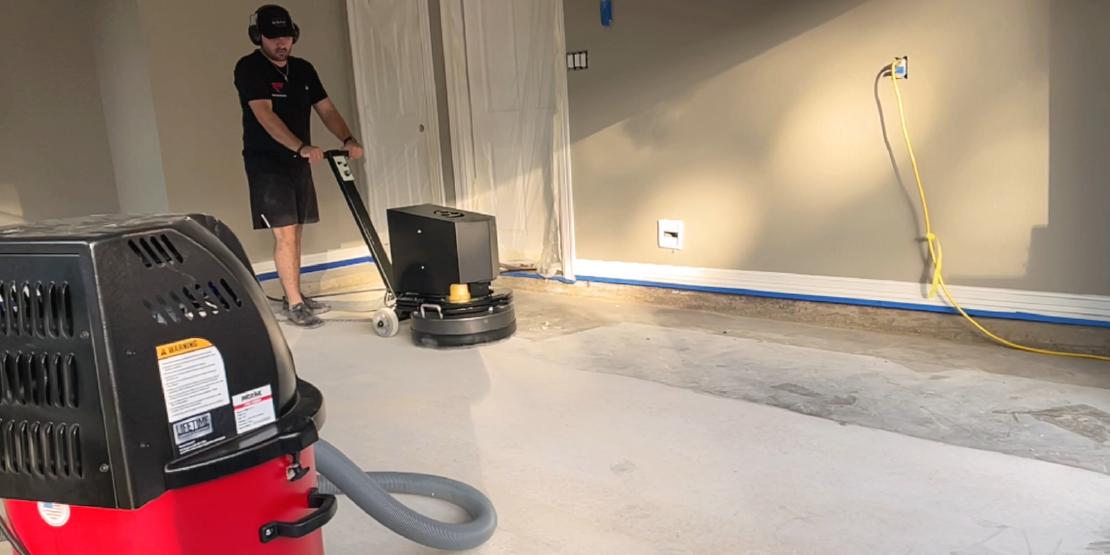
The application of industrial coatings in warehouses is a multi-step process that requires careful attention to ensure the durability and longevity of the coating. The first step typically involves surface preparation, which includes cleaning the surfaces to remove dirt, dust, and grease that can inhibit the proper adhesion of the coating. This step may also involve sandblasting or other abrasive methods to create a rough surface for the coating to grip. Adequate surface preparation is critical for ensuring that the coating adheres properly and provides maximum protection.
The next stage in the process is the application of the industrial coating itself. This can be achieved through various methods such as rolling, spraying, or brushing, depending on the specific requirements of the warehouse and the type of coating being used. For example, certain coatings may be better suited to spraying, while others may be best applied with a roller. It’s important to take into consideration how the coating will react to different environmental conditions in the warehouse such as humidity, temperature, and exposure to chemicals or physical stress. The application should be done in a well-ventilated area and it should be left to cure for the recommended amount of time to ensure optimal performance and durability.
Maintenance and Care for Industrial Coatings
Proper maintenance is integral to ensure the longevity and efficiency of industrial coatings. These substances form a barrier that safeguards steel and other construction materials from corrosive elements, therefore, keeping them in optimum condition maximizes this protective function. Regular inspections are required to assess any potential damage or areas where the coating may have worn thin. This practice ensures that any necessary repairs are detected early, preventing disruption of operations and prolonging the lifespan of both the coating and the building itself.
Comprehensive care for industrial coatings extends to their application process. The use of professional-grade equipment and adherence to application guidelines directly affect the outcome of the work. Moreover, factors such as weather conditions and surface preparation also play significant roles in the integrity of the coat. But it doesn’t end there, even after successful application, it is recommended that cleaning procedures should be employed to minimize dust and dirt accumulation, which could potentially degrade the coating. This way, conserving the coating’s original condition for as long as possible is achievable. Remember, industrial coatings are an investment in preventative maintenance, their care should be regarded as equally important. To ensure the optimal maintenance and care for industrial coatings, one must:
• Regularly inspect the coating: This helps in identifying any potential damage or areas where the coating may have worn thin. Early detection of such issues can help prevent disruption of operations and prolongs the lifespan of both the coating and the building.
• Adhere to application guidelines: The use of professional-grade equipment is crucial during this process. Following these guidelines ensures an effective barrier against corrosive elements is formed.
• Consider weather conditions: Weather factors significantly impact a coating’s integrity. Hence, it’s essential to consider such conditions before applying industrial coatings.
• Prepare surfaces adequately: Proper surface preparation plays a significant role in how well an industrial coat adheres and performs over time.
• Employ regular cleaning procedures post-application: Cleaning minimizes dust and dirt accumulation which could potentially degrade the coating, thus preserving its original condition for as long as possible.
Remember that maintaining your industrial coatings isn’t just about preservation; it’s also preventative maintenance that safeguards your investment in infrastructure. Therefore, their care should be regarded with equal importance.
Common Challenges and Solutions in Applying Industrial Coatings
Like any other industrial process, the application of industrial coatings presents its own set of hurdles. First and foremost, the issue of environmental factors such as weather conditions, temperature, humidity, and dust must be taken into account. These elements can impact the drying time, adhesion, and overall finish of the coating. Moreover, difficulties may arise from inadequate surface preparation, as coatings might not adhere properly to surfaces that are dirty, rusty, or not correctly treated. Another notable challenge is safety concerns, considering the risk of health hazards from volatile organic compounds (VOCs) present in many industrial coatings.
However, with the right awareness and planning, these challenges can be effectively addressed. Proper environmental controls and timing can help manage the impact of weather conditions on the coating process. To ensure optimal adhesion and the best possible finish, systematic and thorough surface preparation is a must before proceeding with the coating application. Safety measures should be given top priority during the application of industrial coatings to minimize the potential risks associated with VOCs. These efforts can include the use of protective gear, proper ventilation, and preference for low-VOC coatings wherever possible. Pilot testing and regular quality checks throughout the process are also essential in resolving any potential issues promptly, maintaining the quality of coating application, and ultimately expanding the lifespan of warehouse infrastructure.
Case Studies: Success Stories of Industrial Coatings in Warehousing
In a recent case study, a prominent warehouse in Minnesota implemented industrial coatings over a six-month period. The warehouse, with a total area of over 500,000 square feet, was primarily used for the storage of temperature-sensitive goods. The operators encountered significant issues in maintaining the optimal temperature and reducing energy costs. Upon recommendation, they opted for polyurethane-based industrial coatings on the walls and floor.
Only a few months post the application of the high-performance coating, the warehouse managers reported noticeable improvements. The regulated temperature significantly improved with the insulating properties of the coating, and there was an approximate 20% reduction in energy costs. More so, the coating providing a durable, hygienic surface promoted a cleaner work environment and mitigated maintenance efforts. The warehouse’s success story underscored the real-world benefits and importance of implementing industrial coatings in such settings.
Future Trends in Industrial Coatings for Warehouses and Logistics
As the logistics and warehousing industry continues to evolve, so does the future of industrial coatings. Technology advancements offer an exciting perspective, where innovation and sustainability are two key factors. Enterprises in the field are constantly seeking ways to enhance the efficiency, durability, and environmental impact of their operations. In line with this, industrial coatings are anticipated to incorporate features like self-healing properties and improved resistance to environmental and operational factors.
A notable trend shaping up in the industrial coatings landscape is the increased adoption of nanotechnology. This cutting-edge technology allows for the development of coatings which are highly resistant to corrosion, wear and tear, and harsh climatic conditions. Nanocoatings, comprising particles that are thousands of times smaller than a human hair, provide an incredibly durable surface, significantly increasing the lifespan of warehouse structures and logistics equipment. Meanwhile, the growing awareness concerning eco-friendly practices is driving the demand for low or non-VOC (volatile organic compounds) coatings, further reducing the environmental footprint of warehousing operations.
Additional Resources for Learning About Industrial Coatings
To delve deeper into the world of industrial coatings and their importance in warehouses or logistics sectors, a number of insightful resources are available both in print and digital media. Books such as “Polymer Coatings” by Frank R. Jones offer an insightful look into the science behind coatings while “Industrial Paint and Coatings” by R. R. Mills offers a technical perspective on the subject. Moreover, subscribing to professional journals, such as Journal of Coatings Technology and Research or Progress in Organic Coatings can provide recent research and development insights on the subject matter.
Online resources such as the website of Society for Protective Coating (SSPC) offer a wealth of valuable information. Industry-specific webinars and workshops, for instance those offered by The Coatings Research Institute, are another excellent way to broaden knowledge and expertise. Also, various companies, like PPG or Sherwin Williams, regularly publish comprehensive guides and fact sheets on their coating technology and applications. Expanding knowledge through these resources can undoubtedly lead to gaining a deeper understanding of their role in warehousing, leading to more informed decisions.
What is the importance of industrial coatings?
Industrial coatings are crucial for protecting infrastructure and equipment against damage, corrosion, and weather conditions. They also provide a protective barrier against harmful substances, ensuring the longevity of the materials they cover.
Why do warehouses need durable protection?
Warehouses need durable protection to safeguard the stored goods from external elements, prevent damage to storage apparatus, and maintain the structural integrity of the warehouse.
What is the role of industrial coatings in logistics?
In logistics, industrial coatings protect transport vehicles, equipment, and infrastructure from damage, thereby reducing maintenance costs and ensuring smooth operations.
What are some types of high-performance coatings for industrial use?
High-performance coatings for industrial use include epoxy coatings, polyurethane coatings, fluoropolymer coatings, and zinc coatings, each offering unique protective properties.
How do I choose the right coating for my warehouse?
The choice of coating depends on the specific needs of your warehouse, such as the type of goods stored, the surrounding environmental conditions, and the desired longevity of the coating.
What are the advantages of using industrial coatings in warehouses?
Industrial coatings in warehouses help to protect goods from environmental damage, reduce maintenance costs, enhance safety, and improve the visual appeal of the premises.
How do coatings impact logistics and storage conditions?
Coatings can greatly improve logistics and storage conditions by providing protection against corrosion, chemical damage, and extreme weather conditions, thereby ensuring the safety and integrity of stored goods.
What is the application process of industrial coatings in warehouses?
The application process typically involves surface preparation, application of a primer, application of the coating, and a final curing process.
How do I maintain and care for industrial coatings?
Regular cleaning, periodic inspections for damage, and timely repairs can help maintain and extend the life of industrial coatings.
What are some common challenges in applying industrial coatings?
Some common challenges include ensuring proper surface preparation, choosing the right coating for specific conditions, and managing application in diverse weather conditions.
Can you share some success stories of industrial coatings in warehousing?
Sure, however, specifics would depend upon the individual articles and case studies included in the article content.
What are the future trends in industrial coatings for warehouses and logistics?
Future trends include the development of more environmentally friendly coatings, advancements in nano-coating technology, and the increased use of smart coatings that can self-heal or change properties in response to environmental changes.
Where can I find additional resources for learning about industrial coatings?
Additional resources can be found in trade journals, technical manuals, industry-specific websites, and by consulting with industrial coating manufacturers or professionals in the field. Specific resources would depend on the ones mentioned in the article.