
Hidden Costs in Floor Coating Projects
Understanding the Basics of Floor Coating Expenses
When it comes to home improvement and refurbishment projects, floor coating often comes with numerous costs and variables to consider. These expenses are not limited to the immediate expenditure on materials and labor, but also, include factors like floor preparation, potential repairs, and the sheer expanse of the surface area needing treatment. Therefore, it’s crucial for homeowners and contractors to understand all the aspects associated with these costs in order to budget accurately.
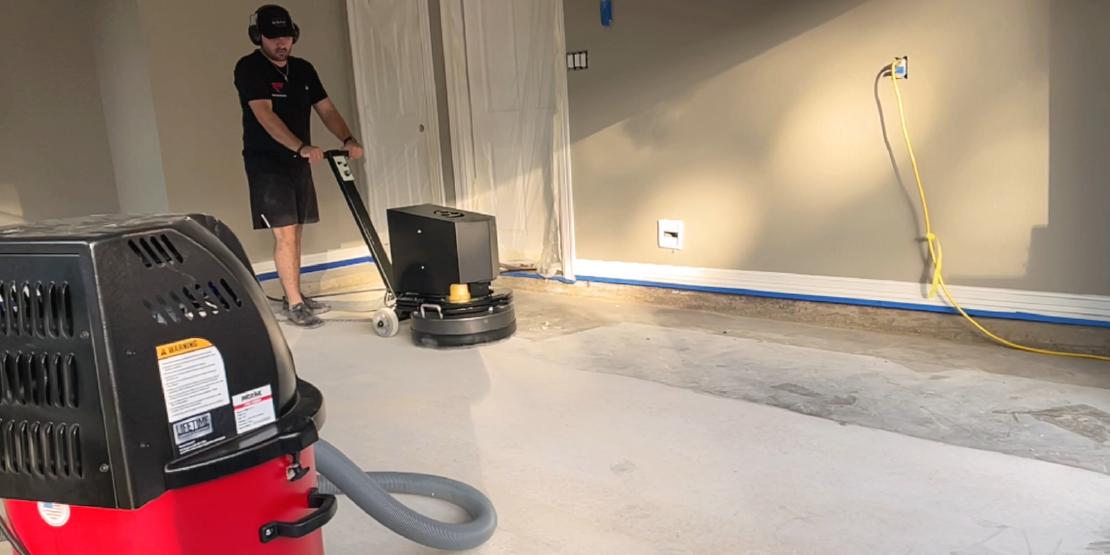
The first chunk of expenses stems from the quality and cost of materials used. Significant variances exist in the market, ranging from low-cost, standard solutions to custom, high-end finishes that add both durability and aesthetic value to the floors. Labor cost, on the other hand, takes into account the expertise of the workforce employed. The expenses can go up or down in relation to the complexity of the task, the professionals’ experience and their hourly or total project based rates. Understanding these basic factors is key in outlining a project’s financial success and overall effectiveness. • The second set of costs relates to floor preparation. This process includes cleaning, repairing any damages, and priming the surface for coating application. These steps are essential in ensuring a smooth and efficient application of the floor coating material. If not properly done, it may result in poor adhesion or other complications that can lead to additional expenses.
• Another crucial factor is potential repairs that might be needed before the actual floor coating process begins. For instance, if there are significant cracks or holes on your flooring, these issues need to be addressed first which will add up to the total cost.
• The size of the area needing treatment also plays a significant role in determining overall project costs. Larger spaces require more materials and labor time hence increasing expenditure.
• Other factors may include warranty provisions offered by contractors or manufacturers as well as maintenance needs post-application which could incur further expenses down the line.
In conclusion, understanding all these aspects associated with floor coating costs is fundamental for homeowners and contractors alike when planning their budget accurately. It helps avoid unexpected surprises during project execution while ensuring high quality results within an affordable range.
Exploring the Variables that Affect Overall Costs
Several factors come into play when determining the overall costs of floor coating projects. Surface area has a direct correlation to the amount of material necessary, traslating to increased expense for larger spaces. Coating type also sways the budget; some coatings require multiple layers or premium products that add to the overall cost.
The condition of the existing floor can influence the price as well. Floors with significant damage or wear may require extensive preparation and repairs before coating can take place. Similarly, labor costs may vary depending on the complexity of the job and the skill level required for its execution. Oftentimes, the project timeline may impact costs, too, with accelerated timelines possibly leading to higher labor rates. Last but not least, the possibility of overruns and delays needs to be factored into the overall budget.
Materials: Determining the Quality and Cost Relationship
The quality of materials used in floor coating directly influences the overall cost of the project. High-quality materials, while initially more expensive, often provide a more durable and long-lasting finish. They require fewer touch-ups or replacements over time, potentially making them a more cost-effective choice in the long run. In comparison, cheaper, lower-quality materials may initially reduce the project’s expense but could lead to increased future costs due to maintenance and repair needs.
Conversely, the selection of materials extends beyond the immediate question of price. It necessitates considering the specific role and demands of the floor. For instance, garage floors, exposed to heavy vehicle traffic and potential leaks, might necessitate premium, chemically resistant coatings. Whereas, an indoor residential floor might suffice with a moderately priced coating that provides an appealing finish. Hence, the cost-quality relationship is complex and requires thorough analysis to ensure cost-efficiency and functional efficacy.
The Impact of Labor Cost on the Total Price
Labor costs can significantly influence the overall price of your floor coating project. This cost usually includes the wages of the crew members and supervisors who will perform the work. Analogously, it extends to cover additional elements such as payroll taxes, worker’s compensation, and liability insurance; all are factors keeping the workers protected but also contribute to the overall labor cost. As a result, labor can easily constitute a substantial portion of the total project cost, often equal or even higher than the cost of materials.
A noteworthy point about labor cost is that the complexity of the project can alter the required labor hours which thereby affect the final cost. Projects that demand a high level of expertise or specialized skills may accumulate higher labor costs due to the need for professional workers with specific training. Furthermore, factors such as local labor rates, crew size, shifts, and union versus non-union labor can also have an impact on the total labor cost, shaping how much of the overall budget the labor will devour.
The Role of Floor Preparation in Overall Expenses
Before any floor coating task is embarked upon, a detailed preparation of the surface in question is vital. This phase of the project can significantly influence the total cost, as it commonly involves rigorous cleaning, repairing, and often, the remolding of the surface to ensure an optimal result upon application of the coating. Depending on the state of the floor and the level of remodeling or fixing required, this initial phase could lead to a surge in the overall project budget.
On the other hand, bypassing any aspect of the floor preparation process may seem cost-saving initially but would eventually result in more outlay when the poorly-prepared floor begins to deteriorate rapidly once coated. Therefore, it is an important cost variable not to be trifled with. The floor preparation cost consideration should be well planned for, as it is crucial to achieving longevity in the finished coating project. Hence, it significantly impacts the overall expenses and ultimately the success of the project.
Incorporating the Cost of Necessary Repairs
When embarking on any floor coating project, it’s crucial to plan for potential repairs that might need to be addressed before starting the actual coating process. These necessary repairs contribute significantly to the overall cost of the project. Cracks, uneven surfaces, and underlying structural damage pose significant challenges that should be factored into the initial budget.
Taking into account these inevitable repair expenses can help in avoiding costly surprises down the line. Each type of flooring material requires specialized treatment and associated repair costs. For instance, hardwood floors may need sanding and refinishing, while concrete floors might require filling and leveling. Therefore, understanding the nature of the material and the specific repairs it may require is key to accurately estimating the total project cost.
Assessing the Implication of Surface Area on the Budget
Surface area plays an indispensable role in determining the total cost of a floor coating project. Primarily, material consumption directly correlates with the surface area to be coated. Larger areas require more coating materials, which subsequently leads to increased expenditure on materials. It equally affects the amount of labor needed per square foot, driving labor costs up in relation to the size of the project.
Furthermore, the types of coating systems also influence the cost factor. High performance coatings designed for larger areas often fetch a higher price tag than those meant for smaller spaces. Hence, an owner should be conscious of the surface area while budgeting for a floor coating project. It’s not just the size, but also the configuration and condition of the space that can add considerable expenses to the overall budget.
The Influence of Coating Type on Project Cost
One crucial factor that influences the overall cost of a floor coating project is the type of coating applied. Epoxy coatings, for example, offer durability and resilience, making them ideal for high traffic areas such as warehouses or industrial facilities. While they provide enhanced longevity and require less maintenance in the long run, epoxy coatings have higher upfront costs compared to other types due to the complexity of their application and the cost of the epoxy itself.
Along with epoxy, polyurethane and acrylic coatings are also popular choices for floor coating projects. Polyurethane, while cost-effective and quick to apply, may not provide the same degree of durability as epoxy. Acrylic coatings, on the other hand, are among the least expensive options, but they may require more frequent replacement or maintenance. Therefore, the choice of coating type can significantly impact project costs, both initial and future, based on their application requirements, durability, and projected maintenance needs.
Warranty and Maintenance: Long-Term Financial Considerations
While discussing the costs associated with floor coating, one cannot disregard the necessity of warranty and maintenance. These factors play a key role in determining the long-term financial aspects of the project. A warranty is typically an agreement that if there are any defects or problems with the floor coating within a specified period, the service provider will rectify it at no extra cost. It’s crucial to thoroughly understand the warranty terms—what it covers, what it doesn’t, and its duration—to avoid unexpected costs in the future.
On the other hand, maintenance costs can add up over time and significantly impact the budget. Different types of floor coatings have varying levels of maintenance needs. Some require regular polishing or sealing, while others may just need routine cleaning. It is essential to anticipate these costs and incorporate them into the overall budget. These long-term financial considerations can significantly influence the total cost of floor coating and should not be overlooked.
Potential Expenses Related to Safety Measures
When estimating the cost of a floor coating project, it’s imperative not to overlook the safety measures that have a significant role in defining the total expenses. Often, these are hidden components that aren’t apparent upfront but can substantially inflate the budget in the long run. Safety measures in floor coating include protective gear for the workers, barricades or signage for occupied spaces, ventilation to mitigate harmful fumes, among others. It is important to factor in the cost of these essentials while setting the budget for the project, as neglecting such aspects could potentially lead to financial surprises down the line.
Moreover, adhering to safety regulations is not just necessary from a fiscal standpoint but also crucial for legal compliance and protection of workers’ health. Some protective equipment may need to be updated or replaced throughout the project, adding to initial costs. In some cases, additional safety training might be required for workers handling hazardous materials or using specialized equipment, further escalating the project costs. Nevertheless, it is a part of a project’s expense that should not be compromised, as the ramifications of inadequate safety measures may result in significant penalties, project delays, or even profound injuries.
The Effect of Project Timeline on Cost
To begin with, it’s crucial to understand that the duration of the floor coating project can greatly influence the overall expenses. The longer the project takes to finalize, the higher the labor costs may rocket. For large-scale applications and projects demanding meticulous attention, the timeline can elongate significantly, escalating the labor charges correspondingly. Companies often charge their clients on an hourly basis, approximately reflecting the time and effort put into the project. Project timeline and cost are closely interdependent in this context.
Another key aspect influencing the cost is the expedience required for project completion. Emergency or rushed jobs often come with additional fees, heaping onto the total cost. The need for a quick finish might require contractors to work off-hours or over weekends. Unsurprisingly, these extra hours and the accompanying overtime pay will be reflected in your final bill. In terms of total cost, it becomes evident that an extended project timeline or a demand for expedience carries significant financial implications.
Considering the Potential for Overruns and Delays
In the world of floor coating, project delays and cost overruns are not unusual. A variety of factors could lead to these, including unexpected repair work, late deliveries of essential materials, shortage of labor, and changes to the original plan. These unexpected occurrences could significantly inflate the initial budget, causing financial strain on both the homeowner and contractor. Hence, it is of utmost importance that these potential complications be adequately factored into the project’s budget from the onset.
In an effort to minimize overrun and delay-related expenses, it is advisable for homeowners to work closely with their chosen professionals. Open and clear communication, thorough project planning, as well as contingency preparations are vital. Should there be changes in the plan or unexpected obstacles, having these measures in place can help to maintain budget control and ensure the project stays on track. Despite these strategies, it’s important to have a financial buffer to absorb any unforeseen costs, ensuring a smoother project execution.
The Importance of Obtaining Multiple Estimates
Before venturing into a floor-coating project, it is vital to collect a series of estimates from different professionals. Multiple estimates provide a representative budget range, allowing homeowners or contractors to understand the expected financial commitment better. It also enables the comparison of not just the overall cost quoted, but also the breakdown of materials, labor, and other ancillary costs. This comparative analysis fosters informed decision-making, promoting transparency and reducing the risk of unexpected expenses.
Further, the value of obtaining various estimates extends beyond cost considerations. It also offers an insight into the process, timeline, and quality of work expected from different providers. Estimates serve as communication tools explaining the scope of the project, techniques used, and the quality of materials recommended. Thus, they form a basis for discussion and negotiation, fostering an understanding of the complexities involved in floor-coating projects and facilitating the selection of a reliable, cost-effective service provider.
Why is it important to understand the basics of floor coating expenses?
Understanding the basics of floor coating expenses helps you make informed decisions about your project. It enables you to plan effectively and anticipate potential costs.
What are some variables that affect the overall costs of floor coating?
Variables that can affect the overall costs include the quality and cost of materials, labor costs, floor preparation, necessary repairs, the surface area, type of coating, warranty and maintenance costs, safety measures, project timeline, and potential for overruns and delays.
How does the quality of materials influence the cost of floor coating?
The higher the quality of the materials, the higher the cost. However, higher quality materials often last longer and require less maintenance, which can save money in the long run.
What is the role of labor cost in the total price of floor coating?
Labor cost is a significant part of the total price. It includes the wages of the workers and any extra costs associated with hiring professionals for the job.
How does floor preparation affect the overall expenses?
Floor preparation is a crucial part of the process, and it can significantly influence the cost. It might involve cleaning, repairing, and priming the surface, which can add to the overall expenses.
How does the cost of necessary repairs factor into the overall expenses?
If the floor requires extensive repairs before the coating can be applied, it can significantly increase the overall cost of the project.
What is the implication of the surface area on the budget?
The larger the surface area to be coated, the higher the cost. This is due to the increased amount of materials and labor required.
How does the type of coating affect the project cost?
Different types of coatings come at different prices. Some coatings may be more expensive due to their specific features like durability, ease of application, or aesthetic appeal.
What are the long-term financial considerations for warranty and maintenance?
It’s important to consider the long-term costs of warranty and maintenance when planning your project. While some products may have higher upfront costs, their long-term maintenance and warranty may make them more cost-effective in the long run.
How can safety measures affect potential expenses?
Safety measures may require additional equipment or professional services, adding to the overall cost. However, these are essential for ensuring the safety and successful completion of the project.
How does the project timeline impact the cost?
A longer project timeline can increase costs due to extended labor hours and potential delays that may incur additional expenses.
What does it mean by potential for overruns and delays in the context of floor coating projects?
Overruns refer to costs that exceed the initial budget, while delays are any events that prolong the project timeline, both of which can lead to additional expenses.
Why is it important to obtain multiple estimates for a floor coating project?
Obtaining multiple estimates allows you to compare different options and ensure that you are getting the best value for your money. It also helps you identify any potential hidden costs and prepare for them effectively.