
High-Performance Coatings for Industrial Use
Understanding the Importance of Industrial Coatings
Industrial coatings are a critical component in many manufacturing processes. These high-performance layers or films act as a protective barrier to various materials, shielding them from potential environmental damage such as heat, dust, moisture, corrosion, scratches or chemical reactions. They play a vital role in prolonging the lifespan and maintaining the integrity of manufactured goods. From everyday household items to large industrial equipment, these coatings extend the durability, functionality, and performance of numerous products.
There are numerous varieties of industrial coatings, each with a unique set of properties suited to specific applications. They are predominantly applied to metal and concrete structures to protect them from degradation, corrosion, and other harmful effects. The protective layer formed by these coatings not only safeguards the material beneath but also enhances its overall appearance. This aspect of industrial coatings, when used in the manufacturing, marine or construction sectors, contributes not only to the longevity of the structures but also greatly reduces maintenance costs and increases efficiency.
Types of Protective Coatings in the Industry
There are numerous types of protective coatings used across various industrial sectors. Epoxy coatings, for instance, are renowned for their durability and resistance to chemical-based wear and tear, making them ideal for floors in manufacturing facilities and warehouses. Polyurethane coatings, on the other hand, are characterized by their flexibility and high resistance to UV damage, making them suitable for outdoor infrastructures and equipment.
In the realm of heavy machinery and equipment, ceramic coatings take the lead due to their thermal resistance and anti-corrosive properties. On the flip side, Fluoropolymer coatings are utilized in food processing industries as they are non-reactive and can withstand severe temperature variations. It’s crucial for any industry to select the right protective coating, based on the specific requirements and conditions of their operations, to ensure operational efficiency and longevity of their equipment.
The Role of Industrial Coatings in Corrosion Control
Industrial coatings play a pivotal role in combating the persistent issue of corrosion in numerous industries. These coatings provide a protective layer over materials that are usually susceptible to corrosion, such as steel, iron, and other metals. The application of these coatings ensures the longevity and functionality of machines, tools, or infrastructure by protecting them from environmental factors that cause corrosion.
Diversity in the types of industrial coatings allows for the selection of coatings specific to the environment, operating conditions, and material. An example would be the use of epoxy coatings in environments where high strength and resistance is required or polyurethane coatings offering excellent weatherability and abrasion resistance in outdoor settings. This customization is a key aspect of how industrial coatings effectively manage and reduce corrosion, ultimately ensuring the efficiency and safety of industrial operations.
Benefits of Using Durable Coatings in Industrial Settings
Coatings with high durability play a crucial role in various industrial settings. They offer numerous benefits that ensure efficiency, safety, and longevity. One of the primary advantages is enhancing the life span of materials. This is particularly significant when it comes to those materials that are exposed to harsh environmental conditions or subject to wear and tear. With quality industrial coatings, such materials are furnished with an additional protective layer, subsequently reducing the need for frequent maintenance.
In addition to reducing maintenance needs and costs, industrial coatings have a marked effect on product quality. Different types of coatings are designed to cater to specific industrial requirements such as rust prevention, UV protection, and resistance against chemicals or extreme temperatures. Moreover, these coatings also facilitate cleanliness in settings requiring high levels of hygiene, for instance, food processing plants. Use of durable industrial coatings ultimately results in long-term savings, improved product quality, and better brand reputation.
Factors to Consider When Selecting an Industrial Coating
The selection of a suitable industrial coating often involves a focus on several core factors. These factors, which are essential in making an informed decision, include material substrate, environmental conditions, expected lifespan of the coating, end-use application, etc. Material substrate refers to the base material which will be painted or coated. It’s important to ensure that the coating material is compatible with the substrate to avoid issues such as poor adhesion or chemical reactions between the two. Metals, for instance, require different types of coatings than plastics or concrete.
In addition, the existing conditions of the environment in which the coating will be applied and the eventual environment in which the coated material will function play a pivotal role in the selection process. Harsh environments with high levels of moisture, heat, or corrosive substances call for highly robust coatings. The expected lifespan of the coating is also a major determinant in the choice of coating material. Coatings expected to perform over long time periods must have high endurance capacity. Finally, the end-use application of the coated material should guide the selection process. Different applications require specific coating qualities such as thermal resistance, UV stability, or chemical resistance.
How to Apply Industrial Coatings for Optimum Performance
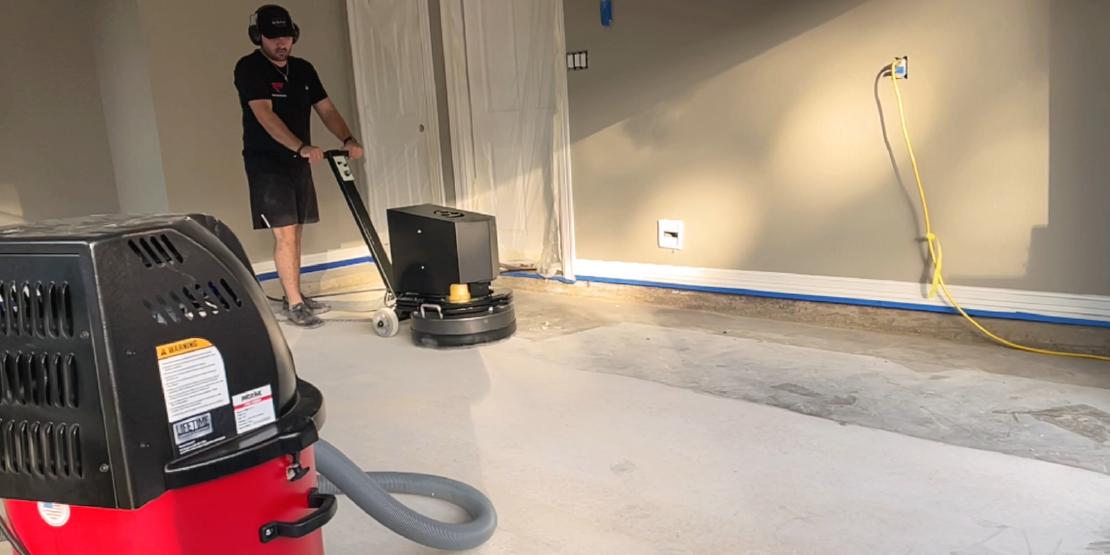
Achieving optimum performance from industrial coatings requires a careful approach in their application. Preparation is a key step that involves cleaning the surface to be coated to remove any dirt, rust or old paint. Use of abrasive blasting or chemical pre-treatments can effectively clear up the surface, ensuring better adhesion of the coating. The temperature of the room should also be checked as it can impact the curing process, hence influencing the performance of the coating.
After the surface is prepared, the next important step is application. There are a variety of methods one can use to apply industrial coatings, ranging from brushing and rolling to spraying. The choice of method should depend upon factors like the type of coating, desired finish, and the scale of the project. Always ensure that the application is even and consistent because uneven coating can lead to bubbles or pinholes, compromising the protective properties of the coating. Lastly, the curing time indicated by the manufacturer should be strictly followed for optimum performance.
Maintaining Industrial Coatings for Longevity and Efficiency
Industrial coatings offer myriad benefits to various industries, but their efficiency and longevity largely depend on proper maintenance. Keeping coated surfaces clean, inspecting them for wear and tear, and timely re-application of coatings when necessary, are paramount factors in this regard. Protective coatings often have to withstand harsh environments, heavy machinery use or constant human touch. Consequently, it’s normal for them to experience some sort of degradation over time. However, with consistent and effective maintenance protocols, these coatings can provide long-lasting protection, avoiding costly repairs and replacements.
More than just protection, industrial coatings can also enhance the aesthetics of the surfaces they are applied to. Preserving such aesthetics, however, goes hand in hand with ensuring the coatings’ functionality and lifespan. Integrating practices like frequent surface cleaning, taking care to avoid scratching or damaging the coating, and periodic inspections for signs of damage or failure in the coating system into routine maintenance schedules can exponentially enhance the longevity and efficiency of these coatings. Regular maintenance may seem time-consuming and financially draining in the short term, but in the long run, it considerably extends the life of industrial coatings and maximizes their effectiveness, adding tremendous value to any industrial operation.
Safety Measures While Handling Industrial Coatings
Industrial coatings can be dangerous if not handled correctly due to their chemical composition. It is critical for workers to familiarize themselves with the safety data sheets (SDS) for each coating, which provide vital information on potential hazards, handling, storage, and first-aid measures. Protective gear such as gloves, face masks, and safety glasses should be utilized to protect against acute exposure which can cause serious skin and eye irritation. Adequate ventilation is also highly recommended to avoid inhalation of harmful chemical vapours. Regular monitoring of air quality levels helps to ensure workers’ safety and health.
Emergency response procedures must also be in place to address potential accidents in the handling of industrial coatings. All workers should be trained on the proper disposal of waste materials, as some coatings contain substances that are harmful to the environment. Proper storage conditions also help to mitigate risks; flammable coatings, for example, should never be stored near ignition sources. Strict adherence to safety guidelines and continuous worker education reduces potential risks associated with industrial coatings, promoting a safe and healthy working environment.
Environmental Impact of Various Industrial Coatings
Industrial coatings play a crucial role in the manufacturing sector. They offer protection to substrates against a range of damaging influences including corrosion, abrasion, and chemical exposure. Yet, alongside their numerous benefits, the production and application of these coatings can carry significant environmental implications. Volatile organic compounds (VOCs), heavy metals, and hazardous air pollutants (HAPs) released during their manufacturing and application pose substantial threats to the environment. Managing these environmental risks involves stringent compliance with regulations aimed at minimizing the discharge of these harmful substances.
Recent developments in industrial coatings manufacturing are leaning towards the creation of more eco-friendly options. Waterborne coatings, high-solids coatings, powder coatings, and ultraviolet (UV) curable coatings are examples of these new generation industrial coatings that have a much lesser environmental footprint compared to their traditional counterparts. These coatings produce fewer toxic emissions, consume less energy in their production, and their byproducts are less harmful to the environment. Moreover, utterly discarding the use of harmful solvents in some cases greatly reduces their overall environmental impact. Consequently, adopting these new age coatings can lead industries towards more sustainable operations, mitigating their negative ecological effects.
Innovations and Advancements in Industrial Coating Technology
Industrial coating technology has experienced significant advancements over the years. The advent of nanotechnology, for instance, has revolutionized this field by enabling the development of ultra-resistant coating materials. These materials, when applied to industrial surfaces, can withstand extreme conditions such as high temperatures, abrasion, and corrosive chemicals. The remarkable properties of nano-based industrial coatings, such as self-healing and anti-corrosion attributes, have made them the choice for various industries like automotive, aviation, and marine applications among others.
Emerging technologies like AI and machine learning are also redefining the industrial coatings landscape. These technologies are increasingly being employed in the design and application of optimal coating systems, leading to significant improvements in coating process efficiency. The utilization of AI and machine learning has created opportunities to predict material behavior, automate application processes, and develop self-regulating coating systems. These advancements hold the promise of cost reduction, performance enhancement and the achievement of tailored properties in coatings, transforming the future of the industrial coating industry.
Case Studies: Successful Applications of Industrial Coatings
One such example that showcases the effectiveness of industrial coatings is the renovation of the Eiffel Tower in 2009. This iconic Parisian landmark received a coating application of over 60 tonnes of paint to protect its iron structure against the corrosive effects of weather. To ensure maximum performance and long-term protection, a high-durability, acrylic resin-based paint was used, exhibiting excellent adhesion, flexibility, and ultraviolet resistance.
In the energy sector, wind turbines extensively use industrial coatings to guard against hostile environmental conditions. One such instance is the application of a unique two-coat system on wind turbines in Northern Scotland. This system, comprising a zinc-rich primer and a high-build epoxy topcoat, provided robust protection against the severe wind, rain, and salt exposure. It also improved the maintenance cycle, reducing the overall cost and downtime. The success of this project highlighted the crucial role of industrial coatings in the demanding energy sector. The automotive industry is another sector where industrial coatings have shown immense success. A case in point is the application of a high-performance, waterborne coating system on a leading car manufacturer’s assembly line in Japan. This coating system not only enhanced the durability and aesthetic appeal of the vehicles but also significantly reduced VOC emissions, contributing to environmental sustainability.
• The Eiffel Tower renovation project used over 60 tonnes of acrylic resin-based paint for long-term protection against weather corrosion. • The paint exhibited excellent adhesion, flexibility, and ultraviolet resistance. • In Northern Scotland, wind turbines were coated with a two-coat system comprising a zinc-rich primer and high-build epoxy topcoat. • This unique coating provided robust protection against severe wind, rain, and salt exposure while improving maintenance cycle efficiency. • An automotive company in Japan successfully applied a high-performance waterborne coating system on its assembly line. • Apart from enhancing vehicle durability and aesthetics, this application also significantly reduced VOC emissions.
In marine applications too, industrial coatings have proven their mettle. For instance, an advanced silicone-hybrid foul release coating was applied to ships operating in harsh sea environments. This innovative solution effectively prevented biofouling without resorting to biocides or heavy metals that could harm marine life.
Moving onto aerospace applications; aircraft manufacturers often turn towards industrial coatings for protecting exterior surfaces from extreme temperatures and pressures at higher altitudes. One such successful application involved using polyurethane topcoats designed specifically for aerospace use - offering superior gloss retention even after prolonged exposure to sunlight.
• Ships operating in harsh sea environments utilized an advanced silicone-hybrid foul release coating to prevent biofouling without harming marine life. • Aircraft manufacturers employed polyurethane topcoats designed specifically for aerospace use – these offered excellent gloss retention despite prolonged sun exposure.
These case studies clearly demonstrate how various industries have leveraged the power of industrial coatings for asset preservation while ensuring operational efficiency and environmental sustainability.
Challenges and Solutions in Industrial Coating Applications
One prominent challenge in the domain of industrial coating applications revolves around adherence issues. Often, inconsistent surface preparation can lead to significant adhesion problems leading to premature peeling, blistering, or chipping of the coating. Poor adherence not only decreases the effective lifespan of the coat but also undermines its primary role - protection against corrosion, weathering, and chemical exposure. Other primary hurdles include environmental regulations, which often limit the choice of coatings due to volatile organic compound (VOC) emissions, and the need to balance cost-effectiveness with optimal performance and durability.
There exist viable solutions to navigate these obstacles. To address adherence issues, the industry employs stringent surface preparation techniques like sandblasting or acid etching, ensuring a clean, solid base for maximum coating adhesion. Investing in high-quality, specially formulated coatings can help attenuate the VOC emissions issue. Technological advancements have enabled the creation of high-performance, low-VOC industrial coatings that meet both environmental regulations and durability standards. The advent of nanotechnology and smart coatings offers exciting prospects in striking a balance between cost-effectiveness and performance efficiency. Ultimately, industrial coating applications progress alongside technological advancements, demonstrating a future filled with potential answers to the present challenges.
Future Trends in the Industrial Coating Industry
Moreover, innovations in nanotechnology hint at the potential for game-changing advancements in the realm of industrial coatings. The idea that microscopic particles could change the way we protect our infrastructure is both intriguing and exciting. Nano-coatings, utilizing incredibly small molecular components, could provide superior protection against corrosion, wear, and chemical attacks. These superior properties could drastically extend the life span of coated materials, leading to significant cost savings across various industries.
Another promising trend is the development of eco-friendly or ‘green’ industrial coatings. As global focus shifts towards sustainability and environmental conservation, the coating industry has been striving to produce durable, effective coatings with minimal impact on the environment. This involves replacing volatile organic compounds (VOCs) with non-hazardous substances, recycling used coatings, and implementing efficient production methods. With increasing regulatory pressures and growing public awareness, this trend is likely to pick up steam in the coming years.
What are the different types of industrial coatings used in the industry?
The article provides detailed information on the various types of protective coatings used in the industry. These include epoxy, polyurethane, acrylic, and zinc-rich primers, among others. Each has a specific application and benefits.
How do industrial coatings help in corrosion control?
Industrial coatings play a significant role in corrosion control. They provide a protective barrier that prevents the underlying material from coming into contact with corrosive elements, thereby preventing or significantly reducing corrosion.
What are the benefits of using durable coatings in industrial settings?
Durable coatings offer numerous benefits in industrial settings. They help increase the lifespan of the equipment, reduce maintenance costs, prevent corrosion, and enhance the appearance of the equipment.
What should one consider when selecting an industrial coating?
Several factors should be considered while selecting an industrial coating. These include the environment in which the equipment will be used, the type of material needing protection, the desired finish, and the coating’s durability and performance.
How should industrial coatings be applied for optimum performance?
The proper application of industrial coatings is crucial for their optimum performance. The surface should be thoroughly cleaned and prepared before the application. The coating should be applied evenly and in the right quantity, following the manufacturer’s instructions.
How can industrial coatings be maintained for longevity and efficiency?
Regular inspection and maintenance are essential for the longevity and efficiency of industrial coatings. This involves checking for signs of wear and tear, damage, or corrosion and performing necessary repairs or reapplications.
What safety measures should be taken while handling industrial coatings?
It’s important to wear protective clothing, use adequate ventilation, and follow the manufacturer’s safety instructions when handling industrial coatings. Some coatings may contain hazardous substances and need to be handled with care.
What is the environmental impact of various industrial coatings?
Different industrial coatings can have varying environmental impacts, depending on their composition. Some coatings may contain volatile organic compounds (VOCs), which can contribute to air pollution. However, many modern coatings are becoming more eco-friendly, with lower VOCs and other harmful substances.
What are some of the latest innovations and advancements in industrial coating technology?
The article discusses several innovative advancements in the field of industrial coatings, including the development of more eco-friendly options, coatings with improved durability and performance, and coatings tailored for specific applications.
Can you provide examples of successful applications of industrial coatings?
The article includes several case studies highlighting the successful applications of industrial coatings in various industries, demonstrating their practical benefits and impacts.
What are some future trends in the industrial coating industry?
Future trends in the industrial coating industry include the development of more environmentally friendly coatings, the use of advanced materials and technologies, and the increasing demand for coatings with improved performance and durability.