
How Do I Choose Between Epoxy, Polyurethane, and Polyaspartic Coatings?
Understanding Different Types of Floor Coatings
Floor coatings are specialized coverings applied to the surface of floors to enhance their decorative look, durability, non-slip safety, and ease of cleaning. It is crucial to grasp that various types of floor coatings exist, each tailored to meet different needs and services. These include, among others, epoxy, polyurethane, and polyaspartic coatings, all of which come with their unique features that make them suitable for certain applications.
Epoxy coatings are renowned for their superior resistance against abrasions, chemic damage and heat. They are ideal for industrial environments. On the other hand, polyurethane coatings are less vulnerable to UV radiation and provide an attractive high-gloss finish, suited for both indoor and outdoor use. Polyaspartic coatings, the latest innovation in the coating industry, boast quick curing times and remarkable durability, providing an excellent solution for those seeking immediate results. Thus, understanding these floor coatings is the first step towards making an informed choice in your next flooring project.
Delving into Epoxy Coatings
In the realm of floor coatings, epoxy serves as a tried-and-true standard, exhibiting widespread applicability and considerable versatility. Its chemistry traces back to two main components—resin and hardener—that, when combined, initiate a chemical reaction resulting a hardened, plastic-like substance. This resultant coating is impenetrable, durable, and aesthetically pleasing, making it a popular choice for both commercial and residential applications. Its range of color options and glossy finish further elevate its attractiveness for decorative uses.
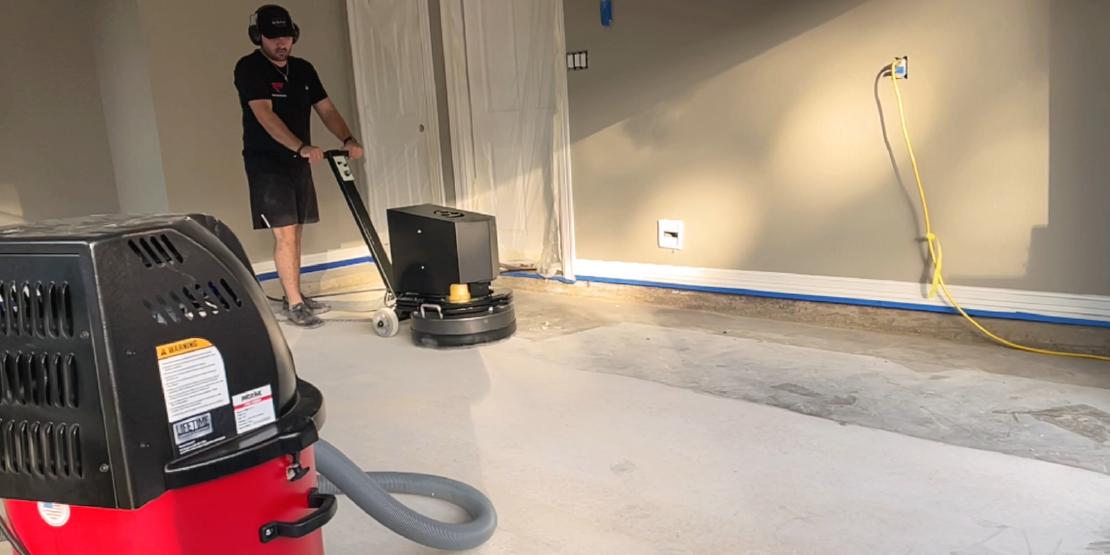
The application process of epoxy coating involves meticulous preparation of the underlying concrete floor for optimal adherence. It typically incorporates steps of mechanically grinding the floor before an initial layer, the primer, is laid. Subsequent layers contribute to the coat’s thickness and strength, with each layer’s cure time varying based on the specific composition of the epoxy. Despite its laborious application, the durability and longevity of an epoxy floor coating often justify the investment, given it is resistant to heavy foot traffic, chemical spills, and changes in temperature. With its blend of practical benefits and aesthetic versatility, epoxy has secured its place in the pantheon of reliable floor coatings.
Advantages of Using Epoxy Coatings
There are several benefits associated with the use of epoxy coatings. Foremost among them is their superior durability. Epoxy coatings are incredibly robust and resilient, able to endure heavy foot traffic, as well as the day-to-day wear and tear commercial facilities often face. Additionally, they’re known for their resistance to water and oil-based substances, reducing the chances of damage caused by spills or leaks.
Another significant advantage lies in their aesthetic appeal. Epoxy coatings offer a high-gloss finish that can considerably enhance the look of any floor. Along with this, it provides a seamless and easy-to-clean surface which is excellent for facilities that require a hygienic environment. Moreover, the versatility of color options gives an opportunity to create decorative patterns, logos, or floor markings that assist in work safety and navigation.
Potential Drawbacks of Epoxy Coatings
Despite the multitude of benefits associated with epoxy coatings, they also come with their own set of challenges. One significant downside is the length of time required for proper installation. The application process for epoxy flooring is meticulous and can take several days to a few weeks depending on the size of the floor and existing conditions. Being a thermosetting resin, it also necessitates precise temperature conditions during application to ensure a smooth, bubble-free surface. This restricts its versatility in terms of where and when it can be applied.
Another potential drawback lies in the epoxy coating’s sensitivity to UV light exposure. Continuous exposure can lead to yellowing or chalking over time, adversely affecting its aesthetic appeal. Moreover, epoxy coatings are prone to scratching, and although they’re incredibly hard and durable, sharp or heavy items can damage the surface. Lastly, the notion of a slippery surface is often associated with epoxy, especially when wet which can increase the likelihood of accidents, presenting a potential hazard in some environments.
An Insight into Polyurethane Coatings
Polyurethane coatings are recognized globally for their resilience and flexibility. Typically, they are applied as a topcoat over epoxy flooring. They serve as a protective shield, offering excellent resistance against spills, stains, and abrasion. Notably, polyurethane is incredibly UV stable, meaning it doesn’t yellow or fade when exposed to sunlight. Moreover, it adds a degree of aesthetic appeal to the floor because of its high-gloss finish, making it a popular choice for indoor and commercial spaces.
Their superior hardness comes from the chemical reaction that occurs during the curing process of the two components – the resin and the catalyst. Unlike epoxy coatings which are more rigid and can handle heavy loads, polyurethane coastings are more flexible and can withstand impacts better. They also deliver exceptional performance in high-traffic areas, and are capable of withstanding exposure to harsh chemicals and extreme temperatures. Notably, a well-applied polyurethane coat can last for several years, thereby providing a cost-effective flooring solution. Further, polyurethane coatings have a wide range of applications because of their versatility. They are used in industrial settings, commercial spaces, residential homes and even on aircrafts and ships. The unique properties of polyurethane make it suitable for various uses.
• Polyurethane coatings provide excellent resistance to wear and tear: These coatings can withstand heavy foot traffic without showing signs of damage. This makes them ideal for commercial spaces like shopping malls, restaurants or office buildings where the floor is subjected to constant use.
• UV stability: Unlike other types of coating materials that tend to fade or yellow over time when exposed to sunlight, polyurethane maintains its color and gloss. This feature enhances the longevity of outdoor surfaces such as playgrounds, sports courts or parking lots.
• Chemical resistance: Polyurethane coatings offer superior protection against spills from oils, acids and other harsh chemicals making them highly applicable in industries such as automotive manufacturing plants or chemical processing facilities.
• Temperature tolerance: These coatings can endure extreme temperatures ranging from very cold to very hot conditions without cracking or peeling off. This characteristic makes them suitable for use in environments with fluctuating temperature levels like warehouses or factories.
• Aesthetic appeal: Apart from offering functional benefits like durability and resistance against damages; these coatings also add an aesthetic value due to their high-gloss finish enhancing the overall look of the space they are applied on.
In conclusion, whether you need a durable flooring solution for your business premises that will stand up to daily wear-and-tear while maintaining its looks; a protective layer for your home’s garage floor that resists oil spills; or a resilient surface covering for an outdoor sports court - consider using polyurethane coating. It offers all these advantages at a cost-effective price point which provides long-term savings by reducing maintenance costs over time.
Benefits of Polyurethane Coatings
Delving into the realm of floor coatings, one essentially fruitful type to highlight is polyurethane. Known for its remarkable characteristics, it guarantees a myriad of advantages when employed in residential, industrial or commercial settings. Enhanced durability is perhaps the most substantial benefit. Polyurethane coatings are adept at withstanding everything from heavy foot traffic to extreme physical impacts, leading to an extended life span for floors. Another noteworthy point is that they are inherently resistant to a wide spectrum of harmful substances, including oils, chemicals, and solvents.
Moreover, just beyond the purely functional benefits, polyurethane coatings also add aesthetic value to a space. They infuse an elegant and glossy finish that gives a high-end outlook. They still retain this warm sheen even when subjected to harsh environmental conditions which makes them a great choice for areas requiring a crisp, clean appearance. Fading and staining are two common issues with floorings, yet by using polyurethane coatings, these worries largely wane away. In essence, polyurethane coatings promise not only robust and resistant flooring but also offer visually pleasing environments.
Potential Downside of Polyurethane Coatings
Despite the numerous benefits offered by polyurethane coatings, there are a few drawbacks that should be considered as well. An important aspect to note is the extensive curing time needed. This is of particular significance in industries where downtime can have a huge impact on productivity. Unlike epoxy or polyaspartic coatings, polyurethane can take several days to fully cure, resulting in a longer time-frame for project completion.
Another downside revolves around the sensitivity of polyurethane to humidity and temperature. The application process requires precise conditions to ensure the highest quality finish. Too much humidity, or too high or low temperatures, can cause the coating to bubble or peel. Such issues could result in an increased cost for repair or reapplication, adding an extra overhead to the project budget. Therefore, careful consideration of the environment and conditions for installation becomes essential when opting for polyurethane coatings.
Exploring Polyaspartic Coatings
Polyaspartic coatings represent a relatively modern development in the realm of floor coatings technology. Originally developed in the 1990s, these coatings are designed for rapid curing and are appropriate for applications where minimal downtime is critical. Polyaspartic coatings are a type of polyurea, a subgroup of polyurethane. Like other polyurea, they consist of a two-part component that are mixed together at the site of application, triggering a swift chemical reaction that forms a hard, clear-plastic like finish.
The attributes of polyaspartic coatings make them an attractive option for variety of settings. They are highly resistant to abrasion, scratches, and impact damage, which makes them an optimum choice for commercial spaces with high traffic, such as retail stores, hospitals, or industrial moments. Furthermore, polyaspartic coatings resist damage from chemicals, including harsh detergents, oils, and solutions commonly used in the automotive industry. Despite their toughness, these coatings remain flexible and can withstand shifts in temperature or subtle movement in the floor underneath.
Pros of Polyaspartic Coatings
Polyaspartic coatings are known for their swift cure times, enabling flooring tasks to be accomplished efficiently and reducing business downtime. With cure periods as brief as an hour or two, operations can be resumed on the same day that the floor is installed, leading to significant time savings. Cure times are an essential factor to consider, particularly for businesses that require minimal disruption of their operations.
Resistance to extreme temperatures is another salient advantage of polyaspartic floor coatings. This feature makes them an excellent choice for both cold storage facilities and scorching hot locations. The protective layer formed by polyaspartic coatings is durable, resistant to wear and tear, and offers excellent UV protection. This UV tolerance reduces the risk of fading, yellowing, or discoloration under intense sunlight, maintaining the aesthetic appeal of the floor over time.
Cons of Polyaspartic Coatings
While Polyaspartic coatings offer numerous benefits, they also come with certain drawbacks that users need to contemplate. One downside is the cost of application. Polyaspartic coatings are generally pricier than alternative coatings because of their superior durability, faster curing time, and increased compatibility with several surfaces. They’re considered a premium product, and their market price is reflective of this. The cost might well be worth it, however, considering their longevity and performance.
Another pitfall of Polyaspartic coatings is their sensitivity to temperature and humidity during the installation process. If the temperature is too low or the humidity is too high, the coating may not achieve the desired finish or could potentially fail to cure properly. This complication necessitates a knowledgeable and experienced professional for installation. Also, once the Polyaspartic coating dries, it’s comparatively difficult to remove or repair, making error correction costly and time-consuming.
Factors to Consider When Selecting a Coating
When choosing the type of floor coating, various factors underpin the ultimate decision. Crucial amongst these is the floor’s use; a garage floor bears mechanical stress and will require a different coating compared to a residential kitchen floor, which primarily experiences foot traffic. This makes durability a point of consideration. The coating’s resistance to abrasion, impacts, and chemical spills are of equal importance, particularly in industrial settings.
Cost-effectiveness also plays a role in the selection process, with a detailed analysis between the initial cost outlay and the coating’s lifespan being required. The application time and curing period, alongside environmental conditions such as humidity levels and temperature, may also impact coating choices. Finally, aesthetic aspects such as color and finish type are considerations, especially in residential and commercial spaces where the look is vital.
Comparing Epoxy, Polyurethane, and Polyaspartic Coatings
Epoxy, polyurethane, and polyaspartic coatings each offer unique benefits and drawbacks worth considering when planning a flooring project. Epoxy coatings, for instance, are known for their durability and resistance to chemicals – making them a popular choice for industrial settings. They are budget-friendly but require a curing period which can limit use after installation. Polyurethane coatings provide excellent resistance to UV radiation, maintaining their color and finish over time. However, they may not be as resilient against high-impact activity as epoxy coatings.
Polyaspartic coatings can be a viable option for floor spaces that demand speedy installation. The quick curing time is a standout feature, unlike epoxy and polyurethane which may require a longer curing duration. Resilience to chemicals and abrasions are other notable benefits of polyaspartic coatings. However, sensitivity to temperature and humidity during installation can be a disadvantage compared to epoxy and polyurethane. So, the choice comes down to assessing individual project requirements and conditions.
Making Your Final Decision: Which Coating is Right for You?
When it comes to selecting the suitable floor coating for your needs, various factors need to be considered. These include the kind of traffic the floor will undergo, maintenance requirements, aesthetic preferences and budget constraints. Furthermore, consider the resilience, robustness, and durability required based on the area’s usage. Understanding the chemical properties of the coating will help you gauge its compatibility with your specific requirements. It’s not just about the appearance of the floor, but also about its functionality and longevity.
Epoxy, polyurethane, and polyaspartic coatings each have their own pros and cons to weigh. For example, epoxy coatings are known for their superior bonding abilities and resistance to chemicals. Polyurethane coatings boast excellent durability and UV resistance, making them suitable for outdoor applications. Meanwhile, Polyaspartic coatings are lauded for their fast curing times and high abrasion resistance. However, they might have issues with yellowing over time and might not be as cost-effective initially as the other options. Therefore, your decision should be a well-thought-out blend of your practical needs and aesthetic desires. Your chosen coating should meet your long-term expectations, all within your budget.
What are the different types of floor coatings?
There are various types of floor coatings, including epoxy, polyurethane, and polyaspartic coatings. Each has its unique characteristics that make it suitable for certain situations and environments.
Can you provide some details about epoxy coatings?
Epoxy coatings are commonly used due to their high strength and durability. They are also resistant to many chemicals, making them ideal for industrial and commercial settings.
What are the advantages of using epoxy coatings?
Epoxy coatings are known for their long-lasting durability, resistance to chemical spills, and ability to withstand heavy traffic. They are also easy to clean and maintain.
What could be some potential drawbacks of epoxy coatings?
While epoxy coatings offer many benefits, they can be slippery when wet, may yellow over time if exposed to sunlight, and the application process can be time-consuming and require professional assistance.
What are polyurethane coatings?
Polyurethane coatings are another type of floor coating that is known for its high resistance to impacts, abrasions, and chemical spills. They also offer excellent UV stability.
What are the benefits of polyurethane coatings?
Polyurethane coatings are tough and durable, offering excellent resistance to impacts and abrasions. They also provide superior UV stability, making them suitable for outdoor applications.
Are there any downsides to polyurethane coatings?
While polyurethane coatings are highly durable, they can be more expensive than other options and may require longer drying times. Additionally, they may not adhere well to certain surfaces.
What are polyaspartic coatings?
Polyaspartic coatings are a type of polyurea that is known for its fast curing times and ability to be applied in a wide range of temperatures.
What are the pros of polyaspartic coatings?
Polyaspartic coatings offer quick curing times, can be applied in a wide range of temperatures, and provide a high gloss finish. They also offer excellent UV stability and high chemical resistance.
What are the cons of polyaspartic coatings?
Despite their benefits, polyaspartic coatings can be more costly and may require professional installation. Their fast curing times can also make them more challenging to apply correctly.
What factors should I consider when selecting a coating?
When selecting a coating, consider factors like the environment it will be used in, the amount of traffic it will need to withstand, your budget, and the desired aesthetics.
How do epoxy, polyurethane, and polyaspartic coatings compare?
All three types of coatings offer excellent durability and chemical resistance. However, polyurethane and polyaspartic coatings offer better UV stability, while epoxy is typically the most affordable option. Polyaspartic coatings also cure faster than the other two types.
How should I make my final decision on which coating is right for me?
Your final decision should be based on your specific needs, including the environment in which the coating will be used, your budget, and the characteristics you value most in a coating, such as durability, UV resistance, or quick curing times.