
How Do I Choose the Right Floor Coating for My Needs?
Understanding the Different Types of Floor Coatings
Floor coatings encompass a broad spectrum of materials such as epoxies, acrylics, polyurethanes, and polyaspartics. Each type caters to different needs and functional applications. Epoxies are known for their tough, long-lasting properties that resist heavy traffic and harsh elements, while acrylics provide excellent gloss retention and color stability. Polyurethanes, on the other hand, offer superior resistance to abrasion and chemicals, making them perfect for factories, garages, and warehouses. For quick curing times and high durability, polyaspartics are a suitable option.
Delving into their particular features, we find the following: Epoxies provide a hard, smooth surface which is easy to clean and maintain. They also come in a variety of colors and can include decorative chips or quartz for an aesthetically pleasing effect. Acrylic coatings are UV stable and prevent yellowing over time. They dry quickly, proving useful for projects with tight timelines. With polyurethanes, the floor surface becomes more resistant to scratches and solvents so it’s ideal for industries that handle chemicals. Last but not least, polyaspartics resist UV light, chemicals and abrasion, but the real draw is their speedy installation - the floors can be ready for use only a few hours after application.
Significance of the Room’s Usage in Selection
When deciding on a suitable floor coating, understanding the intended use of the room plays a crucial role. Different rooms in a household or a commercial establishment typically have varying levels of foot traffic, exposure to moisture, light, or heat, and other usage-related factors. A high-traffic area such as a lobby or a hallway would benefit from a highly durable coating, while a less frequented room may not require such durability, allowing for more aesthetic-focused choices.
Equally crucial considerations include the risk of spills and the need for chemical resistance, especially in rooms such as kitchens or industrial workspaces. Similarly, bathroom floors would necessitate a coating that is resistant to continuous moisture exposure. Moreover, in spaces like gyms or children’s playrooms, the focus may shift towards coatings with superior slip resistance. As such, the room’s usage significantly influences the specific requirements for a floor coating, thereby guiding the selection process.
Assessing Your Budget for Floor Coating
One of the crucial steps in choosing a floor coating is assessing your budget. The costs of floor coatings are variable, depending on multiple factors, including material, durability, aesthetics, and installation process. Some coatings like epoxy and polyurea are relatively inexpensive, while others such as terrazzo and polished concrete can put a dent in your pocket. It’s crucial to understand that investing in high-quality floor coatings can save you from more costly repairs and maintenance down the line.
Consider all aspects of floor coating expenses in your budget; this includes not only the upfront costs but also long-term maintenance. Some materials may require frequent reapplication, refinishing or professional cleaning which come at an added cost. Similarly, eco-friendly or specialty coatings may come with a higher price tag but can potentially reduce your environmental impact and cater to specific safety needs. Balancing your long term needs with your financial capability can guide you to a floor coating solution that is both practical and economical.
Importance of Durability in Floor Coatings
When exploring available floor coating options, durability emerges as a central consideration. Certain spaces, particularly high-traffic areas such as commercial buildings and industrial spaces, demand coatings that can withstand a substantial amount of wear and tear. Over time, floors may undergo many challenges: weight pressure, friction from furniture movement, surface abrasion from foot traffic, potential chemical spills, and even environmental stressors like fluctuating temperatures and humidity. Resilient and hard-wearing coatings, such as epoxy or polyurethane, hold up better in these conditions and promise longer service life.
Another aspect that underscores the importance of durability in floor coatings is cost-effectiveness. Investing in a durable coating may require a larger initial outlay, but it often returns its value in the reduced frequency of floor replacements or repairs. The lifespan of less durable coatings compromises their cost-efficiency. They may be cheaper to install, but frequent recoating costs can accumulate into a more significant financial burden over time. Therefore, when budgeting for floor installations or renovations, durability should hold a high place in decision-making considerations.
Aesthetic Considerations for Floor Coatings
The visual appeal of a floor coating can greatly impact the overall ambiance of a room, playing a significant role in conveying its purpose and character. Floor coatings are available in a wide array of colors, textures, patterns and finishes. Each option has the potential to contribute to the room’s aesthetic in different ways, enriching its interior design and enhancing its feel. Aesthetic considerations are thus crucial in the decision-making process.
For instance, high-gloss finishes are usually linked to a more sophisticated, clean and modern aesthetic. Matte finishes, on the other hand, lend a more rustic, warm and homely appeal. However, the preferred aesthetic appeal generally depends on personal style, desired ambiance and the functional usage of the space. Regardless of the choice, the floor coating should be congruent with the furnishings, wall colors, and other elements of the room’s décor, acting as a unifying component within the design scheme.
Maintenance Requirements of Different Floor Coatings
Each floor coating carries its own unique set of maintenance requirements. For instance, the elegant and superior finish of epoxy floorings require regular cleaning and occasional waxing to maintain its glossy look. In contrast, polyurethane coatings, known for their high resistance to chemicals and abrasion, usually require less frequent care. The occasional dusting and mopping work well to keep the coating’s initial luster.
To illustrate further, consider the minimal upkeep required for concrete coatings, which simply need regular sweeping and occasional deep-cleaning. In stark contrast, acrylic coatings call for a careful routine that includes buffing and resealing to prevent yellowing and to keep up their shine. Acquainting oneself fully with the care obligations of each type of floor coating is thus extremely crucial before making a final decision.
Environmental Impact of Various Floor Coatings
Sustainable choices are now a significant factor when selecting floor coatings. For those conscious of their impact on the environment, it becomes essential to consider the environmental footprint of these coatings. Remarkably, certain materials, such as epoxy, polyurethane, and polyaspartic coatings, are more environmentally friendly. These coatings enable energy conservation, boast high durability, and have a low Volatile Organic Compound (VOC) content.
However, not all floor coatings are eco-friendly. It’s worthwhile noting that the manufacturing process for some materials can contribute to environmental pollution. Additionally, some coatings like solvent-based ones have higher VOC levels, posing a danger to indoor air quality and contributing to air pollution. Hence, it is crucial for homeowners, builders, and other industry professionals to be well-informed before making a final decision on floor coatings.
Safety Factors to Consider for Floor Coatings
When choosing a floor coating, one cannot overlook the degree of safety it provides. These materials are meant to resist wear and tear, and they should also help reduce accidents. Thus, you should choose a floor coating with a high coefficient of friction, or in other words, one that is slip-resistant. Particularly in workspaces or areas with heavy traffic, slip-resistant* floor coating can be a key factor in preventing accidents and ensuring safety.
Another crucial safety factor involves the contents of the floor coatings. It’s essential to select coatings that are low in volatile organic compounds (VOCs). Coatings should not only be safe to walk on but also safe to breathe. High levels of VOCs can lead to health issues such as eye irritation, allergies, and in severe cases, even damage to the liver or central nervous system. Therefore, it is ideal to choose low VOC floor coatings when prioritizing safety.
Longevity and Lifespan of Different Coatings
When considering a floor coating, one of the most vital concerns should undeniably be the longevity and lifespan of the product. The time frame a coating is designed to last greatly influences the ultimate decision, given that a longer lifespan generally means less frequent replacements and therefore reduced long-term expenses. This factor can majorly affect the running costs, especially for large commercial and industrial properties. Various factors such as surface traffic, wear and tear, quality of the floor coating and the external environment can influence the durability and, thus, the expected lifespan.
Different coatings offer differing lifespans. For instance, epoxy coatings are renowned for their durability, with a typical lifespan of between 5 and 10 years depending on usage. Polyurethane coatings, while having similar durability characteristics, tend to be more flexible and thus are expected to last slightly longer. On the other hand, acrylic coatings, although affordable, typically have a shorter lifespan, usually around three years. These estimated lifespans are based on routine maintenance checks and proper care, which every floor coating requires to some extent. Differentiating performance attributes can provide an insight into selecting the most suitable floor coating based on the expected longevity and lifespan according to specific needs.
Selecting a Floor Coating Based on Installation Process
The selection process for a floor coating is not only dependent on the desired finish or durabilty, it is also intrinscially linked to the installation method. Ease of application, time required, and technical workflow all play vital roles in this critical choice. Some coating types, like epoxy, demand a complex, multi-step application that could necessitate professional involvement, while others, such as polyurea, offer a simpler, faster process suitable for DIY enthusiasts.
Moreover, consideration must be given to the existing floor condition. If the surface shows signs of significant damage, a more extensive preparatory work might be required prior to coating application. This would entail additional costs and extended downtime, lending more weightage to the selection of a floor coating. Hence, understanding the different installation processes is paramount for making an informed decision, balancing both aesthetic appeal and practicality. Here are some key points to consider when selecting a floor coating based on the installation process:
• The choice of coating type is crucial. For instance, epoxy coatings demand a complex multi-step application process which might necessitate professional involvement. On the other hand, polyurea coatings offer a simpler and faster installation process that could be handled by DIY enthusiasts.
• Consideration should also be given to the existing condition of your floor. If it shows signs of significant damage, more extensive preparatory work may be required before applying the chosen coating. This would mean additional costs and extended downtime.
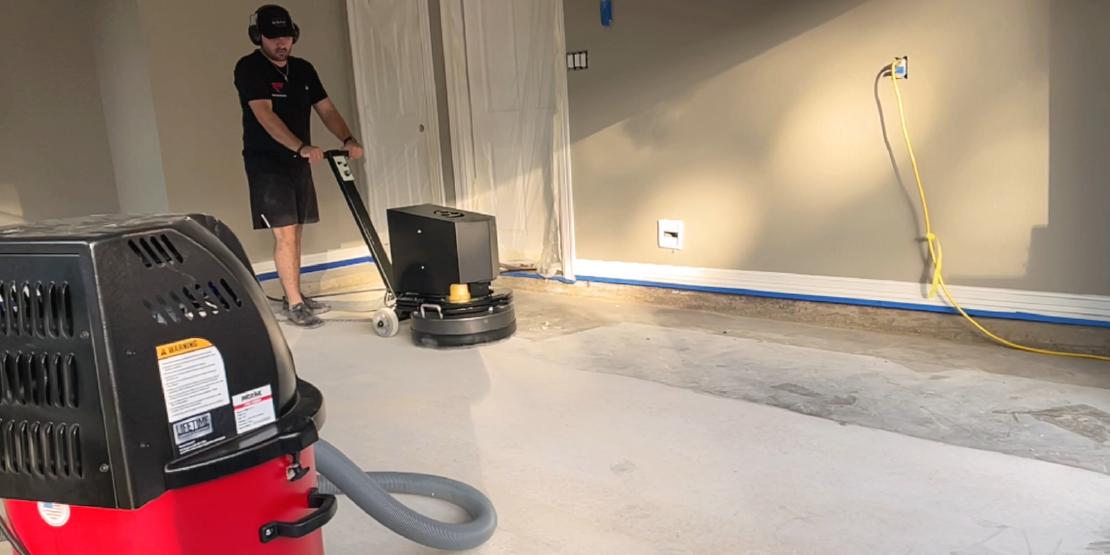
• It’s important to understand that different types of coatings require different preparation processes for optimal results. Some might need thorough cleaning or sanding while others may require concrete grinding for proper adhesion.
• The time required for application and drying should not be overlooked either. While some coatings dry within hours, others might take days or even weeks to fully cure depending on weather conditions and ventilation availability in your space.
• Lastly, always keep in mind the technical workflow involved in applying a specific type of floor coating - from surface preparation through application to final finishing touches. This includes understanding what tools you’ll need for each step as well as safety precautions necessary during handling and application.
In conclusion, choosing an appropriate floor coating involves careful consideration not just about its finish or durability but also how it will fit into your project timeline and budget constraints due to its installation requirements.
Advantages and Disadvantages of Popular Floor Coatings
Epoxy coatings have several advantages. This popular choice is known for its exceptionally smooth and durable surface, which can last many years with the proper upkeep. Epoxy can resist chemicals, chipping, and surface damage, making it particularly appealing for heavy-duty environments. Moreover, epoxy comes in a variety of colors and finishes, thereby enhancing the aesthetic appeal of the floor.
On the other hand, epoxy also has its set of limitations. The application process is labor-intensive and requires a clean and well-prepared area for successful installation. It may not bond well on surfaces where moisture is an issue. Epoxy also tends to discolor over time, particularly under exposure to direct sunlight. Lastly, if not maintained properly, outgrowths such as mold or mildew can appear on the surface, requiring additional cleaning and maintenance efforts.
Navigating Professional Recommendations for Floor Coatings
When planning a floor coating project, professional advice can be instrumental. Expert opinions can help identify the suitable type of coating based on factors such as room usage, budget, durability, aesthetic preferences, maintenance requirements, environmental impact, safety, installation process, and the expected lifespan. Professionals in the field possess a deep understanding of the various types of floor coatings and their specific advantages and disadvantages. This knowledge is crucial in generating comprehensive, realistic, and highly valuable recommendations.
While it is important to listen to professional advice, conducting personal research is equally crucial. Home or business owners should strive to gain a general understanding of floor coatings, its different types and their properties. Professional recommendations act as guides, helping to refine, validate or contrast one’s findings from personal research. With a well-informed perspective, better decisions can be made regarding the choice of floor coating that best matches the specific requirements.
Making the Final Decision: Your Perfect Floor Coating
Choosing the perfect floor coating is a culmination of several essential factors, each with their weight depending on the user’s personal needs and preferences. From the get-go, it is paramount to understand the room’s purpose. This knowledge helps pinpoint the perfect type of coating, taking into consideration the expected traffic and activities in the space. Cost is another critical consideration as it directly impacts the project’s feasibility and the quality of the product used. It is, therefore, important to have a clearly defined budget that doesn’t compromise on the quality of the floor coating.
While determining the type of coating, aesthetics should not be overlooked. An eye-catching floor makes a huge difference to the room’s overall look and feel. The durability of the coating is another major factor that directly correlates with the lifespan and performance in the long run. Maintenance requirements should be clearly understood so as to ensure sustainability and longevity are workable within one’s lifestyle. Finally, one of the most important issues in the modern world is environmental impact. Ensuring that the selected coating aligns with environmental conservation efforts contributes to the sustainability of our planet. Safety should also be prioritized, considering factors such as slip resistance and allergy concerns.
What are the different types of floor coatings?
There are various types of floor coatings including epoxy, polyurethane, ceramic, acrylic, and oil-based coatings. Each has its own set of properties that makes it suitable for specific applications.
How does the room’s usage affect the choice of floor coating?
The usage of the room greatly influences the type of floor coating to be used. For instance, rooms that experience heavy traffic or are exposed to chemicals may require more durable coatings like epoxy.
How does my budget factor into the selection process?
Different coating materials come with different costs. It’s important to consider your budget as it can limit your options. However, you should also factor in the long-term maintenance cost of the coating.
How important is durability in floor coatings?
Durability is crucial in floor coatings as it determines how well the coating will hold up under different conditions. More durable coatings can withstand wear and tear better, thus offering more value in the long run.
How does the appearance of the coating affect selection?
Aesthetic considerations are also important. The coating should not just serve a functional purpose but should also enhance the overall look of the room.
What maintenance requirements should I be aware of?
Different coatings have different maintenance requirements. These can range from regular cleaning to periodic re-coating. Understanding these requirements helps in making an informed decision.
How do floor coatings impact the environment?
Some floor coatings have a higher environmental impact due to the substances used in their production and their disposal process. It’s important to consider this when choosing a coating.
What safety factors should I consider?
Safety factors include the coating’s resistance to slip, fire, and chemical reactions. These should align with the safety requirements of the room.
What is the typical lifespan of floor coatings?
The lifespan of floor coatings varies greatly depending on the type of coating, its usage, and how well it is maintained. Some coatings can last for decades with proper maintenance.
How does the installation process affect my choice of coating?
Some coatings require a longer and more complex installation process. If you need a quick solution, you might want to opt for coatings that are easier and faster to install.
What are the pros and cons of popular floor coatings?
The advantages and disadvantages vary by coating type. For example, epoxy coatings are durable and resistant but may be more expensive and difficult to install.
How can a professional help in selecting a floor coating?
A professional can provide valuable advice based on their expertise and experience. They can help you assess your needs, consider various factors, and make a well-informed decision.
How do I choose the perfect floor coating?
To choose the perfect floor coating, you need to consider a range of factors including your budget, the room’s usage, maintenance requirements, environmental impact, safety factors, the coating’s lifespan and installation process, and professional recommendations.