
How Do I Maintain My Coated Floor?
Understanding Coated Floor Maintenance
Coated floors offer a blend of aesthetics and durability, making them a popular choice in both domestic and commercial spaces. This type of flooring undergoes a special finishing process involving the application of a protective layer that improves its resistance against wear and tear. However, despite their robust nature, maintaining these floors involves more than just sporadic cleaning; understanding the specific care requirements ensures their longevity and retains their attractive appeal.
Regular cleaning is a crucial part of maintaining coated floors. Any buildup of dust or debris can potentially scratch the surface, diminishing the coat’s protective ability. Furthermore, using suitable cleaning products, specially formulated for coated surfaces, prevents harm to the integrity of the floor. This also helps to enhance the floor’s shine and gloss, contributing to its overall visual appeal. Yet, it’s important to remember that maintenance extends beyond cleaning routines – even factors like climate, humidity, furniture movement, and the use of floor mats play significant roles. Each of these aspects, when addressed correctly, aids in preserving the longevity and beauty of your coated floors.
The Importance of Regular Cleaning
Cleaning is a crucial aspect of maintaining any type of coated flooring. Accumulated dirt and grit can cause significant damage, acting like sandpaper that slowly scrapes away the coating’s protective finish over time. Regularly sweeping or vacuuming helps in removing these damaging particles, thereby prolonging the floor’s lifespan and maintaining its aesthetic appeal.
Apart from preventing physical damage, regular cleaning also plays a vital role in preserving the floor’s shine and gloss. Spills and stains, if not promptly addressed, can lead to dull and discoloured spots that can mar the overall appearance of the floor. Regular cleaning, thus, not only ensures the longevity of the floor but also enhances its visual impact. Regular cleaning contributes to the floor’s overall aesthetic, providing a clean and fresh appearance that enhances any space.
Selecting Suitable Cleaning Products for Coated Floors
Making the right choice of cleaning products significantly contributes to the durability and aesthetic appeal of coated floors. The market is inundated with countless options but understanding the needs of your floor coating is critical for healthy maintenance. Products packed with harsh chemicals may offer quick cleaning but they certainly promise long-term damage. Abrasive ingredients degrade the glossy surface and may eventually lead to discoloration. Therefore, it’s exceptionally crucial to choose cleaning solutions that are mild yet effective.
To ensure an appropriate choice, owners should understand the compatibility of cleaning agents with their floor coatings. Some substances may react adversely with specific coatings, causing them to peel or lose shine over time. Manufacturers often provide guidelines regarding compatible cleaning solutions for their specific coatings. Therefore, when shopping for cleaning products, it’s wise to prioritize those recommended by the coating manufacturer. In general, pH-neutral and biodegradable cleaning solutions are considered safe for most coated floors. Remember, prudent selection of cleaning products can play an instrumental role in sustaining the integrity of your coated floors.
The Process of Dusting and Sweeping Coated Floors
To maintain the appearance and longevity of coated floors, dusting forms an integral part of the routine cleaning process. Dust and grit are natural abrasives which, if allowed to accumulate, can wear down the protective coating on the floor over time. Regular dusting helps to eliminate this abrasive debris and prevents any potential damage to the floor surface.
Sweeping is a subsequent step that effectively picks up larger debris particles that dusting may have missed. The use of a soft-bristled broom is advised as it delicately loosens dust or dirt trapped in the crevices, without risking any scratches to the coating. It’s crucial to sweep the entire surface systematically to ensure a thorough cleaning. Once the initial dusting and sweeping are done, the floor is then ready for more in-depth cleaning practices.
Deep Cleaning Techniques for Coated Surfaces
When it comes to securing the longevity and appearance of your coated floors, nothing serves better than regular, coordinated deep cleanings. There are numerous techniques designed to penetrate and eliminate the dirt and grime that often become embedded in a floor’s coated surface over time. These methods are typically more rigorous than a conventional mop or sweep, with the objective to reach the floor’s deepest crevices and restore the underlying shine.
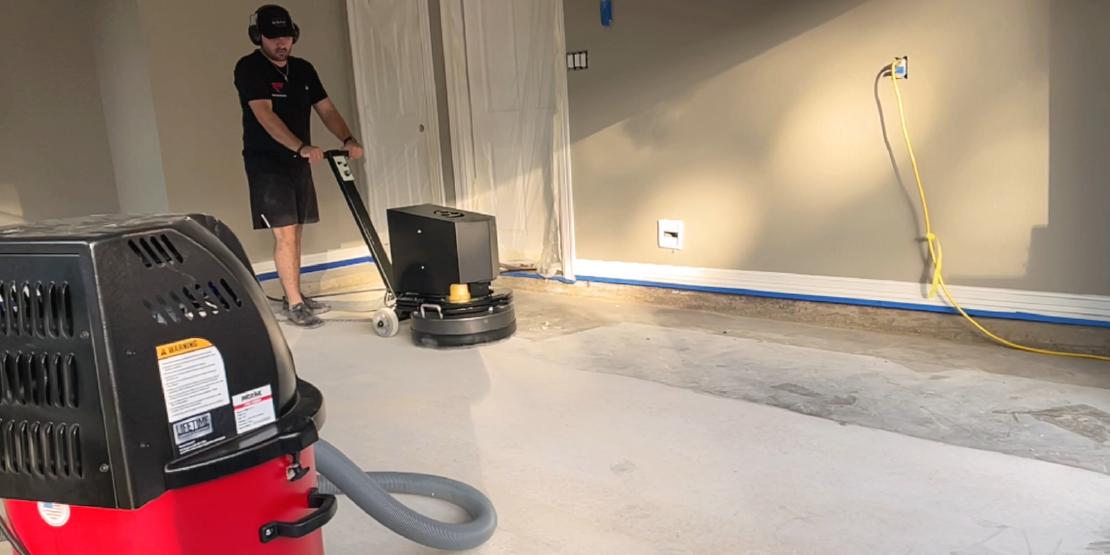
Among the recommended techniques, steam cleaning stands out as a safe and effective method. It employs hot steam to loosen stubborn dirt, which can then be easily wiped away, leaving the surface sparkling clean. Abrasive cleaning, on the other hand, involves the use of machinery to scrub away dirt and old polish. This method, though highly effective, should be undertaken with caution to avoid damaging the floor’s coating. Both methods should be carried out at regular intervals or when the floor’s appearance suggests a need.
Preventing Damage: Do’s and Don’ts for Coated Floors
Maintaining the integrity and appearance of coated floors requires careful adherence to certain practices, or ‘do’s, while deliberately avoiding measures that could potentially induce damage, referred to as the ‘don’ts’. To begin with, it’s important to use protective pads under heavy furniture to evenly distribute weight, preclude direct pressure, and prevent dents and scratches. Using rubber wheels on movable furniture also prevents unnecessary scrapes and friction against the floor.
However, it’s equally crucial to understand practices that should be avoided. Never slide or drag furniture across the surface, as this is known to damage the protective coating. Additionally, refrain from using abrasive cleaning tools or harsh chemicals that can corrode the coating and cause permanent discoloration. Vacuum cleaners with beater bars can also inflict damage; instead, opt for soft brooms or dust mops for routine cleaning. Following these guidelines will maintain the resilience and longevity of your coated flooring.
Addressing Stains and Spills on Coated Floors
When it comes to coated floors, a quick response is key in managing accidental spills and unexpected stains. The damage potential is significantly lessened when liquids or staining substances are immediately cleaned up. A spilled liquid left unattended can seep into the coating, leading to discoloration and weakening of the floor material. Regardless of the type of coating, whether polyurethane, epoxy, or acrylic, swift action in dealing with spills helps maintain the flooring’s integrity.
The proper technique for addressing stains on coated floors largely depends on the nature of the stain. Water-based marks may require a different approach compared to oil-based stains. For water-based stains, blotting the area with a clean cloth followed by mild mopping usually suffices. On the other hand, oil-based stains might need a specific cleaning solution designed for removing greasy residue. It is always imperative to consult the coating manufacturer’s guidelines when selecting cleaning products to ensure that the surface isn’t unintentionally damaged.
The Role of Floor Mats in Protecting Coated Floors
Floor mats play a critical role in prolonging the lifespan of coated floors. They serve as the first line of defense, aiding in trapping dust, grit, and moisture that gets carried in on shoes. This significant function not only maintains the cleanliness of the floors but also helps prevent scratching and erosion of the surface. The presence of these dirt particles can degrade the coating over time, leading to premature wear and a dull appearance.
Ensuring that floor mats are strategically placed in high-traffic areas such as entrances and exits can drastically reduce the amount of debris reaching the floor. Depending on the type of floor coating used, selecting mats with non-slip backing can add an extra layer of protection, preventing possible damage from scratches caused by the movement of the mats. In this regard, floor mats serve not just as decorative elements, but as indispensable tools in the protection and preservation of coated floors.
Recoating Your Floor: When and Why It’s Necessary
Floor maintenance goes beyond simple dusting, moping or intensive cleaning; sometimes, it necessitates a process known as recoating. The process of recoating involves applying a new layer of coating material to your floor, which serves to restore its original shine and gloss while reinforcing its durability. This is especially beneficial for coated floors that have lost their lustre and incurred wear and tear over repeated use, heavy foot-traffic, or due to extensive damage from spills and stains.
Certain indicators highlight the necessity for a recoating job. These can include visible scratches, discoloration, dull patches on the floor, or an overall fading of high-gloss finish. Moreover, depending on the type and usage of the floor, professionals typically suggest recoating every 2-6 years for residential settings and annually for commercial spaces with high foot-traffic. Ignoring these signs and timelines can lead to an irreversible deterioration of the coating, warranting an extensive and expensive floor replacement. The upcoming sections will provide a more detailed timeline and protocol for recoating different types of coated floors. • Recoating Hardwood Floors: If your hardwood floor has lost its shine or shows signs of wear and tear, it’s time for a recoat. A typical hardwood floor should be recoated every 3-5 years, depending on the usage and traffic. This timeline can extend to about 7 years if the floor is in an area with minimal foot traffic.
• Recoating Vinyl Floors: Unlike hardwood floors, vinyl floors don’t require frequent recoating as they are more resistant to scratches and stains. However, over time they may lose their glossiness due to repeated cleaning or exposure to sunlight. Professionals recommend recoating vinyl floors every 5-10 years.
• Recoating Concrete Floors: Concrete floors need regular maintenance due to their porous nature that makes them susceptible to staining from spills and other contaminants. Ideally, concrete floors should be resealed or coated every 2-3 years.
• Recoating Tile & Grout Floors: Tiles usually maintain their lustre for a long period but grout lines often become discoloured over time requiring professional cleaning followed by sealing or coating application which needs renewal after approximately 4-6 years.
Why It’s Necessary:
◦ Restores Shine & Gloss: Over time, even well-maintained floors tend to lose their original shine due to daily wear and tear; this can be restored through recoating.
◦ Enhances Durability: Regularly applying a fresh layer of coat helps reinforce the durability of your flooring material against scratches, dings, stains etc., thus extending its lifespan.
◦ Cost-effective Maintenance Solution: Compared with full-scale replacement of damaged flooring which could prove expensive; timely recoats provide an affordable solution while maintaining aesthetics.
◦ Prevents Extensive Damage: Ignoring signs like visible scratches or dull patches could lead towards irreversible damage; hence early intervention via recoats can prevent such scenarios thereby saving on potential costs down the line.
Professional Maintenance Services for Coated Floors
Hiring Professional Maintenance Services is an advantageous approach when dealing with the meticulous upkeep of coated floors. These companies harbor highly skilled technicians with detailed knowledge of different floor coatings and the precise care they need. Their expertise encompasses everything from daily maintenance practices to complex tasks such as addressing deep-seated stains and scratches. By engaging their services, you are not only ensuring the longevity of your coated floor but also maximizing the investment made on it.
Carefully vetted Professional Maintenance Services carry with them the advantage of Industry-leading equipment and eco-friendly cleaning solutions. High-end machines combined with technologically advanced cleaning products can deliver results far beyond the capabilities of traditional cleaning methods. Most importantly, they understand how to preserve the aesthetic appeal of coated floors. This combination guarantees your floors maintain their original luster and shine, fostering an environment that is both aesthetically pleasing and safe to inhabit.
Maintaining Shine and Gloss on Coated Floors
Shine and gloss are critical elements that give coated floors their lustrous, appealing look. Regular cleaning and proper maintenance are crucial factors in preserving this aesthetic feature. Using the correct cleaning agents eliminates the chances of dulling the gloss, but there are other practical approaches that can guarantee long-lasting shine.
Along with frequent dust and dirt removal, using the appropriate polish can help retain the floor’s radiance. Polishes are specially formulated products that not only bring out the shine but also add an extra layer of protection against scratches and other abrasive damage. Just remember to choose a polish that is tailored to your specific type of coated floor for optimal results.
Preserving Your Coated Floor During Furniture Movement
A common cause of unnecessary wear and tear on coated floors is the improper moving of furniture. This action can lead to unwanted scratches, mars, and even destruction of the coating itself, thereby affecting the floor’s overall appearance. Therefore, gaining knowledge on the correct methods to move furniture effectively is crucial to extending the lifespan of your coated floors.
One effective method is the use of furniture pads or sliders under heavy items. Furniture sliders greatly reduce friction, enabling one to move hefty furniture with minimum effort. It’s also recommended to lift furniture instead of dragging, as this can protect the coating from scrapes and marks. If lifting is not possible, one could also consider using furniture dollies or hand trucks to facilitate the moving process. Always remember, taking steps to prevent damage is less expensive than addressing it afterwards.
The Impact of Climate and Humidity on Coated Floors Maintenance.
Changes in climate and humidity levels can significantly affect the overall maintenance effort required for coated floors. This is mainly due to the physical and chemical properties of floor coatings, which often respond to fluctuations in temperature and moisture levels. For instance, high levels of humidity can lead to condensation on the floor surface. This excess moisture can, over time, compromise the integrity of the coating, making it susceptible to cracking, peeling, or even the development of mold.
Conversely, a sudden decrease in humidity levels or a sharp increase in temperature can lead to the floor coating drying out. This scenario might result in increased floor friction and subsequently cause scratches and dullness of the surface. Furthermore, the resulting damage from either high or low humidity levels could also impact the floor’s functionality and aesthetic appeal. Therefore, it’s significant to understand the role of climate and humidity while maintaining coated floors. This will enable more effective floor care strategies and adoption of best practices.
What does coated floor maintenance involve?
Coated floor maintenance involves regular cleaning, dusting and sweeping, deep cleaning techniques and addressing stains and spills promptly. It also involves taking preventative measures to avoid damage to the floor.
Why is regular cleaning important for coated floors?
Regular cleaning is important as it helps to maintain the shine and gloss of coated floors. It also prevents the buildup of dirt and dust, which can scratch and dull the coating.
How do I select suitable cleaning products for coated floors?
Suitable cleaning products for coated floors are typically pH neutral and specifically made for coated surfaces. Always check the manufacturer’s instructions before using a product on your coated floor.
What is the process of dusting and sweeping coated floors?
Dusting and sweeping coated floors typically involve using a dust mop or vacuum cleaner to remove loose dirt and dust. It is generally recommended to do this daily or as needed.
How can I prevent damage to my coated floor?
Avoid dragging heavy furniture across the floor and clean up spills promptly. Using floor mats can also help protect your floor from damage.
When should I consider recoating my floor?
Over time, the coating on your floor may become dull and worn. In such cases, it may be necessary to recoat your floor. Usually, this needs to be done every 2-3 years, but the frequency may depend on the amount of traffic your floor sees.
How does climate and humidity impact coated floors maintenance?
High humidity can cause the coating to swell and peel, while extremely dry climates can cause it to crack. Regular maintenance, including appropriate cleaning and recoating, can help mitigate these issues.
What role do floor mats play in protecting coated floors?
Floor mats can help prevent dirt and moisture from being tracked onto the floor, which can wear down the coating. They can also help prevent damage from heavy foot traffic.
Are professional maintenance services necessary for coated floors?
While regular at-home maintenance can go a long way in preserving your coated floors, professional services may be necessary for more substantial tasks like recoating or deep cleaning.
How can I maintain the shine and gloss on my coated floors?
Regular sweeping and mopping, using appropriate cleaning products, and recoating when necessary can help maintain the shine and gloss on coated floors.
How do I manage furniture movement to preserve my coated floor?
When moving furniture, lift it instead of dragging it across the floor to prevent scratches. Using furniture pads or sliders can also help protect the floor.