
How Do I Prepare My Floor for Coating?
Understanding the Importance of Floor Coating Preparation
Proper preparation of a floor coating is a paramount step that highly determines the success and lifespan of the resulting finish. It involves several processes meant to prepare the surface, ensuring it’s clean, dry, and well-leveled, thus, creating an optimal environment for the coating to adhere. Prior to applying the coating, the floor needs a meticulous examination for any damages, cracks, or moisture issues that could potentially compromise the adhesion of the coating material. Preparatory measures, however, extend beyond mere cleaning and repair - they’re an integral part of the strategy to ward off potential issues after application.
When you skimp on the preparatory phase, risk compromising the integrity of your finished floor looms high. Coating materials, being highly sensitive to the surface conditions, won’t stick or dry properly on a poorly prepared floor, consequently calling for immediate or frequent repairs. Notably, an effectively prepared floor ensures seamless adhesion, providing a sturdy and durable surface, which not only amplifies aesthetics but promotes longevity too. Therefore, the knowledge and execution of proper floor coating preparation techniques are, in essence, indispensable.
Necessary Supplies for Floor Coating Preparation
Floor coating preparation requires a specific set of tools and products to ensure a successful application. Among these essentials are a sturdy broom or vacuum for cleaning dirt and dust from the floor, a good quality mop, and a bucket for washing. Additionally, concrete cleaners and degreasers may be needed to deal with stains or oil residues. Squeegees and floor scrubbers can also make this task much easier.
Getting the floor ready for coating also often entails repairing cracks or damages. Therefore, it’s wise to have patching compounds and crack sealants on hand. Moreover, if old coating or paint is present, a floor stripper will be necessary. Likewise, for creating better adhesion, sanding tools or a floor grinder can be required. Lastly, consider purchasing a moisture test kit as hidden moisture can cause major problems down the line. Safety equipment such as gloves, goggles, and protective clothing should not be overlooked.
Selecting the Right Coating for Your Floor Type
Choosing the appropriate floor coating is paramount to ensuring durability, aesthetics, and long-term performance. Various factors come into consideration, including floor material, expected traffic volume, and specific requirements such as anti-slip properties or chemical resistance. For example, an epoxy coating provides incredible durability and resistance, making it a popular choice for commercial spaces with heavy traffic. Other options worth considering may include polyurethane and acrylic coatings, each offering unique advantages in different contexts.
Upon determining the functional needs, the aesthetic aspect comes into play. Coatings are available in an array of colors and finishes allowing for customization to one’s preference. The environment where the floor is located contributes to the choice of color and texture. Hence, striking a balance between functionality and design ensures the chosen coating meets not only practical but also aesthetic demands. Therefore, take time to research and consult with professionals if necessary for a well-informed decision. • It is essential to consider the floor material when selecting a coating. The type of flooring, whether it’s concrete, wood, or vinyl, will determine the suitable coating options.
• Anticipate the expected traffic volume on your floors. High-traffic areas like commercial spaces and hallways require durable coatings such as epoxy that can withstand wear and tear.
• Specific requirements should also be taken into account. For instance: ◦ If you need an anti-slip surface for safety reasons, choose a coating with added grit. ◦ In case your floor is exposed to harsh chemicals or extreme temperatures regularly, opt for a chemical-resistant or thermal-resistant coating.
• Epoxy coatings are highly recommended for their durability and resistance properties making them ideal for heavy-duty use in commercial spaces.
• Polyurethane coatings offer excellent UV protection and flexibility hence suitable for outdoor applications where exposure to sunlight is high.
• Acrylic coatings dry quickly and provide decent adhesion on different surfaces which makes them versatile options worth considering too.
When it comes to aesthetics:
• Coatings come in numerous colors enabling customization according to one’s preference. Whether you prefer bold shades or neutral tones, there’s something available that suits your taste.
• The texture of the finish contributes significantly towards achieving desired aesthetic appeal. You may choose between glossy finishes that add shine or matte finishes that give off a more subdued look depending upon where the floor is located.
• Always remember functionality shouldn’t overshadow design elements; striking balance ensures your chosen floor coating meets both practical needs as well as aesthetic demands.
To make an informed decision:
• Research thoroughly about various types of floor coatings including their pros & cons before finalizing any option.
• Consultation with professionals can prove beneficial especially if you’re unsure about what would work best given specific circumstances surrounding your flooring situation
Cleaning and Clearing the Floor Area
Before starting any floor coating preparation, it’s crucial to have a clean and clear floor area. Overlooked dust, debris, or chemicals can significantly hamper the adhesion of the coating and compromise its final appearance. It’s advisable to vacuum or sweep the area meticulously to remove loose dust and particles, paying close attention to corners and hard-to-reach spaces. Stubborn stains or leftover adhesives should be tackled with appropriate cleaning agents to ensure a smooth, clean surface ready for coating.
An equally vital aspect, often ignored, is to clear the floor area of any movable objects or impediments. This includes furniture, rugs, or decorative items that could obstruct the coating process. For a thoroughly planned effort, every square inch of the flooring needs to be accessible. By ensuring the floor area is fully clear, you reduce the chances of interruption or uneven coating, thus preparing a reliable foundation for the next stages of the floor coating process.
Assessing the Condition of Your Floor
The initial step in successful floor coating preparation entails a detailed inspection and assessment of the floors’ existing state. This activity is essential to identify potential problems and to determine the right solution. It often involves checking for signs of wear and tear, stains, previous coatings, and any structural damage, such as cracks, depending on the floor type. Prioritizing this step can significantly aid in preventing further damage, ensuring the longevity of your new floor coating.
In this procedure, potential moisture issues shouldn’t be overlooked as these can severely affect the coating’s adhesion and durability. Take note of any signs of dampness or wet patches. Furthermore, it’s crucial to understand the PH levels of the concrete to avoid potential compatibility issues with the selected coating. Utilizing specialized tools such as a concrete moisture meter or a PH test can provide accurate results. This meticulous examination aids in plotting the succeeding steps of your floor coating preparation.
Repairing Damages and Cracks Before Coating
A key step in floor coating preparation is damage and crack repair. Neglecting these issues might lead to an uneven surface and, over time, result in the new coating peeling or flaking off. These cracks and damages are a result of regular wear and tear, exposure to heavy loads, or even due to the shift in the building’s foundation. It is essential to fill these crevices and patches using appropriate patching compounds like epoxy or polymer-modified cement.
Typically, the process begins by thoroughly cleaning the damaged area and chipping off any loose or broken material. Once the area is clean and dry, the compound is applied and worked into the cracks or damages using a putty knife or trowel. After the application, it’s smoothed out and left to dry according to the manufacturer’s recommended drying time. By ensuring these repairs are conducted diligently, the longevity and durability of the floor’s new coating can be greatly enhanced.
Stripping Old Coating or Paint
Undeniably, one of the critical stages during floor coating preparation is dealing with pre-existing coat or paint. Whether it’s an old coat of sealer, wax, or paint, this residue will hinder the performance of a new coating if not removed effectively. Stripping is crucial to guarantee flawless adhesion and a durable finish for the fresh coating.
There are various methods for stripping old coating or paint, and the choice of method largely depends on the type of residue and the floor material in question. Chemical stripping can prove highly effective, using specially designed solutions to dislodge the old coating. Besides, manual methods, such as sanding and scraping, provide a more controlled approach to remove stubborn or thicker deposits. Both methods require careful handling to prevent any damage to the actual floor beneath the old coat or paint. Ensuring that all old coatings are fully stripped off provides a clear, clean surface that is ready for new treatment.
Sanding the Floor for Better Adhesion
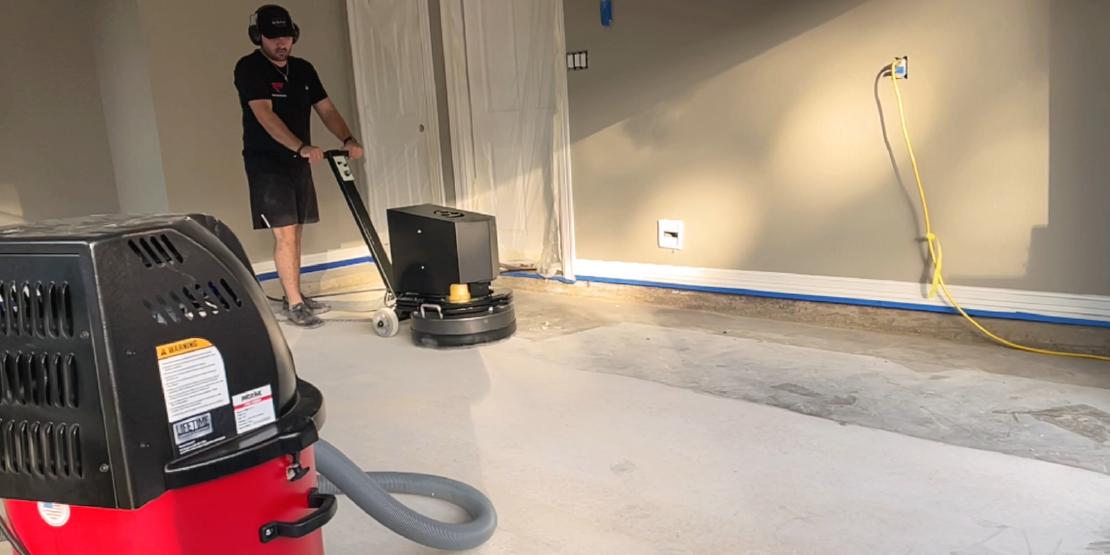
When preparing a floor for a fresh coat of paint or epoxy, sanding becomes an indispensable process. It’s not merely about smoothing surfaces but also about creating a mechanical bond for the new coating. By creating minuscule abrasions on the floor surface, the chances of the coating material adhering properly increase significantly. This step ensures that the coating will stick better and last longer.
However, the sanding process must be executed with precision and thoughtfulness. Proper equipment, such as a floor buffer with a diamond abrasive pad, can be used to achieve the desired abrasion level. In case of a concrete floor, acid etching could be used as an alternative to sanding, though it’s generally less preferred. Crucial to note, the sanding debris should be duly cleaned before moving on to the next step of coating preparation.
Dealing with Moisture Issues on Your Floor
Inevitably, the presence of moisture within the flooring can lead to a multitude of problems, notably during the floor coating process. Moisture content in floors, if not adequately addressed, may result in peeling, blistering and premature wear of the coating. Consequently, it is of paramount importance to identify and eliminate potential sources of moisture before the commencement of the coating process.
The task can be executed by utilising a moisture meter to detect the presence of water in the floors. If a moisture issue is found, it can be rectified using a variety of methods. Typically, to mitigate dampness, contractors may resort to installing a vapour barrier, or using dehumidifiers to control the relative humidity in the space. In instances of severe water damage, floor renovation may be necessary before any coating application can begin.
Applying a Primer: An Essential Step
Primers form the base layer that provides a smooth and stable surface for the floor coating to adhere to. They also aid in enhancing the overall appearance and longevity of the coating, making them an essential component of floor preparation. Hence, selecting a suitable primer that complements the chosen floor coating is a critical step. The choice depends on factors such as floor type, coating to be used, and the prevailing climatic conditions.
The process of applying primer requires due diligence for optimal results. The floor should be completely dry and clean, without any traces of dust, grease, or any other contaminants that might impede adhesion. Care should be taken to distribute the primer evenly throughout the floor surface using a roller. For areas that are inaccessible to the roller, a brush can be used. Once applied, the primer should be allowed ample time to dry before the application of the floor coating takes place.
Ensuring Proper Ventilation for Drying
Ventilation is a critical factor when it comes to the process of floor coating, in particular during the drying phase. It serves two primary roles – to accelerate drying and to dilute and disperse potentially harmful fumes. The rapid evaporation of the solvents in the coating solution is facilitated by a well-ventilated space. When solvents evaporate at a faster pace, the coating dries more quickly, speeding up the overall project timeline.
Moreover, inhaling solvent fumes can be a health hazard. Proper ventilation helps minimize this risk by effectively circulating the air and diluting the concentration of the fumes. Adequate ventilation can be achieved through various methods such as opening windows, using fans or even employing an industrial air mover. It’s critical to consider the size and layout of the room, as these factors influence ventilation needs. It is also essential to remember that good ventilation needs to be maintained throughout the drying duration, not just at the beginning.
Safety Measures to Consider during Floor Coating Preparation
The process of floor coating involves a series of procedures that may potentially pose a risk to personal safety if mishandled. Therefore, it’s essential for all involved personnel to comprehensively comprehend the safety precautions involved. Firstly, the utilization of protective equipment is highly recommended. These include safety glasses, gloves, and masks, which serve to protect against possible exposure to harmful particles and substances, particularly during cleaning, sanding, and coating application.
In addition to protective gear, effective management of the workspace is also paramount. The area should be spacious, well-ventilated, and free from potential tripping hazards such as wires or other tools. Good lighting is equally critical to ensure that all areas of the floor are clearly visible during the coating process. Furthermore, do not forget to keep a fire extinguisher nearby as some coating materials may be flammable. As a rule of thumb, always refer to the manufacturer’s safety guidelines when handling coating materials.
Maintaining Your Coated Floor for Longevity
Floor coating can significantly extend the life of your floor when properly maintained. A vital part of this maintenance is keeping the floor clean. Dust, dirt, and grit can wear away at your floor’s topcoat over time, reducing its protective qualities. Regular sweeping or vacuuming can minimize this wear and help preserve the floor’s finish. Mopping should be done with approved cleaning solutions made explicitly for coated floors; using harsh chemicals can strip or dull the coating over time.
The longevity of your coated floor heavily depends on how you handle stains or spots. Wipe off stains as quickly as possible, as they can seep into the coating and cause damage. For stubborn stains or marks that won’t simply wipe away, use gentle cleansers combined with mild abrasion. Regularly inspect the condition of your floor coating. Look for any signs of wear and tear, such as scratches, chips, or peeling areas. When detected early, minor damages can be patched and fixed, preventing the need for a complete floor resurfacing. Responsible floor coating care and maintenance are your best defenses against premature wear and extend the effectiveness of your investment on the floor.
Why is floor coating preparation important?
Floor coating preparation is crucial to ensure the longevity and durability of the coating. It involves processes like cleaning and clearing the floor area, assessing the floor’s condition, and dealing with any moisture issues. All these steps ensure a suitable surface for the coating to adhere to, resulting in a longer-lasting finish.
What supplies do I need for floor coating preparation?
Necessary supplies for floor coating preparation can include cleaning tools, repair materials for damages or cracks, strippers for old coating or paint, sandpaper for sanding, moisture meters, and a suitable primer and coating.
How do I select the right coating for my floor type?
The selection of the right coating depends on the type of floor you have and its usage. Factors to consider include the floor’s material, the level of foot traffic it receives, exposure to elements, and desired appearance. It’s best to consult with a professional or the coating manufacturer for specific recommendations.
What are the steps for preparing the floor for coating?
The steps include cleaning and clearing the floor area, assessing the condition of the floor, repairing any damages or cracks, stripping any old coating or paint, sanding the floor for better adhesion, dealing with any moisture issues, and applying a primer.
How do I deal with moisture issues on my floor before coating?
Moisture issues can be addressed by using moisture meters to identify problem areas and then using appropriate treatments, like moisture barriers or dehumidifiers. It’s important to resolve all moisture issues before applying the coating to avoid adhesion problems.
Why is applying a primer an essential step in floor coating preparation?
A primer is a crucial step as it helps improve the adhesion of the coating to the floor, enhancing its durability. It also helps to seal the floor, preventing moisture penetration and providing a smooth surface for the final coating.
What safety measures should I consider during floor coating preparation?
Safety measures include wearing appropriate protective gear like gloves, masks, and safety glasses. Also, ensure proper ventilation during the process, especially when using chemicals. It’s also essential to keep the area clear of any tripping hazards.
How can I maintain my coated floor for longevity?
Regular cleaning is essential to maintain your coated floor. Avoid using harsh chemicals that might damage the coating. Address any minor damage promptly to prevent it from worsening. It’s also advisable to reapply a topcoat as needed, depending on the manufacturer’s recommendations.