
How Long Does Floor Coating Last?
Understanding Floor Coating Lifespan
Floor coatings significantly boost the durability, functionality, and aesthetic appeal of various surfaces. Their lifespan depends largely on the type of coating, application, and environmental conditions, among other factors. The discussion of the durability of floor coatings covers a broad spectrum ranging from epoxy and polyurethane to acrylic coatings. To enable the coating to withstand the test of time, proper selection, installation, and maintenance are paramount.
Different types of floor coatings offer varying levels of resistance against wear and tear, chemical impact, and weather conditions. The sustainability of a floor coating might be hindered by certain factors such as high traffic, substandard material, harsh climatic conditions, and poor maintenance. Furthermore, the specific environment in which the coating is used plays a significant role in determining its longevity. In industrial settings, for instance, the floor coatings should be resistant to chemical spills, thermal shocks, and heavy machinery. In residential settings, durability, aesthetic appeal, and easy maintenance might be the primary concerns.
Types of Floor Coatings and Their Durability
Among the plethora of floor coatings available in the market, three types consistently stand out for their robustness and longevity: epoxy, polyurethane, and acrylic. Epoxy floor coatings offer extreme durability, withstanding heavy foot traffic and harsh chemicals without yielding to wear and tear. These coatings, often used in industrial and commercial settings, can last up to 20 years with proper maintenance. They’re available in many colors and offer a glossy finish that can enhance the aesthetic appeal of a space.
Polyurethane floor coatings are renowned for their flexibility and resistance to scratches and abrasions. Unlike other types, they’re UV resistant which makes them excellent for outdoor applications. On average, these coatings last around five to ten years. The third common type is the acrylic floor coating, favored for its quick drying time and UV resistance. Generally cheaper than epoxy and polyurethane, they tend to wear faster and typically last about three to five years. All these coatings have varying lifespans, primarily depending on the frequency of use, maintenance, and external factors.
Factors Influencing the Longevity of Floor Coatings
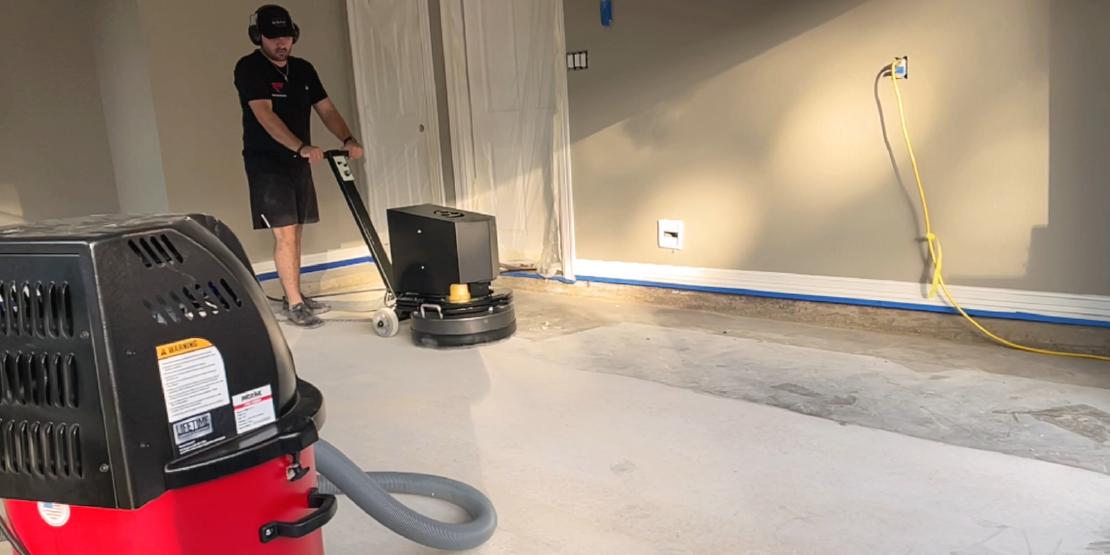
The lifespan of floor coatings is not one-size-fits-all; it is greatly impacted by numerous internal and external factors. The quality of the preparation, for instance, substantially impacts the durability. If the floor is not adequately prepped or if the application is rushed, the coating might adhere poorly, leading to a reduced lifespan. The quality of the material used also significantly determines how long the coating will last. Higher quality, more durable materials will naturally last longer than cheaper, low-quality options.
External factors also play a significant role in determining floor coating longevity. One of the most impactful is the volume and type of traffic the floor is subjected to. Areas with heavy foot traffic or machinery use will undoubtedly experience a quicker rate of wear than those with low traffic. Similarly, exposure to harsh weather conditions and temperature fluctuations can shorten the life of the coating. Therefore, the context in which the floor coating is used must always be considered when examining its longevity.
Epoxy Floor Coating: Lifespan and Care
Epoxy floor coatings are renowned for their robustness and long-lasting service. With a meticulously prepared surface and appropriate installation, a high-quality epoxy coating can endure for 10-20 years, even in high-traffic areas or industrial environments. This lifespan depends greatly on the thickness of the layers applied, the frequency of foot or vehicle traffic, and the exposure to harsh chemicals or abrasions. Irrespective of their type, epoxy coatings are generally resistant to various damaging factors such as heat, peeling, cracking, and staining.
The maintenance of an epoxy floor coating plays a pivotal role in retaining its longevity. Regular sweeping, as well as mopping with a mild detergent solution, proves effective in keeping the surface dirt-free and visually appealing. It’s crucial to avoid using harsh chemicals or heavy duty scrubbing tools that may potentially incur damage to the coating. For spots or stains, a light scrub with a soft brush and warm soapy water usually does the trick.Another essential aspect to consider is to protect the floor surface from severe impact, heavy machinery, or sharp objects which could cause indelible damage. Gradual discolouration or loss of gloss indicate that the coating needs re-application. Regular upkeep of the epoxy floor coating not only extends its life but also conserves its initial charm and lustre.
Polyurethane Floor Coating: Duration and Maintenance
Polyurethane floor coating is acclaimed for its excellent durability and long lifespan. Often, these coatings can last up to five years or more depending on various factors such as surface traffic and maintenance routines. Its unmatched resistance to abrasion, impact, and corrosive substances contributes significantly to its longevity. A noteworthy feature of polyurethane is its flexibility which enables the coating to expand or contract with the floor, thereby reducing the likelihood of cracking or peeling off.
Routine maintenance is an essential aspect of preserving the durability of your polyurethane floor coating. Regular sweeping or vacuuming can help prevent the buildup of dust and dirt that may scratch the surface. For stubborn stains, a mild detergent solution can be used. Avoid using harsh or heavy-duty cleaning products as these can potentially damage the coating. It is also recommended to avoid sliding heavy objects across the floor and use mats or pads under furniture to prevent unwanted scratches and scuffs. These simple maintenance tips can significantly influence the lifespan of your polyurethane floor coating.
Acrylic Floor Coatings: Lifespan Expectations
In the realm of floor coatings, Acrylic stands out for its impressive balance of affordability and durability. Typically, an acrylic floor coating can maintain its integrity and shine for about two to three years under normal conditions. This lifespan is based on factors like the volume of foot traffic, cleaning frequency, and the type of chemicals used during maintenance. This cost-effective solution is a popular choice for both commercial and residential applications.
However, the longevity of an acrylic floor coating can significantly increase with proper maintenance and care. The use of high-quality cleaning materials and adherence to cleaning schedule can contribute to prolonging the lifespan of the coating. It’s important to remember that while acrylic is resilient, it also requires protection from harsh chemicals and excessive wear. Particularly in commercial settings, applying a new coat every two years is advisable to maintain peak performance and aesthetic appeal.
The Role of Maintenance in Extending Floor Coating Life
A significant factor influencing the longevity of floor coatings is regular and diligent maintenance. Ignoring the upkeep of these coatings can quickly diminish their strength and lifespan, irrespective of the quality or type used. Regular cleaning, using appropriate cleaning agents, helps to remove dirt and debris that can wear away at the coating over time. Additionally, immediately addressing spills and stains prevents the corrosion and weakening of the rundown floor surface.
Periodic repairs and prompt attention to minor damages are also pivotal in maintaining the integrity of floor coatings. Eliminating scratches, filling up cracks, and re-sealing coating can significantly extend the floor coating lifespan. Furthermore, protecting coated floorings from excessive sunlight, moisture, or severe physical impacts can result in longer-lasting protection, preserving the aesthetic and functional attributes of the floors.
Impact of Weather Conditions on Floor Coating Durability
Weather conditions dramatically influence the durability and lifespan of floor coatings. Extreme temperatures, humidity, and exposure to direct sunlight can speed up the deterioration process of these protectors, hence reducing their effectiveness over time. High temperatures, for instance, can cause some coatings, particularly epoxy, to lose their glossy appearance and become dull, while low temperatures might make them brittle or susceptible to cracking.
Humidity poses an equally significant threat to the longevity of floor coatings. In cases where the floor coating application occurs in high humidity, the coating can become cloudy due to excessive moisture trapped beneath the surface. Moreover, direct sunlight or UV radiation can lead to the discoloration and fading of the floor coating, reducing not only its aesthetic appeal but also its protective qualities. Coating materials react differently under varied weather conditions, emphasizing the need to understand the behavior and compatibility of a coating substance to specific environmental situations.
The Influence of Traffic on Floor Coating Longevity
Traffic plays a substantial role in determining the longevity of floor coatings. Daily movement, weight, foot traffic or machinery movement all contribute to the physical attrition of the applied surface. High traffic areas undergo constant stress, resulting in microscopic damage, which, over time, impacts the overall durability of the floor coating. The type of traffic is equally important as frequency – heavy machinery or abrasive materials can significantly reduce a floor coating’s lifespan compared to softer foot traffic.
The durability of various types of floor coatings varies depending on the degree of traffic. For instance, epoxy floor coating is known for its high durability and is suitable for areas with heavy traffic such as industrial warehouses. Acrylic floor coatings, on the other hand, might not withstand the same degree of wear and require more frequent replacements. Regardless of the coating type, regular maintenance and appropriate selection can help mitigate the damaging effects of traffic, thereby increasing the floor coating’s generel longevity.
Signs That Your Floor Coating Needs Replacement
Visible discoloration signals an urgent need for floor coating replacement. Prolonged exposure to heavy footfall or harsh weather conditions can lead to the coating fading over time. This change is more than a cosmetic flaw. It represents the declining protective function of the coating, risking the integrity of the floor beneath. Therefore, if there are noticeable patches of faded or discolored coating, it may be high time to consider a replacement.
Another sign that your floor coating calls for replacement is the appearance of cracks or chips. Cracks or chips on the coated surface can expose the underlying floor to damage from moisture, chemicals, or physical impact. Not only do these defects mar the aesthetic appeal of the floor, but they can also evolve into more extensive damage if left unaddressed. When these signs start to show, it is imperative to replace the floor coating immediately to protect the floor.
Tips for Extending the Life of Your Floor Coating
Regular maintenance tops the list of ways to extend the life of your floor coating. It notably involves routine cleaning with soft brushes or mops to eliminate dust and other contaminants, minimizing the likelihood of scratches and surface damage. Avoiding harsh chemicals that could damage the sealant, and using cleaners recommended by the coating manufacturer, can keep the surface intact and shiny for longer periods. Similarly, immediate removal of spills prevents the liquid from seeping into the coat, causing discoloration and potential peeling.
Another notable tip includes implementing protective measures such as using mats and rugs in high traffic areas to reduce direct impact on the floor around entrances and exits. This lessens the wear and tear on the coating, thereby prolonging its lifespan. Additionally, routine check-ups by professionals help identify and rectify potential problems before they escalate, ensuring the durability of the coating. Surface recoating at recommended intervals reinforces the initial coat and extends its life by providing an extra layer of protection. These steps provide a holistic approach to extending the life of your floor coating.
Best Practices for Longer-Lasting Floor Coating
Maintaining the pristine quality of your floor coating is reliant on a few essential practices. First, regular cleaning is integral to prolong the lifespan of the layer. This should ideally consist of dry and wet cleaning routines. Dry cleaning removes superficial dirt and dust, while wet cleaning eradicates deeper residue and grime that could deteriorate the coating. High quality cleaning products, designed specifically for your type of floor coating, also contribute to its prolonged life.
Another impactful strategy involves the usage of protective objects. Mats strategically placed at entrances, for instance, can prevent the dragging in of abrasive dirt and rock particles that may scratch or chip the coating. Similarly, the use of furniture pads can help to reduce the harm caused by scraping furniture, particularly on more delicate types of coatings like epoxy or polyurethane. Encouraging and facilitating these practices can go a long way in extending the life of your floor coating, safeguarding its visual appeal and functional integrity.
The Cost-Efficiency of Durable Floor Coatings
When it comes to flooring solutions, investing in durable floor coatings carries a myriad of cost-efficient benefits. Not only do they offer lengthier lifespans, but their requirement for less frequent repairs and maintenance also translates into substantial cost savings. High-quality floor coatings such as epoxy, polyurethane, and acrylic, while demanding a higher initial investment, tend to retain their functional and aesthetic value for significantly longer periods. As a result, they provide more value for money in the long run, reducing the overall expenditure related to flooring.
Besides, the economic efficiency of durable floor coatings comes from their ability to withstand harsh conditions. They stand resilient to heavy traffic and severe weather conditions that can otherwise wreak havoc on average-quality floors. These coatings can resist wear and tear much effectively, thus reducing the need for regular and costly repairs. By adopting these flooring solutions, building owners can make a wise investment that will pay off in the long term, ensuring optimal performance and longevity of their floors.
What is the average lifespan of a floor coating?
The average lifespan of a floor coating can vary widely depending on the type of coating used, the conditions it is exposed to, and how well it is maintained. However, a well-maintained and high-quality floor coating can last anywhere from a few years to several decades.
What are the different types of floor coatings and how durable are they?
The primary types of floor coatings include epoxy, polyurethane, and acrylic. Epoxy and polyurethane coatings are known for their durability and can last for many years with proper care. Acrylic coatings, while not as durable as epoxy or polyurethane, are still a good option for certain applications and can last for several years if properly maintained.
How does maintenance influence the longevity of a floor coating?
Regular and appropriate maintenance is a vital factor in extending the lifespan of a floor coating. This can include regular cleaning, timely repairs of any damage, and recoating when necessary.
What impact do weather conditions have on the durability of a floor coating?
Weather conditions can significantly affect the longevity of a floor coating. Factors such as humidity, temperature fluctuations, and exposure to sunlight can cause wear and tear over time.
What signs indicate that a floor coating needs replacement?
Signs that your floor coating may need replacement include visible wear and tear, discoloration, peeling or flaking, and the appearance of cracks or chips.
Can you give some tips on extending the life of a floor coating?
To extend the life of your floor coating, ensure regular cleaning, avoid harsh chemicals, repair any damages immediately, and consider a professional recoating when necessary.
What are the best practices for a longer-lasting floor coating?
The best practices for a longer-lasting floor coating include choosing high-quality materials, ensuring proper installation, maintaining a regular cleaning schedule, and conducting timely repairs and recoats.
How cost-efficient are durable floor coatings?
High-quality and durable floor coatings may have a higher initial cost, but they are often more cost-efficient in the long run. They require less frequent replacement and can withstand more wear and tear, helping to save on maintenance and repair costs over time.