
How Much Do Floor Coating Projects Typically Cost?
Understanding the Pricing of Floor Coating Projects
When it comes to floor coating projects, grasping the core elements that dictate the total cost is essential. This knowledge eases the process of budgeting and ensures a balance of quality, affordability, and longevity. Pricing comprises different factors such as material selection, labor costs, floor size and condition, additional tasks like preparatory work and repairs, and whether the project is residential or commercial.
For instance, the type of materials used in the floor coating significantly influences the final cost. Higher-end materials like epoxy or polyurea, while more expensive, offer more durability and therefore have longer lifespans. Labor costs can fluctuate based on the location of the project and the expertise of the contractors hired. Larger floor areas typically mean increased expenses due to the larger volume of materials needed and the extended time laborers will invest in the project. Additionally, the condition of the floor prior to the onset of the project may also necessitate reparations, further basing up costs. Lastly, commercial projects generally tend to be costlier than residential types, due to their larger scale and more complex requirements.
Factors that Influence the Cost of Floor Coating
Several factors play a significant role in shaping the cost of floor coating. One of the primary considerations often revolves around the choice of materials. Different coating materials, such as epoxy, polyurethane, or acrylic, come with divergent price tags. Notably, high-quality materials are normally more expensive but promise better durability and an impressively aesthetic finish. Therefore, the choice of materials directly relates to the overall pricing of the project.
The size of the floor also substantially affects the project’s total cost. Essentially, larger spaces require more coating materials, resulting in increased material costs. More so, larger areas necessitate more labor hours, hiking up the labor costs. Furthermore, the condition of the floor prior to coating can augment the price. Uneven or damaged floors might require extensive preparatory work or repairs, leading to additional expense. Residential and commercial settings might also exhibit varying prices based on their unique requirements and standards.
The Role of Material Selection in Floor Coating Expense
Material selection plays a pivotal role in determining the overall expense of a floor coating project. The chosen substance significantly contributes to not only the initial outlay but also the longevity and maintenance needs of the finished floor. The available options range from basic sealants to high-end finishes such as epoxy and polyurethane. Each material comes with its unique characteristics, and price points, hence influencing the overall coat.
Basic floor coatings like paint or sealants are generally inexpensive, however, they may not provide the durability desired in high-traffic areas. On the other hand, premium coatings like epoxy or polyurethane, while a bit costly, offer superior performance, longevity, and resistance to damage. These higher-end products may require fewer repairs and touch-ups over their lifespan, possibly leading to cost savings in the long term. Therefore, careful consideration and weighing of the upfront cost versus long-term expenses is crucial when selecting the material for a floor coating project.
Labor Costs Associated with Floor Coating Projects
In assessing the expenses tied to any floor coating project, one vital factor to consider is the workforce’s cost. These labor costs primarily encompass the hourly rate charged by the floor coating professionals for their service. The rates fluctuate widely based on numerous factors, such as the specialists’ level of expertise, the project’s difficulty level, and the regional market rates.
It’s essential to understand that additional labor tasks can potentially raise the financial estimate. For instance, if the professionals require extra time due to extensive floor damage or intricate design specifics, the labor costs may increase. Additionally, the cost might also surge if the work environment presents challenges, such as working in tight corners which takes more time and skill. Always ensure to factor in these unforeseen labor expenses when planning and budgeting for a floor coating project.
The Impact of Floor Size on the Total Cost
Unquestionably, the size of the floor space intended for coating plays a pivotal role in the overall cost of the project. Larger spaces inevitably require more materials and extended labor hours, causing the total price to surge. Whether it’s an expansive warehouse or a compact home garage, the floor area measured in square feet or meters directly impacts the amount of coating needed, resulting in a near proportional correlation between floor size and cost.
Moreover, it’s essential to factor in that complex layout can also indirectly affect the cost. If a floor space boasts numerous corners, pillars, or steps, it may necessitate detailed work, further adding to the labor hours required. Thus, even when dealing with small floor sizes, intricate designs can increase the financial burden. However, it’s worth remembering ultimately, a well-coated, durable floor can withstand the test of time, significantly reducing potential future maintenance and repair costs.
The Effect of Floor Condition on Coating Costs
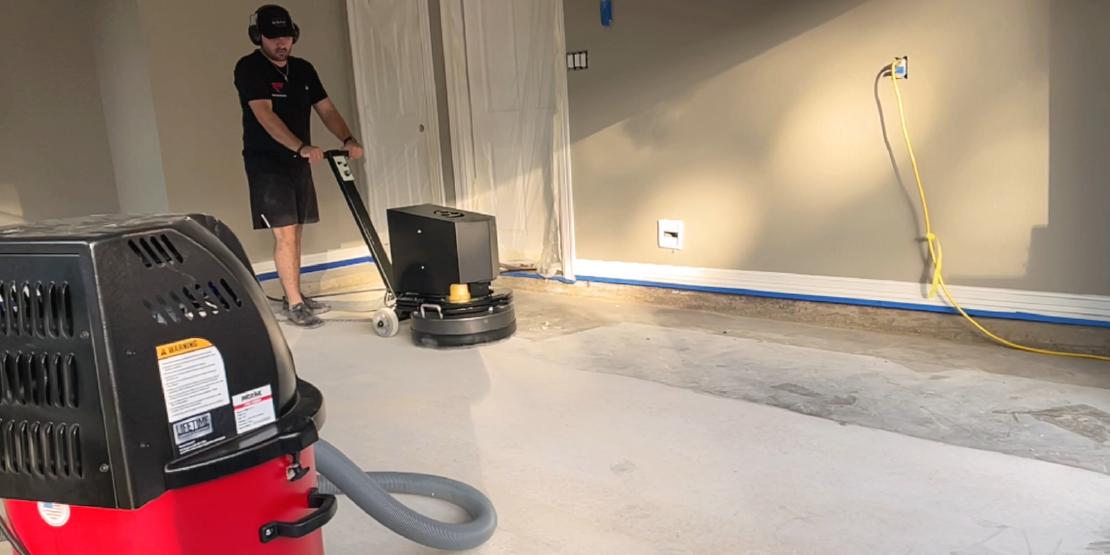
The severity and extent of the floor’s condition directly impact the final costs of the coating procedure. Floors in poor condition often require these preparatory processes: filling deep cracks and chipping, grinding to create an even surface, or complete resurfacing. This extra labor increases the overall project expense, as professionals typically charge either by the hour or square footage for their preparatory work duties. Floor Condition, therefore, encoding the seriousness of the floor’s current state, becomes a crucial factor when determining the cost of floor coating services.
Additional professional assessments might be necessary for floors with excessive deterioration or damage. More complex cases can even require a structural engineer’s specialized opinions to guarantee safety. Coating Costs can escalate quickly if structural repairs or specialized treatments are needed prior to the coating application. Hence, the floor’s inherited condition can significantly sway the financial aspect of a coating project.
Additional Costs: Preparatory Work and Repairs
Prior to the application of a floor coating, it is imperative to carry out preparatory work. This phase largely entails thorough floor cleaning, removal of existing coating, and ensuring the surface is even and free from defects. The cost for this preliminary work varies depending on the current condition of the floor and the extent of preparation required. For instance, removing an old coating or fixing significant cracks might incur additional costs due to the labor and materials involved.
Repair work significantly impacts the total floor coating project cost as well. Floors in poor conditions with extensive damage, such as deep cracks or uneven surfaces, often require intensive repair. The labor and materials for these repairs can cause the cost to rise markedly. In certain circumstances, the cost of repairing a severely damaged floor may even surpass the cost of the coating materials themselves. Therefore, it is crucial for property owners to accurately assess the condition of their floor before embarking on a coating project.
Price Variations: Residential vs. Commercial Floor Coating
Floor coating pricing varies significantly between residential and commercial projects. The difference is mainly due to the scale and complexity typical of commercial spaces compared to residential ones. Commercial floor coating generally requires more materials, higher grade tools, and often more specialized knowledge and skills, pushing up the cost. In addition, commercial projects usually impose stricter timelines and may have additional requirements for durability, which can further elevate the pricing.
On the other hand, residential floor coating projects are typically smaller and thereby less expensive. Nevertheless, the cost can still fluctuate widely depending on the specific expectations of the homeowner, the condition of the existing floor, the type of coating materials chosen, and whether the work is outsourced to a professional. Opting for high-end materials or intricate designs in a residential project could potentially push the cost closer to that of a commercial project. Thus, while there is a general expectation for commercial projects to cost more, the final price tag for any project depends greatly on the individual specifications.
Breaking Down the Cost: DIY vs. Professional Services
When it comes to floor coating projects, the choice between Do-It-Yourself (DIY) and professional services can significantly affect the overall costs. DIY floor coating, undeniably, appears a budget-friendly option. After all, it eliminates the labor costs. However, it’s crucial to remember that undertaking a DIY project involves investing time and effort. Additionally, a lack of experience might lead to mistakes that can further inflate the overall expenses.
Comparatively, hiring professional services tends to be more costly initially due to labor charges. But these experts bring along the advantage of experience, skills, precision, and knowledge of the latest floor coating technologies and products. While the upfront costs might be high, the longevity and quality of a professionally done floor coating can indeed provide long-term cost-effectiveness, proving to be a worthwhile investment. The choice between DIY and professional services thus primarily depends on a careful examination of cost, time, effort, and required skillset.
Benefits of Investing in High-Quality Floor Coating
While many may balk at the upfront costs, investing in high-quality floor coatings proves to be a wise decision in the long run. First and foremost, the long-lasting durability of premium coatings holds the capacity to withstand high traffic, protecting the floor from scratches, stains, and everyday wear and tear. It reduces the frequent need for costly repairs and replacements, therefore saving money over time. Moreover, high-grade coatings are resistant to various factors like UV rays, chemicals, moisture, and temperature fluctuations, thereby guaranteeing longevity and enhanced floor protection, providing true value for money.
Another notable benefit lies in the aesthetic enhancements that high-quality coatings bring. The right product can lend a certain elegance, transforming the look of your floors, and by extension, the entire ambiance of a space. Additionally, it assists in maintaining cleanliness, as high-quality coatings are easier to clean, resisting dust accumulation and oil stains. Not to forget, safety is significantly improved, as the best coatings are slip-resistant, reducing the risk of accidents. From cost-effectiveness to improved aesthetics and safety, the benefits of high-quality floor coatings underscore its importance as a valuable investment. • High-quality floor coatings provide long-lasting durability. This means they can withstand high traffic and protect the floor from scratches, stains, and everyday wear and tear. The result is a reduction in frequent need for costly repairs and replacements, saving money over time.
• Premium coatings offer resistance to various factors such as UV rays, chemicals, moisture, and temperature fluctuations. This guarantees longevity of your floors as well as enhanced protection.
• Investing in top-tier floor coating provides true value for money due to its extended lifespan compared to cheaper alternatives.
• Another key benefit of high-quality coatings lies in their ability to aesthetically enhance spaces. They lend a certain elegance that transforms not only the look of your floors but also the entire ambiance of a space.
• These types of coatings assist in maintaining cleanliness within an area since they are easier to clean than lower quality options. They resist dust accumulation and oil stains making them perfect for areas like kitchens or garages where spills may frequently occur.
• Safety is significantly improved with high-grade floor coverings because they are slip-resistant thereby reducing risk accidents especially in wet areas like bathrooms or pool sides.
In conclusion, while investing in high-quality floor coating might seem expensive upfront it proves cost-effective over time due its durability; aesthetic enhancements; easy cleaning properties; safety features amongst others which underscore its importance as a valuable investment.
Ways to Budget for Your Floor Coating Project
Planning ahead is the key to budgeting successfully for any floor coating project. This means carefully evaluating the project’s specifics, such as the type of coating needed, the square footage of the space, and any repair work or preparatory tasks required. Also, it’s important to assess labor costs, whether you plan to do it yourself or hire a professional. Assigned budget should be a little flexible to accommodate unexpected expenses or changes in plan.
It is also beneficial to obtain multiple quotes from different contractors. Comparing quotes not only helps you identify the most cost-effective option but also gives you a sense of the market rates and prevents you from overspending. Keep an eye on promotional offers and discounts, as these can significantly reduce costs. Lastly, investing in high-quality materials, though more expensive upfront, may result in long-term savings due to their durability and longevity.
Cost-saving Tips for Your Floor Coating Project
Floor coating projects, irrespective of their scope, always involve financial investment. However, by taking into account some strategic measures, you can invariably curtail your overall expenditure. Start with a well-drawn-out budgeting plan; it helps in keeping tabs on direct and indirect expenses. Research and compare material prices; preferring economical, yet durable options can really make a significant difference. Also, purchasing materials in bulk might allow you to enjoy quantity discounts or wholesale prices.
When considering who should take up the task, balance out the pros and cons of hiring professionals and DIY. While doing it yourself can seem cost-effective initially, it may lead to extra costs long term if done improperly. Conversely, professionals deliver high-quality work, but at a higher price tag. A good tip here is to get multiple quotes from different service providers and review their services against their charges. This will not only provide a clearer understanding of the market rates but also assist in making a cost-efficient choice.
Comparing Quotes: Choosing the Right Contractor for Your Project
When embarking on a floor coating project, it’s critical to get quotes from multiple contractors, diligently evaluating each. Contractors can vary significantly in their pricing strategies, quality of materials, timelines, and workmanship, all of which can impact the final result and cost. Different quotes offer a glimpse into how each contractor approaches their work, giving you crucial information, such as whether they prioritize high-quality materials or fast completion times. Comprehensive examination of these quotes allows you to consider monetary factors against project outcomes, helping you select one that balances both.
In choosing the right contractor, one should not be swayed by the lowest bid hastily. Budget is critical, but quality and reliability must not be sidelined. Make sure to scrutinize each professional’s credentials, track record, and client reviews to ensure the work will be completed satisfactorily. A good rapport and clear communication are also essential in this decision-making process. Ultimately, the chosen contractor, despite their quote, should instill confidence about the project’s successful completion without compromising intended budget and quality.
How is the pricing of a floor coating project determined?
The pricing of a floor coating project is typically determined by several factors, including the type of material used, the cost of labor, the size of the floor, its condition, and any additional costs for preparatory work and repairs.
What factors influence the cost of floor coating?
Factors like the choice of material, the size and condition of the floor, labor costs, and any additional work required such as repairs or preparation, all collectively influence the cost of floor coating.
How does material selection influence the cost of floor coating?
Different materials have different prices. The selection of a particular type of floor coating material can significantly impact the overall cost of the project.
What role does labor cost play in floor coating projects?
Labor costs are a significant portion of any project. The cost can vary based on the complexity of the project, the time it takes to complete, and the rates charged by the contractor.
How does floor size affect the total cost of floor coating?
The size of the floor directly impacts the total cost of a floor coating project. Larger areas require more materials and labor, and thus, tend to be more expensive.
Does the condition of the floor affect the coating costs?
Yes, the condition of the floor can greatly affect the cost of coating. Floors in poor condition may require more preparation work or repairs before the coating can be applied, leading to an increase in costs.
Can there be additional costs for preparatory work and repairs in a floor coating project?
Yes, additional costs can arise for preparatory work and repairs before the coating process begins. This is especially true for floors in poor condition.
How does the cost vary between residential and commercial floor coating?
Commercial floor coating often costs more due to the larger size of the space, the use of industrial-grade materials, and additional safety measures that may be required.
What’s the cost difference between DIY and professional floor coating services?
DIY floor coating can be less expensive upfront, but it may end up costing more if mistakes are made. Professional services, while potentially more expensive initially, often provide a better finish and can save money in the long term.
Why should I invest in high-quality floor coating?
High-quality floor coating often lasts longer and provides better protection for your floors. This investment can save you money on future repairs and maintenance.
How can I budget effectively for my floor coating project?
Understanding all the factors that contribute to the cost of your project can help you budget effectively. This includes considering material costs, labor charges, the size and condition of your floor, and any additional costs for preparatory work or repairs.
Any cost-saving tips for my floor coating project?
To save costs, consider choosing a durable but affordable material, do some of the preparation work yourself, and compare quotes from different contractors to ensure you’re getting the best deal.
How do I choose the right contractor for my floor coating project?
When comparing quotes, consider not only the price but also the contractor’s reputation, experience, and the quality of their previous work. Always ensure they are licensed and insured to protect yourself against potential issues.