
How to Achieve the Perfect Finish: Techniques and Tricks
Understanding the Basics of Finishing
Finishing is an essential part of any building, renovation, or crafting project. It involves various processes and techniques which enhance the aesthetic and functional qualities of the material surface. This is not an activity to be taken lightly—it requires thoughtful preparation, the right tools, and a skilled hand to achieve the desired result.
Whether you’re working with wood, metal, fabric, masonry, or other mediums, each will require a unique method of finishing. The specific finishing could range from painting and staining to waxing, varnishing, or lacquering—the selection depends largely on the nature and purpose of the project. Mastery over the basics of finishing shall give a robust foundation to an enthusiast, guiding them throughout the process and ensuring that their finished work looks professional and is capable of standing the test of time.
Importance of Surface Preparation
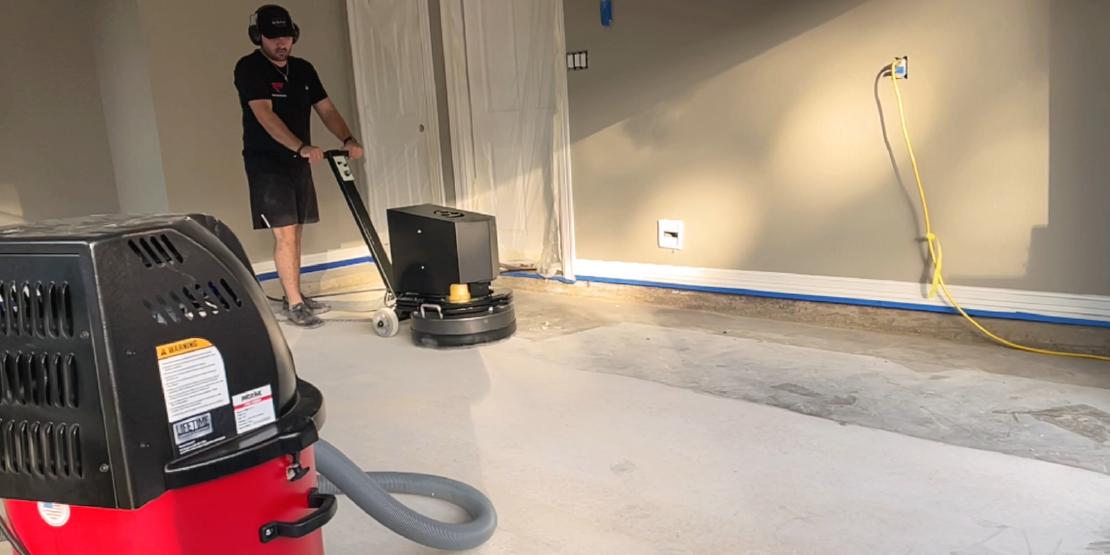
Undeniably, preparing the surface is a valuable step in the process of finishing. It paves the way for a polished, flawless aesthetic, and saves the user from potential rework and wastage of resources down the line. Thorough preparation is crucial, regardless of whether the surface is wood, metal, ceramic or any other material. A well-prepared base can significantly enhance the longevity and quality of the finish, resulting in a product that aesthetically pleases and performs outstandingly.
It’s essential to note that, without this vital step, other aspects of the finishing process could be compromised. Any imperfections on the surface, however minute, can become glaring under the final finish. Dirt, oils, and even the tiniest particles of dust can impact the adherence of the primer, paint or varnish. Therefore, to ensure the beauty and integrity of the piece, intense surface preparation is a must.
Identifying the Right Tools for Finishing
When it comes to flawlessly finishing a project, the significance of the tools used cannot be understated. Different tasks call for unique tools, and knowing the ideal tool for each element of the finishing process massively contributes to the outcome’s quality. For example, a finishing task with large flat surfaces could greatly benefit from large, straight-edged tools, enhancing accuracy, and speeding up completion time. It’s important to research the distinct requirements of your project and adjust your toolkit accordingly.
Yet, it’s not just about the type of tool, but also about the quality. Investing in high-quality equipment will surely pay off in the long run. Top-tier tools tend to be more durable, perform at a higher level, and provide an overall smoother and more consistent final product. Such factors make them a cost-effective choice even though they may have a higher upfront cost. Therefore, when preparing for a finishing project, don’t rush choosing your tools. Take your time, do your research, and ensure you’ve got the best tools for the job at hand.
Mastering the Art of Sanding
Sanding stands as one of the most critical steps in achieving a flawless and elegant finish in any woodworking project. Its objective aims to smooth out the surface by removing minor blemishes and scrapes that mar the surface. The process also creates minute scratches in the wood which help it absorb more paint, stain, or sealant. It’s fair to say that the difference between an excellent finish and a mediocre one lies in the levelled perfection of sanding.
The tools for sanding vary widely, contingent on the kind of project at hand. Hand sanding with a simple sandpaper sheet is often suitable for small projects or for areas where precision is paramount. Orbital sanders and belt sanders, on the other hand, offer a much faster means of sanding large, flat surfaces. The grit size of the sandpaper used is another important factor. Coarser sands ensure the removal of wood quickly but leave deep scratches. Finer sands create a much smoother surface but take a longer time to smoothen the surface completely. For the highest quality finish, a woodworker will often start with a coarse sandpaper and gradually work their way to a finer grit. Emphasizing such details is crucial in mastering the art of sanding.
The Role of Priming in Finishing
Priming plays an indispensable role in the finishing process. This initial step ensures that the finishing paint adheres better to the surface, thereby enhancing the durability and longevity of the paint or finish. A well-applied primer can effectively seal porous surfaces, preventing them from absorbing excessive amounts of finishing coat. Priming also provides an additional layer of protection from moisture and mold, significant concerns in areas of high humidity or in spaces that might face potential water damage.
The choice of primer also significantly influences the final outcome of the finish. Different primers serve varied purposes. For instance, oil-based primers are best for wooden surfaces, while latex primers perform best on drywall and masonry. Some specialized primers can even neutralize stains and odors. Furthermore, tinted primers can contribute to a more vibrant finish color. Thus, primer selection should always consider the type of surface and the desired finish effect.
Choosing the Correct Paint or Finish
Choosing the ideal paint or finish for a particular project depends on several key factors. These may include the type of material being painted, the desired durability of the finish, the environment in which the item will be used, and the aesthetic preference of the user. Many people overlook the importance of this choice, yet it drastically impacts the longevity and overall appearance of the final result.
Materials like wood, metal, and concrete each have specific paints and finishes that work best, each designed to withstand certain stresses. Furthermore, finishes differ in gloss levels, from high-gloss to matte, influencing not only the appearance but also the level of durability. Thus, comprehending the attributes of various paints and finishes empowers the individual to make informed decisions that lead to exceptional outcomes. • Wood: Different types of wood require different types of paint or finish. For instance, hardwoods like oak and mahogany are best complemented by oil-based paints or varnishes that highlight their natural grains. On the other hand, softwoods such as pine may benefit from latex-based paints or stains which provide a smooth finish.
• Metal: Metals can be tricky to paint due to their non-porous nature. They usually need a primer for the paint to adhere properly. Oil-based paints are often preferred for metals because they offer greater durability and rust resistance.
• Concrete: Due to its porous nature, concrete absorbs water easily making it susceptible to damage over time if not properly sealed with an appropriate finish. Epoxy coatings and acrylic-latex paints are commonly used on concrete surfaces due to their ability to seal off moisture while providing a durable and attractive surface.
The gloss level is another important factor when choosing the right paint or finish:
• High-gloss finishes offer superior durability and easy cleaning but tend to highlight imperfections in the material’s surface.
• Semi-gloss finishes strike a balance between high glossiness and matte appearance; they’re fairly durable yet less shiny than high-gloss options.
• Satin finishes have a slight sheen that adds depth without being overly glossy; these work well on walls where some light reflection is desired but glaring shine isn’t.
• Matte finishes absorb rather than reflect light, reducing glare at the cost of lower durability; however, they hide imperfections better than shinier options.
Understanding these characteristics allows individuals planning painting projects - whether DIY enthusiasts or professional painters -to make informed decisions resulting in exceptional outcomes both aesthetically pleasing and long-lasting.
Application Methods: Brush, Roller, or Spray
Deciding on the right application method for your finish greatly affects the overall look and quality of the project. Each tool - brush, roller, or spray - has distinct advantages and applications where they excel. Selecting one over the other is dependent on several factors such as the type of project, the finishing material being used, the texture desired, the size of the project, and your level of expertise or comfort with a particular tool.
Brushes are excellent at providing control for detailed work and are ideal for smaller projects or tight corners where precision is key. They are also versatile since they can be used with almost all types of finishes. Meanwhile, rollers are great for covering large surfaces quickly and evenly. They work best with flat surfaces and can help reduce visible brush strokes. Lastly, a spray system is typically used for large, complex projects or when a very smooth, professional finish is desired. They tend to be more difficult to control and require more preparation and clean up, but the flawless results can be worth the extra effort.
The Technique of Layering for Depth
Layering can amplify the depth and complexity of a finish, engraving a distinct impression that commands attention. It’s the process of developing layers of colors, textures, or materials in order to create a multidimensional effect. Be it on a piece of furniture or an art object, layers can beautifully highlight the natural patterns, grains and attributes of the surface. Additionally, it allows subtle modifications of the piece’s tone or color, achieving a custom, sophisticated look that is hard to replicate.
In the realm of finishes, the sequence of layering matters as much as the materials used. Each layer should be meticulously applied and thoroughly dried before adding a new one. Between applications, the surface needs sanding for a smooth, receptive base for the subsequent layer. This painstaking process is critical to ensure that the layers bond properly, creating a durable and attractive result. Remember, an uneven application or rushed layering can lead to irregularities, compromising the aesthetic appeal and longevity of the finished product.
Curing and Drying: Essential Steps for a Flawless Finish
For any successful finishing project, the pivotal roles of curing and drying processes cannot be dismissed. These processes ensure a flawless, durable, and long-lasting finish. Both processes individually offer unique contributions to the completion of the project. In essence, curing can be deemed as the final touch that solidifies the applied coating, while drying corresponds to the process where moisture or solvent evaporates from the finish.
The optimal curing period varies with different types of finishes. While a fast-drying finish might seem advantageous for the swiftness of project completion, it is critical to remember haste could compromise the quality. Subsequently, allowing sufficient time for drying ensures a stable and warp-free surface. Different environmental conditions, such as temperature and humidity, have distinct impacts on the drying process and should be adequately managed for a perfect outcome. In brief, a thoughtful combination of curing and drying guarantees a pristine finish characteristic of a true professional’s work.
Maintenance Tips for Long-Lasting Results
Proper upkeep of the finish is a significant factor in prolonging the lifespan and visual appeal of your projects. Over time, wear and tear are inevitable, but with regular inspection and a proactive approach to maintenance, potential issues can be intercepted before they escalate into serious problems. Regular maintenance is the cornerstone of a long-lasting and resilient finish. Factors such as changes in weather, temperature, extended use, and accidental damage need to be taken into consideration while devising a maintenance plan. Implementing a systematic check-up can help identify problems early, and addressing them promptly can save time and resources.
It’s crucial to understand the correct procedures for cleaning and maintaining a finish. A poorly executed cleaning can cause more harm than good, sometimes permanently damaging the finish. The type of finish that has been applied dictates the method of cleaning. Cleaning procedures range from simple dusting and wiping to using specialized cleaning agents. Some finishes require occasional light sanding and reapplication of finish to keep the surface in prime condition. In the case of painted surfaces, touch-ups may be necessary to maintain their pristine appearance. Reaching out to a finish expert can yield valuable insights into the suitable maintenance techniques for specific finishes and materials.
Common Mistakes and How to Avoid Them
Often, the initial error made when undertaking a finishing project is skipping or rushing through the preparation phase. Surface preparation is pivotal; it forms the foundation of your work. Ignoring any element of preparation, such as cleaning, sanding, priming, or relying solely on paint for a finish, can invite a disastrous outcome. To avoid this, it is critical to prepare your surface meticulously by removing any grime or loose paint, levelling off uneven areas and applying primer where necessary. This ensures that the paint or finish adheres uniformly and lasts longer.
Another prevalent mistake is the improper selection and usage of tools and materials. Not all brushes, rollers, or sprays are created equal and their purpose exceedingly varies. The misuse of tools and wrong choice of paint or finish can lead to a messy and unprofessional result. This is easily avoidable with a bit of research. It is integral to identify the right tools and materials suitable to the nature of your project. Always remember to follow the manufacturers’ instructions on the correct application technique and surface compatibility. This study and adherence boosts the overall quality of your work and minimizes chances for any unfortunate mishaps.
Advanced Techniques for Professional Results
Becoming a pro in finishing does not only involve mastering the basic processes. Quite contrary, it entails going above and beyond, and adopting advanced techniques that can significantly enhance the quality of the results. These tactics lean heavily into understanding the characteristics of different materials and finishes, and knowing how to exploit them for maximum effect. It’s a journey of continuous learning, as new methods and technologies are always emerging in the world of professional finishing.
The use of filler primers, for instance, offers the incredible ability to fill minor imperfections in the material. This professional technique ensures a flawless and smooth paint job. Another technique involves the layering of different finishes to create unique, custom looks. This requires skill and artistic creativity, and is often used in the higher end of the industry. The sandwiching technique – alternating layers of paint and clear finish – is often applied to create visual depth in the finished piece. These are just a fraction of the techniques the professionals use, but they make a vast difference in the final output.
Troubleshooting Problems with Finishing Projects.
While executing finishing projects, encountering issues is not uncommon. Yet, the key to overcoming them is analyzing and identifying the root cause accurately. Whether it’s a smudgy painting, uneven staining, or an irregularly coated surface, the solution often lies in multilevel problem-solving. It requires an understanding of the materials in use, their reaction to specific conditions and techniques, and sometimes even the impact of environmental factors. Experience and thorough knowledge of one’s trade significantly help in troubleshooting these problems effectively.
Drips or runs in the finish, for instance, can be corrected by using the appropriate techniques or adjusting the consistency of the finish. A surface not drying properly could hint towards inappropriate environmental conditions or even issues with the initial coating. In case of a smudgy appearance, stripping back the surface and reapplying the coating may help. Remember, rectification methods may vary depending on the gravity and nature of the problem, highlighting the importance of accurate problem identification in troubleshooting.
What are the basics I need to understand about finishing a project?
The basics of finishing a project typically involve proper preparation, identifying the right tools, mastering techniques such as sanding and priming, and understanding the importance of layering and curing.
Why is surface preparation important in finishing projects?
Surface preparation is crucial because it ensures the surface is clean, smooth and ready to accept paint or finish. This step can greatly influence the quality and longevity of the finish.
How do I choose the right tools for my finishing project?
Choosing the right tools depends on the type of project and the finish you desire. Factors to consider include the type of material you’re working with and the level of detail required.
Can you explain the role of priming in finishing projects?
Priming serves as an undercoat that helps the paint or finish adhere better to the surface. It can also help to hide any imperfections and create a smoother, more professional finish.
How important is the curing and drying process in a finishing project?
Curing and drying are critical steps in finishing projects. They allow the paint or finish to harden and set properly, resulting in a more durable, long-lasting finish.
How can I properly maintain my finished projects?
Proper maintenance may involve regular cleaning, touch-ups, re-coating or refinishing, depending on the type of project and the finish used.
What are some common finishing mistakes that I should avoid?
Common mistakes can include skipping the preparation phase, using the wrong tools, applying too much or too little finish, and failing to allow adequate drying time.
Can you suggest some advanced techniques for achieving professional finishing results?
Some advanced techniques could include using higher quality tools, practicing with different finishing materials, and learning how to create different textures and finishes.
What should I do if I encounter problems with my finishing project?
If you encounter problems, try to identify the issue and what may have caused it. You can then research potential solutions or consult with a professional.